REVIEW · BIG ISLAND OF HAWAII
Abalone Farm Tour
Book on Viator →Operated by Big Island Abalone · Bookable on Viator
Abalone has a face you can meet. This Kailua-Kona abalone farm tour is built around a working operation and ends with tastings of the sea “superfoods” they grow. I like that you’re not just watching tanks from behind glass; you get to touch live animals and hear the how-and-why behind premium seafood.
I also really like the guide style. People talk about Carlos and Kai by name, and the common thread is clear, friendly explanations plus lots of chances to handle sea creatures and ask questions. That makes it feel like a small science-and-food stop, not a lecture.
One thing to think about: it’s outdoors and weather matters. If it’s windy or rainy enough, you may need to reschedule—so plan this for a time you can be flexible.
In This Review
- Key points to know before you go
- The Big Island Abalone Farm Experience in plain terms
- Where the tour starts and how long it takes
- The real heart of the tour: the working abalone farm walk
- What you might miss if you’re expecting lots of food
- The tasting: abalone plus seaweed, and why it feels better here
- Guides Carlos and Kai: what their teaching adds
- Who this tour is best for (and who might want something else)
- You’ll likely love it if:
- You might want to think twice if:
- Timing in Kona: a smart stop near airport and cruise-side travel
- Value for $35: why this price can make sense
- After the tour: what to plan next at the food truck
- Should you book Big Island Abalone?
- FAQ
- How long is the Abalone Farm Tour?
- How much does it cost?
- What’s included in the tour?
- Do I need to bring paper tickets?
- Is the tour offered in English?
- How many people are in the group?
- Where does the tour start?
- Can I get a refund if weather is bad?
- Are service animals allowed?
Key points to know before you go
- Working farm, not a museum: You’re walking a real operation focused on sustainable raising.
- Hands-on marine moments: You may touch live abalone and other sea creatures, a rare opportunity.
- Tasting is part of the deal: Abalone and seaweed tasting is built into the tour.
- Small group size: Maximum of 20 travelers keeps it more personal.
- Easy on your feet: Reviews describe a relaxed pace with shade and low physical activity.
- Guides make the science stick: Carlos and Kai come up a lot for clear, engaging teaching.
The Big Island Abalone Farm Experience in plain terms
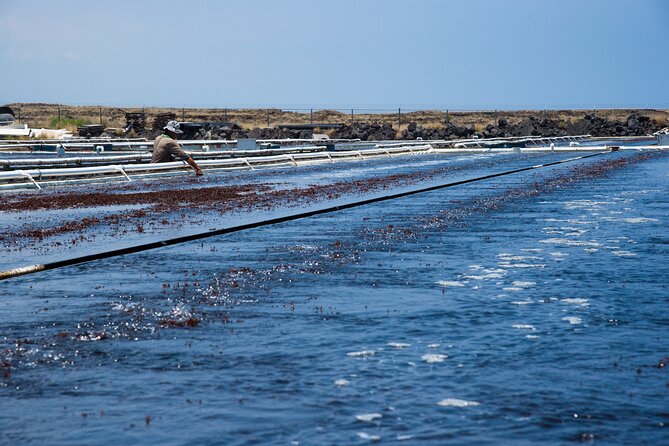
If you’re the type who gets restless on tours that feel like a slideshow, this one has a better rhythm. You’ll be walking through a working abalone farm setting while a guide explains how the animals grow, how seaweed fits into the system, and why sustainable farming matters for an animal that’s under pressure.
The experience is short—about 1 hour—and that matters. A lot of Kona activities run long and then leave you scrambling for dinner. This is a tidy, focused block of time that still gives you something tangible: the chance to touch live animals and then eat what you learned about.
The setting also shows the practical side of island food. The tour explains why abalone farming can work on a tropical island—so you’re not just learning a local story, you’re getting the logic behind it. For me, that’s the value: it turns “cool seafood” into something you can actually understand.
You can also read our reviews of more tours and experiences in Big Island of Hawaii.
Where the tour starts and how long it takes
The meeting point is at 73-357 Makako Bay Dr, Kailua-Kona, HI 96740, and the tour ends back there.
Plan on roughly 1 hour on-site. Reviews describe it as an enjoyable walk around the farm with lots of discussion. Even if you’re not a “tours person,” the length helps—this isn’t one of those activities where you’re stuck waiting for everyone else to finish taking photos.
Also keep in mind it’s capped at 20 travelers. That smaller group size is why people mention good conversation and why questions don’t feel awkward. In a group that size, the guide can actually stop and adjust the explanation based on what you’re curious about.
Finally, the tour uses a mobile ticket. That’s convenient if you like keeping everything on your phone and not digging for paper.
The real heart of the tour: the working abalone farm walk
Stop 1 is where the experience lives: Big Island Abalone.
Here’s what you can expect as the guide talks through the farm:
You’ll learn the story of abalone as a premium seafood ingredient and, more importantly, the farming logic behind it. The tour emphasizes why raising abalone sustainably is important—because the animal is not something you should treat like it grows on demand. You’ll hear how the farm supports the lifecycle of abalone, and how the operation is designed around sustainable practices.
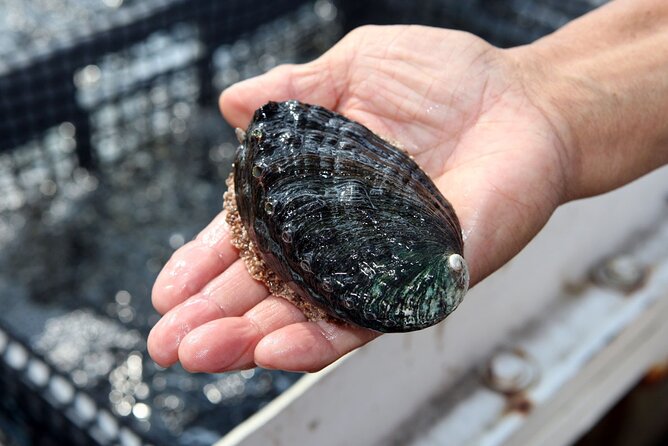
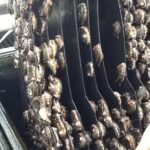
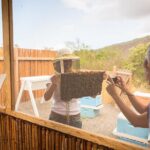
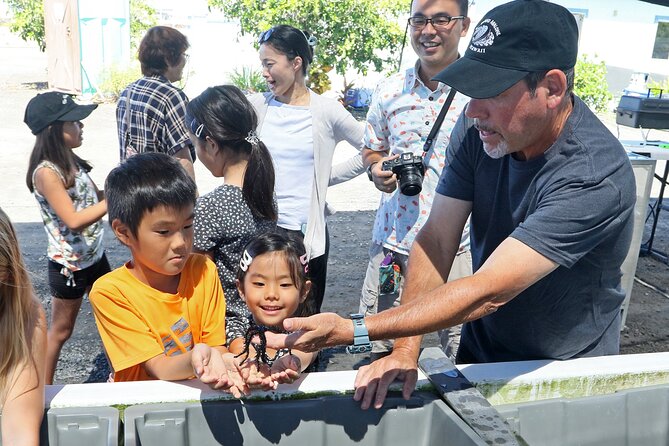
Then comes the hands-on part. Multiple reviews point out that you can touch live abalone and also handle other sea creatures. One person even described getting to hold abalone and seeing details like the shell and the animal’s parts. That’s exactly the kind of “wait, this is real” moment that makes the tour feel worth doing even if you’ve never cared about marine biology before.
What makes this portion special is the balance: science plus sensory experience. You’re not just told facts. You’re given moments where your senses do the learning—touch, look, and then later, taste.
A small but meaningful comfort note from reviews: the tour is described as having shade and low physical strain. So even if you’re traveling with kids, grandparents, or anyone who doesn’t want a strenuous outing, it’s likely to feel manageable.
What you might miss if you’re expecting lots of food
Here’s the fair warning: yes, you’ll taste abalone and seaweed. But this is still first a farm tour. If you’re the type who wants a big buffet-style sampler, you might end up thinking the tasting is more “fun intro” than “full meal.” One review suggested better sampling would have been nice, and another recommended using the tour plus eating next door.
That said, the tasting is the point—it ties the science to the flavor. If you want a full lunch, it’s smart to plan time for food at the on-site food truck after.
The tasting: abalone plus seaweed, and why it feels better here
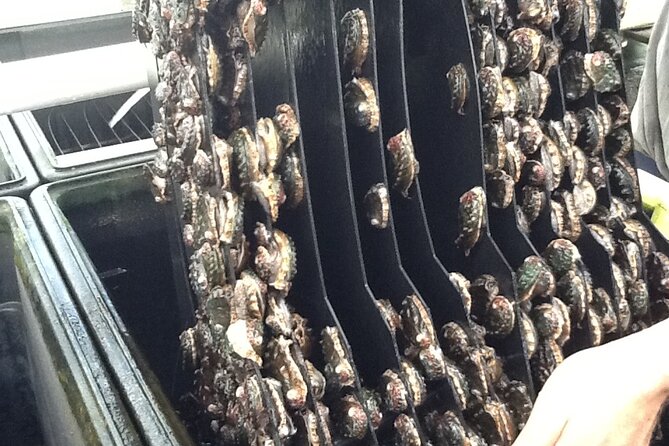
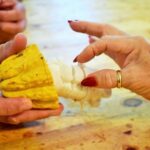
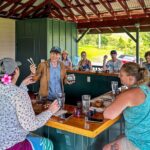
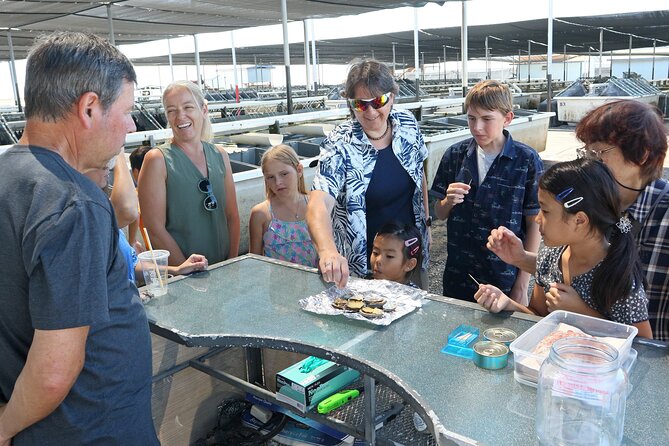
The tour ends with tastings, and this part is repeatedly praised. You’ll sample abalone and seaweed (reviews mention options like sea grapes and seaweed, plus steamed abalone). One review even notes that you may be given a steamed shell of abalone to eat at the end.
Why does this work better than a generic food tasting? Because you’ve just handled (or at least seen up close) the live animal and talked through its growth and harvesting process. That context changes what you taste. You’re not just eating something new; you’re tasting a product with a story you can explain.
The seaweed side matters too. Seaweed is often treated like an add-on. Here, it’s tied to the farm system and the ecology of how the operation works. That makes it feel like part of a whole rather than a garnish.
If you like hands-on experiences, this is also a satisfying final step. You can go from touch and questions to tasting in a natural flow. It’s a quick way to leave with a real “I get it now” feeling.

Guides Carlos and Kai: what their teaching adds
The guides are a big reason people rate this tour so highly, and two names show up often: Carlos and Kai.
In the reviews, both guides are described as knowledgeable, but more than that, they’re engaging—talking clearly, using humor, and keeping the group involved. One family mentioned the guide engaging everyone, including a ten-year-old. Another couple highlighted detailed explanations about mating, growth, and taste.
So what’s the practical takeaway for you? If you’re traveling with mixed ages—kids, teens, and adults—this format is built for questions. A tour like this succeeds when the guide can switch between simple explanations and more detailed answers without making anyone feel left out.
And because the group is small (up to 20), you’re less likely to feel like you’re stuck watching from the back.
Who this tour is best for (and who might want something else)
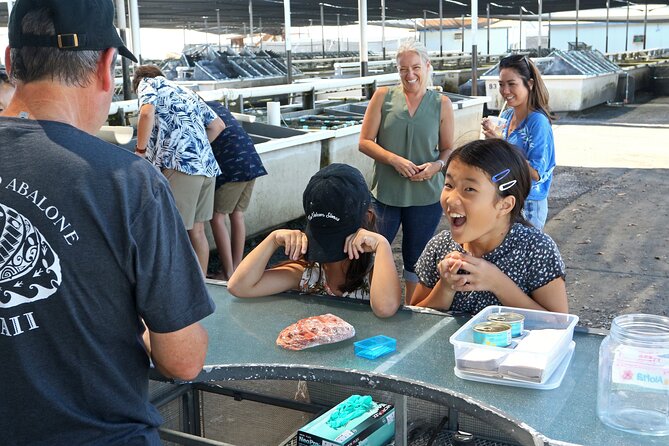
This is one of those activities that works across age and ability levels.
You’ll likely love it if:
- You’re an animal lover and want a closer, multi-sensory experience than a typical exhibit
- You like practical learning—how farming works, not just that it exists
- You want a short activity in Kona that doesn’t steal half your day
- You’re traveling with family and want something that kids and adults can both enjoy
Reviews specifically mention it being good for toddlers and retired parents, with a pace described as low physical activity and shade for comfort.
You might want to think twice if:
- You mainly want a full, meal-sized food experience (the tasting is included, but the tour is still a tour)
- You hate outdoors activities or you don’t have flexibility for weather
If either of those hits your situation, you can still do this tour—but pair it with a proper meal next door so the day feels complete.
Timing in Kona: a smart stop near airport and cruise-side travel
A key practical reason people book this: it fits into real travel schedules.
One review mentions booking because they had extra time and because it’s close to the airport. Another notes it’s about a half-hour Uber ride from Kailua pier in Kona. That’s useful if you’re timing around a flight or cruise day.
Also, because the tour is roughly 1 hour, it’s easier to work into a tight itinerary. You can do it mid-day, then handle dinner afterward without stress.
And if you’re dealing with a rainy day, reviews say it can be a good option because the walking section is often under shade.
Value for $35: why this price can make sense
At $35 per person for about an hour, the big question is whether you’re getting more than a basic “look and learn” activity.
Here’s why the value looks strong based on what you actually do:
- You get a working farm experience, not a staged attraction
- You get a rare chance for hands-on interaction (touching live abalone and other sea creatures)
- You get included tasting of abalone and seaweed
- You’re in a small group (max 20), which improves the overall experience
- You leave with a new understanding you can use when you order abalone later
If you only wanted a taste, you could argue you’d do better with just eating at a restaurant. But this tour is different because the tasting is the end of the lesson. You can walk away with context, not just calories.
And if you’re the sort who enjoys learning even when you’re on vacation, this kind of “science meets food” outing often hits the sweet spot.
After the tour: what to plan next at the food truck
Many visitors mention a food truck service on the property. That’s where you can order more abalone and other dishes after the tour, and some reviews say you can purchase fresh abalone per piece.
This is a smart pairing. If the tasting makes you curious, food next door lets you go deeper. If the tasting feels small to you, the food truck keeps the day from feeling incomplete.
So my advice: treat the tour as the educational appetizer, then eat like you’re celebrating the learning.
Should you book Big Island Abalone?
Book it if you want a short, small-group Kona activity that mixes real farming with hands-on marine encounters and included tastings. It’s especially worth it for families, animal lovers, and travelers who like learning with their hands and senses—not just their eyes.
Skip it if you’re only chasing a big food experience, or if you’re the type who hates any chance of outdoor weather disruptions. In that case, plan another indoor option and save this for a day when you can be flexible.
If you want one dependable “do something unique and learn something real” stop on the Big Island, this one is built for that.
FAQ
How long is the Abalone Farm Tour?
The tour runs about 1 hour.
How much does it cost?
It costs $35.00 per person.
What’s included in the tour?
Abalone and seaweed tasting is included, along with the farm tour and guided explanations.
Do I need to bring paper tickets?
No. You’ll use a mobile ticket.
Is the tour offered in English?
Yes, it’s offered in English.
How many people are in the group?
The experience has a maximum of 20 travelers.
Where does the tour start?
The meeting point is 73-357 Makako Bay Dr, Kailua-Kona, HI 96740, USA, and the tour ends back at the meeting point.
Can I get a refund if weather is bad?
The experience requires good weather. If it’s canceled due to poor weather, you’ll be offered a different date or a full refund.
Are service animals allowed?
Yes, service animals are allowed.