REVIEW · BIG ISLAND OF HAWAII
Hala Tree Coffee Farm Tour
Book on Viator →Operated by Hala Tree Coffee · Bookable on Viator
Red cherries, then coffee in your cup. Hala Tree Coffee Farm Tour is a 1-hour working-farm visit on the Big Island that walks you through how 100% Kona Coffee goes from red fruit to roast, ending with tastings and ocean-side views. With a maximum of 12 people, it feels laid-back and compact, which is great when you don’t want a half-day commitment.
I really like how the experience is start-to-finish—trees, harvesting and processing, then roasting and tasting—so you leave with a clear mental map of how flavor is made. I also like that the guide-led pace is relaxed and human; you might hear it from guides such as Sabrina or Margaret, and the tasting setting includes a shaded deck and comfy seating with a view.
The main thing to consider: this is a small, close-by walk. If you expect long orchard trails, you may feel it’s more of a tight, efficient visit than a big adventure.
In This Review
- Key Things You’ll Notice on This Hala Tree Coffee Tour
- A 1-Hour Kona Coffee Lesson That Feels Down-to-Earth
- Where to Meet Hala Tree Coffee (and How to Find It Fast)
- Stop 1: The Hala Tree Farm Walk Through Kona Coffee Red Cherries
- From Harvest to Roasting: The Steps That Shape Flavor
- The Tasting on the Shaded Deck: Ocean Views and a Coffee Flight
- Price and Timing: Why $10 for an Hour Works
- Who This Tour Fits Best (and Who Might Want Another Option)
- What to Do Before and After the Tour
- Should You Book the Hala Tree Coffee Farm Tour?
- FAQ
- How much does the Hala Tree Coffee Farm Tour cost?
- How long is the tour?
- Where does the tour start?
- Is coffee tasting included?
- What is the group size?
- Can I cancel for a full refund?
Key Things You’ll Notice on This Hala Tree Coffee Tour
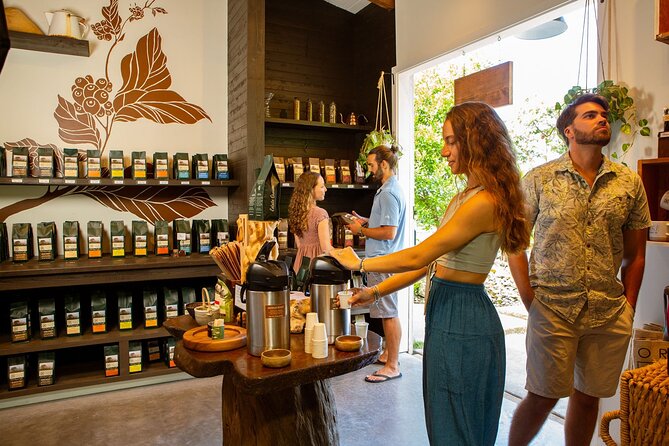
- 100% Kona Coffee focus, so the story stays specific and practical
- Small group (max 12) for easier questions and a calmer pace
- Coffee flight tasting with multiple types, plus the chance to pick what you try
- Red cherry-to-bean process explained step by step, from picking to processing
- Shaded deck tasting spot with scenic ocean views during the samples
- Real working-farm vibe, including dog greeters at times
A 1-Hour Kona Coffee Lesson That Feels Down-to-Earth
This tour works because it doesn’t try to do everything. You get a focused look at coffee production that fits into a day on the Big Island without turning your schedule into a spreadsheet.
You start on the farm itself, where the “coffee tree” makes sense. Kona coffee isn’t just a brand label here—it’s plants, fruit, harvesting, and careful processing, all connected in one place. That matters, because coffee can feel mysterious until you see the red cherries and hear how those become beans.
Also, the small-group size changes the vibe. With a maximum of 12 people, you’re not just listening from afar. You can ask questions and actually follow the steps.
If you’re a coffee person, you’ll probably enjoy the tasting more than you expect. If you’re not a coffee person, you may still get something out of how the plant grows and why processing choices affect flavor.
You can also read our reviews of more tours and experiences in Big Island of Hawaii.

Where to Meet Hala Tree Coffee (and How to Find It Fast)
The tour meets at 82-5966 Mamalahoa Hwy, Captain Cook, HI 96704, and it ends back at the same meeting point. That simple “start and finish together” setup is handy when you’re fitting this into a tight island plan.
One practical tip: the farm can be hard to spot from the highway. People have noted it’s down a driveway off a church area and not super well marked, so plan on using navigation rather than relying on roadside signs. If you’re arriving by rideshare or taxi, give yourself extra time to find the correct turn.
If you’re coming from the Kona side, remember you’re headed toward Captain Cook area. That’s also where you might find it takes a bit more effort to line up a ride afterward, depending on the time of day. Bottom line: don’t schedule something right after the tour without buffer time.
Good news: you’ll get a confirmation when you book, and the tour uses a mobile ticket, so you’re not juggling printed paper.
Stop 1: The Hala Tree Farm Walk Through Kona Coffee Red Cherries
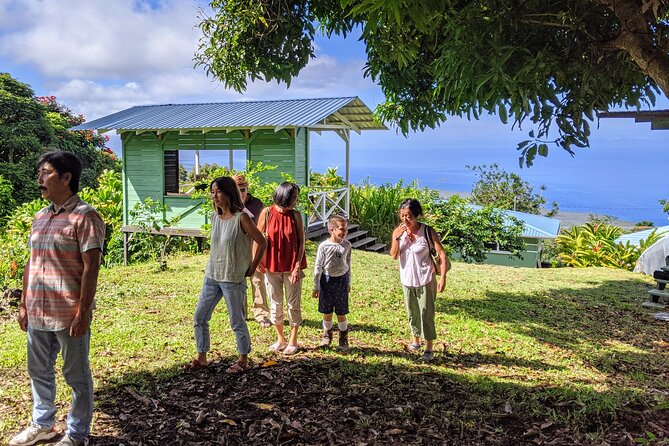
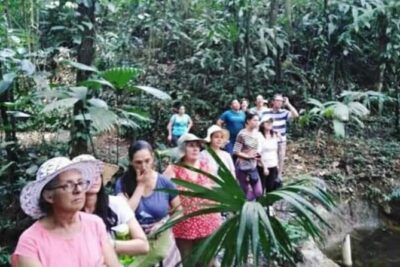
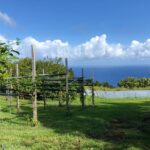
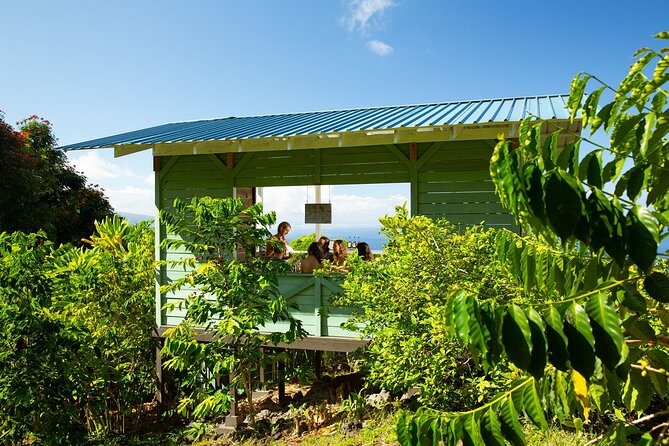
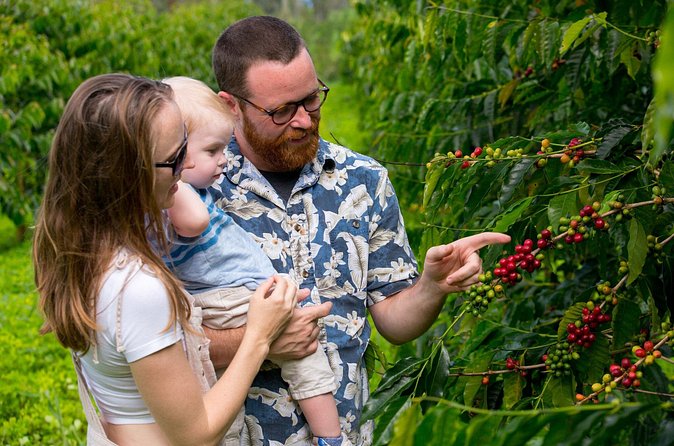
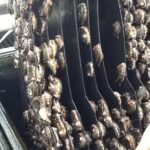
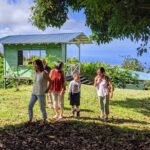
Your first stop is the heart of the place: the Hala Tree Coffee farm itself. The tour begins with a guided walk through the coffee area, where you can see the red cherries that contain the coveted Kona beans.
This part is useful because it gives you the visual “before” in the story. Coffee beans don’t look like coffee beans when they’re growing on the tree. Seeing the fruit helps you understand why harvesting and processing choices matter so much.
The guide also shares how harvesting works and how the estate fits into Kona coffee culture. You’ll hear details about the farm’s approach to production and care—plus how the orchard stage feeds into what comes next.
In conversation, you may get a tour that’s sprinkled with local context. For example, different guides have been praised for explaining not just the coffee, but the farm rhythm and the Big Island setting around it. You’ll often notice this kind of storytelling is part of why the hour feels smooth instead of rushed.
From Harvest to Roasting: The Steps That Shape Flavor
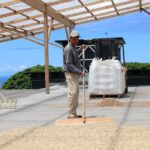
After you’ve seen the fruit and how the crop is handled, the tour shifts into the processing and production side. This is where the tour earns its keep—because coffee flavor isn’t just one thing. It’s the result of choices made across multiple steps.
You’ll learn about the process of taking the harvested cherries through processing and then toward roasting. The tour explains how different processing paths can create different flavors even when you’re starting with the same general coffee. That’s a mind shift for a lot of people. Instead of thinking of coffee as one fixed product, you start seeing it as an outcome.
Roasting is part of the show too. Even if you’re not a roast nerd, it helps to understand that roasting isn’t just turning heat on. It’s tied to the aroma you smell and the final cup experience you taste.
One cool detail you might hear during the explanation: coffee production is a long timeline. A guide has mentioned the stretch from bloom to harvest is about 267 days, and that coffee farms can have 7–8 harvests a year, with hand picking. Even if you don’t remember every number, it gives you real perspective on why Kona coffee is treated with care.
The Tasting on the Shaded Deck: Ocean Views and a Coffee Flight
This tour is worth it even if you only care about the end result—because the tasting setup is where everything comes together.
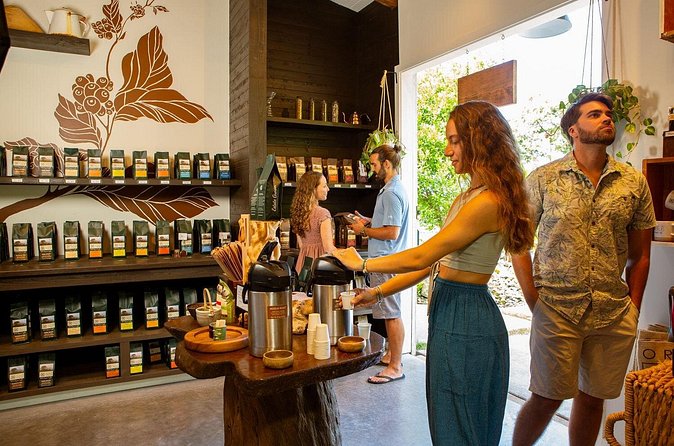
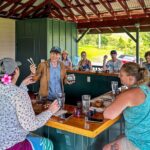
You’ll do a tasting session after the farm walk and production explanation. The experience is designed around trying multiple coffees so you can map what you learned to what’s in your cup. Many guests love the coffee flight format, and you can often choose three different flavors to sample.
The tasting happens in a comfortable outdoor spot: a shaded wood deck with scenic views. People specifically mention enjoying the setting there—then sitting on a sofa afterward to sip hot Kona and compare what they like. That’s a big deal for value. You’re not just sampling quickly; you’re given a chance to slow down and notice differences.
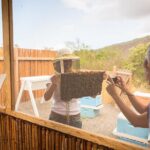
You may also get hands-on moments. One guest mentioned being able to touch and peel, then taste the sweet coffee bean. Even if that’s not emphasized during every tour, it’s the kind of farm detail that helps the experience feel real instead of scripted.
If you’re trying to decide what to pick, use your own instincts. If one aroma seems sweeter or fruitier, go that direction and compare. The best part of a flight is not finding the one perfect coffee; it’s learning what you actually like so you can shop smarter later.
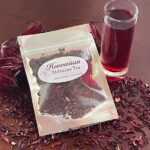
And yes, this is also a good option if you’re traveling with someone who doesn’t drink much coffee. The farm story and the tasting of coffee and tea can still make it fun, even for non-coffee drinkers.


Price and Timing: Why $10 for an Hour Works
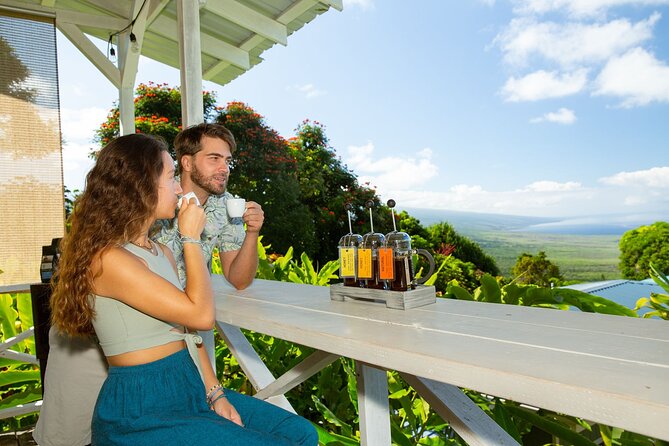
At $10 per person for about one hour, this is priced like a friendly local experience, not a luxury attraction. The value comes from a few things happening in that hour:
- You learn the farm-to-cup path for Kona coffee
- You try multiple cups through a flight-style tasting
- You get a guided experience with a max of 12 people
A lot of tours charge more but deliver less learning, or they focus only on tasting. Here, tasting is connected to the growing and processing explanation. That connection is what turns $10 into more than just a cheap coffee moment.
Timing is another strong point. If you’ve got limited time on the Big Island, a compact one-hour tour is easier to slot between beaches, drives, or other stops. And since it’s often booked ahead (around 15 days on average), it’s smart to reserve early rather than hope for last-minute availability.
Who This Tour Fits Best (and Who Might Want Another Option)
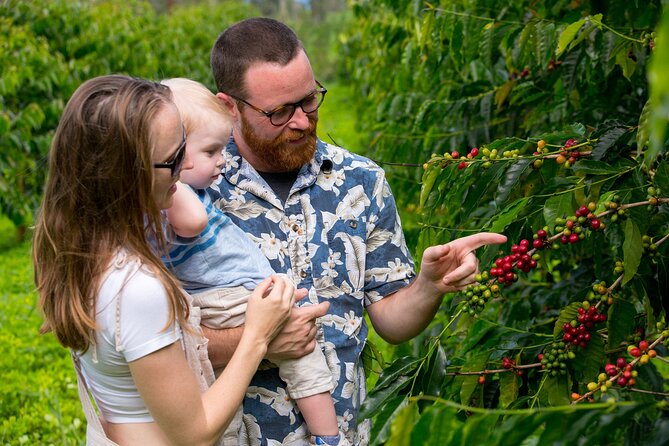
This tour is a great match for:
- Couples who want something calm and interesting without a long hike
- Coffee lovers who like learning how flavor is shaped
- People who want an authentic farm experience rather than a showroom-style tasting
- Travelers who enjoy small groups and Q&A moments
It may be less ideal if:
- You want a long walking tour with lots of distance and big views
- You’re expecting a huge “wow” production—this is a working farm with a compact visit pace
- You dislike guided explanations and prefer purely self-guided experiences
One more practical point: the farm team has shown flexibility for people with mobility limits. If walking is an issue, it’s worth asking how the tour can be adapted. Based on one account, the visit can be modified so guests can still experience the information and sampling without having to tackle rougher ground.
What to Do Before and After the Tour
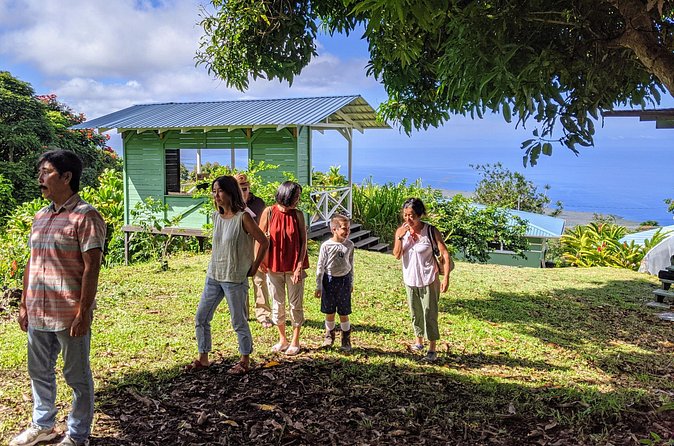
Do a little planning so the hour feels easy:
- Arrive a few minutes early to get settled at the Mamalahoa Hwy address
- Bring sunglasses or a hat, since part of the farm area is outdoors
- If you’re sensitive to caffeine, tell the guide before tasting so you can choose lighter options
After the tour, you’ll be primed to think like a coffee shopper. You’ll notice how your preferences connect to the roast and processing choices. If you’re buying coffee to take home, focus on what you liked in the flight rather than chasing what sounds trendy.
Also, since the tour ends back where it starts, you don’t need a complicated next-leg plan. Just leave yourself time for transport, especially if you’re relying on fewer rides in the Captain Cook area.
Should You Book the Hala Tree Coffee Farm Tour?
Yes—if you want a high-value, small-group Kona coffee experience that actually explains how coffee becomes flavor, then this is an easy yes.
Book it if:
- You like the idea of seeing red coffee cherries and hearing the steps from harvest to roast
- You’d enjoy a guided tasting with multiple coffees you can pick
- You want something that fits in a tight schedule without feeling cheap
Skip it or consider alternatives if:
- You’re expecting a long, big-walk farm trek
- You prefer purely self-guided sightseeing with minimal talking
- You’re very worried about finding the place without navigation (use Google maps and plan ahead)
If you’re in the Captain Cook area and you like thoughtful, practical travel moments—this one makes sense. For $10 and around an hour, it gives you a real connection to Kona coffee that you can actually carry home in your taste buds.
FAQ
How much does the Hala Tree Coffee Farm Tour cost?
It costs $10.00 per person.
How long is the tour?
The tour is about 1 hour.
Where does the tour start?
The meeting point is 82-5966 Mamalahoa Hwy, Captain Cook, HI 96704, USA. The tour ends back at the meeting point.
Is coffee tasting included?
Yes. The tour includes a tasting session and you’ll sample coffees during the visit.
What is the group size?
The tour has a maximum of 12 travelers.
Can I cancel for a full refund?
Yes. You can cancel up to 24 hours in advance for a full refund. If you cancel within 24 hours, there is no refund.