REVIEW · ZANZIBAR
Spice Farm Tour with Traditional Cooking Lesson
Book on Viator →Operated by Zanzibar Local Experience · Bookable on Viator
Your nose leads the way in Zanzibar. This tour is built around a hands-on visit to an organic spice farm, where you can touch, smell, and taste plants right where they grow. You’ll also hear how spices get used in everyday food and even traditional remedies, not just as souvenirs.
My favorite part is the combo: spice-farm learning plus a traditional cooking lesson and lunch on the same trip. The guides I saw highlighted in reviews, including driver Juma and guide Alhamisi, make the plant walk feel like a real lesson, with names of plants explained in different ways. One thing to consider: it’s about 4 hours starting at 9:00am, and there’s a mix of paths and listening, so comfy shoes and sun protection help.
In This Review
- Quick reasons this Zanzibar tour is worth your morning
- Entering a Zanzibar spice farm: the smell-first experience
- Getting there: meeting point, transport, and why it matters
- Walking the organic plots: what you’ll actually do at the farm
- What can feel challenging on the farm part
- The cooking demonstration: learning a traditional Zanzibari dish step-by-step
- A small consideration before you book the cooking part
- Lunch included: eating local fare without extra upsells
- Price and value: is $76.85 a fair deal for 4 hours?
- Pacing and timing: what a 9:00am start feels like
- Who should book this Zanzibar spice farm and cooking tour?
- Should you book this Spice Farm Tour with Traditional Cooking Lesson?
- FAQ
- FAQ
- What time does the Zanzibar spice farm tour start?
- How long is the tour?
- Where do I meet for the experience?
- What’s included in the price?
- What spices and ingredients will I see?
- Is there free cancellation?
- Is this tour private?
Quick reasons this Zanzibar tour is worth your morning
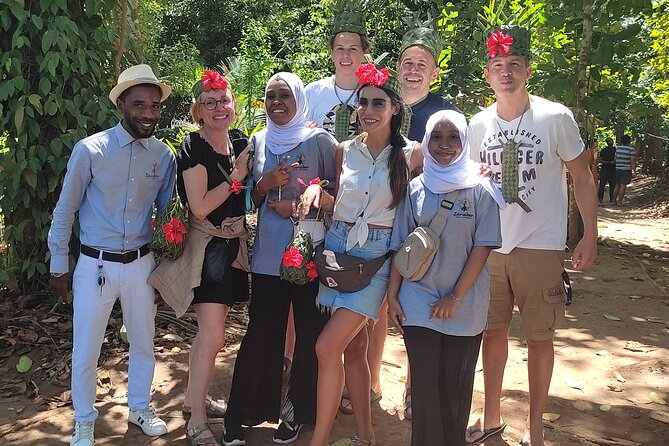
- Organic spice farm, hands-on: touch, smell, and taste spices and herbs as you walk the growing areas
- Traditional Zanzibari cooking demo: you learn how a local dish comes together, then eat lunch afterward
- Local guide insight: Alhamisi-style plant knowledge includes how spices are used for flavor and medication
- Lunch included at no extra charge: you don’t have to budget extra for a meal
- Air-conditioned transport: round-trip transfers are included for less hassle
- Family-friendly pacing: it’s been done with kids as young as 1 in at least one review
Entering a Zanzibar spice farm: the smell-first experience

A spice tour can turn into a “watch someone point” situation. This one tries hard not to. You start in a local organic spice farm, and the focus is sensory and practical: you’re meant to smell, touch, and taste spices and herbs as they’re discussed. That makes vanilla and cardamom feel less like labels and more like actual plants with a story.
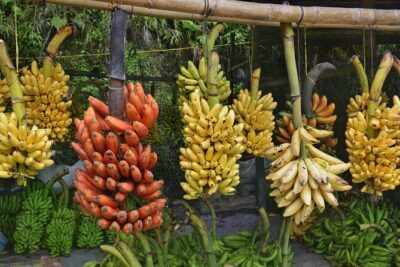
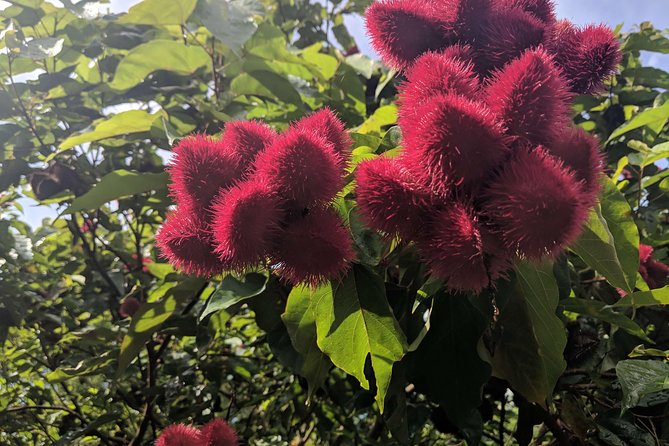
You’ll see common Zanzibar staples like vanilla, cardamom, and nutmeg, plus other spices and herbs. From the experience description and reviews, you may also run into things like cinnamon, turmeric, peppercorn, and more. Even better, there’s room for variety depending on what’s currently growing, including tropical fruits in season.
The farm guide doesn’t just treat spices as flavoring. You’re also told how spices can be used as medication, alongside how they show up in dishes. That angle helps you understand why these plants were so valuable historically on the spice trade routes, without turning the day into a lecture.
You can also read our reviews of more tours and experiences in Zanzibar.

Getting there: meeting point, transport, and why it matters

The day starts with pickup and a transfer that’s easier than you might expect in Zanzibar. Your tour includes round-trip hotel transfers in an air-conditioned vehicle. That’s a real quality-of-life upgrade when you’re spending time outside.
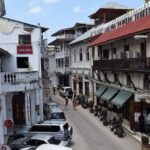
Your meeting point is Old Fort on Mizingani Rd, Zanzibar. Start time is 9:00am, and the tour runs about 4 hours. If you hate rushing or you’re traveling with someone who gets cranky after long morning waits, the included transport and fixed start time are a plus.
One practical note: the tour is listed as private (only your group participates). That generally means less crowding and fewer awkward “should we all stand here?” moments, but it also means you’ll still follow the guide’s flow. If you’re the kind of person who needs constant freedom to roam, you may want a little downtime before or after the tour.
Walking the organic plots: what you’ll actually do at the farm
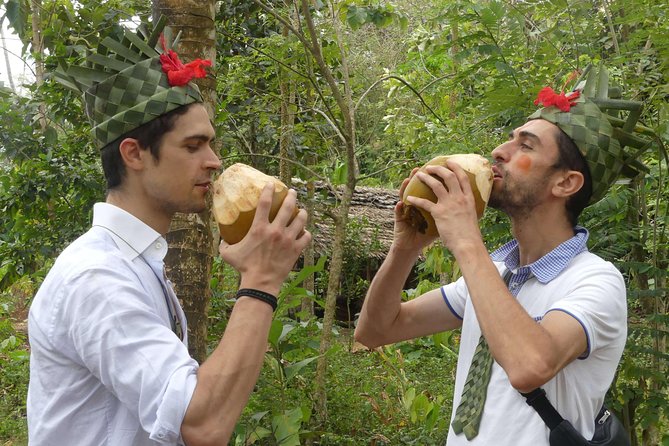
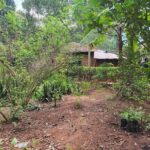
At the farm, the rhythm is simple: walk through the growing areas, get plant explanations, then use your senses. You should expect stops where you can touch and sample. The tasting part is the big difference maker. It’s one thing to read about nutmeg; it’s another to smell it while someone points out exactly what part of the plant you’re experiencing.
The guide talks through how spices are grown and why they’re used. You’ll learn what the plants look like, what they’re used for in cooking, and how they may be used in traditional remedies. That’s especially helpful if you’re the type who loves cooking but always wonders where those ingredients come from.
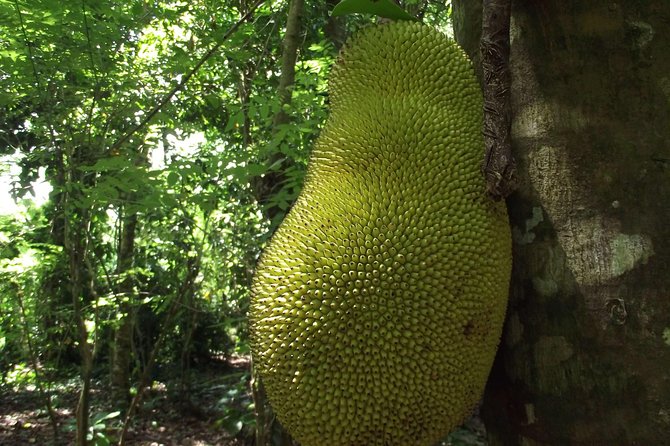
You’ll also see seasonal tropical fruits. The exact options can shift based on what’s in season in Zanzibar at the time you go, but the idea stays the same: this is not just spices in rows. It’s a working farm ecosystem.
What can feel challenging on the farm part
Because this is a working farm with walking paths, wear shoes you’re comfortable getting a little dirty. The experience format includes a mix of walking trails and time spent listening and watching, so plan for a steady pace rather than constant action.
If you’re traveling with very young kids, it can still work well, but you’ll want to stay attentive and keep them close during any uneven ground moments. One review highlighted success with children aged 6, 4, and 1, which suggests the overall pace can be manageable with the right setup.
The cooking demonstration: learning a traditional Zanzibari dish step-by-step
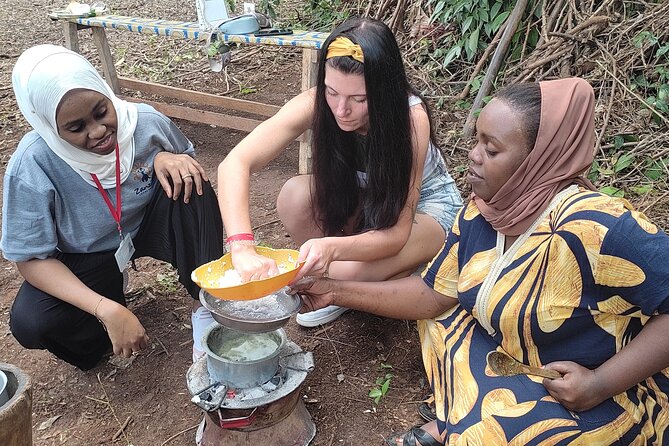
After the farm visit, the tour shifts into the kitchen side of the experience. You’ll attend a cooking demonstration focused on a traditional Zanzibari dish. The key word here is learning. Even if it’s not a full hands-on class for every step, you should come away understanding how local ingredients combine and why the spice aromas matter.
This part connects directly to what you saw earlier. When you’ve just been smelling and tasting spices on the farm, you’re not arriving at the cooking lesson with vague “that smells good” memories. You’ll recognize spices like vanilla and cardamom faster, and you’ll understand which flavors are doing the heavy lifting in the dish.
From the reviews, the guide approach is strong: Alhamisi is described as giving in-depth knowledge and making the information exciting, including plant names in multiple languages. That matters because it turns a cooking lesson into something you can retell later at home. You can buy spices at a market, sure, but you’ll know more about how to use them because you watched the cooking flow right after the farm context.

A small consideration before you book the cooking part
If you’re expecting a fast, showy cooking competition vibe, you might find this more educational and methodical than dramatic. The good news is that’s exactly why it works so well for people who like learning and eating something real at the end.
Lunch included: eating local fare without extra upsells
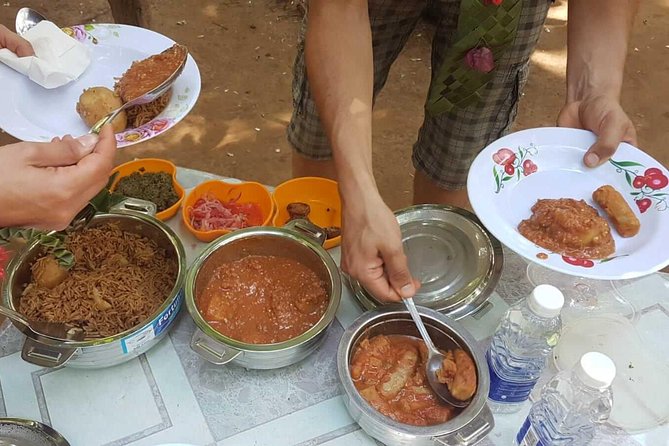
Lunch is served at no extra charge. That’s one of the clearest value points on the itinerary. You’re paying for the experience up front, and you’re not being nudged into paying separately for food after the tour.
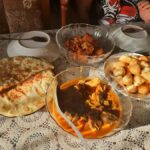
The lunch itself is described as local fare, served after the cooking demonstration. Since you’ll likely see and smell ingredients earlier, lunch feels like the payoff. This is where the “spices aren’t just for trade history” lesson turns into a meal you can actually taste.
If you have dietary needs, the tour data doesn’t specify accommodations. So it’s worth thinking ahead: if you’re vegetarian, avoiding certain foods, or sensitive to strong spices, message the provider or ask the day-of what will be served.
Price and value: is $76.85 a fair deal for 4 hours?
$76.85 per person isn’t the cheapest day trip in Zanzibar. But when you look at what you’re getting, it starts to make sense.
Here’s the value math that matters:
- Organic farm visit + sensory tasting (not just a drive-by)
- Cooking demonstration tied to Zanzibar ingredients
- Lunch included with no extra charge
- Round-trip hotel transfers in an air-conditioned vehicle
- Private format (your group participates)
- Mobile ticket convenience and possible group discounts
A spice farm experience without lunch or transport can cost more or feel less complete. In this case, lunch and transfers are part of the package, which reduces “hidden costs” and decision fatigue. You’re also not spending your own time organizing transport, which is a big deal in practice.
Also, the tour is often booked about 86 days in advance on average. That hints at steady demand, which can mean you’ll likely find available slots if you plan ahead, especially during peak season.
Pacing and timing: what a 9:00am start feels like
The start time is 9:00am, and the full tour is about 4 hours. Mornings in Zanzibar can be cooler than later in the day, which is a smart window for walking the farm paths. If you tend to get tired later, this timing can actually be a plus.
The experience includes a combination of walking trails and sitting while you listen and watch. That’s a good balance for most people. You’re not forced into long nonstop hiking, and you also aren’t stuck only indoors.
For comfort:
- Bring sun protection for the farm walk
- Wear shoes you can walk on uneven ground
- Bring a light layer if you’re sensitive to air-conditioned vehicles
Who should book this Zanzibar spice farm and cooking tour?
I’d point most travelers to this if you want something more grounded than a quick spice market stop. It’s especially great for:
- Food lovers who want to understand spices beyond flavoring
- First-time visitors to Zanzibar who want a cultural and ingredient-focused day
- Families, including people traveling with young kids (supported by a review mentioning kids ages 6, 4, and 1)
- People who like guided explanations tied to what they’re experiencing in real time
If you’re only interested in taking photos and you don’t want to taste or smell anything, you may find the sensory focus less your style. But if you enjoy learning with your senses, this tour is exactly that.
Should you book this Spice Farm Tour with Traditional Cooking Lesson?
I’d book it if you want a morning plan that connects organic spice growing with a real Zanzibar meal. The biggest reason is the combination: farm learning with touch-and-taste access, then a traditional cooking demonstration, then lunch included.
I’d think twice only if you dislike walking on farm paths or you want a more hands-on cooking class than a demonstration-style lesson. If that’s you, ask the provider how interactive the cooking portion is when you book.
If you’re looking for value and you want your Zanzibar trip to be about ingredients, not just locations, this one fits well.
FAQ
FAQ
What time does the Zanzibar spice farm tour start?
The tour starts at 9:00am.
How long is the tour?
It runs for about 4 hours.
Where do I meet for the experience?
The meeting point is Old Fort, Mizingani Rd, Zanzibar, Tanzania.
What’s included in the price?
The price includes the spice farm visit, the traditional cooking demonstration, lunch at no extra charge, and round-trip hotel transfers. You also get a mobile ticket.
What spices and ingredients will I see?
You’ll see spices such as vanilla, cardamom, and nutmeg, along with other spices and herbs. Tropical fruits in season may also be included.
Is there free cancellation?
Yes. You can cancel for a full refund up to 24 hours before the experience’s start time.
Is this tour private?
Yes. Only your group participates (it’s a private tour/activity).