REVIEW · ORISTANO
Oristano: visit a farm with oil tasting
Book on GetYourGuide →Operated by Escursì · Bookable on GetYourGuide
Olive oil lessons under ancient trees. In Massama near Oristano, I joined Anna and Antonella—fifth-generation oil and wine sommeliers—for a guided look at how their family farm turns olives into standout extra virgin olive oil.
What I liked most was the harvest-to-tasting focus. First you learn how olives are harvested, transported, pressed, and preserved; then the tasting teaches you how to identify extra virgin versus olive oil and lampante through organoleptic analysis.
One drawback to plan for: this experience isn’t suited for mobility impairments, and you’ll be moving around the grove and farm spaces, so wear comfy clothes and be ready for some uneven ground.
In This Review
- Key points to know before you go
- Where Massama’s olive groves become a mini food classroom
- From olive grove to pressing: how the farm makes its oil
- Why this part is worth your time
- Anna and Antonella’s tasting method: extra virgin vs. olive oil vs. lampante
- The pairing lesson that actually helps
- The food side: crostone, seasonal vegetables, legume humus, and more
- Dietary needs are handled with notice
- The cultivars you’ll hear about (and why Semidiana is a local favorite)
- A historic, certified-organic farm with Unioncamere recognition
- What this means for you as a visitor
- Timing, pace, and what to wear for the 1.5 hours
- Who should book this Oristano oil tasting—and who might prefer something else
- Should you book this olive farm oil tasting near Oristano?
- FAQ
- FAQ
- How long is the olive oil tasting experience near Oristano?
- Where does the experience take place?
- What happens first during the tour?
- What oils will I taste and learn to recognize?
- What food is included with the tasting?
- Can the tour accommodate dietary restrictions or allergies?
- Are pets allowed?
Key points to know before you go
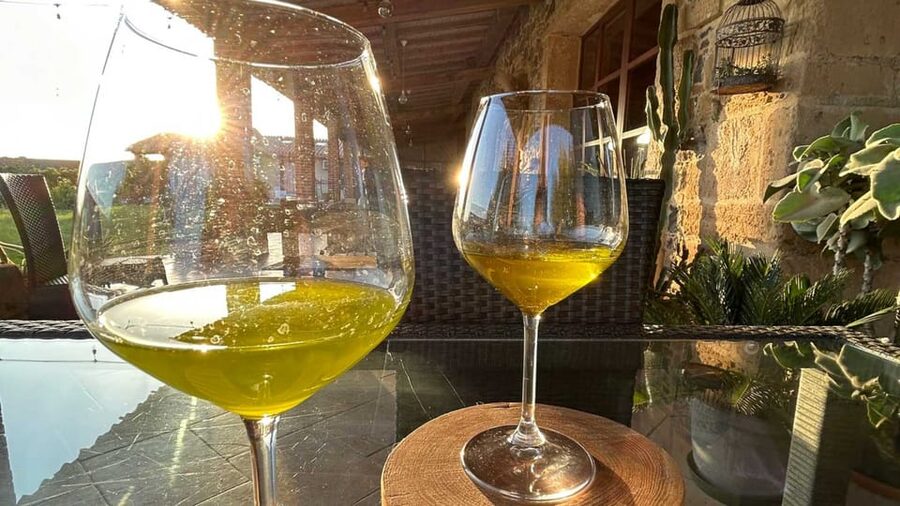
- Fifth-generation guides: Anna and Antonella connect the olive grove to the tasting in a clear, hands-on way.
- Learn the real quality markers: you practice organoleptic analysis to tell extra virgin from olive oil and lampante.
- Tasting + pairing skills: you match oils to dishes based on bitter and spicy fruitiness.
- Indigenous Sardinian cultivars: you’ll hear about and taste oils from Bosana, Nera di Villacidro, Sa Manna, and Semidiana.
- Food included: crostone, seasonal vegetables, legume humus, a chef’s surprise, water, and local wine.
- Set on a historic organic farm: founded in 1857, recognized by Unioncamere, producing award-winning extra virgin olive oil.
Where Massama’s olive groves become a mini food classroom
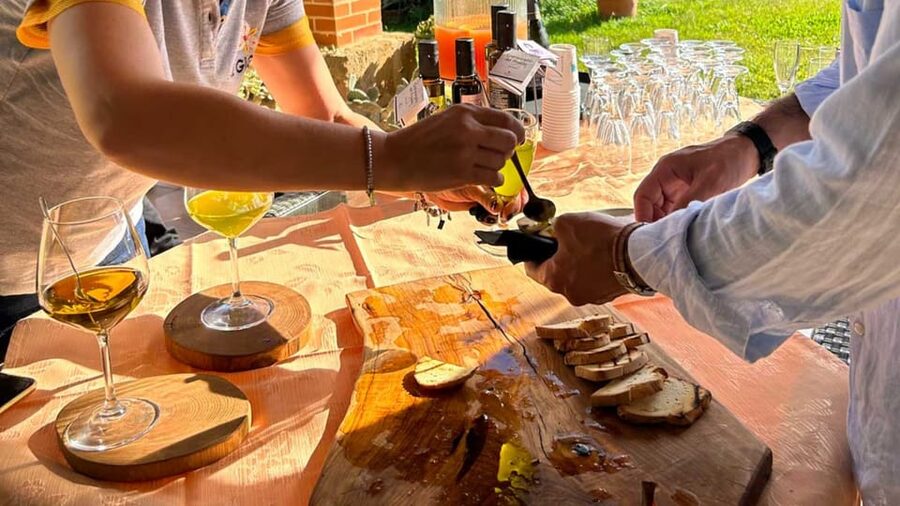
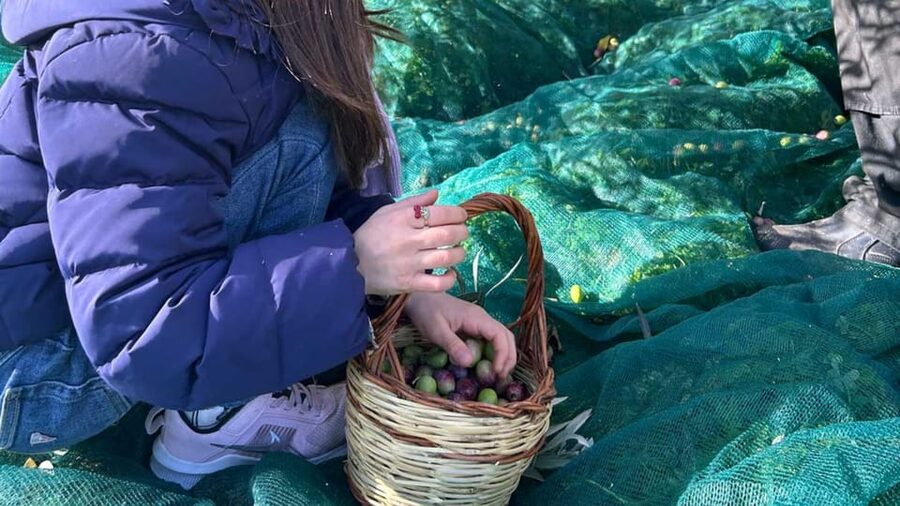
Massama sits close to Oristano in Sardinia, and the farm experience starts outdoors, under old olive trees. That matters because olive oil isn’t an abstract product here—you’re learning in the same place where the olives actually grow.
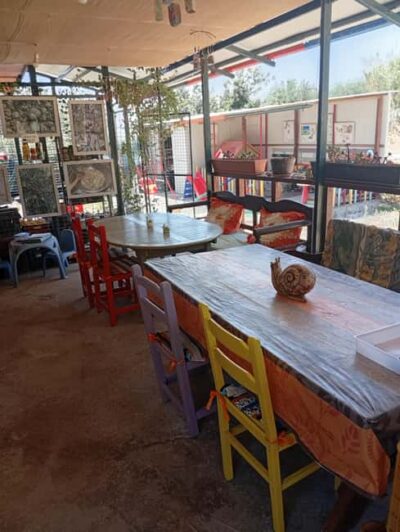
Anna and Antonella guide you through their family farming heritage in a way that feels practical, not overly romantic. You’ll move between the olive grove, where you learn the raw process, and a historic manor house area where the tasting and labeling make more sense.
This is also the kind of activity that works if you care about food but don’t want to be stuck in a lecture. The focus stays on what you can taste and what you can use later at home.
From olive grove to pressing: how the farm makes its oil
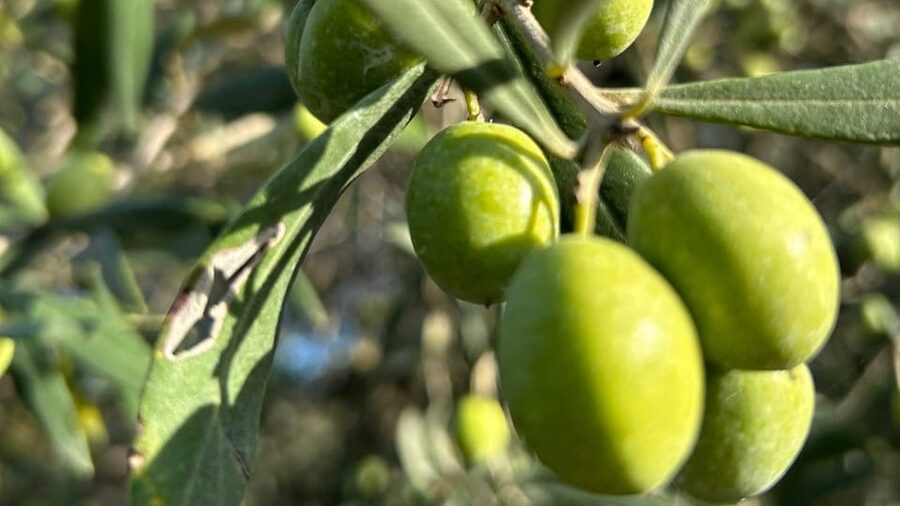
The tour begins in the olive grove, where the guides explain the different Sardinian cultivars grown on the estate. That’s your first clue about what you’re about to taste: different olive types can bring different fruitiness, bitterness, and spice-like notes to the final oil.
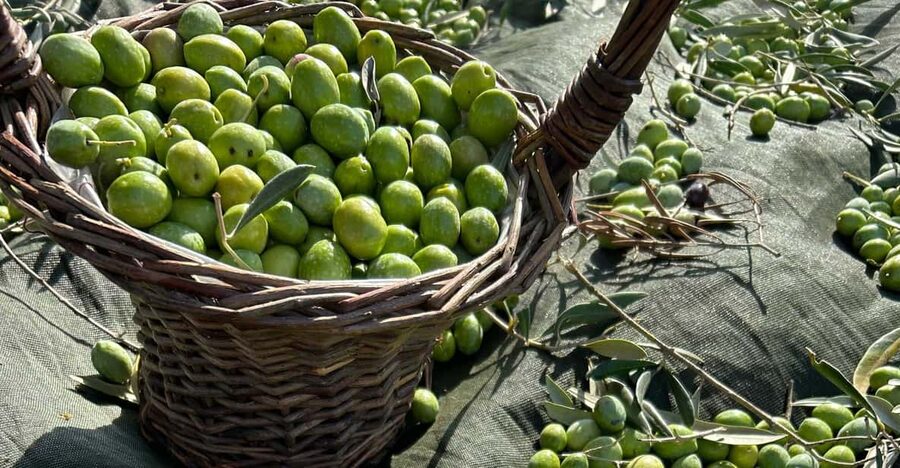
From there, you follow the story of production in plain steps. You’ll learn how olives are harvested, how they’re transported, and how pressing is done to obtain an excellent oil. Even if you’ve never thought about these steps before, the way they teach it helps you understand why timing and handling matter.
Then there’s a key part many people miss: preserving the extra virgin oil after it’s produced. You’ll be shown the best method to preserve it, which is useful because even a great oil can lose character if it’s stored poorly.
Why this part is worth your time
If you’ve ever tasted olive oil that felt flat or harsh, this is where you start connecting the dots. The tour doesn’t only say what good oil tastes like; it explains why the oil ends up tasting the way it does.
And because the guides tie the grove work to the tasting later, you’ll remember the process instead of just absorbing facts.
Anna and Antonella’s tasting method: extra virgin vs. olive oil vs. lampante
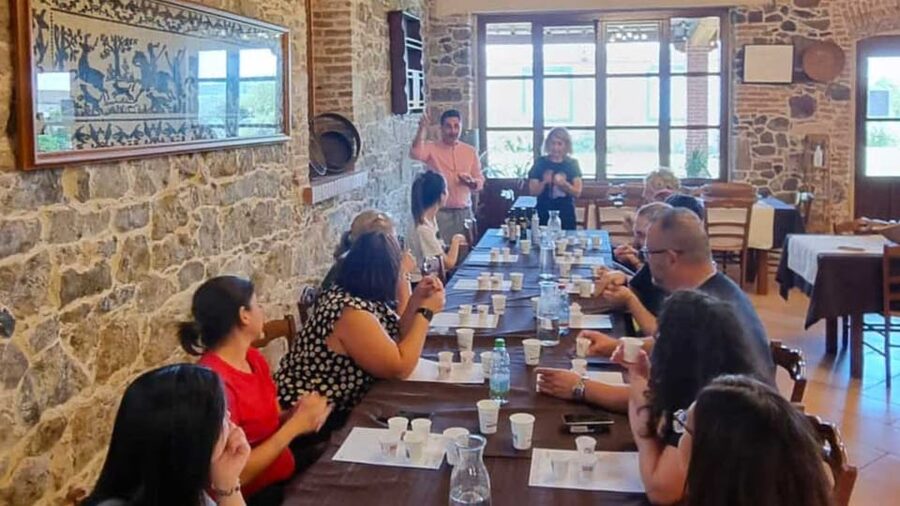
After the grove lesson, the experience shifts into a tasting session with a structured goal. You don’t just sample oils and hope for the best—you learn how to recognize categories of olive oil using organoleptic analysis.
Here’s what that means in practice: you train your senses to notice the attributes that separate extra virgin olive oil from olive oil and lampante. You’ll learn what to look for and how those differences show up when you taste.
They also explain how to interpret bitter and spicy fruitiness. That’s important because those notes aren’t usually what people expect at first. Some folks hear bitter or spicy and assume unpleasant. In this tour’s logic, those characteristics are signals of quality and cultivar expression.
The pairing lesson that actually helps
Next comes the skill-building you can use right away. The guides show you how to match oils to dishes based on those taste traits—especially how bitterness and spicy fruitiness can work with food instead of fighting it.
This is where the experience becomes more than a tasting. You get a way to think about flavor balance, so when you’re shopping later or eating at a restaurant, you have a framework in your head.
The food side: crostone, seasonal vegetables, legume humus, and more
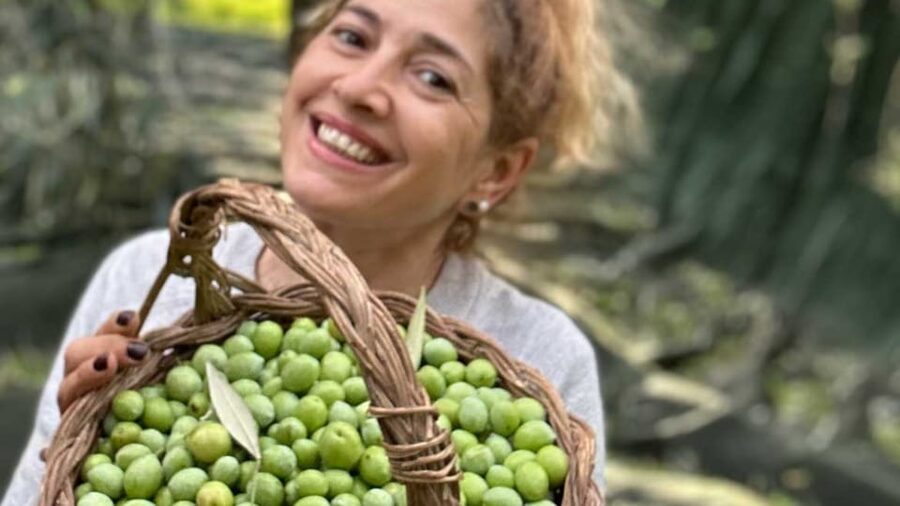
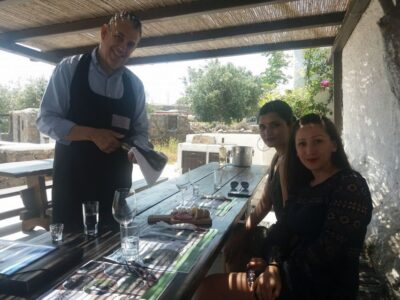
The tasting includes more than oils. You’ll also eat farm-prepared bites that are meant to show off how the oils behave with real Sardinian flavors.
The included items are:
- Country crostone
- Vegetables according to the season
- Legume humus
- A chef’s surprise
- Water
- A glass of local wine
This lineup is a smart pairing setup. Bread and legumes tend to be relatively grounding, while seasonal vegetables can add freshness and contrast. That makes it easier for you to notice how an oil’s bitter or spicy notes change the overall bite.
Dietary needs are handled with notice
If you have allergies, intolerances, or specific dietary preferences, the farm can accommodate. Vegetarian and vegan alternatives are available, but you need to notify them using the number on the reservation voucher at least two days before the experience.
The cultivars you’ll hear about (and why Semidiana is a local favorite)
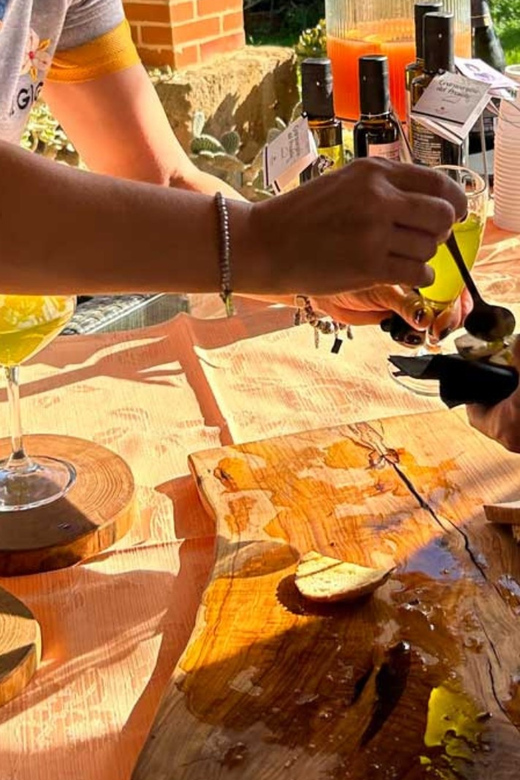
One of the most interesting parts of this Oristano olive oil tasting is that it centers on indigenous Sardinian cultivars. The farm grows and produces extra virgin olive oil from several varieties, including Bosana, Nera di Villacidro, Sa Manna, and Semidiana.
Each cultivar can bring its own personality to the oil: differences in fruitiness, bitterness, and that spicy sensation people describe with olive oil. When you taste them as part of the same lesson, you start to see how the same production approach still yields distinct flavors.
Semidiana is especially tied to the Oristano area, so it’s a cultivar that feels local in a way that generic oils can’t replicate. When you taste it in this setting, you’re tasting place as much as you’re tasting an ingredient.
A historic, certified-organic farm with Unioncamere recognition
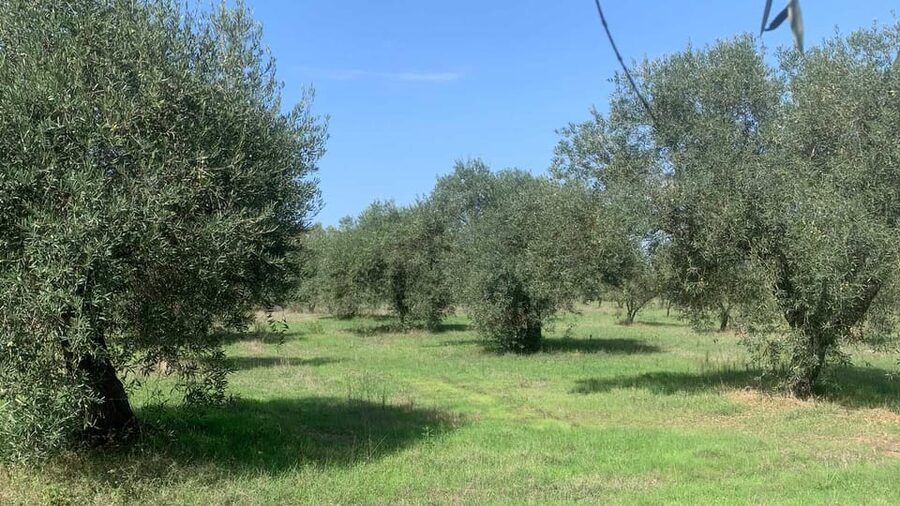
The farm itself has deep roots. It was founded in 1857 and is a historical enterprise recognized by Unioncamere. That alone makes it more interesting than a quick commercial tasting.
On top of that, it’s a certified organic farm. They produce award-winning extra virgin olive oil of excellence on both national and international levels, using indigenous Sardinian cultivars.
What this means for you as a visitor
This kind of background matters because it hints at consistency. When a farm has been producing for generations and still holds organic certification, it usually means more attention to process and less focus on shortcuts.
And because Anna and Antonella are fifth-generation sommeliers, you’re hearing the “why” behind the oil and the label, not just the “what.” The manor house tasting portion is also where the stories behind the oils become clearer.
Timing, pace, and what to wear for the 1.5 hours
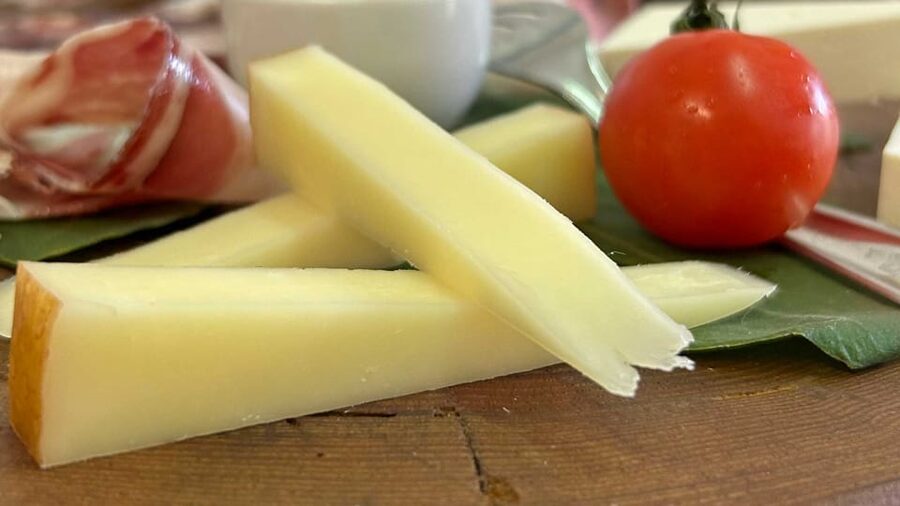
The experience lasts about 1.5 hours. That’s a good length: long enough to walk through the grove, learn the production steps, then taste and practice organoleptic analysis—without turning into an all-day commitment.
Pace-wise, it tends to follow the same order every time: grove education first, tasting and matching second. Because the tasting is the main practice session, arrive expecting to slow down a bit and actually focus on what you’re noticing in the oils.
Wear comfortable clothes. You’ll want shoes that handle farm surfaces. Also note that pets are allowed on leashes both outside and inside the facility, except in processing rooms or where food is handled, and the pet needs to be docile.
Who should book this Oristano oil tasting—and who might prefer something else
This experience is a great fit if you want real food knowledge, not just a pleasant stop. If you enjoy cooking, buying ingredients, or ordering olive oil at restaurants, the organoleptic training and pairing method will stick with you.
It’s also a strong choice if you’re the type who likes learning from people who farm for a living. Anna and Antonella bring the family heritage into the lesson, but the content stays practical: cultivars, pressing, preservation, and how to taste correctly.
It may be a mismatch if you need step-free access. The tour isn’t suitable for people with mobility impairments, and the grove/farm layout likely involves movement through uneven outdoor areas and farm spaces.
Should you book this olive farm oil tasting near Oristano?
I’d book it if you want a structured, hands-on olive oil experience that teaches you how to taste and how to pair. The best part isn’t only the oil; it’s the method—how to recognize extra virgin through organoleptic analysis and how to use bitter and spicy fruitiness when you eat.
Skip it if you want a short, passive snack stop. This is an active learning experience with real sensory work, plus included food and local wine. And if mobility is a concern, don’t gamble on it—this one isn’t designed for mobility impairments.
FAQ
FAQ
How long is the olive oil tasting experience near Oristano?
It lasts about 1.5 hours.
Where does the experience take place?
It’s on a farm in Massama, a village near Oristano in Sardinia, Italy.
What happens first during the tour?
You start in the olive grove and learn about the Sardinian cultivars, plus how olives are harvested, transported, and pressed to make excellent oil. You’ll also learn how to preserve extra virgin olive oil.
What oils will I taste and learn to recognize?
You’ll taste different oils and learn to recognize extra virgin olive oil, olive oil, and lampante oil using organoleptic analysis.
What food is included with the tasting?
The tasting includes country crostone, seasonal vegetables, legume humus, a chef’s surprise, water, and a glass of local wine.
Can the tour accommodate dietary restrictions or allergies?
Yes. There are accommodations for allergies and intolerances, and vegetarian and vegan alternatives are available. You need to notify them at least two days before the experience using the number on the reservation voucher.
Are pets allowed?
Pets are allowed on leashes both outside and inside the facility, except in processing rooms or where food is handled, as long as they are docile.