REVIEW · ZANZIBAR
Zanzibar Spice Farm Tour
Book on Viator →Operated by Samsons Safaris · Bookable on Viator
Zanzibar’s spice farms tell a story in your hands. This private walk at Tangawizi Spice Farm from Stone Town mixes farm views with history and hands-on fruit-and-spice tastings. You’ll learn how these crops became part of Zanzibar life, then try flavors that make the lessons stick.
What I like most is the pace: it’s a private tour, so you can ask questions as you go, and you’re not stuck with a rigid script. I also like the sensory part. You don’t just hear about clove or nutmeg, you smell and sample them alongside fruit. One possible drawback: the farm setup can feel basic, and one review noted no wash room on site, plus shopping at the stall can feel like a pressure point.
In This Review
- Key Points You’ll Care About
- Entering Zanzibar’s Spice World at Tangawizi Spice Farm
- Tangawizi Shamba Walk: What You’ll See Up Close
- The Portuguese Spice Story: Why Zanzibar Became a Global Flavor Hub
- Smell, Taste, and Pair: How the Fruit and Spice Tasting Works
- The Spice Stall at the End: What to Expect Before You Spend
- Stone Town Pickup to Tangawizi Drop-Off: Logistics That Keep It Simple
- How Much Value Is $140 Per Person Really?
- Should You Book? Who This Tour Fits Best (and Who Might Not)
- FAQ
- FAQ
- How long is the Zanzibar Spice Farm Tour?
- Where do I meet for the tour?
- Is this tour private?
- What’s included in the price?
- What kinds of spices and fruit will I taste?
- Is the farm tour a walking tour?
- Do I need admission tickets?
- Is there shopping at the end of the tour?
- Can I pay by card at the stall?
- Is there a wash room on site?
- Is free cancellation available?
Key Points You’ll Care About
- Private guide, your questions welcome while you walk the shamba at your own pace
- Tangawizi Spice Farm is the core stop, with a guided walkthrough of how spices and crops grow
- Tastings are part of the tour, including fruit paired with spices and herbs
- You’ll learn the Portuguese-era spice storyline that connects Zanzibar with India and South America
- Cash-only spice stall at the end means plan ahead if you want to buy
Entering Zanzibar’s Spice World at Tangawizi Spice Farm

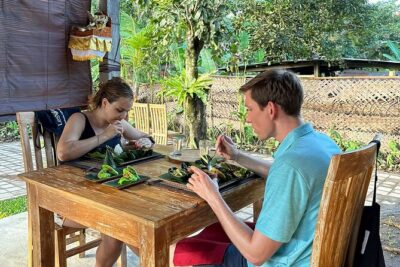
This is not a sit-and-watch experience. You’re on the ground at a working spice farm, called a shamba, where crops are actually cultivated. That matters because spices in Zanzibar aren’t just souvenirs. They’re built into daily cooking, local ingredients, and the flavors people grow year after year.
Your tour is designed to be easy to follow. You start at a clear meeting point in Zanzibar, and you get hotel pick-up and drop-off, so you’re not hunting transport in the heat. The total time is about 3 hours, with around two hours centered on the farm visit, which is a good length if you still want your day to stay flexible.
I also appreciate the tour’s practical focus. Yes, you’ll hear about where spices came from and how they spread. But it’s tied to what you’re looking at right in front of you—leaves, pods, stems, and fruits. For many people, that’s the difference between learning words and actually learning flavors.
You can also read our reviews of more tours and experiences in Zanzibar.


Tangawizi Shamba Walk: What You’ll See Up Close
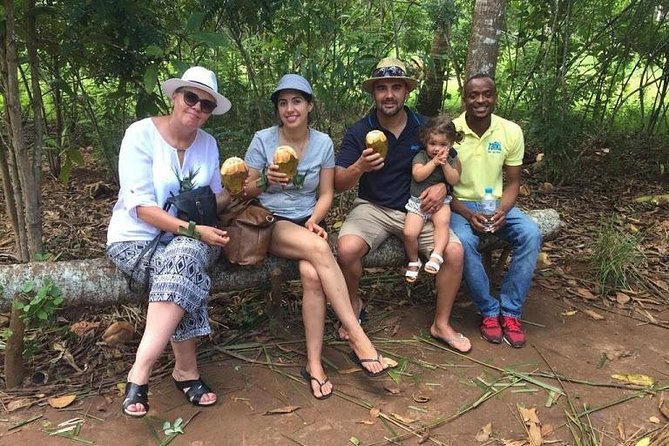
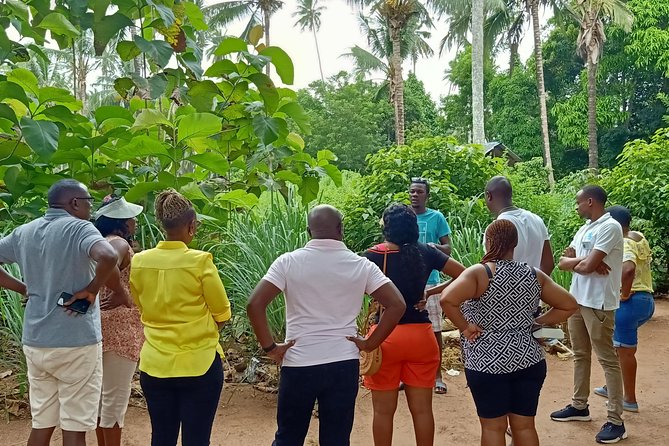
The walking part is the heart of the experience. You’ll move through the farm and your guide will explain what you’re seeing—how spices, herbs, and tropical fruit grow and how they’re used. It’s structured like a guided stroll, not a long trek. You’re meant to slow down enough to notice details.
Here’s what you should expect the guide to point out and connect to everyday cooking:
- Clove, cinnamon, nutmeg, nutmeg, and vanilla (often recognized by smell more than looks)
- Turmeric and black pepper, which people use constantly in home cooking
- Cardamom and lemongrass, both familiar in Zanzibar-flavored tea and dishes
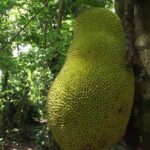
- Coconuts, papaya, jackfruit, oranges, mango (and other tropical fruit in the tasting)
- Chili and cassava, showing the wider crop mix beyond “classic spices”
In other words, you’re not only learning spices as one category. You see a broader farm picture: herbs, fruit trees, and crops that belong together in the local food system.
One of the small but real wins here is how interactive it feels. You can ask your guide about Zanzibar as you walk, and you can get answers while you’re still looking at the plants. That reduces the “I heard something interesting, but now it’s gone” problem.
The Portuguese Spice Story: Why Zanzibar Became a Global Flavor Hub
Spice history in Zanzibar isn’t vague. This tour gives you a clear starting point: spices were introduced in the 16th century by Portuguese traders, brought from their colonies connected to South America and India. That historical link is useful because it explains why Zanzibar flavors fit into a larger trading world.
If you like history, you’ll probably enjoy how the story connects to what you’re sampling. It’s one thing to hear that spices moved across oceans. It’s another to smell clove after the guide explains how trade helped these crops take root.
And if you don’t want heavy history, you can still find the core idea helpful. Even a simple fact like the Portuguese connection gives you context for why the farm’s crop list feels so specific. The farm tour turns global trade into something you can recognize with your nose.
Smell, Taste, and Pair: How the Fruit and Spice Tasting Works
The most memorable part of this tour is the tasting. The goal isn’t just to hand you items and say, Try it. The better value comes from how the guide helps you connect a spice with a matching fruit or ingredient, so your brain starts building real flavor links.
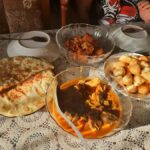
You’ll smell and taste a range of spices and herbs, plus tropical fruit. Based on what the tour offers, you can expect pairings involving items like:
- Coconut (including coconut milk during tasting, as noted in one experience)
- Bananas and mango (also cited in tasting experiences)
- Papaya, jackfruit, oranges
- Chili, turmeric, black pepper, lemongrass, cardamom, and more
That pairing approach is practical. It helps you remember things when you’re later shopping in Stone Town or cooking at home. You’re not just tasting clove. You’re tasting clove as part of a local food logic.
I also like that the tasting fits the tour length. With a 3-hour schedule, you get enough time to try samples and ask follow-ups without feeling dragged through shopping. It’s one of the reasons this works well as a half-day activity that still feels meaningful.
The Spice Stall at the End: What to Expect Before You Spend
Most tours like this end with a shop. This one does too, with a spice stall selling fresh packaged spices. There’s an important practical note: it’s cash only.
Here’s where you should be careful. One review pointed out that the place can feel basic and that the shopping part can feel like a push, including mentions of tipping and higher prices. Another experience warned directly not to buy at the store and said they were disappointed with the shopping value.
So what should you do? Keep the tasting value in mind and treat the stall like optional extras.
My advice:
- If you want spices to take home, go in with a plan and be ready to compare prices elsewhere after the tour.
- If you’re only there for the farm learning and tastings, you can skip purchases without guilt.
- If you do buy, have cash ready so you’re not stuck at the last minute.
This is also a good moment to ask your guide questions about what you’re buying—because the farm walkthrough is where the education really pays off.

Stone Town Pickup to Tangawizi Drop-Off: Logistics That Keep It Simple
This tour is built for convenience. You get hotel pick-up and drop-off, and the meeting point is easy to find: 6 Degrees South, Plot 60, Waterfront Shangani St, Zanzibar. The tour also offers a mobile ticket, so you’re not scrambling for paper.
It’s a private tour/activity, meaning only your group participates. That matters more than people think. A private format makes the Q&A feel natural, especially when you’re asking about spices, Zanzibar culture, or how local ingredients show up in cooking.
Timing is also straightforward. Expect about 3 hours total. The farm portion is around two hours, which keeps the experience focused. You’ll walk, learn, taste, and finish with the stall stop, then return to your meeting point.
If you’re short on time in Zanzibar but still want something hands-on, this hits a sweet spot. It’s not a full day commitment, and it doesn’t feel like you’re spending your time in a vehicle.
How Much Value Is $140 Per Person Really?
At $140 per person, the price is not “cheap snacks in a market.” It’s paying for a guided farm experience plus practical perks: bottled water, guided tour time, fruits and spice tastings, and hotel pickup/drop-off.
Here’s the value logic that makes sense:
- You’re getting education tied directly to a working farm, not just a display.
- You’re getting tastings included, which is usually the part that makes this sort of tour memorable.
- You’re saving time and stress with pickup and return.
What you’re not getting is endless free shopping value. The stall is optional, and based on feedback, it can be tempting to overspend if you feel pushed. So if you’re value-minded, the best approach is to treat the farm and tastings as the main event and keep purchases intentional.
Should You Book? Who This Tour Fits Best (and Who Might Not)
This experience is a great fit if you want a simple, farm-based way to understand Zanzibar spices. It works especially well for people who like hands-on learning and flavor tastings, because the tour is designed around sensory recognition.
It’s also a good choice if you prefer flexibility. Being private means you can slow down for questions or speed through if you’re not into the full history talk.
Who might think twice:
- If you’re sensitive to basic facilities, note that one review mentioned no wash room on site.
- If you dislike shop pressure, remember there’s a stall stop at the end with cash-only purchases and mixed feedback on value.
If that sounds manageable, book it. If you’d rather avoid any shopping dynamic, you can still enjoy the educational farm walk and treat the store as a pass.
FAQ
FAQ
How long is the Zanzibar Spice Farm Tour?
The tour runs for about 3 hours total, with around 2 hours on the farm itself.
Where do I meet for the tour?
The meeting point is at 6 Degrees South, Plot 60, Waterfront Shangani St, Zanzibar, Tanzania.
Is this tour private?
Yes. It’s a private tour/activity, so only your group participates.
What’s included in the price?
Included features are bottled water, a guided spice farm tour, hotel pick-up and drop-off, and fruits and spice tasting.
What kinds of spices and fruit will I taste?
You can expect samples such as clove, lemongrass, nutmeg, cinnamon, turmeric, vanilla, coconut, papaya, chili, black pepper, jackfruit, cardamom, cassava, and oranges, with local fruit tastings included.
Is the farm tour a walking tour?
Yes. It’s a walking tour through the spice farm (shamba).
Do I need admission tickets?
Admission is included for the farm portion of the experience.
Is there shopping at the end of the tour?
Yes. The tour finishes with a stop at a spice stall selling fresh packaged spices.
Can I pay by card at the stall?
The stall is cash only.
Is there a wash room on site?
One review noted there is no wash room available on site.
Is free cancellation available?
Yes. You can cancel up to 24 hours in advance for a full refund.