REVIEW · ZANZIBAR
Zanzibar: Stone Town & Spice Farm Tour with Lunch
Book on GetYourGuide →Operated by Zanzibar Local Experience · Bookable on GetYourGuide
Stone Town plus a spice farm means two Zanzibar moods in one. I like the way the walk through Stone Town connects Arab, Persian, Indian, and European influences to real 19th-century architecture. I also love that the farm is hands-on, with you smelling and tasting spices straight from the plants. One thing to consider: the day runs fast in just 5 hours, so you’ll want comfy shoes and a bit of patience for tight timing.
You get a solid sweep of Stone Town’s landmarks, from the Old Slave Market site and Anglican Church to the House of Wonder (Bait-al-ajab) and the Old Fort area. Then you shift gears to a working organic farm where the guide explains how cloves, nutmeg, cinnamon, black pepper, vanilla, and more are grown and used. The only drawback is that the tour includes shopping time at the end, so if you hate markets and side stops, keep your expectations realistic.
Key Points You’ll Care About
- Organic spice farm tastings: touch, smell, and taste spices plus herbs growing right on site
- Fish auction sighting: watch the action at the City Market’s live fish trading
- Stone Town big names: Palace Museum, Old Fort, Tippu Tip, Peace Memorial, and Freddie Mercury’s House
- Coconut moments: try fresh young coconuts picked by a climber, then taste coconut milk made on the farm
- Lunch you can taste: a farm meal that uses what you just learned and sampled
In This Review
- Stone Town From Old Fort to House of Wonder, With Fish Auction Energy
- The City Market and Live Fish Auctions
- Palace Museum and House of Wonder (Bait-al-ajab)
- The Peace Memorial and Natural History Museum Stops That Add Depth
- When You Shift From Stone Streets to a Working Organic Spice Farm
- Why This Part Feels More Authentic Than a Typical Souvenir Stop
- Smell First, Then Taste: What You Actually Do
- Coconut Tree Climbing, Coconut Milk, and a Hands-On Mini Cooking Moment
- Cassava Leaf Harvest and Coconut Milk Making
- Picking Fresh Young Coconuts
- Lunch on the Farm: Food That Matches What You Learned
- Shopping Time After Lunch (Cash Needed)
- Price and Value: What $73 Buys in a Tight 5-Hour Day
- Timing, Transportation, and the Pace You Should Expect
- What to Bring: The Stuff That Makes the Day Easier
- Who This Tour Suits Best
- Names You Might Meet Along the Way
- Should You Book This Stone Town and Spice Farm Tour?
- FAQ
- What is the meeting point for this tour?
- How long does the tour take?
- What are the main Stone Town sights included?
- What happens at the spice farm?
- Is lunch included?
- Do I need cash?
- Is hotel pickup included?
- Is this a private tour?
- Is the tour wheelchair accessible?
- What should I bring or wear?
Stone Town From Old Fort to House of Wonder, With Fish Auction Energy
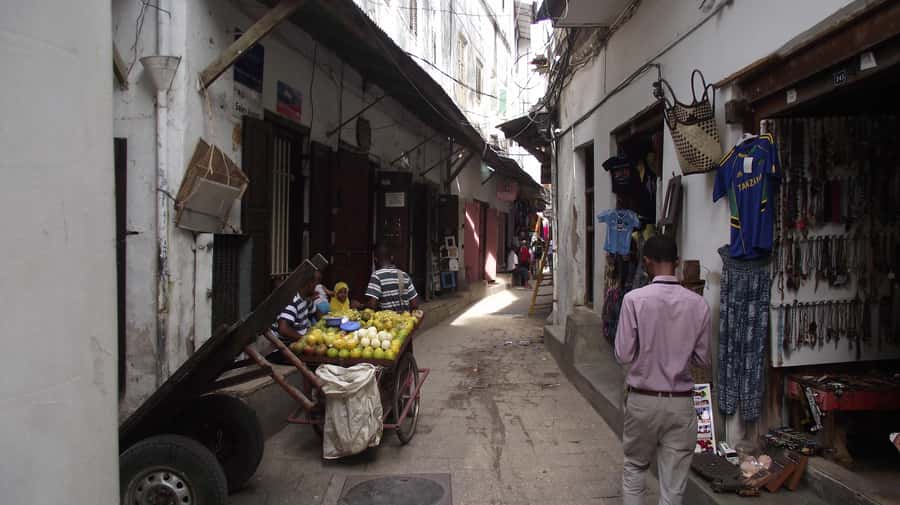
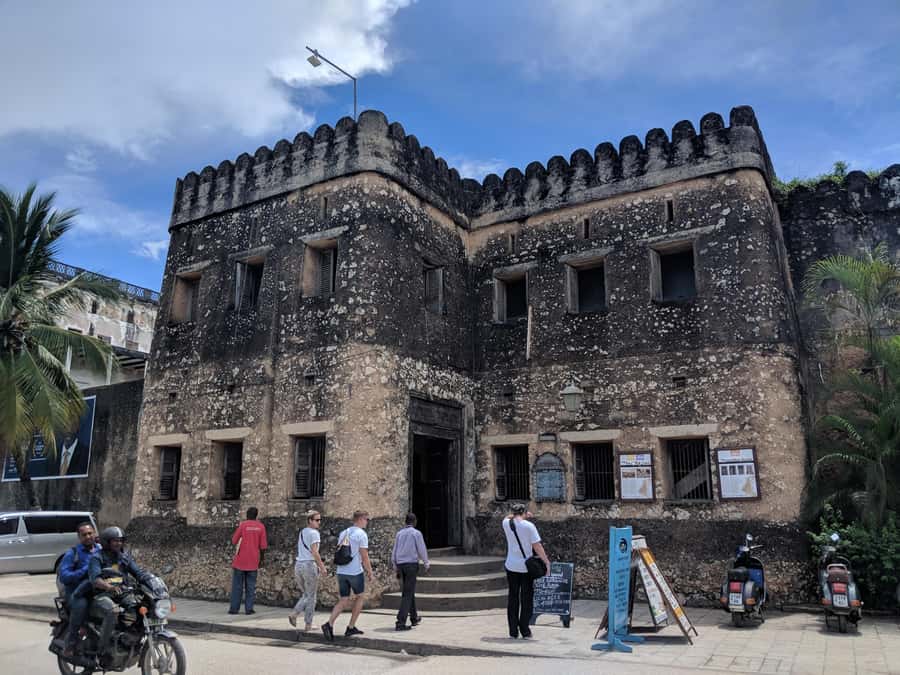
Most people think of Stone Town as pretty streets and photo stops. This tour treats it like a place where history still shows up in everyday life. You start at 9AM in front of the Old Fort on Mizingani Road, and then you begin walking through neighborhoods that tell a layered story of Zanzibar’s Swahili culture—shaped by Arab, Persian, Indian, and European connections.
I really like the first stretch because it sets context quickly. You visit the Old Slave Market site and the Anglican Church, both of which ground the story beyond souvenirs. Then you move into the narrow lanes where the City Market begins to feel like a living workshop: vendors selling fruits and produce, people bargaining, and you seeing how locals actually move through the day.
The City Market and Live Fish Auctions
One standout moment is the fish auction setup at the market. It’s not staged like a show. You get to observe the bustle of live fish trading—an experience that’s practical and human, and it makes the rest of Stone Town feel less like a museum and more like a working port city.
If you’re sensitive to strong smells, early-morning markets can be intense. That said, it’s also one of the most memorable “this is Zanzibar” moments on the route.
You can also read our reviews of more tours and experiences in Zanzibar.


Palace Museum and House of Wonder (Bait-al-ajab)
After the market, the tour shifts into landmark mode. You’ll see key buildings tied to Zanzibar’s past, including the Palace Museum and the House of Wonder, also known as Bait-al-ajab. The House of Wonder is described as the largest and tallest building in town, which matters because it’s an easy way to feel how power and ambition expressed themselves in architecture.
You also stop by major sights like the Old Fort area again in the sightseeing flow, plus Tippu Tip and, yes, Freddie Mercury’s House. If you’re a music fan, this is the face-value stop you expect. If you’re not, it still works as a quick marker of how Stone Town connects global culture to local streets.
The Peace Memorial and Natural History Museum Stops That Add Depth

The route doesn’t only focus on the most famous facades. It includes the Peace Memorial and the Natural History Museum among other attractions. These stops matter because they change the tone of the day from “heritage as buildings” to “heritage as ideas.”
That balance is why I like this tour. A lot of Stone Town walking tours are either all architecture or all pop-culture. Here, you get a more rounded sense of what the town means—especially if you want to leave with more than a stack of photos.
When You Shift From Stone Streets to a Working Organic Spice Farm
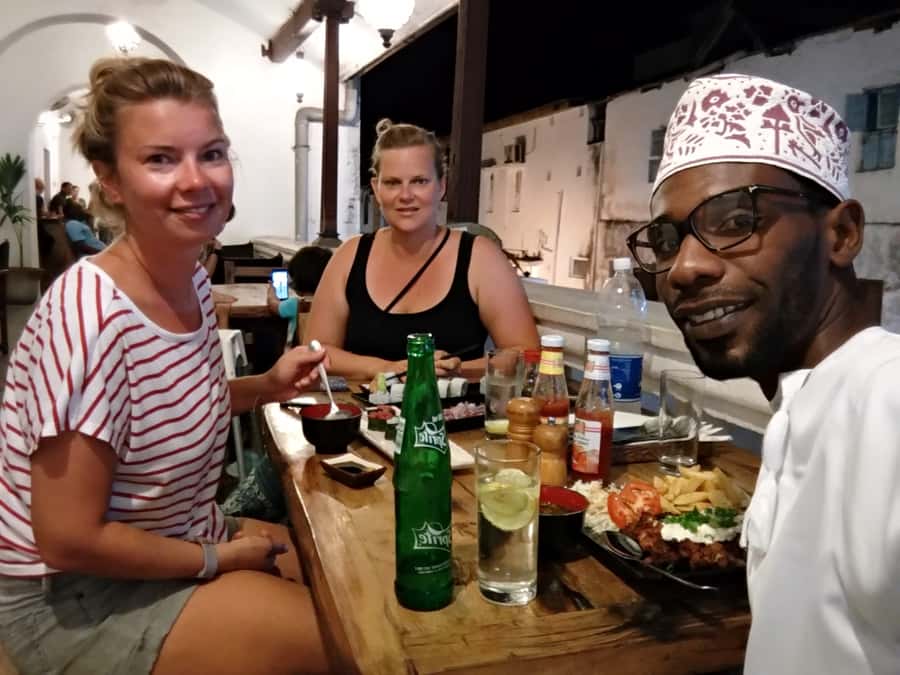
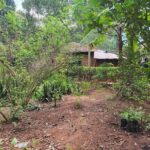
Here’s where the tour wins serious points. The spice portion is designed as a sensory experience. You’re not just looking at spice jars. You’re meeting the plants themselves and learning how Zanzibar’s famous spice industry works in real life.
At the farm, your guide explains how spices are grown and how they’re used as both flavor and medication. You’ll see spices like vanilla, cardamom, nutmeg, and black pepper, and you’ll usually have chances to touch, smell, and taste directly from the plants.
Why This Part Feels More Authentic Than a Typical Souvenir Stop
A spice farm visit can go two ways. It can be a quick walk where everything sounds rehearsed. Or it can feel like a real place where you learn the basics of how the farm functions and why these crops matter to the island economy.
The best feedback here is that the guides manage to make the farm time both practical and fun—especially through tastings and direct plant contact. People also highlight that the guide talks about medicinal uses and cooking applications, not just “what this spice is called.” That’s the difference between a photo farm and a learning farm.


Smell First, Then Taste: What You Actually Do
You’ll get a guided introduction to how spices and herbs grow, and you’ll sample what’s on-site. Expect lots of sniffing before tasting—cloves, cardamom, nutmeg, and more show up as living plants rather than packaged products. This is the moment when your brain connects the smell you’ve had in kitchens your whole life to the actual source plant.
If you’re the type who cooks at home, this portion is especially useful. You’ll come back with a better mental map of what different spice flavors feel like, not just how they sound in a market.
Coconut Tree Climbing, Coconut Milk, and a Hands-On Mini Cooking Moment
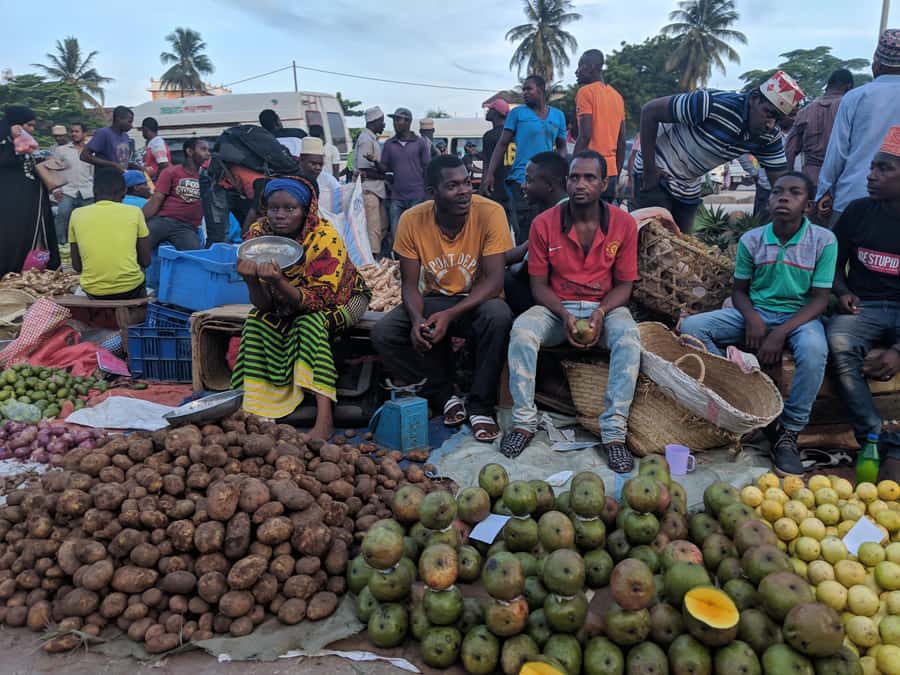
The farm part doesn’t stay theoretical. You get active, lived-in experiences that make Zanzibar’s food culture feel tangible.
Cassava Leaf Harvest and Coconut Milk Making
In the farm session, you may join a cassava leaf harvest and then help make coconut milk. That matters because it ties spices to real ingredients, not just flavoring powders. Learning how cassava leaves are handled and how coconut milk is prepared helps you understand why the local food tastes the way it does.
Picking Fresh Young Coconuts
One of the highlight details: a coconut tree climber picks fresh young coconuts so you can try them. This is the kind of moment that lands well even for people who think they’ve already “done” coconut tasting elsewhere. Here, it’s connected to the farm and harvested specifically for your group’s tasting moment.
If you’re wondering about drinkability: you’ll taste the young coconuts as part of the experience, but you should be prepared for that taste to be distinct from the sweet, thick coconut products you might see at home.
Lunch on the Farm: Food That Matches What You Learned
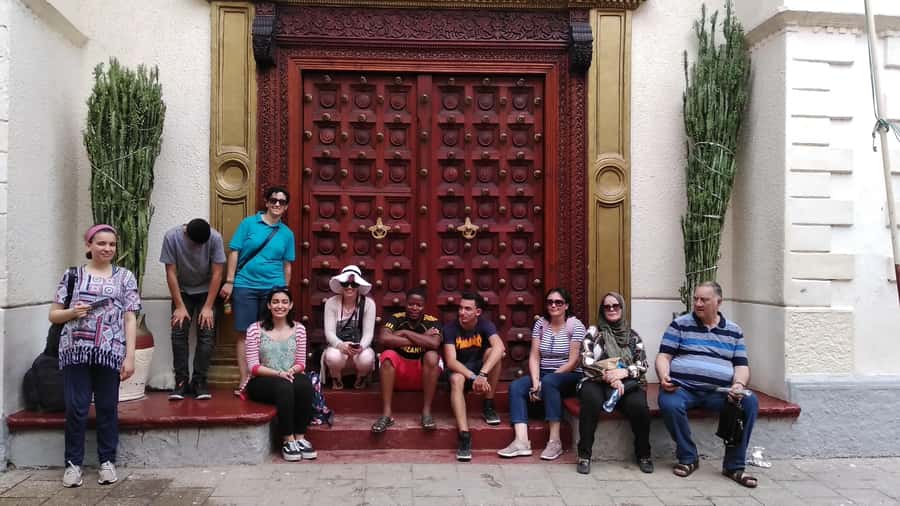
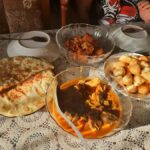
The tour ends the farm segment with lunch at the spice farm. This is one of those quiet value wins. When a lunch is cooked on-site using the ingredients you just sampled, it stops being filler.
You should expect a meal that reflects the farm’s spices and the local approach to cooking. In reviews, people mention the food as surprisingly good and well fed, which is a good sign when a tour is otherwise split between city walking and farm time.
Shopping Time After Lunch (Cash Needed)
You’ll have an opportunity to purchase spices from the farm shop afterward. The big practical note: bring cash. Even a small purchase can feel more meaningful here because you’ve just tasted the spices in context. If you’re buying gifts, this is also the point in the day when you’ll be glad you saved some room in your budget.
Price and Value: What $73 Buys in a Tight 5-Hour Day

At $73 per person for a 5-hour private tour experience, you’re paying for three things at once:
- Two settings: Stone Town sights plus a working organic spice farm
- Guiding time: a private guide plus specialized farm guiding
- Inclusions that add up: entrance fees, lunch, drinking water, and transfers if you select them
Is it cheap? No. But it’s not “pay a lot for nothing” pricing either. This tour has enough concrete stops—Old Fort area, Palace Museum, House of Wonder, fish auction observation, then a sensory spice education with tastings and lunch—to justify the cost for most visitors with limited time.
Where value gets real is in the farm part. Tasting spices and learning how they grow is the kind of experience that’s hard to replicate on your own unless you’re committed to finding a good farm and arranging a guide.
Timing, Transportation, and the Pace You Should Expect
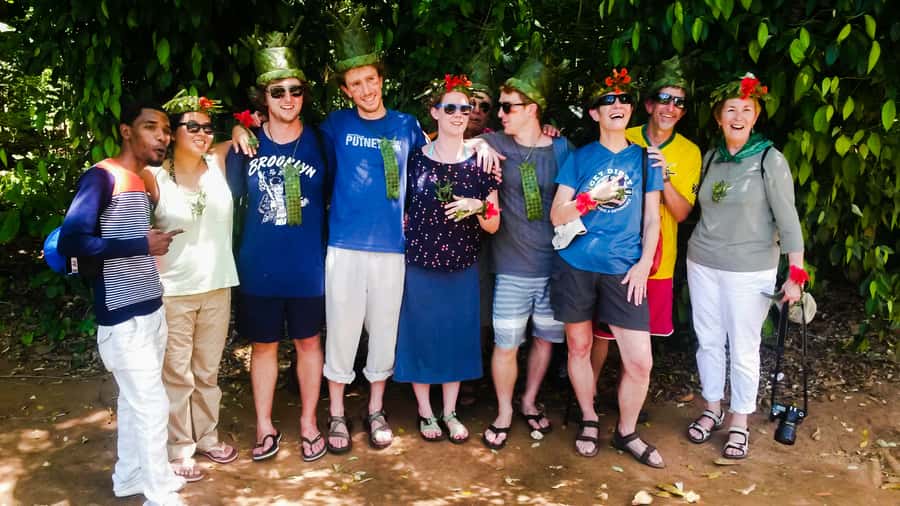
You meet at 9AM in front of the Old Fort. The total time is listed as 5 hours, and reviews suggest the spice farm portion takes roughly 2 to 3 hours, with the Stone Town walking part filling the rest.
That means you’ll likely do one major chunk of the day on the farm and then a guided walking sweep through Stone Town landmarks. You might notice the order varies slightly depending on how the day is routed, but either way, the pace stays active.
Practical tip: treat this as a morning-to-midday plan. If you’re the type who wants to linger for half an hour per stop, you’ll feel rushed. If you prefer a structured overview plus one memorable “hands-on” block, this setup is a good match.
What to Bring: The Stuff That Makes the Day Easier
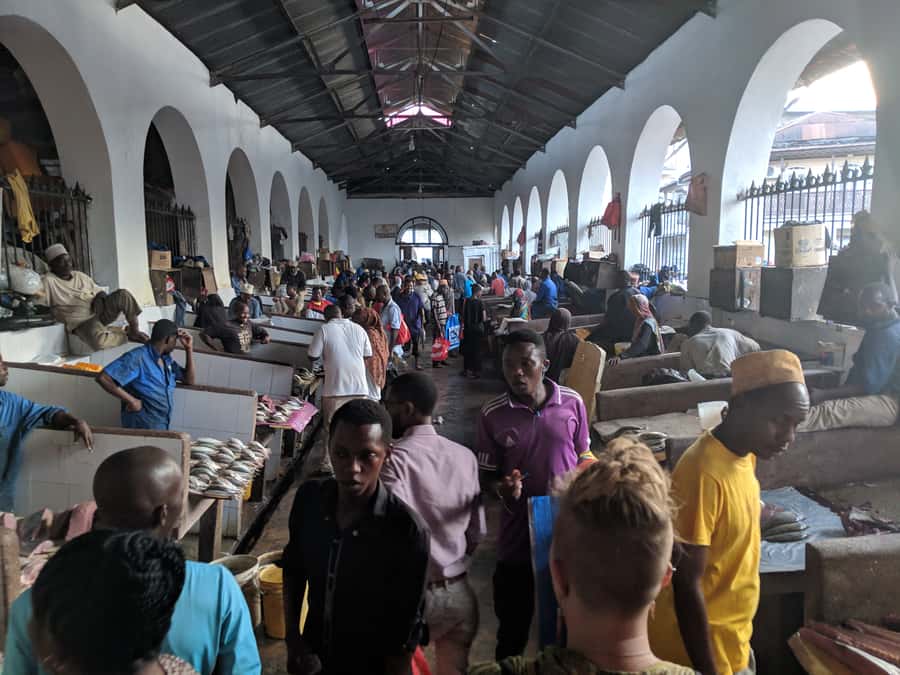
The tour gives you water and includes lunch, but you’ll still want to show up prepared.
Bring:
- Comfortable shoes (Stone Town walking adds up)
- Sunscreen
- Cash for tips and spice purchases
- Leave the large bags and luggage behind if you can (the tour notes they’re not allowed)
From reviews, a recurring practical theme is tipping. A cash tip can matter to guides who spend real effort making the day smooth, especially when there are multiple guides involved during the routing.
Who This Tour Suits Best
This tour fits best if you want:
- A Stone Town overview without piecing together separate guides and transport
- A hands-on spice experience with tastings and food-focused learning
- A time-efficient plan that covers market sights like live fish auctions plus key heritage stops
It’s less ideal if:
- You dislike structured walking with set stops
- You want free-form time to explore Stone Town independently
- You’re very sensitive to market intensity (fish auction areas can be strong and busy)
Names You Might Meet Along the Way
Some tours are forgettable because the humans vanish behind generic roles. Here, you may get to connect with specific guides during the day.
In reviews, drivers like Ahmed are mentioned as punctual and friendly, and walking history guide Juma is noted for knowing Stone Town history well. On the farm, guides like Beka are singled out for making spice growing and use feel clear and worth the time. If you get these same guides, you’ll likely appreciate their energy and the way they manage both explanations and tastings.
Should You Book This Stone Town and Spice Farm Tour?
I think you should book if you’re doing Zanzibar with limited time and you want a day that blends iconic Stone Town stops with a farm that actually teaches through your senses. The best reason to choose this one is simple: the spice farm portion is hands-on—touch, smell, taste—and it feeds into lunch so the learning sticks.
Skip it (or at least adjust expectations) if you hate tight schedules or you want Stone Town as slow personal wandering. Stone Town is best when you can take your time; this tour gives you breadth rather than deep free time.
If your priority is “the highlights plus one memorable immersive experience,” this one is a strong bet. Just bring cash, wear good shoes, and plan for a busy but rewarding 5 hours.
FAQ
What is the meeting point for this tour?
You meet in front of the Old Fort in Stone Town on Mizingani Road, Zanzibar at 9AM, where a representative will be waiting.
How long does the tour take?
The tour duration is 5 hours.
What are the main Stone Town sights included?
You’ll visit key Stone Town locations such as the Old Slave Market site and Anglican Church, the Palace Museum, the House of Wonder (Bait-al-ajab), the Old Fort, Tippu Tip, Freddie Mercury’s House, plus the Peace Memorial and the Natural History Museum.
What happens at the spice farm?
You learn about how Zanzibar produces spices like cloves, nutmeg, cinnamon, and black pepper, see spices growing on an organic spice farm, and get opportunities to touch, smell, and taste spices and herbs. You may also join a cassava leaf harvest, make coconut milk, practice cooking, and taste fresh young coconuts picked by a climber.
Is lunch included?
Yes. Lunch is included as part of the spice farm portion.
Do I need cash?
Yes. The tour notes cash is needed, especially for buying spices at the farm shop, which is cash only. Reviews also mention tipping with cash.
Is hotel pickup included?
Hotel transfers are optional. If you select pickup, it is available in front of your hotel.
Is this a private tour?
Yes, it’s described as a private tour with a private guide.
Is the tour wheelchair accessible?
The information provided includes wheelchair accessibility, but it also notes it is not suitable for wheelchair users. You should check this directly before booking based on your specific needs.
What should I bring or wear?
Wear comfortable shoes and bring sunscreen. Bring cash as well, and avoid bringing luggage or large bags.