REVIEW · ZANZIBAR ARCHIPELAGO
Zanzibar:Stone Town & Spice Farm Private Tour Lunch Included
Book on GetYourGuide →Operated by ZANFAA TOURS AND TRAVEL · Bookable on GetYourGuide
Spices and history in one tight day. I like the hands-on spice tasting at a real Zanzibar farm and the smart Stone Town guiding, with names like Kassim, Omar, Abdul and friendly drivers such as Rama coming up for their knowledge and patience. One thing to plan around: Stone Town is a compact walk and the House of Wonders is currently under renovation, so you may not see it at its full best.
This is a good pick when you want two Zanzibar highlights in one half-day: learning how spices grow and then walking the streets of UNESCO Stone Town. You’ll get a Swahili lunch made from farm ingredients, fruit samples, and a guided route that hits the Old Fort, Forodhani Gardens, and the Old Slave Market site.
Because you’ll be on foot in sun and narrow lanes, comfortable shoes and a hat matter. And if you have food allergies, this one may not work for you.
In This Review
- Key things that make this tour worth your time
- From your hotel to the spice farm: how the private van shapes the day
- The spice farm walk: scent, samples, and what you learn on the ground
- Tropical fruit tastings and the spice shop you’ll actually want to visit
- Lunch at the farm: a Swahili meal tied to the ingredients you just learned
- Stone Town walking route: how the guide turns lanes into stories
- Forodhani Gardens and the Old Fort (Portuguese build)
- The House of Wonders: go with flexible expectations
- The Old Slave Market site: the heavy stop that deserves your full attention
- Price and value for $46: what you’re really paying for
- What to bring, and the rules that keep the farm safe
- Who should book this tour, and who should skip it
- Should you book this Zanzibar private Stone Town and spice farm tour?
- FAQ
- How long is the Zanzibar Stone Town and spice farm private tour?
- Is this tour private?
- What food is included during the tour?
- Which places in Stone Town are part of the guided visit?
- Do you visit the Old Slave Market site?
- Where can the van pick you up and drop you off?
- What languages are available for the guide?
- Is the tour suitable for people with food allergies or mobility impairments?
- What should I bring, and are there any rules about the farm?
Key things that make this tour worth your time

- Spice farm tastings: smell and taste spices like cinnamon, vanilla, nutmeg, lemon grass, cloves, plus ginger and black pepper
- Real farm learning: you’ll get a guided walk through spice cultivation and the farm’s history
- Swahili lunch in the right place: you eat on-site with flavors tied to the farm’s fresh fruits and spices
- Stone Town highlights on foot: Old Fort (built by the Portuguese), Forodhani Gardens, Arab Sultan’s Palace, and Freddie Mercury’s birth house
- A serious, specific stop: the Old Slave Market historical site with the Anglican Church and slave monuments
- Guides that adjust to you: some guides, like Kassim and Omar, are noted for tailoring the pace and focusing on what you care about
From your hotel to the spice farm: how the private van shapes the day
This tour is built around a simple rhythm: you’re picked up from one of many Zanzibar beach areas or Stone Town, then you ride by private van to the spice farm. The van time is about an hour each way, so you’re not spending your morning hunting down transport or arguing with schedules.
I like that the pickup options are broad. That means this tour fits both people staying on the east coast (places like Paje/Jambiani) and those on the north (like Nungwi/Kendwa), not just guests located near Stone Town. And since it’s private, you’re not tied to a big bus load or delayed by a slow group.
Practical note: you’ll be in the sun. Even if you’re only out for part of the day, Zanzibar heat can sneak up fast, so plan light clothing, a hat, and sunscreen.
You can also read our reviews of more tours and experiences in Zanzibar Archipelago.

The spice farm walk: scent, samples, and what you learn on the ground
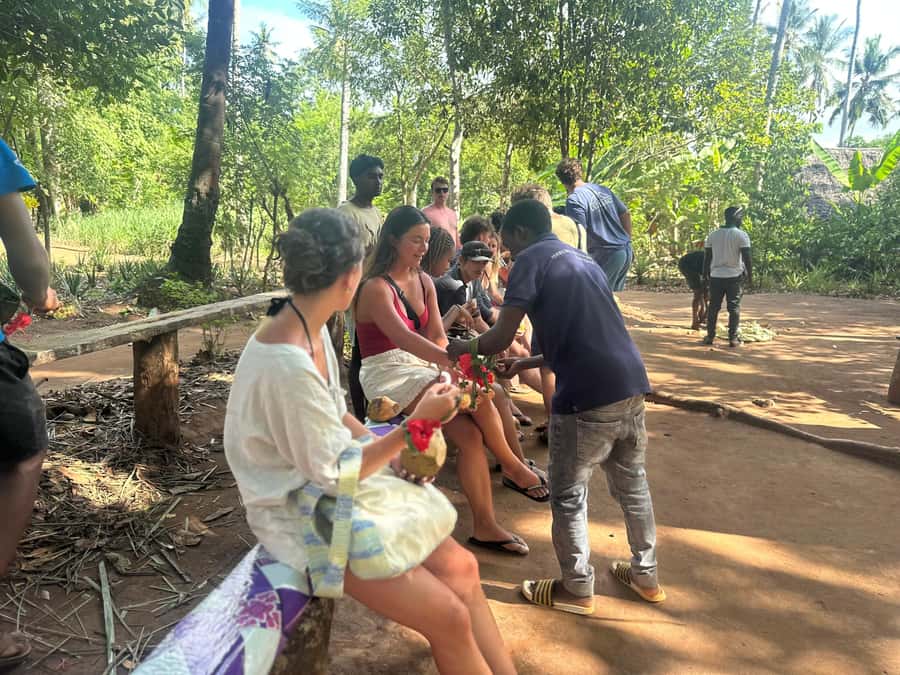
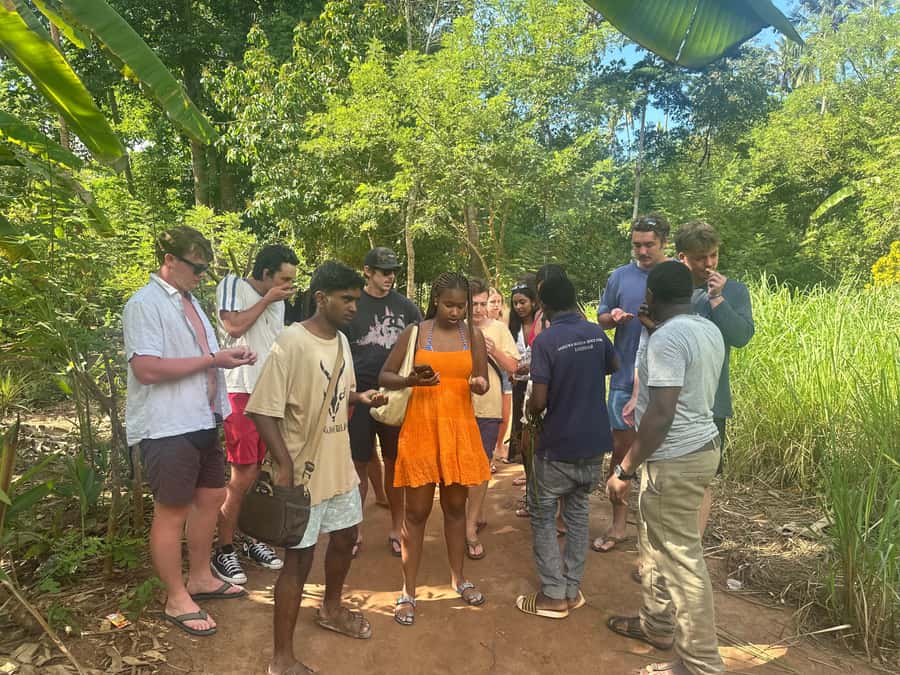
The spice farm portion is the star for your senses. You start with a short photo stop, then join a guided walk through the farm where you’ll learn how Zanzibar grows a range of spices and fruit. Expect a guided pace rather than a quick look-see, with time to stop, ask questions, and connect names you’ve heard (like cloves or nutmeg) to the plant itself.
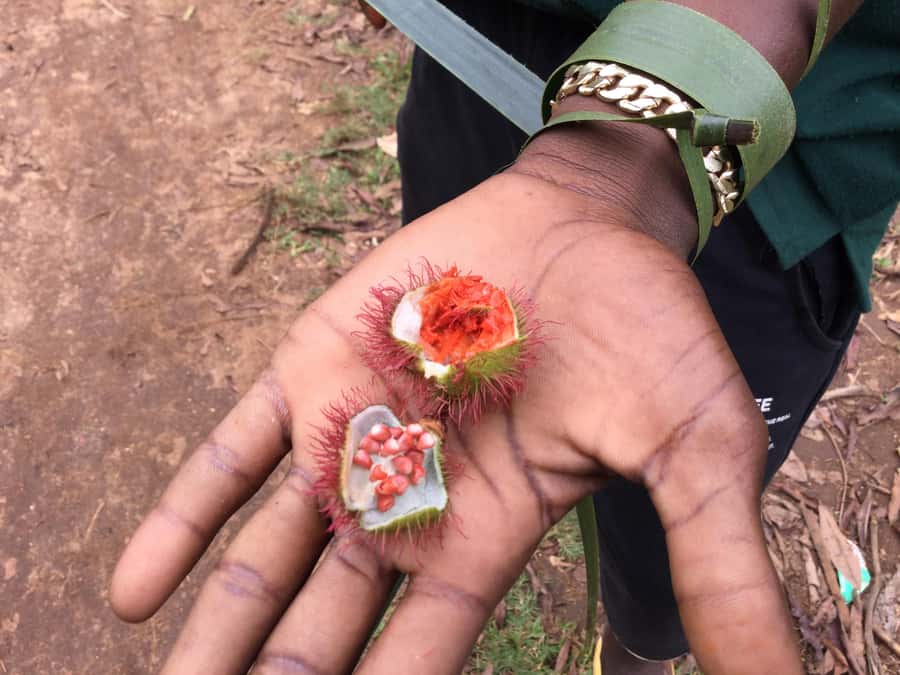
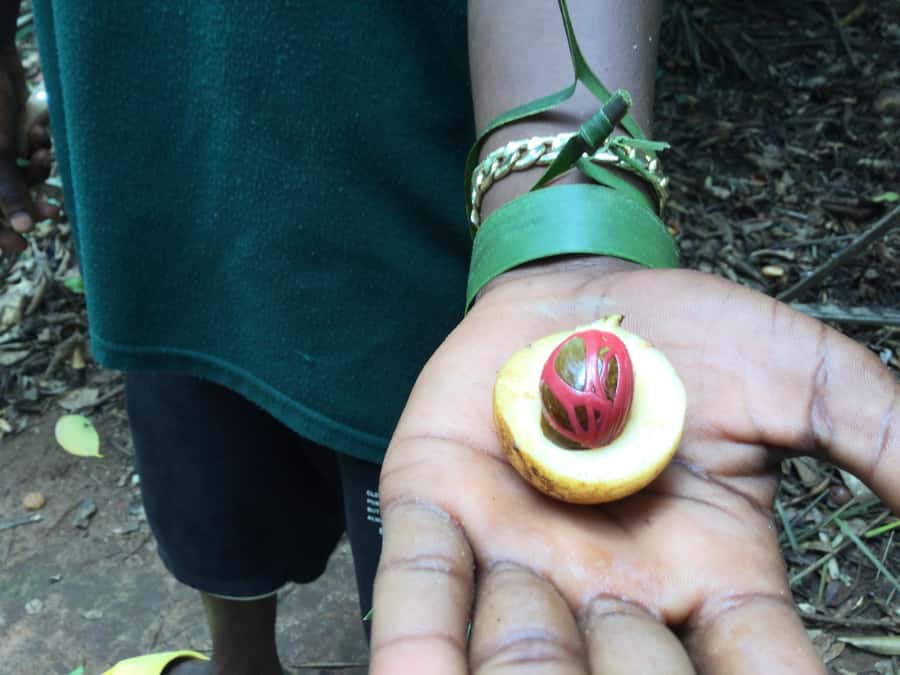
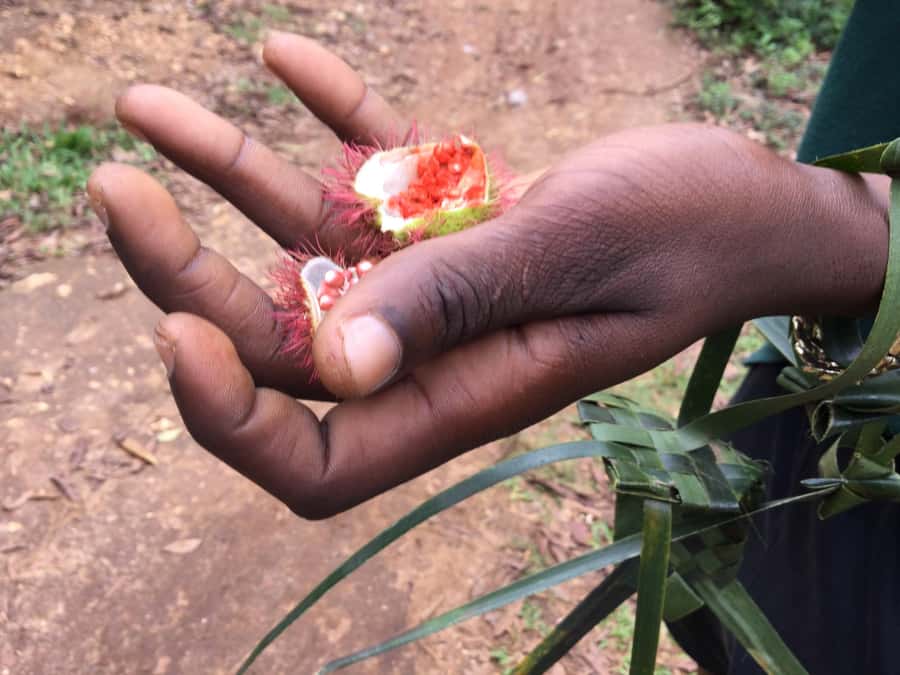
You’ll encounter spices such as cloves, nutmeg, cinnamon, ginger, black pepper, and you’ll likely see fruits growing too, like bananas and pineapple. The tour also focuses on how these spices were established on the islands and how production works day to day. That context matters because Zanzibar isn’t just a place with spice shops—it’s a place where cultivation is the story.
Your senses get a workout. The experience is designed so you can smell and taste spices, and in the farm walk portion you may also handle what the guide points out. There’s also an explicit rule that you shouldn’t touch plants, so treat that as the real safety boundary. In practice, follow your guide’s directions closely; don’t go wandering around with hands-on curiosity.
If you love food facts, this is where the tour earns its keep. You’ll get a hands-on sense of what makes these aromas different, not just a lecture. And that makes the shopping stop way more meaningful later.
Tropical fruit tastings and the spice shop you’ll actually want to visit
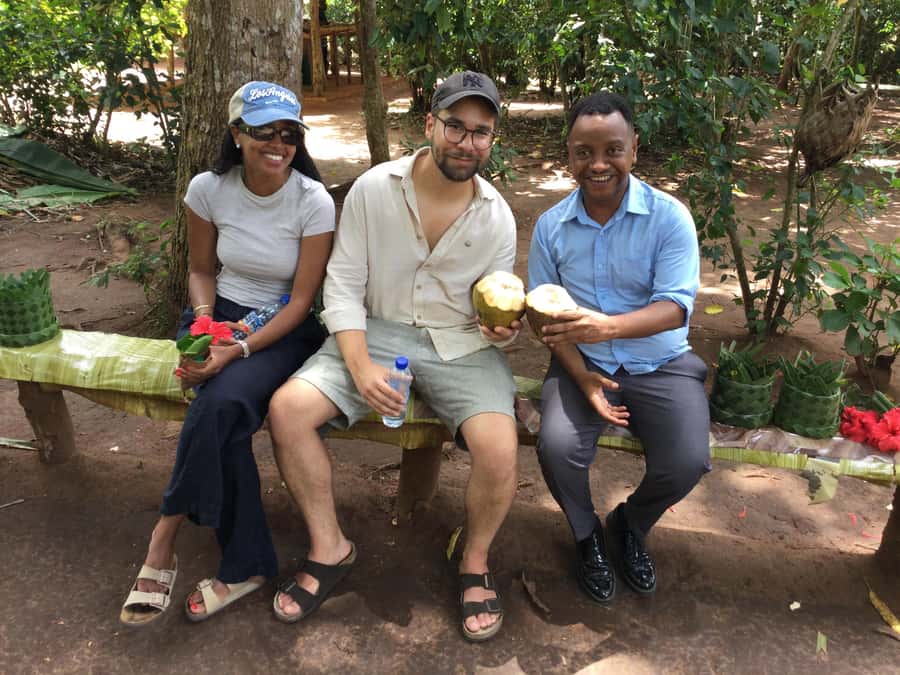
The fruit portion is more than a token sample. You’ll taste tropical fruits such as watermelon, red banana, yellow banana, pineapple, mangoes, and oranges. It’s a nice break from spices that can get heavy, and it also helps you understand how the farm blends spice cultivation with everyday fruit growing.
After the walk, you’ll visit the farm’s spice shop. This is where the tour turns into shopping without being pushy. You’ll see handcrafted products made directly from the spices you just encountered, and you can purchase the ones you like. Because you’ve already smelled and sampled, you’re buying with confidence instead of guessing from packaging.
A small tip: bring a camera and be ready for close-up moments. A spice farm is the kind of place where the details stick better when you can record what you tasted and saw.
Lunch at the farm: a Swahili meal tied to the ingredients you just learned
Lunch is included and it’s not an afterthought. You’ll get a Swahili meal prepared with the fresh spices and fruits from the farm. Several guides are known for doing this well, and the meal tends to feel both filling and connected to the day.
What I like about this setup is timing. You eat right after the farm learning portion, so the flavors still feel fresh and relevant. And since it’s part of the included package, you don’t have to negotiate for food on the fly or worry about wasting time finding a restaurant.
Two planning notes:
- The tour is not listed as suitable for people with food allergies, so if that’s you, you’ll want to double-check before booking.
- You’ll likely be thirsty after time in the sun. Water is recommended to bring, even though lunch is included.
Stone Town walking route: how the guide turns lanes into stories
After lunch, you head toward Stone Town, a UNESCO World Heritage Site. You’ll be on foot with a guided route designed to cover a lot without feeling like a race. Expect narrow streets, old 19th-century architecture, and the layered influences that shaped Zanzibar—Swahili, Arab, Indian, and European.
Your guided Stone Town portion includes stops like Forodhani Gardens, the House of Wonders (currently undergoing renovation), the Arab Sultan’s Palace, the Old Fort, and the house where Freddie Mercury was born. You also get time for the City Market area and a fish auction moment.
Here’s why that matters for your experience: Stone Town can be overwhelming when you’re alone. With a guide, the sights connect. You start seeing patterns—where power sat, where trade happened, what the architecture hints at, and how daily life still plays out in the market.
Also pay attention to how guides can tailor the walk. Some guides are noted for speaking French very well and for adjusting to your interests, which can make the difference between memorizing facts and actually understanding the town.

Forodhani Gardens and the Old Fort (Portuguese build)
Forodhani Gardens gives you a sense of where people gather and how the waterfront space fits into daily culture. Then you’ll hit the Old Fort, built by the Portuguese. That Portuguese connection gives the fort a sharper identity than a generic fort visit—it’s a reminder that Zanzibar’s history is shaped by many incoming waves.
If you like architecture and signage details, this is where you’ll benefit from a guide who pauses and explains what you’re looking at.
The House of Wonders: go with flexible expectations
One honest consideration: the House of Wonders is undergoing renovation. That means you might not see everything as you hoped. The stop is still part of the tour, but plan for the fact that the experience could be more about the surrounding context than a full interior-style viewing.
In other words: don’t book this expecting a spotless, fully functioning museum moment. Bring curiosity, not certainty.
The Old Slave Market site: the heavy stop that deserves your full attention
The Old Slave Market historical site is one of the tour’s most important components. The route takes you near the Old Slave Market area and includes the Anglican Church, plus the slave monuments and small, stark slave chambers.
This isn’t the kind of stop you breeze through. The value here is the guided framing: you learn what the monuments represent and how the site connects to the wider story of the island. It’s a hard subject, but it’s also part of why Stone Town matters.
I’d treat this as a moment to slow down mentally. Take a few minutes, stand back when you need to, and don’t try to cover every detail in one pass.
If you want extra museums afterward, you may find Stone Town doesn’t give you unlimited time for optional add-ons. That’s not a flaw—it’s just the reality of a tight half-day.
Price and value for $46: what you’re really paying for
At $46 per person for a 3–6 hour private experience, the value comes from package coverage, not from a single star attraction. You’re getting:
- hotel pickup and drop-off by private van
- private guided time at a spice farm, including fruit tastings
- a Swahili lunch at the farm
- a private guided Stone Town walk
- entrance ticket to the Old Slave Market historical site
If you were to piece this together yourself, you’d spend time coordinating transport and booking separate guides. Here, the schedule is handled and the guide does the heavy lifting by connecting the stops.
The biggest reason this price feels fair is that you’re not just seeing places—you’re tasting and learning in between. That combination costs more time and effort than a “drive-by photo tour,” and that’s exactly what you’re buying.
What to bring, and the rules that keep the farm safe
This tour is simple to prep for. Bring:
- comfortable shoes for walking
- a hat and sunscreen for sun protection
- camera
- water
- insect repellent
And follow the farm rules. The tour information explicitly says touching plants isn’t allowed, so keep hands to yourself unless your guide directs otherwise for a specific spice or sample.
Light, breathable clothing helps. Stone Town lanes and the farm heat can feel different from beach weather, even on the same day.
Who should book this tour, and who should skip it
This tour is best for you if you want:
- a guided introduction to both spices and Stone Town
- a private format without the stress of planning transport
- lunch and fruit tastings included
- a serious guided stop at the Old Slave Market site
Skip or rethink if:
- you have food allergies, since the tour isn’t listed as suitable
- you have mobility challenges, since the tour is not listed as suitable for people with mobility impairments (even though it’s marked wheelchair accessible—this mismatch is worth asking about directly)
If you’re doing Zanzibar for the first time, this is also a nice way to get your bearings fast. You leave with a sense of how spices shaped Zanzibar and how Stone Town evolved into a crossroads.
Should you book this Zanzibar private Stone Town and spice farm tour?
Yes, if your goal is a balanced half-day that uses a guide to turn history into something you can actually follow—and you want spice tastings plus a proper lunch without extra planning.
Book it with the right mindset:
- expect a guided walk pace, not a long museum day
- know the House of Wonders is under renovation
- bring sun protection and comfortable shoes
- only book if you can eat the included lunch safely
If you want a one-day Zanzibar sampler that still includes the heavy parts (Old Slave Market) and the sensory fun (spices and fruit), this private setup is an easy yes.
FAQ
How long is the Zanzibar Stone Town and spice farm private tour?
The duration is listed as 3 to 6 hours, depending on starting times and the day’s logistics.
Is this tour private?
Yes. It’s offered as a private tour with private guided components for the spice farm and Stone Town.
What food is included during the tour?
You get a local Swahili lunch at the spice farm, and you also get tastings of Zanzibar’s fresh tropical fruits.
Which places in Stone Town are part of the guided visit?
The guided Stone Town portion includes Forodhani Gardens, the House of Wonders (currently undergoing renovation), the Arab Sultan’s Palace, the Old Fort, and the house where Freddie Mercury was born.
Do you visit the Old Slave Market site?
Yes. The Old Slave Market historical site is included, and there is an entrance ticket included for that visit.
Where can the van pick you up and drop you off?
Pickup and drop-off are available across many Zanzibar locations, including beach areas and Stone Town. The tour lists numerous pickup/drop-off options such as Nungwi, Kendwa, Paje, Jambiani, Kizimkazi, and Stone Town itself.
What languages are available for the guide?
The live guide can be English, French, German, Polish, Arabic, Spanish, Italian, Swahili, Portuguese, or Afrikaans.
Is the tour suitable for people with food allergies or mobility impairments?
No. The tour is listed as not suitable for people with mobility impairments and also not suitable for people with food allergies.
What should I bring, and are there any rules about the farm?
Bring comfortable walking shoes, a hat, camera, sunscreen, water, and insect repellent. Touching plants is not allowed, so follow your guide’s directions.