REVIEW · ZANZIBAR ARCHIPELAGO
Zanzibar: Spice Farm Tour with Traditional Cooking Class
Book on GetYourGuide →Operated by Zanturtle Explore Tours and Safaris · Bookable on GetYourGuide
Spice smells start before you even sit down. On this Zanzibar spice farm tour, I love the way you taste and recognize spices by scent, then translate that into food. The Swahili cooking class is the real payoff because you cook and eat what you learned. One thing to consider: this kind of tour often comes with repeated requests for tips along the way, so decide your plan before you go.
You’ll get hotel pickup from Stone Town (or other Zanzibar hotels), a guided farm walk with lots of samples, then a cooking session that turns the whole experience into lunch. Expect a friendly guide team and a private setup, but also a “tour format” farm layout—smaller than a working plantation, with multiple stops designed for visitors.
In This Review
- Key Highlights (What You’ll Remember)
- Getting to Jambo Spice Farm Dole from Stone Town
- The Spice Farm Walk: Smell, Taste, and Actually Learn the Plants
- Harvesting Vegetables and Spices: Get Ready to Participate
- Cooking a Traditional Swahili Meal: Old Tools, Real Skills
- Lunch with Tropical Fruit: Eat What You Learned
- Shopping Spices and Buying Fruit: What to Expect (and How to Decide)
- Price and Value: Is $61 Worth 5 Hours?
- Practical Expectations: Tipping Requests and Bathroom Reality
- Best Fit: Who This Zanzibar Spice Tour Works For
- Should You Book This Zanzibar Spice Farm and Swahili Cooking Class?
- FAQ
- FAQ
- How long is the spice farm tour and cooking class?
- Where does pickup happen?
- Is the group private?
- What languages are the live guides available in?
- What will I do during the spice farm part?
- What will I cook, and is lunch included?
- What should I bring with me?
- Are fees and entrance charges included?
- Can I get a refund if I cancel?
Key Highlights (What You’ll Remember)
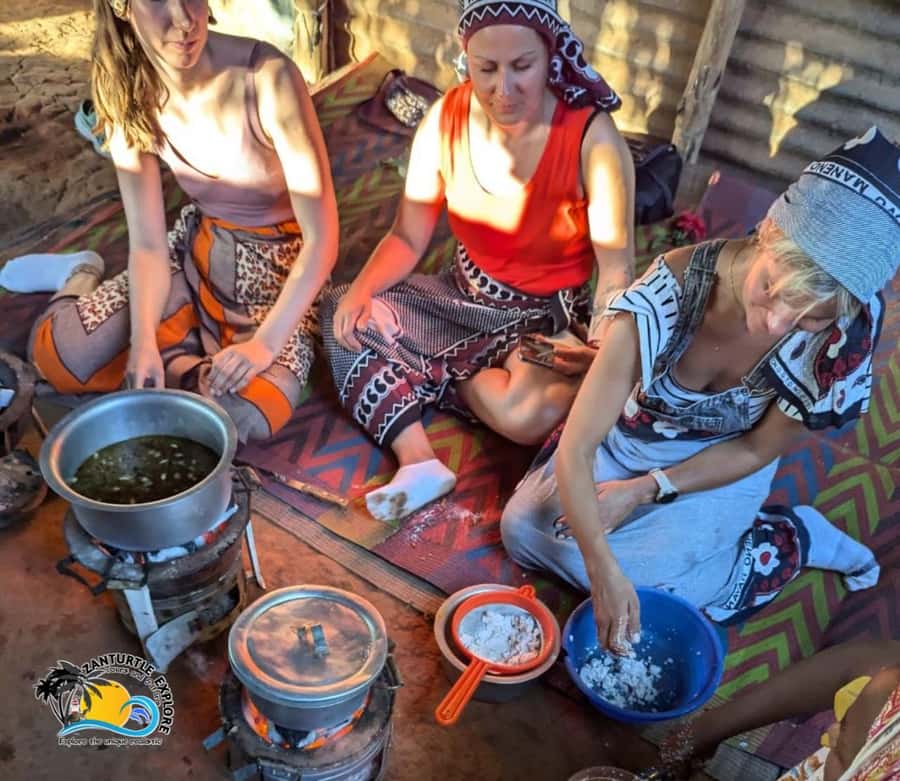
- Scent-based spice tasting: cinnamon, vanilla, nutmeg, lemongrass, cloves, and more, plus herbs used in cooking and everyday life
- Hands-on harvesting: you pick vegetables/spices and then cook with what you harvested
- Swahili meal cooking class: old-school cooking style, with a local chef and practical instruction
- Fresh tropical fruit sampling: mango, passion fruit, avocado, papaya, local grapefruits, bananas, pineapple, and more
- Traditional music and dance: included as part of the farm-day experience
- Bring-home shopping: you’ll have time to buy spices and fruits after tasting
Getting to Jambo Spice Farm Dole from Stone Town
This trip is built around one long, simple idea: trade city time for spice time. Pickup happens from either Stone Town or your own Zanzibar hotel (meet in the lobby or reception). If you’re in Stone Town, the van transfer is about 1 hour each way, so your day has travel built in, not just a quick stop.
That matters because the tour itself is about 5 hours total, which means your schedule feels like a tight, food-focused loop: drive out, farm activities, cook and eat, then drive back. In hot Zanzibar weather, I’d treat this as an active day. Comfortable shoes and water are not optional. You’ll be standing, walking, and moving around the farm.
Also note the private group setup. It’s not a huge roaming mob, so the guide can keep explaining while you’re sampling and answering questions. That said, the farm experience is clearly designed for visitors, so the pacing at each stop is structured.
You can also read our reviews of more tours and experiences in Zanzibar Archipelago.


The Spice Farm Walk: Smell, Taste, and Actually Learn the Plants
On arrival at Jambo Spice Farm Dole, your day starts with a guided tour that focuses on identification by senses. It’s not just looking at plants. You’ll smell spices and herbs, then taste them, and learn what they’re used for.
You can expect to encounter a long list of aromatic ingredients, including cinnamon, vanilla, nutmeg, lemongrass, cloves, plus others like ylang-ylang, cumin, ginger, pepper, tamarind, and chili. The guide approach includes little guessing moments—so it feels like play, not a lecture.
The most useful part here is the connection between spice and food culture. Zanzibar’s cuisine is shaped by centuries of trade and coastal cooking, and that shows up in how spices are used day-to-day: not as fancy garnish, but as building blocks for flavor. You’ll also get explanations of culinary and medicinal uses, which helps you understand why these plants matter beyond the tourist brochure.
One practical note: this is a walking tour. If you don’t love uneven paths in sandals, wear closed shoes. You’re also going to want your camera ready—spice farms are photogenic, and you’ll want proof you didn’t just smell cinnamon for the fun of it.
Harvesting Vegetables and Spices: Get Ready to Participate
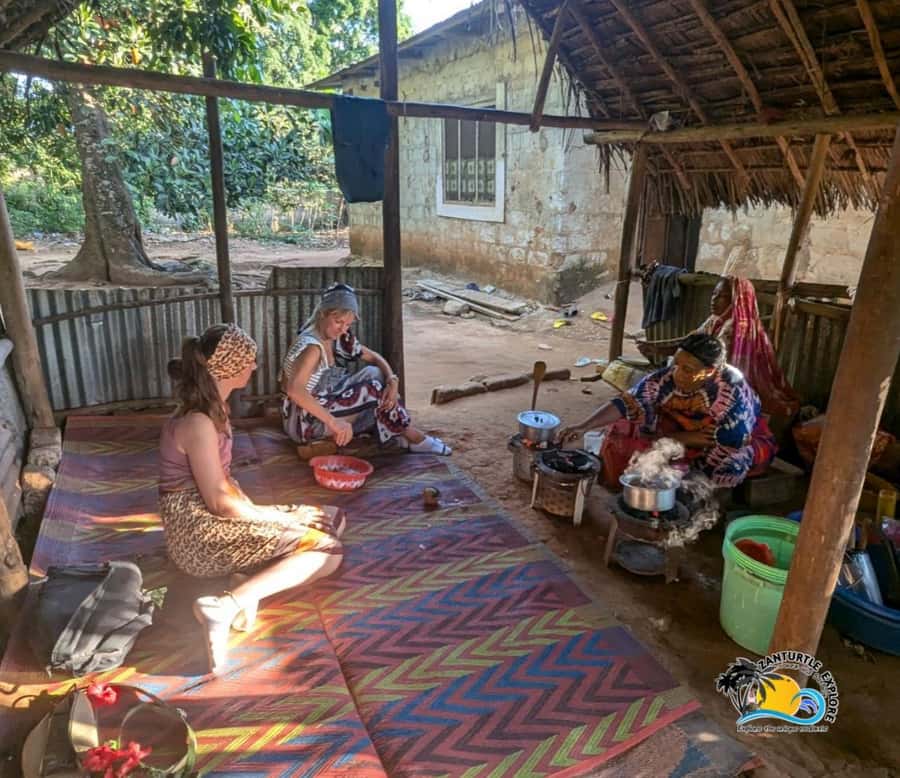
This isn’t a sit-and-watch class. You’ll harvest vegetables and spices as part of the experience. The idea is simple: when you pick the ingredients yourself, you remember them. You also get a clearer sense of what goes into a meal—fresh herbs and spices aren’t abstract here.
I like this structure because it makes the cooking class feel earned. Before you touch any cooking tools, you’ve already handled the raw materials. It turns the lesson into something you can repeat later when you’re shopping for spices back home.
Expect to be guided through what to pick and when, and then you move back to the cooking area. Be prepared to participate—this is not only observation. If you’re traveling with kids, this kind of activity can be a big win because it gives them a job to do and keeps them busy, not just watching.
Cooking a Traditional Swahili Meal: Old Tools, Real Skills
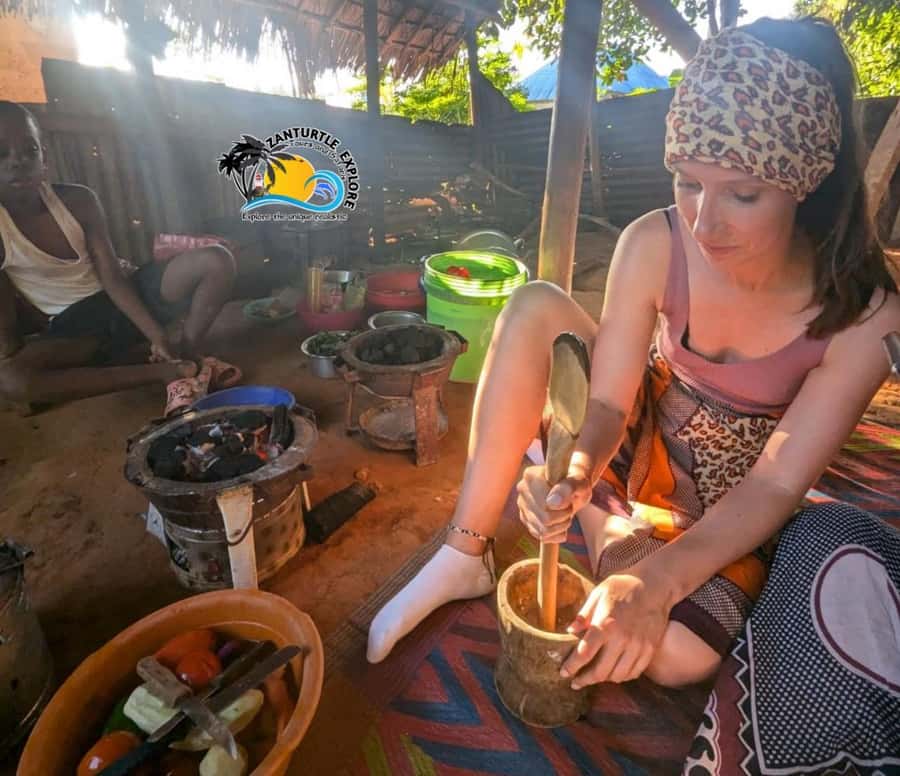
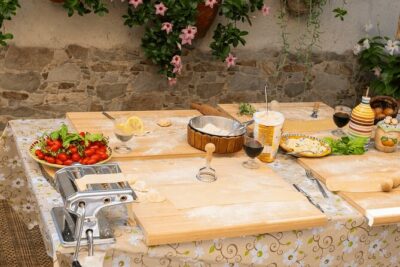
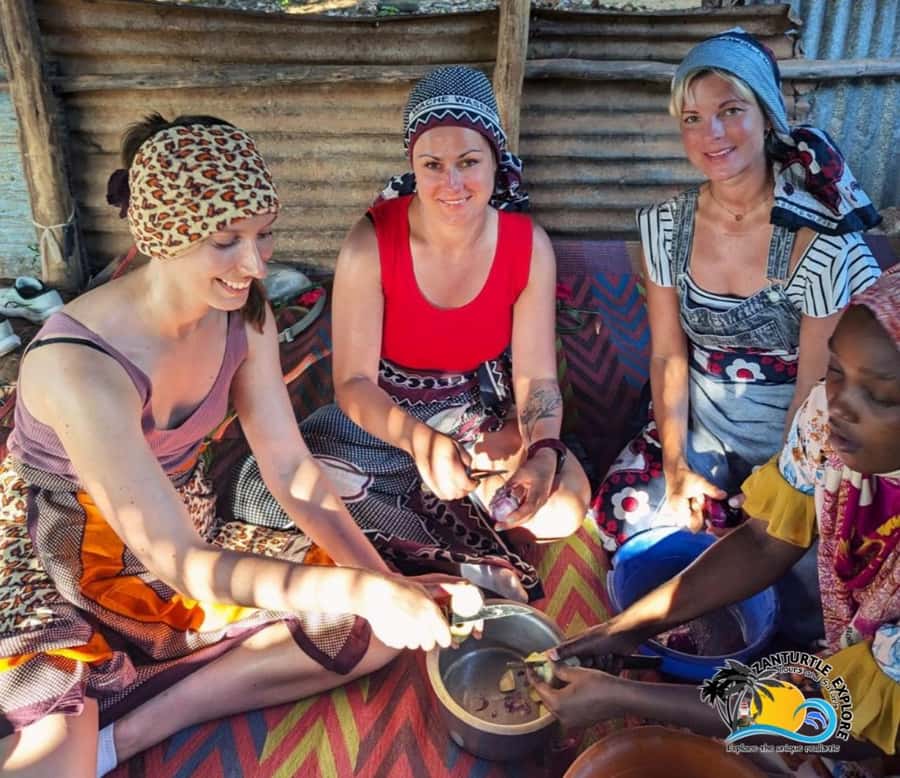
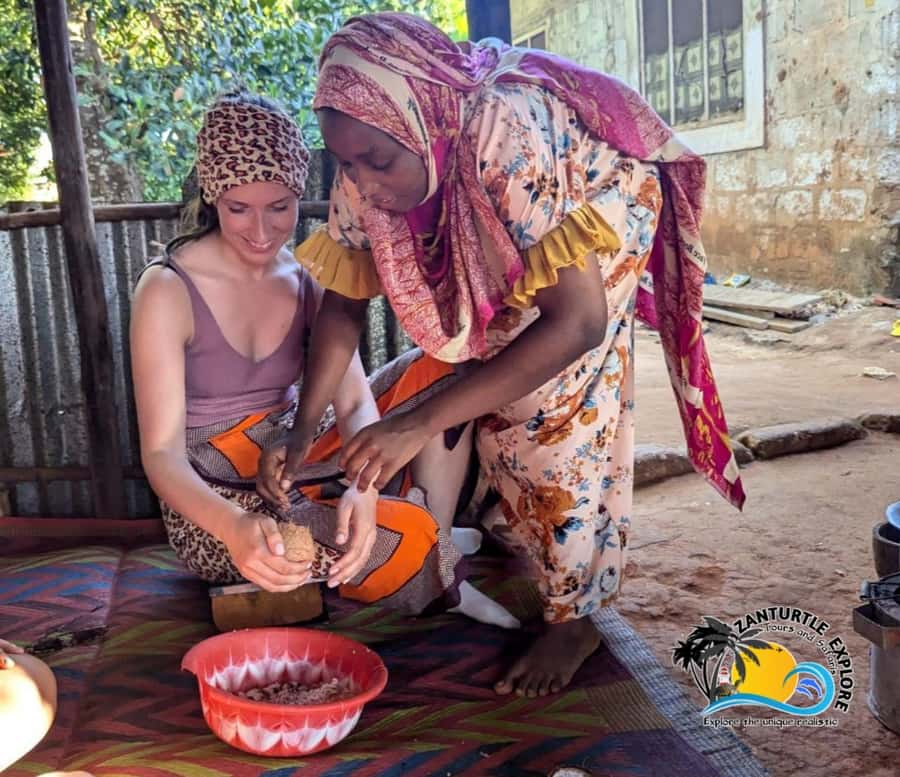
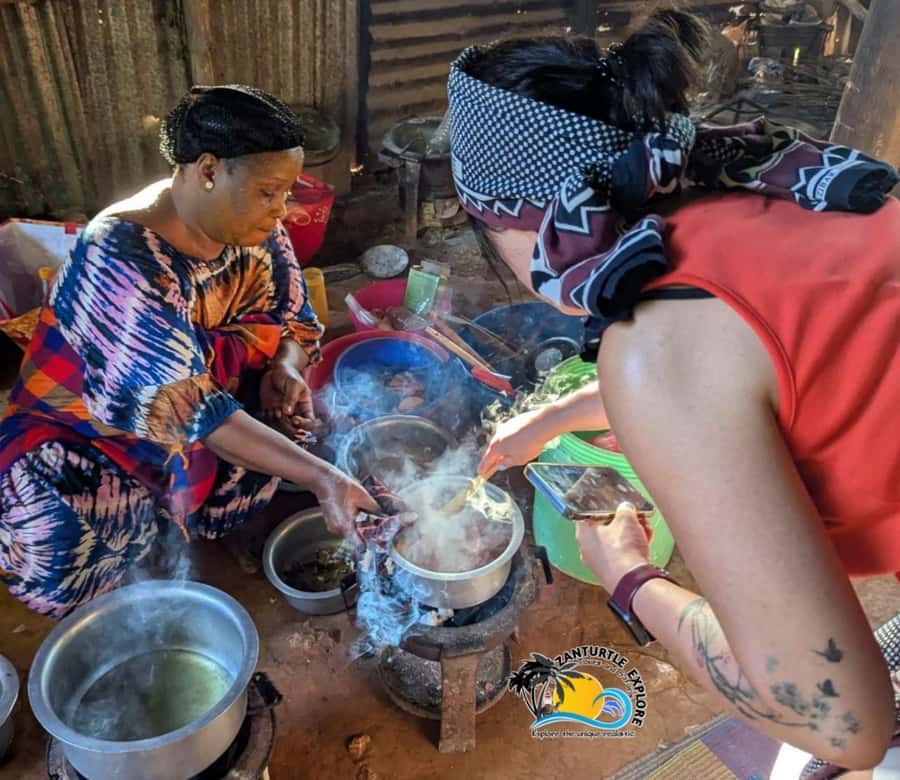
The cooking section is where this tour earns its reputation. After the farm walk and harvest, you head to the class space where you cook together with a local chef and cooking equipment set up for instruction.
Here’s what you should expect:
- Traditional cooking techniques are part of the teaching
- You’ll learn the steps for a traditional Swahili meal
- There’s time to taste and adjust while cooking, not just follow one script
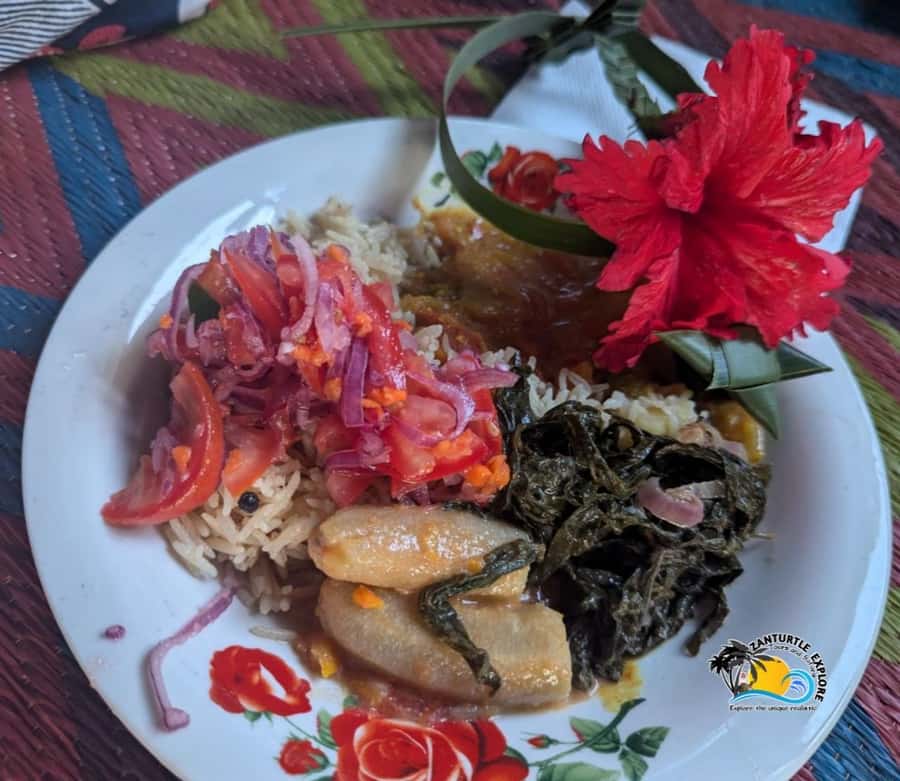
- The food you make becomes lunch, served with drinks and tropical fruits
One especially memorable detail: the cooking apparatuses are described as being replicated from bygone eras—so you’re not only learning a recipe. You’re using tools and methods that connect to the coast’s long food tradition. It’s the kind of practical history you can feel in your hands.
If your instructor is Aïcha, you can expect warm, hands-on teaching and sharing during lunch, along with clear explanations of the plants and spices. Her presence is the kind that makes the class feel like conversation, not a performance.
Also, the class includes traditional music and dance, which adds energy right when you’re transitioning from outdoor harvesting to indoor cooking mode. It’s a good reminder that for Zanzibar, food isn’t separate from culture. It’s the center.
Lunch with Tropical Fruit: Eat What You Learned
Between the spice tasting and the cooking, you’ll also be sampling fresh fruit. This isn’t a token platter. You’ll get tropical options like mango, passion fruit, avocado, papaya, local grapefruits, bananas, and pineapple, plus more depending on what’s available.
This matters because fruit is part of how Zanzibar balances flavor—sweet notes, acidity, and fresh textures that make spice feel round instead of harsh. When you taste fruit during the meal, the spices you smelled earlier start to make more sense.
Lunch is included, along with drinks. It’s one of the reasons the price feels fair once you’ve done the full arc of the experience: you’re not just paying for a class. You’re paying for the entire food journey from plant to plate.

Shopping Spices and Buying Fruit: What to Expect (and How to Decide)
You’ll have time for shopping after the tour and during the day. The experience includes time to buy spices and fruits, and it’s easiest when you already know what you liked by scent.
Here’s how I’d handle buying:
- Pick spices you smelled and tested in the garden, not only the ones that look best
- Ask for small quantities if you’re unsure how you’ll use them at home
- Treat fruit purchases like a fun souvenir, not a long-term plan—heat and travel time change everything
A good chef lesson leaves you with a shopping list. If cinnamon and lemongrass stood out, look for the right form (powder vs. dried) and decide what you’ll cook with it. This is one of those trips where you can leave with flavor you actually understand.
Price and Value: Is $61 Worth 5 Hours?
At $61 per person for about 5 hours, this tour can be good value—mainly because it includes more than a cooking demo.
What’s included that usually costs extra on similar experiences:
- Hotel pickup and drop-off
- A spice farm guided tour with smell/taste experiences
- Harvesting vegetables and spices
- A cooking class with equipment
- Lunch and drinks plus tropical fruit
- Traditional music and dance
- Entrance and conservation fees
- A guide team that speaks multiple languages
For me, value comes from doing three things in one day: learning the plants, picking ingredients, and cooking. If you only want one of those, the price might feel steep. If you want the full hands-on food story, it’s a solid deal.
The private group setup also helps. You’re paying for more attention and less crowd pressure, even though the farm itself is a tourism-focused layout.
Practical Expectations: Tipping Requests and Bathroom Reality
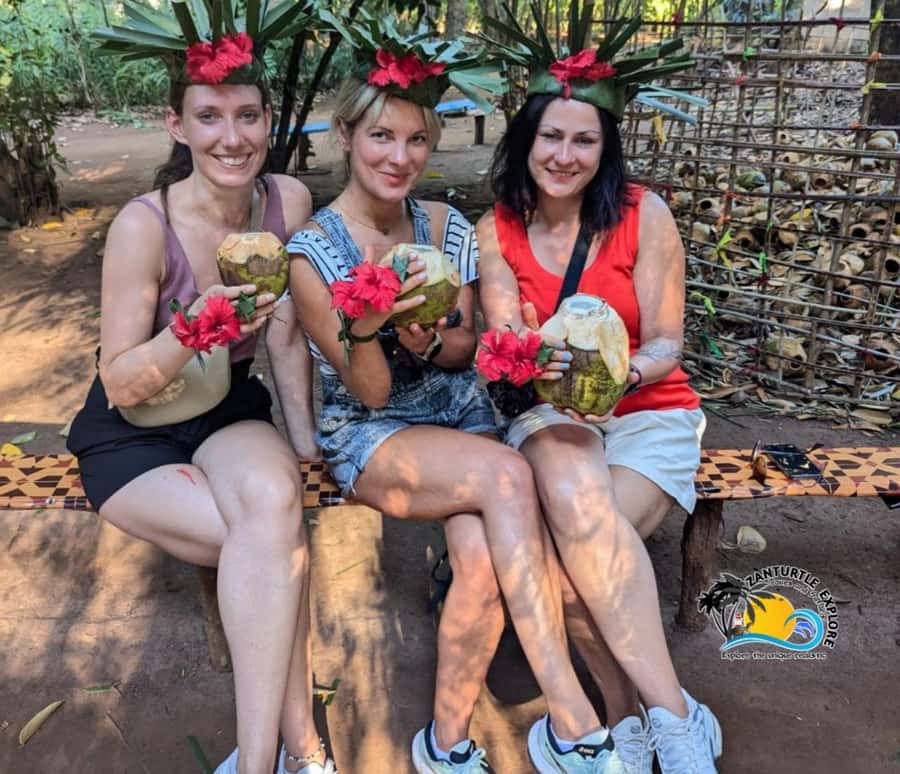
This is the part you should plan for. Multiple stops can come with requests for tips or small contributions—sometimes when nobody is asking you for anything directly, like after receiving a sample or being given something small (like a handmade headpiece or similar extras).
I’m not saying don’t tip. I am saying don’t get surprised.
- Decide your budget before you arrive
- Carry some small cash so you’re not scrambling
- If you tip, tip in a way that feels respectful and consistent, not emotional and chaotic
One more practical issue: bathroom conditions were described as poor on at least one occasion. You can’t control that, so build in flexibility. If you need restroom comfort before you start cooking, do it early and don’t wait until the last minute.
Finally, the farm size and pacing can feel like a “tour walk” more than a deep working plantation. That can be fine—if you know what you want. If you’re expecting a huge agricultural site with lots of land and long, agricultural explanations, this experience is more compact.
Best Fit: Who This Zanzibar Spice Tour Works For

This is a strong match for:
- Food lovers who want more than a tasting session and actually cook
- First-time visitors who want to understand Zanzibar spices in a hands-on way
- Families who can handle walking and participation (a parent traveling with a young child found the activities engaging)
- Travelers who like structured, sensory learning—smell, taste, harvest, cook
It’s less ideal if:
- You hate active participation or want a purely passive tour
- You’re uncomfortable with repeated tipping requests
- You want very long conversational time with the cooking team; sometimes the interaction can be brief and task-focused
Should You Book This Zanzibar Spice Farm and Swahili Cooking Class?
Yes, I’d book it if your goal is a practical food day: spices you can identify by scent, a chance to harvest, and a Swahili meal you make and eat. The included lunch, fruit, and the hands-on cooking step give this tour its real value.
I’d also go in with two expectations: the experience is tourism-paced, and you should be ready for the social rhythm around tips. If that’s manageable, you’ll come away with stronger spice instincts than you had when you arrived—and a lunch story you can actually relive when you cook later.
FAQ
FAQ
How long is the spice farm tour and cooking class?
The total duration is about 5 hours.
Where does pickup happen?
Pickup is available from Stone Town, and you can also request hotel pickup anywhere in Zanzibar. You meet the representative in your hotel lobby or reception area.
Is the group private?
Yes, it’s listed as a private group.
What languages are the live guides available in?
Live tour guides are available in Arabic, English, French, German, Italian, Polish, Russian, and Spanish.
What will I do during the spice farm part?
You’ll take a guided walking tour, taste and smell a range of spices and herbs, and you’ll also harvest some vegetables and spices.
What will I cook, and is lunch included?
You’ll cook a traditional Swahili meal using traditional techniques. Lunch and drinks, along with tropical fruit, are included.
What should I bring with me?
Wear comfortable shoes and clothing for walking and cooking. Bring a hat, camera, sunscreen, water, and insect repellent.
Are fees and entrance charges included?
Yes. Entrance and conservation fees are included, along with government fees and taxes.
Can I get a refund if I cancel?
Free cancellation is available up to 24 hours in advance for a full refund.