REVIEW · ZANZIBAR ARCHIPELAGO
Zanzibar: Spice Farm Tour with Lunch & Tropical Fruits
Book on GetYourGuide →Operated by Zanziworld Tours · Bookable on GetYourGuide
Spices grow where you can smell them. This 2.5-hour guided farm tour in Zanzibar (Unguja South Region) turns the spice-island story into a practical, hands-on walk through real plants, from cloves and nutmeg to tropical fruit trees. I really like the mix of aromatic spice plants plus edible tastings, because it keeps things interesting even if you are not a plant-nerd.
I also enjoy that the tour includes a traditional lunch and tropical fruits, so you do not just learn names—you get to experience how Zanzibar flavors work in real life. The one possible drawback: the visit ends with a spice shop where you can buy items, so if you prefer zero shopping pressure, plan your budget and decide in advance what you want to take home.
In This Review
- Spice Farm Highlights That Make This Tour Worth It
- Where You Start on Zanzibar and What the 2.5 Hours Feels Like
- The Spice Walk: From Cloves to Cardamom (and Why Smell Matters)
- Herbs with Real Purpose: Neem Leaves and the Iodine Tree
- The Tropical Fruit Stop: Papaya, Mango, Jackfruit
- Traditional Lunch: How the Tour Makes the Flavors Make Sense
- What You Might Also Spot Along the Way (Beyond the Main List)
- The Spice Shop: Buying Fresh Spices and Small Extras
- Guide Quality Is the Hidden Rating Driver Here
- Price and Value: Is $27 a Good Deal?
- Who This Tour Fits Best (And Who Might Skip It)
- Quick Practical Tips Before You Go
- Should You Book This Zanzibar Spice Farm Tour?
- FAQ
- How long is the spice farm tour?
- Where is the meeting point?
- What is included in the $27 price?
- What spices and plants can I expect to see?
- What tropical fruits are included?
- What language is the tour in?
- Can I reserve and pay later?
- What is the cancellation policy?
- Who runs the experience?
Spice Farm Highlights That Make This Tour Worth It
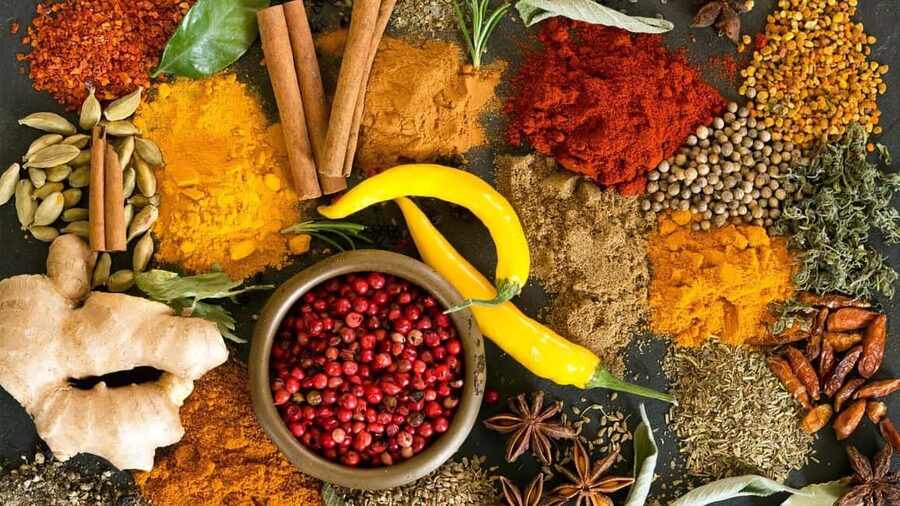
- Clove-to-vanilla route: see and smell spices like cloves, cinnamon, turmeric, nutmeg, and vanilla.
- Tropical fruit tasting: papaya, mango, and jackfruit are part of the experience.
- Medicinal plant stories: you learn about neem leaves and the iodine tree and their traditional uses.
- Lunch is included: traditional lunch plus drinking water makes the time feel complete.
- Helpful, friendly guides: clear English guidance with a warm, comfortable feel.
- A real shopping stop: you can pick up freshly harvested spices, plus items like soaps and oils.
Where You Start on Zanzibar and What the 2.5 Hours Feels Like
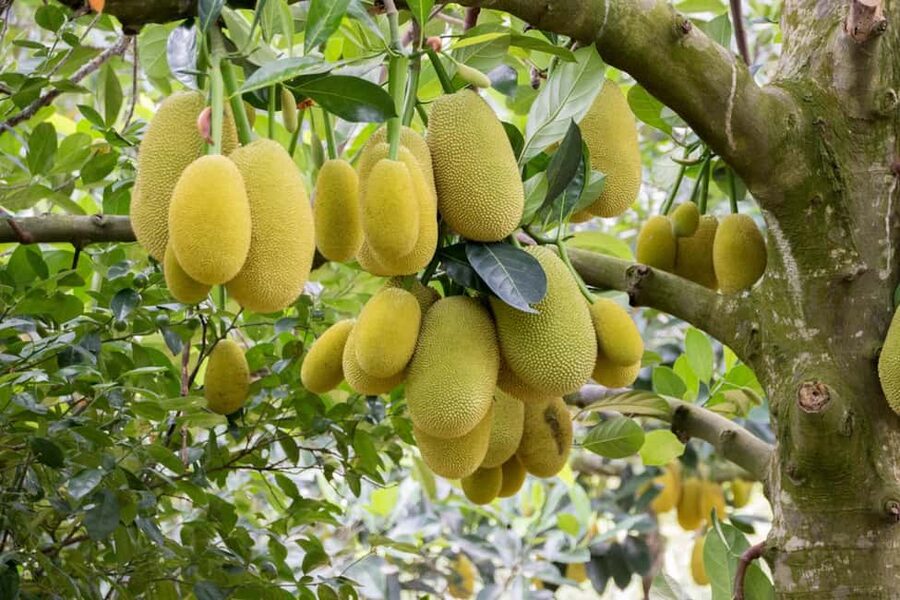
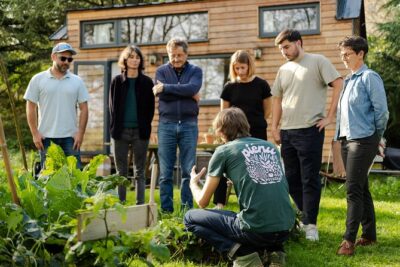
You meet at the entrance area of Jambo Spice Farm in Dole village, Zanzibar. The tour runs about 2.5 hours and loops back to the same meeting point, which makes it easy to plug into a day without needing extra planning.
What surprised me in a good way is how quickly the tour builds momentum. You start with spice plants, then you move into herbs and fruit, and by the time lunch arrives you have enough smells and examples in your head to make the meal feel meaningful—not just included for convenience.
Group style is not described in detail, so treat it as a standard guided experience: expect a comfortable walking pace through a working plantation. If you love short tours that still pack variety, this length is a sweet spot.
You can also read our reviews of more tours and experiences in Zanzibar Archipelago.



The Spice Walk: From Cloves to Cardamom (and Why Smell Matters)

This tour is built around the core idea that Zanzibar’s spice reputation is not a slogan—it is rooted in what grows here. As you follow the guide along the small plantation, you see many spices and herbs that people often recognize from kitchen cupboards.
You can expect to encounter plants such as:
- cloves, nutmeg, vanilla
- cinnamon, turmeric, cardamoms
- curry, pepper, ginger, tamarind
- menthol (as a plant/herb item described on the tour)
The practical win here is the sensory learning. Reading about spices is one thing; being able to stand near the real plant and smell it is another. You start connecting the idea of flavor to an actual source, which makes it easier to choose what to buy later.
One more bonus: the tour also points out lesser-known spice and herb plants alongside the famous ones. That means you leave with more than just a checklist of names—you get a sense for how many “spice” categories exist in Zanzibar cooking and everyday use.
Herbs with Real Purpose: Neem Leaves and the Iodine Tree
The tour does not only focus on cooking aromas. It also includes cultural context about traditional uses of certain plants and herbs.
Two plant stories stand out based on the tour information:
- Neem leaves, described as traditionally used to treat malaria and indigestion
- The iodine tree, known in local tradition for wound-healing properties
You do not need to be a medical expert to appreciate why this part matters. It gives you a window into how people interpret plant life beyond taste—how usefulness shapes knowledge and respect. Even if you personally take a cautious approach to traditional remedies, the cultural explanation helps you understand why these plants are grown and remembered.
This section also keeps the tour grounded. It reminds you that spice farming here is not only about export and trade. It is also about daily-life traditions.
The Tropical Fruit Stop: Papaya, Mango, Jackfruit
Alongside spices, the tour includes tropical fruit tasting. Based on the experience details, you can expect fruits like:
- papaya
- mango
- jackfruit
This is not just a sweet add-on. Fruit tasting connects to the broader “spice island” identity. Zanzibar’s flavors are not only about heat and aroma; they also come from the sweetness and texture of tropical fruit.
A practical way to enjoy this: pace yourself. If you take too much time sampling spices early on, your appetite can get crowded out by the strong smells. If you save a little energy, the fruit section feels like a reset, and lunch afterward tastes better because your palate is ready.
Traditional Lunch: How the Tour Makes the Flavors Make Sense
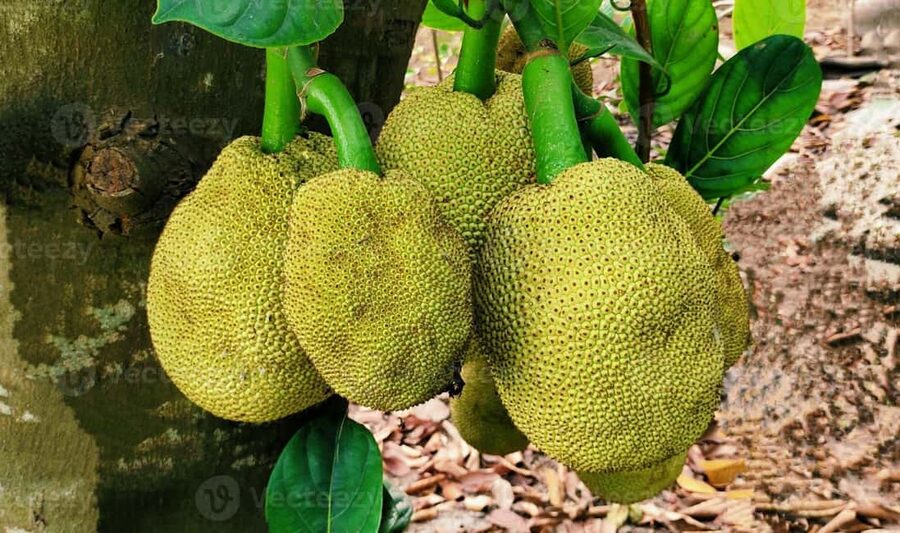
Lunch is included, plus drinking water. That matters because it turns the tour into a full experience rather than a quick snack-and-shop stop.
The lunch is described as traditional, and the learning theme is consistent: you are learning how Zanzibar’s spices and fruits are used locally. So the meal is not random. It is meant to be a practical example of what you just walked past in the garden.
Here is how to get the most value from it: pay attention to which smells or flavors you recognize from the plants you saw. Even if you cannot name every spice, you can usually connect the general flavor family—warm, aromatic, tangy, fragrant.
If you are the type who likes to recreate meals later, this is where you start building a mental shopping list.

What You Might Also Spot Along the Way (Beyond the Main List)
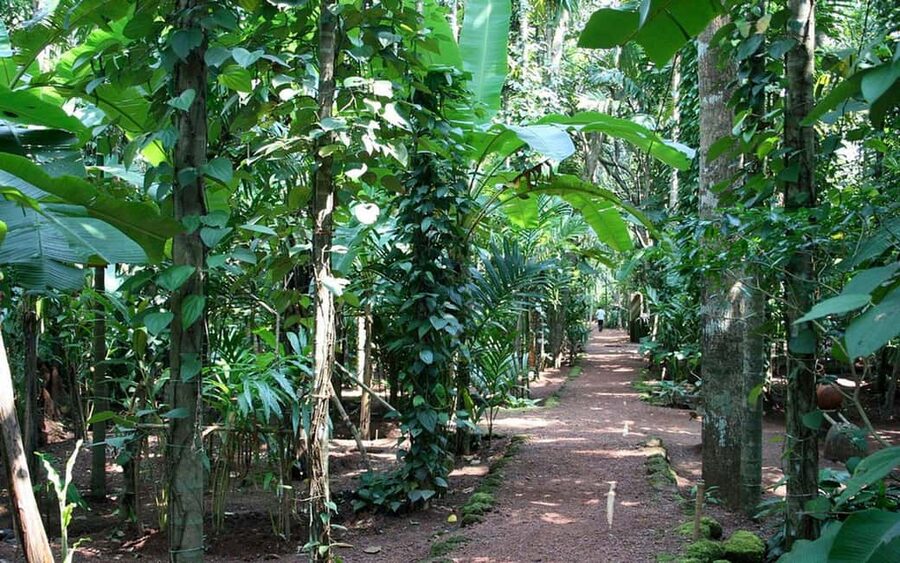
Some tours are strict about the route. This one sounds more flexible and nature-forward. One detailed experience description mentioned additional plants beyond the headline spices and fruits, including things you might not expect to see on a spice plantation.
For example, you might run into plants like:
- coffee beans
- lemongrass
- stink fruit
- pepper varieties
Even if these are not guaranteed in every visit, the overall pattern is consistent: you get a real sense of the plantation as a living collection of crops, not just labeled display plots.
That is one reason the tour feels fun for mixed groups. If one person cares about spices and another cares about fruit, everyone stays interested.
The Spice Shop: Buying Fresh Spices and Small Extras
After the plantation walk and tastings, you visit the plantation’s spice shop. This is where you can procure spices to take home, including options described as freshly harvested.
This stop is usually where value becomes personal. In general, you will get the best results if you buy fewer items more carefully:
- pick spices you actually cook with
- buy in quantities that match your real habits
- smell and compare if you can
One practical detail from the experience mentions that you can also find soaps and oils. If you like souvenirs that connect to the place, this is a solid add-on.
If you want to avoid impulse purchases, set a small budget before you reach the shop. The farm experience makes it easy to overspend, because everything smells good.
Guide Quality Is the Hidden Rating Driver Here

The rating is driven by guide friendliness and clarity. The tour information and the experience details repeatedly point to guides who are helpful, comfortable to be around, and fluent enough to explain the plants clearly.
One standout detail: guides are reported to speak very good English and also know many terms in German. So if you happen to be traveling with German-speaking friends—or you want to understand spice names across languages—that extra skill makes the experience feel more tailored.
There is also a memorable playful moment tied to a character-like reference from the tour experience: Mr. butterfly, described as a coconut picker. That kind of human flavor adds personality without taking over the actual tour.
Bottom line: this is not the “quiet walk and good luck” style. The guide matters here, and the experience seems designed to keep you relaxed while still learning.
Price and Value: Is $27 a Good Deal?
At $27 per person, you are paying for a guided 2.5-hour farm visit plus several meaningful inclusions:
- tour guide
- entrances
- traditional lunch
- tropical fruits
- drinking water
- all government fees
That combination is what makes the price feel fair. A lot of tours charge extra for basic extras like lunch, water, or entry fees. Here, the essentials are bundled, which reduces surprise costs and makes it easier to compare value against other Zanzibar half-day activities.
If you were to price those pieces separately, you would likely see that the tour price is doing real work. For most visitors, this is a good way to get a full sensory experience—spices, fruit, lunch—within a short time window.
Who This Tour Fits Best (And Who Might Skip It)
I think this tour is a great fit if you:
- want a short Zanzibar activity with lots of variety in a small area
- like food-focused travel where learning happens through taste and smell
- enjoy plant stories, including traditional uses like neem and the iodine tree
- want practical souvenirs (spices you can actually use later)
You might skip it if:
- you only want beach time and zero farm walking
- you dislike lunch included tours (rare, but it happens)
- you prefer attractions with no shopping component at the end
It is not a bad choice either way; it is just a mismatch question. This tour is about spices, fruits, and the people who grow and use them.
Quick Practical Tips Before You Go
You will enjoy this more if you show up ready to engage your senses. Here are a few simple moves:
- Wear comfortable shoes for plantation walking.
- Come with a light appetite so lunch and fruit tasting feel rewarding.
- If you plan to buy spices, think about what you cook at home first.
Also, because the guide is central to the experience, listen closely early on. The first half is where you build your “flavor map,” and that makes the shop stop far more satisfying.
Should You Book This Zanzibar Spice Farm Tour?
Yes, you should book it if you want a food-and-plants experience that stays practical and includes lunch, fruit, and a guide who explains clearly. The strong points here are friendly, helpful guiding, a real plantation feel, and the way the tour ties spices to how people use them—then backs it up with a traditional lunch.
If you hate any end-of-tour shopping, or you have limited interest in spices and fruit, you might choose a different activity. But for most visitors looking for something authentically Zanzibar—smellable, tastable, and easy to fit into a day—this one is a solid pick.
FAQ
How long is the spice farm tour?
The tour lasts about 2.5 hours.
Where is the meeting point?
Meet in front of the entrance to Jambo Spice Farm, Dole village Zanzibar.
What is included in the $27 price?
You get a tour guide, entrances, traditional lunch, tropical fruits, drinking water, and all government fees.
What spices and plants can I expect to see?
The tour includes spices and herbs such as cloves, cinnamon, turmeric, nutmeg, vanilla, cardamoms, curry, menthol, pepper, tamarind, and ginger.
What tropical fruits are included?
Tropical fruits included are papayas, mangoes, and jackfruit.
What language is the tour in?
The tour is guided in English.
Can I reserve and pay later?
Yes. The option is reserve & pay later, so you can book and pay nothing today.
What is the cancellation policy?
You can cancel up to 24 hours in advance for a full refund.
Who runs the experience?
The experience provider is Zanziworld Tours.