REVIEW · SINGAPORE
Singapore: Guided Boat Tour and Kelong Fish Farm Visit
Book on GetYourGuide →Operated by Let's Go Bike Singapore · Bookable on GetYourGuide
A fish farm on open water sounds odd. This Singapore Kelong boat tour swaps the city for mangroves, sea channels, and floating life around the North-Eastern Banks, with time near Pulau Ubin from the sea.
I especially liked the way the licensed English guide turns the water into a lesson, with sea channel know-how and seaman lingo you can actually picture. I also love the small-group feel, limited to 10 people, which makes it easier to ask questions as you cruise and watch for seabirds and other wildlife.
One thing to think about: the tour needs at least 5 people to depart, and pricing for 1–5 pax is increased to cover that minimum. Weather matters too; it runs in light rain, but thunderstorm plans shift to a rescheduled date.
In This Review
- Key highlights you’ll remember
- Why the North-Eastern Banks feel like another Singapore
- Catamaran comfort and a small-group ride (limited to 10)
- The on-water lesson: sea channels and seaman lingo
- Sembawang beach stories and indigenous island history
- Pulau Ubin from the sea: wildlife and mangrove habitat
- The kelong-restaurant visit: sustainable fish farming in real life
- Time on the water: what the 3 hours actually feels like
- Wildlife spotting tips (without stress)
- Price and value: is $225 per person fair?
- Who this tour suits best (and who might feel restless)
- Getting there and meeting point basics (so you don’t waste time)
- Should you book the guided boat tour and kelong visit?
- FAQ
- How long is the Singapore guided boat tour?
- What’s included in the price?
- What should I bring or plan for?
- Where is the meeting point?
- Is the tour in English?
- How many people are in a group?
- What’s the weather policy?
- Is there a minimum number of participants to run the tour?
- Can I cancel and get a refund?
Key highlights you’ll remember
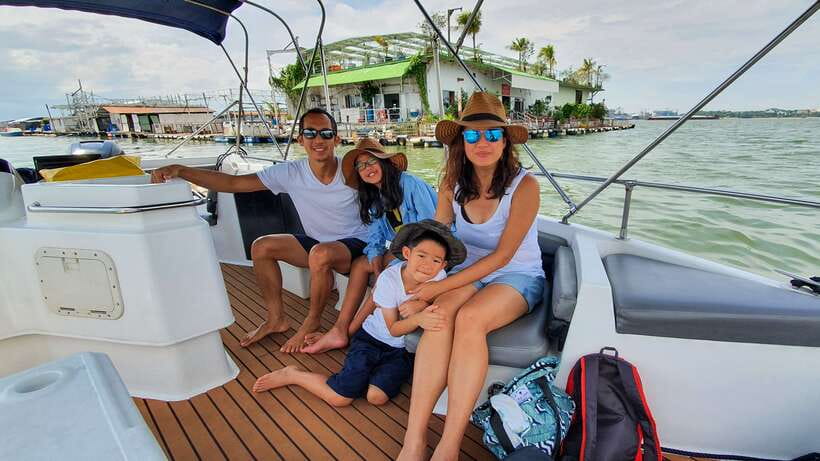
- Small-group catamaran time limited to 10 people for a more personal, question-friendly ride
- Sea channels and seaman lingo explained by a licensed English guide
- Stories around Sembawang Beach and the history of indigenous island people
- Pulau Ubin viewed from the water, where habitats feel alive up close
- Kelong-restaurant visit tied to sustainable fish farming and the real struggles behind it
Why the North-Eastern Banks feel like another Singapore
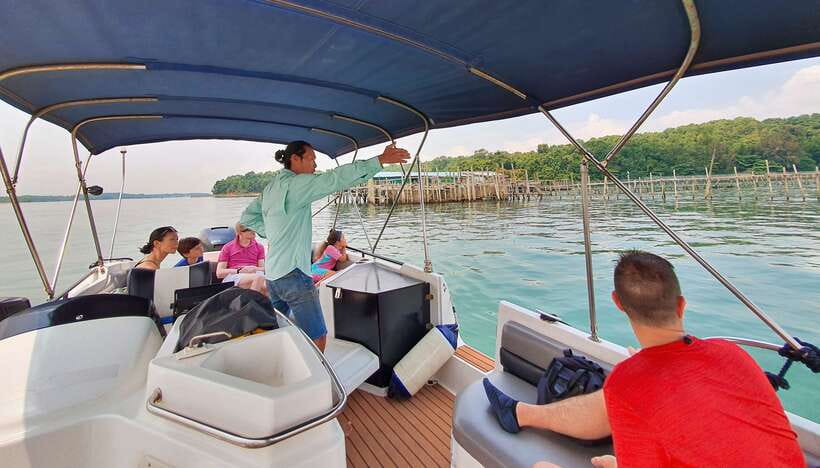
Singapore can be loud, fast, and very planned. This tour is a strong counterweight. You trade concrete for open water, salty air, and mangrove swamps—plus the kind of fishing life most visitors never see. The North-Eastern Banks area has a different rhythm: smaller channels, practical seafaring talk, and nature that doesn’t need permission to show up.
What makes it work is the perspective. Instead of sightseeing from land, you experience it from the sea, where islands, shorelines, and channels connect in a way you don’t get on foot. You’re also told what to look for: wildlife around the islands, the feel of the coastal ecosystem, and the daily reality of people who live and work in kelongs.
You’ll come away with a better mental map of how Singapore’s surrounding waters function, and why a floating fish farm is more than a curiosity—it’s a system with trade-offs and challenges.
Catamaran comfort and a small-group ride (limited to 10)
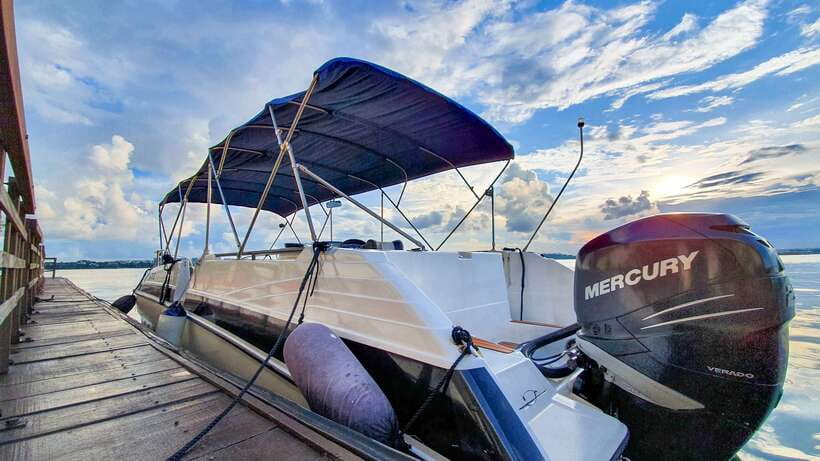
The tour is built around a catamaran with a captain, and that matters for comfort and visibility. A catamaran tends to feel stable, and on this kind of route you’ll want to see the shoreline and water features, not fight your own balance.
You’ll also appreciate the pacing. At only 10 participants, it’s not a “herd you along” day. Questions are easier, and the guide can keep explanations grounded in what you’re actually watching. That’s a big part of why this experience gets high marks: people come away feeling informed, not just moved from spot to spot.
Ponchos are provided if it rains, so you’re not stuck improvising on the fly. And since the tour continues in light rain, you’re less likely to lose the day to minor weather.
The on-water lesson: sea channels and seaman lingo
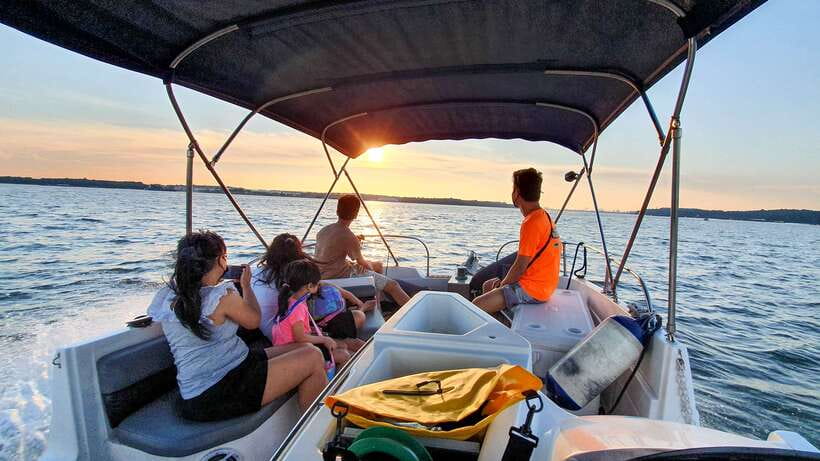
The most useful part is how the guide reframes the coastline. You don’t just hear that there are channels—you learn the kinds of things sailors consider when navigating sea passages. The tour includes insights about the sea channels and seaman lingo, which can sound niche at first, but becomes surprisingly practical.
Here’s what that does for you as a visitor: it turns the water into readable geography. You start noticing patterns—where islands create sheltered zones, where mangrove areas change how the shoreline looks, and how different stretches feel like they’re meant for different types of movement.
If you enjoy understanding how places work (not just what they look like), you’ll likely find this portion the highlight. It’s also a good way to slow down mentally. While the boat moves, your attention gets pulled toward details most land-based tours don’t teach.
Sembawang beach stories and indigenous island history
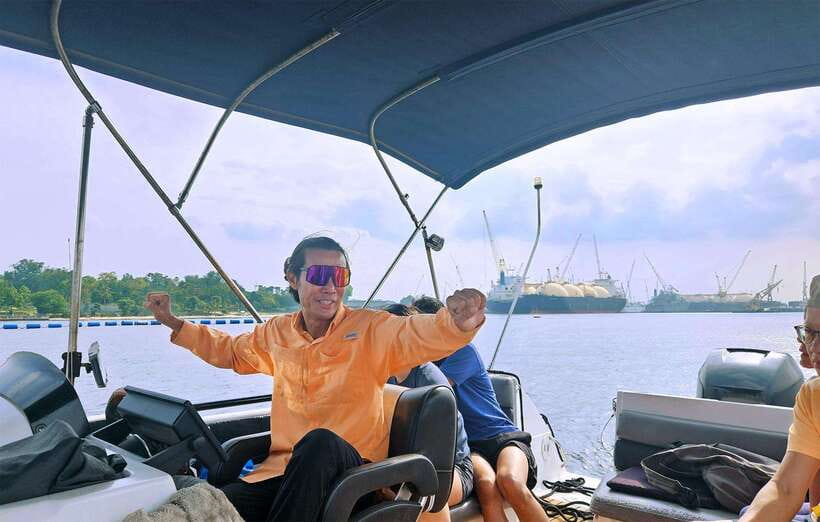
Part of the charm is the human side of the coastline. You’ll hear stories about Sembawang Beach and the history of indigenous island people. Even if you’ve visited Singapore before, this angle can feel fresh because it connects modern coastal life to earlier ways people lived with the sea.
Pay attention to what the guide emphasizes: not just names and dates, but the logic of living on islands and along channels—what people needed from the water, what dangers existed, and how communities shaped their routines around tides and resources.
This matters because it prevents the trip from feeling like a nature stroll with a fish farm stop. Instead, it becomes a story of adaptation: how people used the sea, how they built lives around it, and how that knowledge shaped the coastal world you’re cruising through now.
Pulau Ubin from the sea: wildlife and mangrove habitat
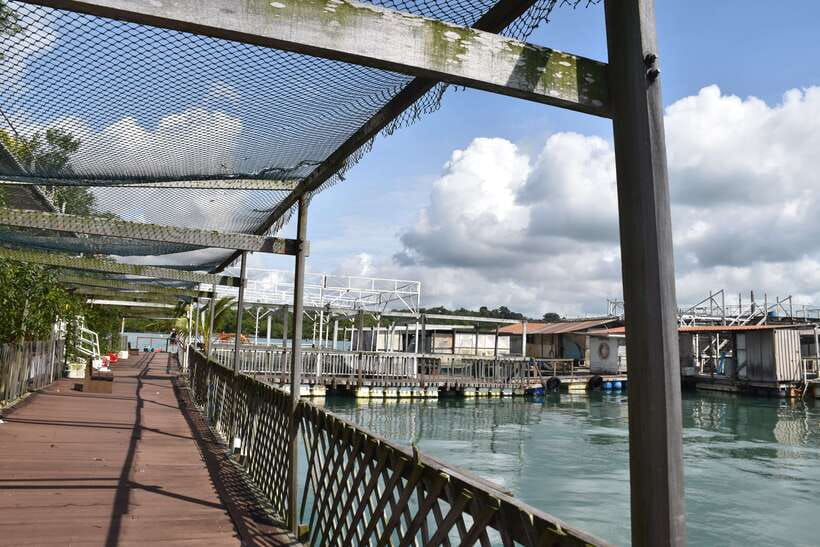
Pulau Ubin is the only inhabited island out of Singapore’s 63 islands, and seeing it from the water gives you a different sense of scale. From the sea, the island doesn’t feel like a quick stop—it feels like a whole ecosystem edge, with habitats surrounding it that can be brimming with life.
You’re likely to spot seabirds during the cruise, and wildlife sightings are part of the experience (the highlight list also mentions wild boars). Of course, wildlife is never guaranteed. Still, the route and the habitat types make it more plausible than a typical urban walk.
Mangrove swamps come up in the tour description too, and they’re more than scenery. They can look like messy green tangles, but from the water you’ll start to see how they protect shorelines, slow water movement, and create space for birds and other creatures to use the habitat.
This is also where you’ll appreciate the boat format. Watching mangroves from land can be awkward; from the water, you get a clearer “how the coastline works” view.
The kelong-restaurant visit: sustainable fish farming in real life
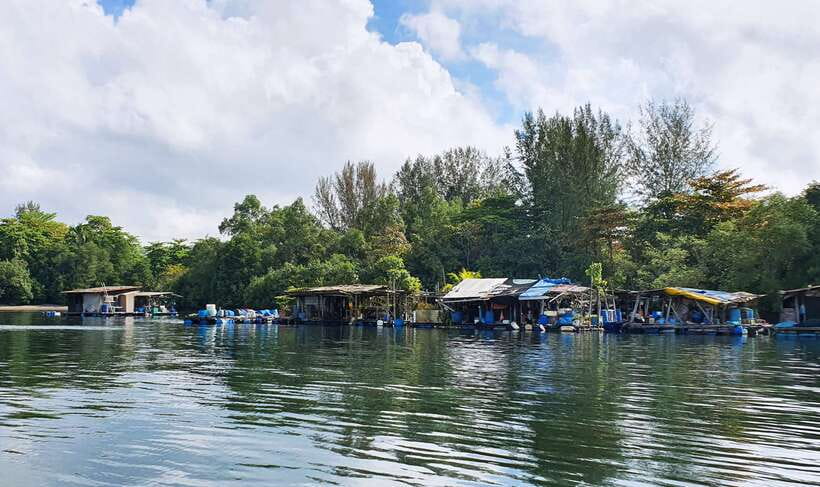
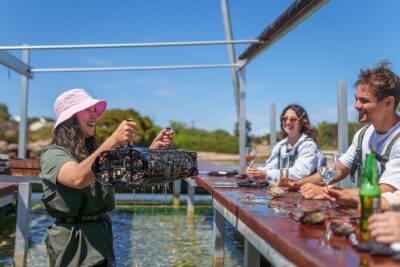
Now for the part that turns the whole trip from interesting into memorable: the visit to a kelong-restaurant on a floating fish farm.
You’ll learn about sustainable fish farming and the struggles behind it. That phrasing is important. It’s not presented as an effortless green story. Floating fish farming is practical, but it comes with pressures—environmental balance, operational challenges, and the constant work it takes to keep the system functioning.
What you get here is a chance to connect the idea of sustainable seafood to something tangible: daily life on a floating farm. Even if you only spend a limited amount of time there, you’ll likely understand the scale and the day-to-day reality more than you would from a diagram or brochure.
This stop also turns your trip into something more interactive than a pure sightseeing boat ride. You’re not just looking—you’re meeting the “floating life” side of Singapore’s coastal economy.
Time on the water: what the 3 hours actually feels like
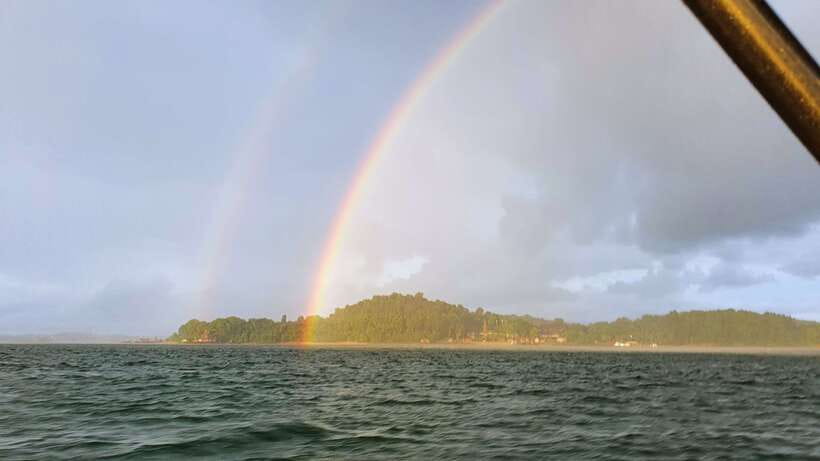
Three hours is long enough to feel like an outing, but short enough to stay energy-efficient. Expect the day to run as a guided cruise with learning segments, then a restaurant visit on the kelong, all while your surroundings shift from city-near coastal water into island-and-mangrove mood.
The tour is designed as a mini-vacation within a vacation. You’re outside, wind in your hair, and you get that salty sea-air feeling that makes Singapore’s heat feel different. Even when the weather is mixed, the ponchos help you keep moving.
If you’re the type who likes to balance relaxation with a real payoff, this duration is smart. You’re not committing a half-day to a tour that barely gets out of the harbor. At the same time, you’re not exhausting yourself with a full day of transfers and long waiting.
Wildlife spotting tips (without stress)
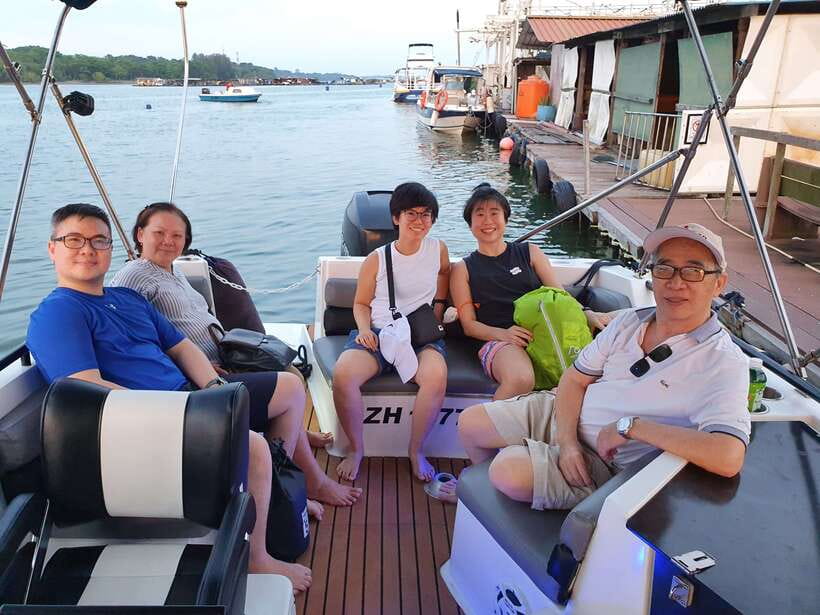
This tour is built for spotting wildlife like seabirds and other coastal animals. That said, you’ll enjoy it more if you watch with patience rather than hunting for sightings.
What helps:
- Stay present on the water segments where the guide points out features; that’s when you’re most likely to notice birds.
- Don’t panic if you don’t see much in one stretch; wildlife can be patchy, and habitats can change quickly as you move.
- Bring your attention back to the habitat cues the guide gives—mangroves and coastal edges often explain why sightings happen.
If wildlife matters to your trip, this is a better bet than many city tours because the environment is right there. The boat also gives you angles you won’t get from shore.
Price and value: is $225 per person fair?
At $225 per person, this isn’t a budget activity. But it’s also not just a “boat ride.” You’re paying for several things that usually cost extra when booked separately in Singapore:
- a licensed guide doing active interpretation (not just narration)
- a catamaran experience with a captain
- a small group capped at 10
- ponchos if it rains
- structured time that includes Pulau Ubin proximity and a kelong-restaurant visit
The biggest value question is whether you want the kind of knowledge you can’t fake with Google. If you enjoy understanding sea channels, seaman lingo, and how sustainable fish farming works in practice, the price starts to feel more reasonable. If you only want scenic views, you might find cheaper boat options elsewhere.
Also watch the minimum group rule. The tour requires 5 pax to depart, and prices for 1–5 pax are increased to accommodate that minimum. If you’re traveling solo or as a small pair, that can change the math.
Who this tour suits best (and who might feel restless)
This is ideal for:
- travelers who have done the usual Singapore highlights and want a different side of the country
- people who like guides who explain what you’re seeing in clear English
- anyone curious about life around kelongs and how sustainable fish farming is talked about on the ground
- visitors who want nature time without hiking all day
You might feel less satisfied if you want a strictly land-based culture tour or if you prefer long, slow stops with lots of free time. This is focused on the water, the guided storytelling, and the kelong visit—not on independent roaming.
Getting there and meeting point basics (so you don’t waste time)
Your meeting point is at The Quarterdeck. When you arrive, tell the security guard you’re going for the kelong tour and meeting at The Quarterdeck; the guard will guide you there.
Transportation to and from the meeting point isn’t included, so plan your own route and arrival time. Since it’s a 3-hour tour, you’ll want to show up with a buffer so you’re not rushed at check-in.
If you’re bringing rain layers, light weather gear is enough. Ponchos are provided, but you’ll still be happier if you can dress in a way that handles wind off the water.
Should you book the guided boat tour and kelong visit?
Book it if you want a Singapore day that feels like a real change of scenery: open water, mangroves, sea lessons, and a floating fish farm you can actually experience. The small group size and the emphasis on guide explanations are exactly what make it worth thinking about, especially if you’ve already seen the main city sights.
Consider it carefully if you’re traveling with fewer than 5 people, because the minimum departure rule can affect the total cost. Also keep weather flexibility in mind: light rain is fine, but thunderstorm conditions trigger a rescheduled date.
If you like tours that teach you how to look—at sea channels, coastal habitat, and sustainable seafood in practice—this one is a strong choice.
FAQ
How long is the Singapore guided boat tour?
The tour lasts 3 hours.
What’s included in the price?
Included are a licensed guide, the boat and captain, and ponchos if it rains.
What should I bring or plan for?
Plan on extra food and drinks being available but not included. Also plan your own transportation to and from the meeting point.
Where is the meeting point?
Meet at The Quarterdeck. Tell the security guard you are going for the kelong tour, and they will guide you there.
Is the tour in English?
Yes, the live tour guide provides English.
How many people are in a group?
It’s a small group limited to 10 participants.
What’s the weather policy?
The tour continues with light rain. If there’s a thunderstorm, a rescheduled date will be provided.
Is there a minimum number of participants to run the tour?
Yes, it requires 5 pax to depart. Prices for 1–5 pax are increased to accommodate this minimum departure policy.
Can I cancel and get a refund?
You can cancel up to 24 hours in advance for a full refund.