REVIEW · PORT LINCOLN
Coffin Bay Oyster Farm Wading Tour & Tasting Experience
Book on Viator →Operated by Oyster Farm Tours - Coffin Bay · Bookable on Viator
You’ll taste oysters where they grow. This Coffin Bay Oyster Farm wading tour sends you into the water in supplied waders, guided by an oyster farmer who explains oyster farming (and even links it to Matthew Flinders), then you learn hands-on shucking before a fresh-from-the-ocean tasting.
What I really like is the focus on the farming story and the practical payoff. You get an oyster farmer-led tour and a chance to try oysters straight after harvesting, including Pacific and the native Coffin Bay Angasi. The whole thing turns oyster eating into a skill you can actually picture and repeat at home.
One thing to consider: you’ll be outside and in the water, so conditions matter. Wear the right clothes, bring socks, and know the tour requires good weather, so your day could shift if conditions are poor.
In This Review
- Key highlights to know before you go
- Why Coffin Bay’s oyster wading tour feels different from “just a tasting”
- Oyster HQ check-in and getting suited up for the water
- The farmer-led story: oysters, Matthew Flinders, and why history fits the shoreline
- Wading to the floating pontoon: seeing oyster farming up close
- Shucking lesson: Pacific and Angasi in your hands
- Tasting with wine, sparkling wine, or a seafood platter upgrade
- Timing, group size, and what to expect on the day
- Price and value: what $68.14 buys you in real terms
- Who this Coffin Bay wading tour suits best (and who should rethink)
- Should you book this Coffin Bay oyster farm wading tour?
- FAQ
- How long is the Coffin Bay Oyster Farm Wading Tour & Tasting?
- Where do I meet for the tour, and does it end there too?
- How much does the tour cost?
- What do I do during the tour?
- Which oysters are included in the tasting?
- Can I add wine, sparkling wine, or a seafood platter?
- Do I need to bring socks for the waders?
- What happens if the weather is poor?
- Is there free cancellation, and how far in advance do I need to cancel?
Key highlights to know before you go
- Oyster farmer as your guide: you’re learning from someone who works the leases, not just a script.
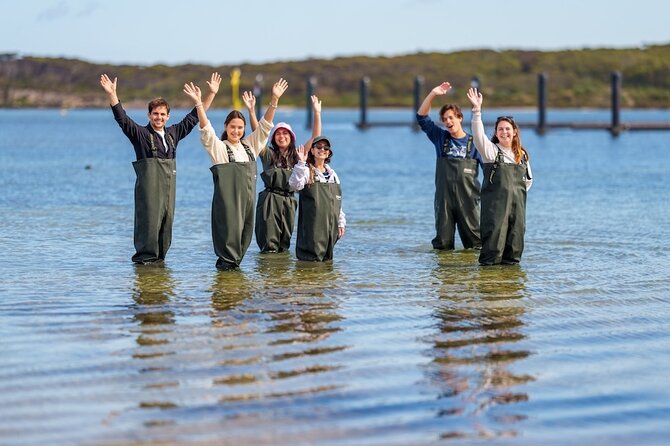
- Waders + a wading route: you’ll step out into the water and see how the system works up close.
- Shucking lesson included: you get guided practice, not just a plate and a smile.
- Pacific + Coffin Bay Angasi tasting: both types are part of the experience.
- Small group limit (max 25): easier questions, more hands-on time.
Why Coffin Bay’s oyster wading tour feels different from “just a tasting”
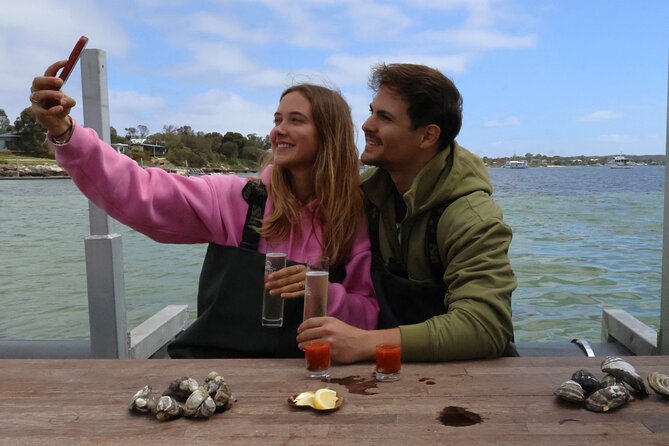
Coffin Bay oysters have a reputation in South Australia for a reason, but this tour is built around more than eating. The real hook is that you’re not only tasting the ocean’s work—you’re standing in it. You climb into waders and head out to where oysters are farmed, with the farmer explaining what you’re seeing as you go.
This is one of those experiences where the details matter. When you learn the basics of how oysters grow, hang, and get harvested, the flavor makes more sense. The Pacific and Coffin Bay Angasi oysters taste cleaner and more alive when you’ve just watched the farming process play out in real conditions.
I also like that the tour makes room for questions. The guides are set up to teach, not just perform. People mention having a friendly, relaxed tone with humor and history, and that helps if you’re an oyster beginner. You won’t feel rushed into shucking or tasting like you’re on a conveyor belt.
You can also read our reviews of more tours and experiences in Port Lincoln.
Oyster HQ check-in and getting suited up for the water
Your day starts at Oyster HQ at 100 Esplanade, Coffin Bay SA 5607. The tour ends back at the same meeting point, so you don’t have to figure out a second drop-off after you’re wet and snack-happy.
The big prep item is clothing. You wear your normal clothes under waterproof waders that are supplied, so choose comfort over fashion. If it’s hot, bring a hat. If it’s cooler, pack a jacket. In winter, a scarf and beanie can help. Because you’ll be changing into waders and then getting in and out of the water, a camera is useful for the wading-and-shucking moments—but keep it secured.
Socks matter. Socks are required for wader use. You can bring your own socks, or you can purchase a pair from the tour office. It’s a small thing, but it makes a big difference for comfort when you’re stepping in and out of water for part of the experience.
The farmer-led story: oysters, Matthew Flinders, and why history fits the shoreline
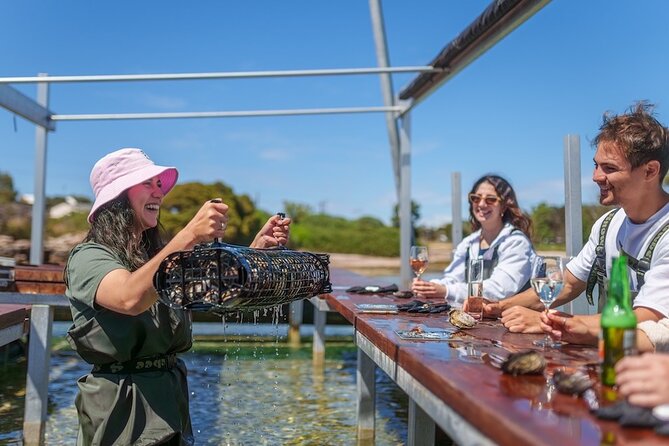
One of the more memorable parts of this tour is how it starts with context. You’ll hear from the oyster farmer himself, starting with a historical angle connected to Matthew Flinders’ voyage, before you move into the practical side of farming.
This matters because Coffin Bay isn’t just a “place with oysters.” It’s a working coast with a long relationship between people and the sea. When the tour links farming to the region’s maritime story, you get a better sense of why the leases and routines exist here, and why this industry has stuck around.
In real talk, this kind of opener is good for everyone. If you’re hungry for science, the farming basics come next. If you’re there for food and fun, the history keeps the pace lively before you get splashed and shucking.
Wading to the floating pontoon: seeing oyster farming up close
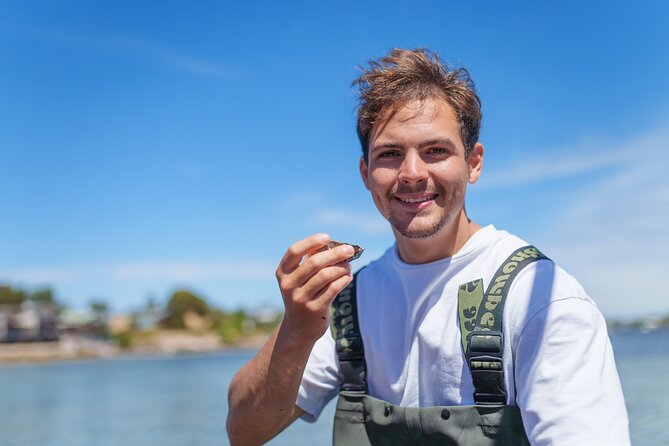
After the initial walk-through, you’ll climb into the waders and make your way out to a floating pontoon. This is where the experience shifts from explanation to observation.
You’ll learn how oysters are farmed by watching the setup in the water. That might sound simple, but it’s not. Oyster farming is a system—how oysters are grown, managed, and kept in the right conditions for harvesting. Seeing it in place helps you understand why Coffin Bay oysters can taste so distinct.
And yes, you get to taste oysters as part of this phase—fresh, straight from the water. That’s one of those “you can’t fake it” parts of the tour. The taste difference is what makes people talk about it later, especially if you’ve only had oysters at restaurants where they’ve already made a journey.
Wildlife is often part of the backdrop too. Coffin Bay is a seaside town in a rural setting, and the tour can be a good chance to spot seals and dolphins during the wading segment. Kangaroos and emus may show up in town. It won’t be guaranteed every time, but the setting is built for it, and that’s part of the charm.
Shucking lesson: Pacific and Angasi in your hands
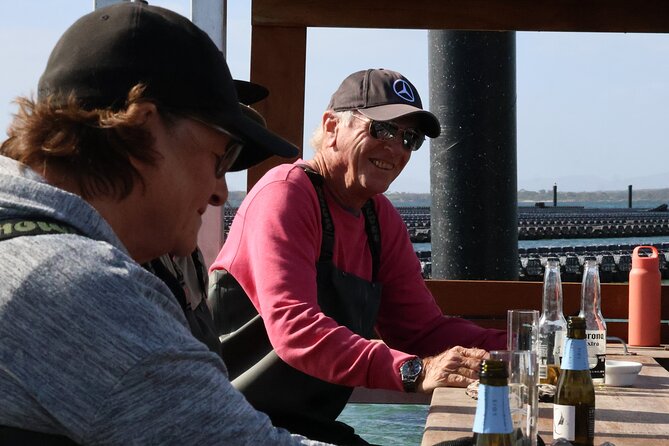
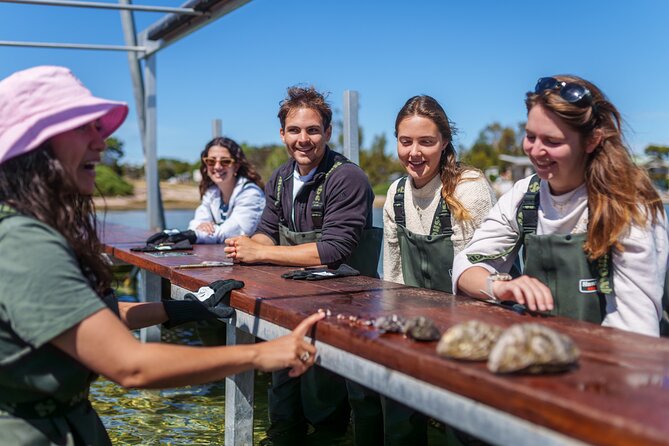
Here’s the part that turns a meal into an activity. You’ll get hands-on instruction to shuck your very own oyster. The guide walks you through the process, and you get practice with the knife and oyster itself until you’re comfortable enough to keep going.
This is especially valuable if you’re an oyster “virgin.” Shucking is intimidating because you’ve only ever seen it done fast by professionals. In this setting, it’s slower and taught step-by-step, with time to ask questions.
The tasting portion is built around two types:
- Pacific Oysters
- Native Coffin Bay Angasi Oysters
That combo is a smart way to understand the range of flavors. If you only try one type, you’re basically tasting a single style. Here you can compare and pay attention to how the oyster identity shows up on your palate.
If you’re worried about not liking oysters, this isn’t automatically doom. People have said they’ve found the experience fun even when they don’t normally eat oysters, and some tours will pack oysters up for you if you don’t want to finish everything on-site. (Still, if you have seafood allergies, make sure you declare them.)
Tasting with wine, sparkling wine, or a seafood platter upgrade
Food is the payoff here, and the tour gives you options. Depending on the option you choose, your tasting can be accompanied by a glass of wine, a bottle of sparkling wine, or a seafood platter.
I like that this lets you tailor the experience without changing the whole structure of the tour. If you want a straightforward oyster lesson, you can keep it simple. If you want the more celebratory version, the upgrade path is there.
Just keep expectations realistic: the core is the oyster farming walk, the waders, and the shucking lesson. The alcohol or platter is a complement, not the main event. If you like learning and doing as much as eating, you’ll get value from whichever option you pick.
One practical note from the way the experience is described: oyster availability can vary on some days. On at least one occasion, people report the tour still ran with oysters from elsewhere and the experience stayed good. The point is, you’re going for the whole process, not only a single perfect product on a single date.
Timing, group size, and what to expect on the day
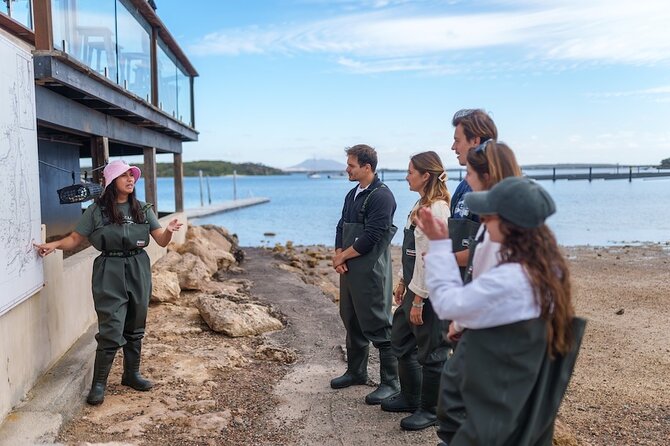
The tour runs about 1 hour 30 minutes. That’s a sweet spot. Long enough to get the story, get suited up, wade out, shuck, and taste. Short enough that you won’t feel trapped at the end of a travel day.
Group size is capped at 25 travelers, and that tends to make the whole thing feel less like a lecture and more like a guided activity. A smaller group also helps if you’re the kind of person who asks a lot of questions—or if you need a little extra help with shucking.
Weather is a key factor. The experience requires good weather. If it’s canceled because conditions are poor, you’ll be offered a different date or a full refund. That’s not just a fine print detail—it’s the difference between wading comfortably and having the day rewritten.
If you want to plan smart, dress for the water part and keep your hands dry as best you can. Bring socks, wear clothes you don’t mind getting damp near the wader edges, and pack a jacket if the forecast feels cool.
Price and value: what $68.14 buys you in real terms
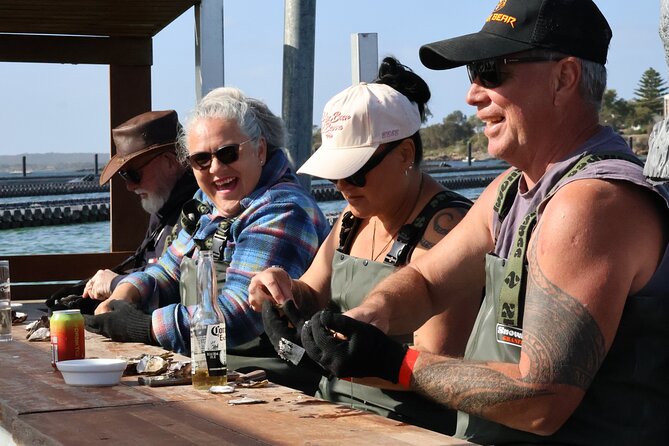
At $68.14 per person, you’re paying for a guided oyster farming experience that includes admission, waders, hands-on shucking, and tasting. On paper, that can sound like a lot compared to a basic food tasting.
In practice, the value comes from three things you don’t get with a typical “sit and eat” stop:
- You go out into the water in waders and see the farm setup.
- You learn a skill (shucking) from a farmer-led guide.
- You taste oysters on the spot, including Pacific and Angasi.
That combination turns the cost into something more like a paid workshop and meal than a simple appetizer tour.
Also, because you can upgrade to include wine/sparkling or a seafood platter, you can decide how “food-forward” you want the experience to be. If you’re traveling with someone who wants to celebrate, the upgrade can feel like a better match than dragging them through a bare-bones lesson.
If you’re doing multiple food activities in South Australia, this one helps you anchor your trip to the region’s signature product with real context. It’s not just flavor; it’s how flavor gets made here.
Who this Coffin Bay wading tour suits best (and who should rethink)
This tour is a great fit if you:
- Love hands-on food experiences
- Want to understand oyster farming instead of only hearing about it
- Enjoy learning from the person doing the work (the oyster farmer leads the tour)
- Want a fun activity that works for oyster novices and regulars
It’s also a good match for families and mixed groups because the pace includes doing. Even if someone doesn’t care about oysters, they’re still getting a unique wading setting and a guided shucking lesson.
Consider rethinking if you’re uncomfortable with getting in and out of wet waders, or if you don’t handle cooler or variable conditions well. Since weather affects whether the tour runs, you should also be flexible with your schedule.
On the positive side, the tour is designed so most travelers can participate, and service animals are allowed. It’s also described as near public transportation, which helps if you’re not driving.
Should you book this Coffin Bay oyster farm wading tour?
Yes, if you want an activity that’s more than a tasting plate. The waders + farmer-led farming lesson + shucking practice combo is exactly what makes this feel like a real local experience rather than a tourist stop.
Before you book, check one thing: your tolerance for a weather-dependent outdoor experience. If your schedule is tight and the forecast looks iffy, you may want to schedule this with a bit of buffer.
Finally, if you’re trying to decide between options, think about your travel style. If you enjoy learning and doing, you’ll be happy with the base tour structure. If you want a celebration vibe, the wine or sparkling upgrade (or seafood platter) is the simple way to turn this into a full-on treat.
FAQ
How long is the Coffin Bay Oyster Farm Wading Tour & Tasting?
The tour lasts about 1 hour 30 minutes.
Where do I meet for the tour, and does it end there too?
You meet at Oyster HQ, 100 Esplanade, Coffin Bay SA 5607. The activity ends back at the meeting point.
How much does the tour cost?
The price is $68.14 per person.
What do I do during the tour?
You put on supplied waterproof waders, learn about oyster farming from the oyster farmer, wade out to a floating pontoon, taste oysters, and take part in a hands-on oyster shucking lesson.
Which oysters are included in the tasting?
You’ll taste Pacific Oysters and the native Coffin Bay Angasi oyster.
Can I add wine, sparkling wine, or a seafood platter?
Yes. You can upgrade so your tasting includes wine, sparkling wine, or a seafood platter, depending on the tour option you choose.
Do I need to bring socks for the waders?
Socks are required for wader use. Bring your own socks, or you can purchase a pair from the tour office.
What happens if the weather is poor?
The experience requires good weather. If it’s canceled due to poor weather, you’ll be offered a different date or a full refund.
Is there free cancellation, and how far in advance do I need to cancel?
Yes. You can cancel up to 24 hours in advance for a full refund. If you cancel less than 24 hours before the start time, the amount paid is not refunded.