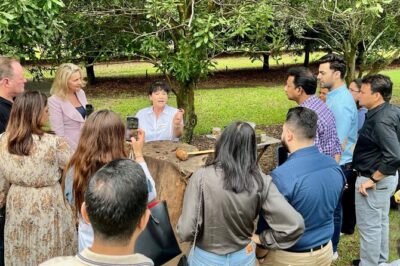
Olive oil scent sets the tone fast. This Makrigialos–Ierapetra day trip strings together farm-to-table flavor, old village streets, and a visit to Neapoli’s Cultural Museum—so you don’t just see Crete, you get the story behind it. I especially love the fresh virgin olive oil tasting, because the smell-and-taste contrast makes the whole day click.
The second thing I like is the focused guidance from the live tour guide—names like Tanja and Ulla show up in people’s feedback for their clear explanations and lots of answers. One possible drawback: the village time can feel a bit tight, and the olive oil stop may feel more visitor-friendly than hands-on, depending on how your group moves and what you’re hoping to learn.
In This Review
- Key things you’ll appreciate
- Getting oriented: where this tour fits in your Crete plans
- The olive oil farm stop: why the tasting is the real star
- Kritsa: the village streets, the fresco church, and a proper coffee pause
- Prina and the short “hidden gem” photo moment
- Kalamáfka / Limnes lunch stop: good food, but don’t over-plan
- Neapoli Cultural Museum: where the artifacts do the talking
- The timing question: how the pace can affect your day
- Souvenirs and a coffee in Agios Nikolaos: the nice extra
- Who this tour is best for (and who should skip it)
- Price and value: what $51 really buys you
- Practical tips so your day goes smoothly
- What you’ll likely learn: Crete through three lenses
- Should you book this Makrigialos–Ierapetra olive oil and villages tour?
Key things you’ll appreciate
- Virgin olive oil tasting near Agios Nikolaos, with real sensory payoff (smell, taste, compare).
- Kritsa coffee and church visit time, with a chance to slow down in picture-postcard streets.
- Prina guided walk, for another layer of traditional village life instead of nonstop bus riding.
- Traditional lunch stop in the Kalamáfka/Limnes area, built into the rhythm of the day.
- Neapoli Cultural Museum, where tools and artifacts help explain how Crete’s past worked.
- Photo stops and short breaks, which keep the day lively even when walking isn’t long.
Getting oriented: where this tour fits in your Crete plans
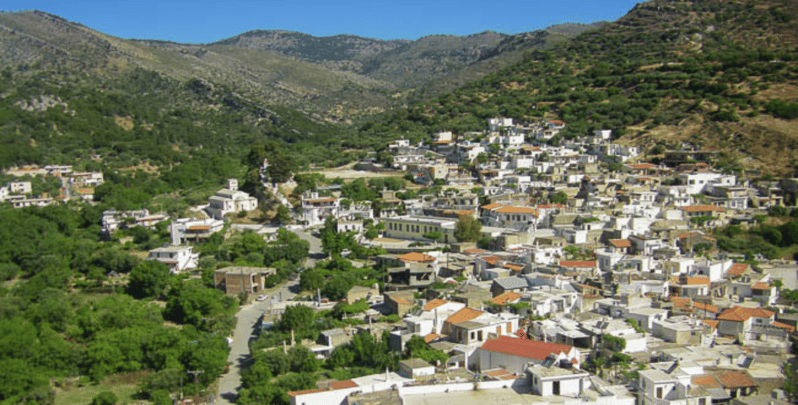
This is a good “first Crete day” type of outing if you want real culture without building a whole itinerary yourself. You’ll start with pick-up across the Makrigialos–Ierapetra beach strip, then head inland for a loop of villages and a museum visit before returning on a scenic route.
At 7 hours, it’s not a slow, stay-forever kind of experience. It’s designed for variety: farm tasting, village wandering, a guided museum, and a traditional lunch stop. That format is a plus when you’re short on time, but it can also mean you won’t go super deep in any one village—more “see and understand” than “live there for hours.”
The olive oil farm stop: why the tasting is the real star
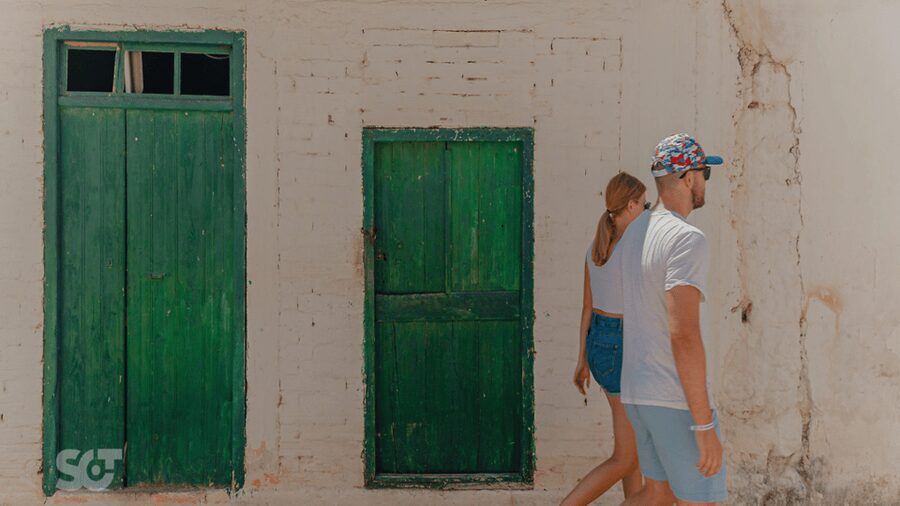
Your first major stop is an olive oil farm near Agios Nikolaos. The key here isn’t just watching olives get processed—it’s what comes next: learning the production process and then tasting fresh, local virgin olive oil straight from the source.
Why this works for most people: tasting turns abstract words like virgin and quality into something you can actually sense. If you like food experiences that don’t require special skills, this one is made for you. You smell first, then you taste, and suddenly you understand why Cretan olive oil isn’t treated like a generic product.
Two practical notes to keep your expectations straight:
- The farm entrance costs about 2€ per person, so budget that in your head.
- If you were hoping for a deeply hands-on, “work alongside people all morning” olive experience, you might find it a bit more visitor-friendly than farm-labor focused. It’s still worthwhile, but it’s best when you treat it as a tasting + explanation stop, not a working farm apprenticeship.
Kritsa: the village streets, the fresco church, and a proper coffee pause
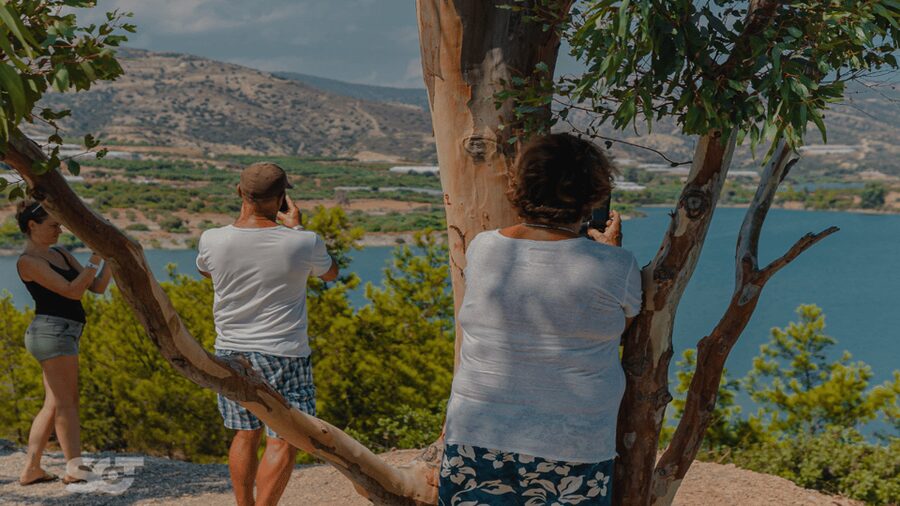
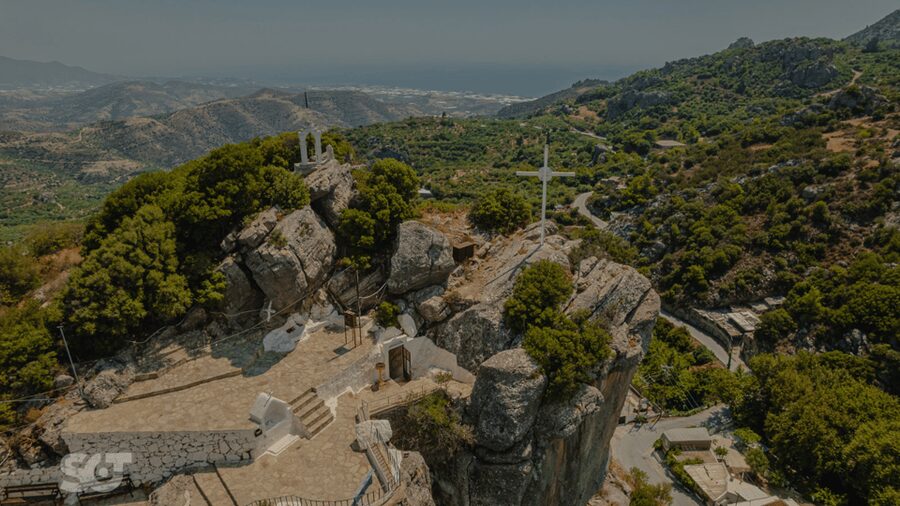
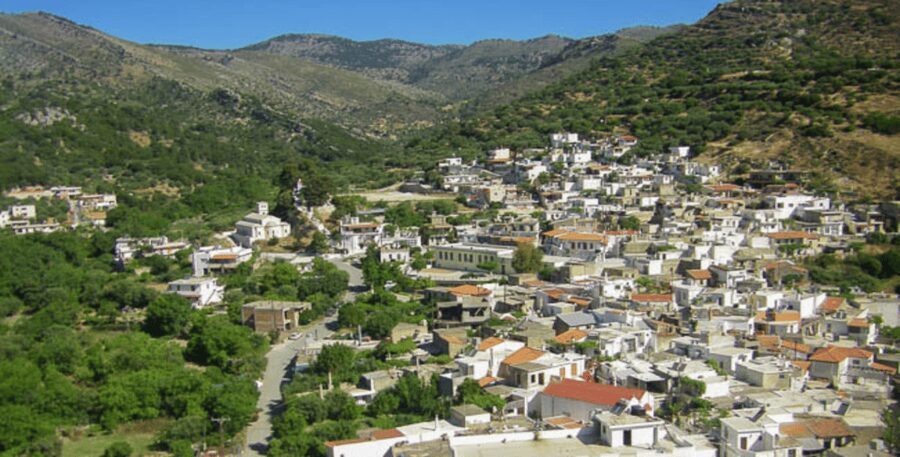
Next you’ll reach Kritsa, one of Crete’s most scenic and historic-feeling villages. You’re given time to stroll its charming lanes, visit an old church with stunning frescoes, and then slow down with a Greek coffee in the village square.
This is the part of the day that often feels most “Crete-vacation” in a good way. Kritsa isn’t just a photo stop with a quick look around. The program builds in enough time to actually wander: you can pop into corners you notice, linger by the church, and let the village atmosphere do its thing.
If you’re the type who likes to mark a village visit by how you feel after coffee, Kritsa is a strong match. The only caveat: because the day has multiple stops, the wandering time can feel limited if your group is large or moving quickly. Still, even a shorter stroll here beats rushing past everything from the bus window.
Prina and the short “hidden gem” photo moment
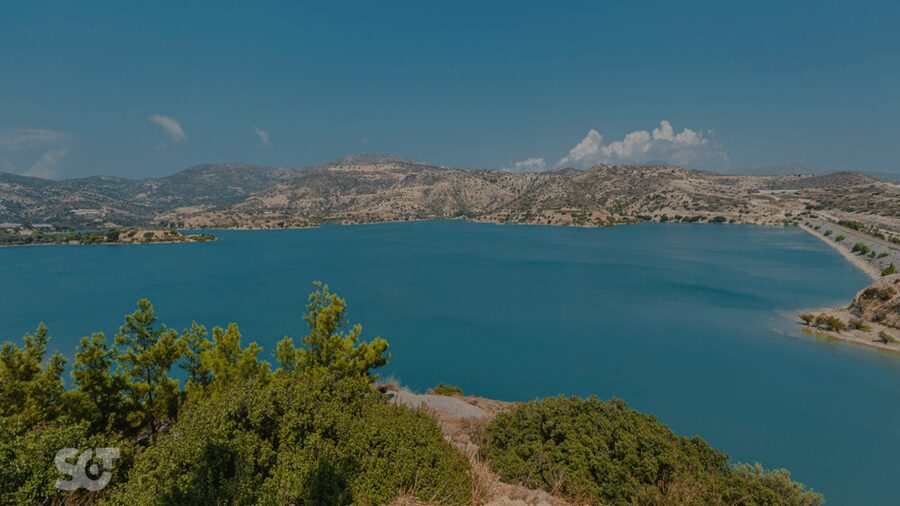
After Kritsa, the tour heads to Prina for a guided tour and a walk. This stop is shorter than Kritsa, but it adds value by keeping the theme of traditional village life going. Instead of repeating the same scenery twice, Prina gives you another perspective on how these places are laid out and how people lived in earlier times.
Then there’s a short photo stop labeled as a hidden gem. It’s brief—think quick viewpoint, quick photos—so don’t treat it like a full stop. It’s more like a palate cleanser between longer village moments.
Kalamáfka / Limnes lunch stop: good food, but don’t over-plan
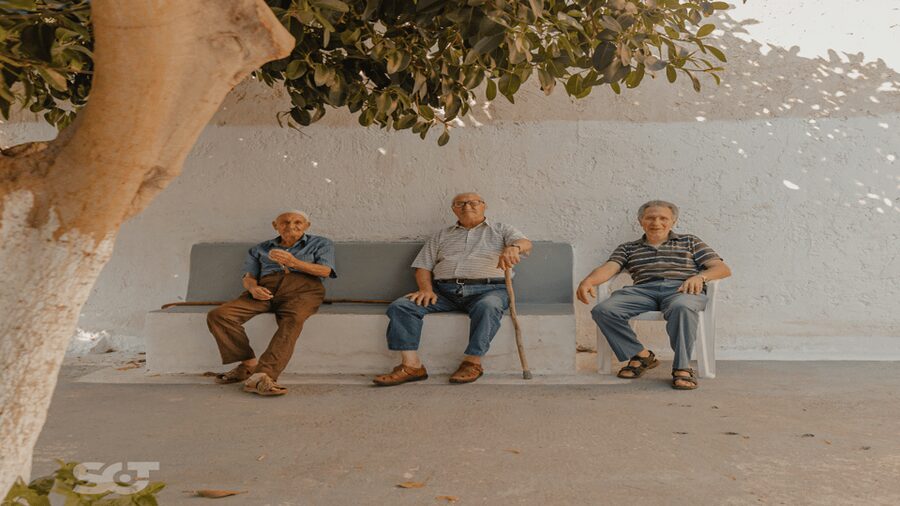
Your lunch break happens in a traditional village stop listed on the day’s schedule around Kalamáfka, and the overall description also points to the Limnes area for lunch. Either way, the idea is the same: you’ll eat a Cretan lunch prepared with fresh local ingredients, served at a cozy local taverna style stop.
This portion is one of the most practical reasons to like the tour. A lot of cultural outings forget that you’ll be hungry. Here, lunch is built into the flow, so you don’t have to improvise a meal between driving legs.
Two things to know:
- Lunch is on request and not included.
- You’ll also get a guided component and some walking time around this stop, so wear shoes you trust.
If you’re picky about lunch timing or you like long sit-down meals, you may want to keep your expectations aligned with a group day: the lunch is there to fuel you, not to become the main event.
Neapoli Cultural Museum: where the artifacts do the talking
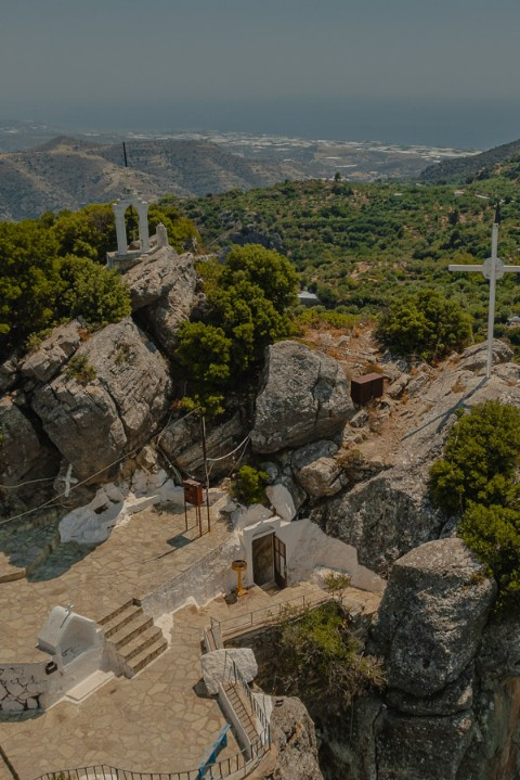
The final “learning” stop is at Neapoli’s Cultural Museum. This is where the tour shifts from scenery to understanding. Instead of only seeing old buildings and views, you get traditional tools and artifacts that bring Crete’s past to life.
Museums like this are at their best when you treat them like a conversation, not a checklist. The payoff is that you start recognizing the meaning behind what you saw earlier—village life, the rhythm of daily work, and why olive oil and farming culture matter so much in the region.
This stop also helps balance the day. After multiple village hours, the museum gives you a more structured, indoor way to slow down. It’s the kind of place where even short time can leave you with a clearer mental map of how Crete functioned before modern routines.
The timing question: how the pace can affect your day
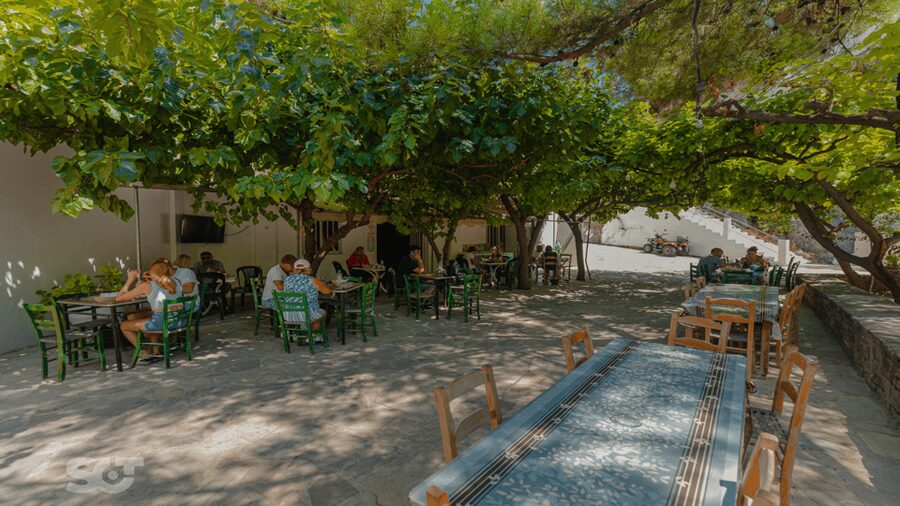
The tour is tightly planned: olive oil farm, Kritsa, Prina, a photo moment, the lunch/walk stop, then the museum, then the drive back. That structure is efficient, but it can create one issue—not enough time in the villages if you enjoy wandering slowly, sitting on a bench, or really exploring every street.
So here’s the practical way to decide if this pacing fits you:
- If you like curated variety and want to see several places in one day, you’ll likely feel satisfied.
- If you prefer deeper village time and fewer transitions, you might wish the walking and coffee stops were longer.
This is exactly where group size and movement style matter. A larger group or a faster pace can shrink your freedom. A smaller group with calm spacing makes everything feel better.
Souvenirs and a coffee in Agios Nikolaos: the nice extra
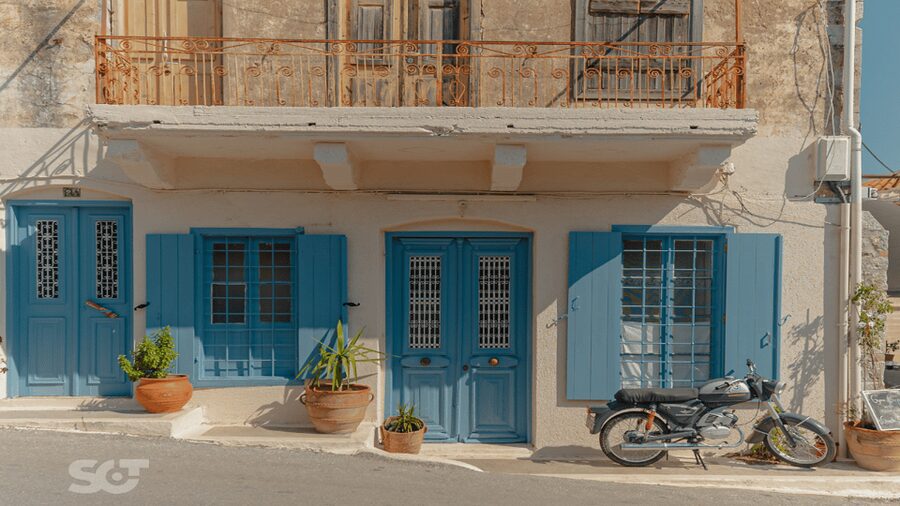
The highlights mention time for shopping souvenirs and grabbing a coffee in Agios Nikolaos. That’s a smart add-on in a tour like this: it gives you a chance to pick up something small without turning the day into a shopping mission.
Keep it simple: choose items that feel tied to the day—olive oil-related goods, local food products, or small handmade-style souvenirs—then stop. You don’t need a full haul, just a reminder of the flavors and places you visited.
Who this tour is best for (and who should skip it)
This experience is a strong fit for:
- First-time visitors to Crete’s southeast who want a cultural day with food.
- People who enjoy guided context alongside a bit of independent strolling.
- Food lovers who want the olive oil experience to be sensory and straightforward.
It’s less ideal if:
- You want long stays in one village.
- You’re hoping for a heavy, hands-on olive farming labor experience instead of a farm visit with tasting.
- You need wheelchair access. The tour is not suitable for wheelchair users.
Price and value: what $51 really buys you
At $51 per person, you’re paying for a full-day structure: air-conditioned bus transfer, hotel pickup/drop-off across 22 location options, and an experienced guide.
Then there are the add-ons:
- Farm entrance ~2€ per person
- Lunch not included (available on request)
If you think of the price as transportation + guide + planned stops, it’s good value for a 7-hour day, especially when you’d otherwise spend time figuring out where to go and how to connect villages. If you’re the kind of traveler who already knows exactly where you want to eat and prefers total independence, you might compare the cost against renting a car. But as a “make Crete simple for a day” option, this is priced fairly.
Practical tips so your day goes smoothly
A few basics make a big difference on a tour like this:
- Bring comfortable shoes. There’s walking at multiple stops.
- Pack a hat and sunscreen. Crete’s sun doesn’t care about your schedule.
- Have a camera ready, but also put it away sometimes. The coffee-and-street moments are the memories you’ll feel later.
- Plan for time in small village lanes where surfaces can be uneven.
Also note the tour rules: pets aren’t allowed (assistance dogs are okay), smoking isn’t allowed in the vehicle, and alcohol/drugs are not allowed in the vehicle. It’s a standard “keep it respectful” group-day setup.
What you’ll likely learn: Crete through three lenses
Even without going ultra-deep into any single topic, this day gives you three connected lenses:
- Food production through olive oil tasting and explanation.
- Daily life and village structure through Kritsa and Prina’s guided time.
- Cultural context through Neapoli’s museum artifacts and tools.
And the guide matters. Feedback points out that guides like Tanja and Ulla tend to be strong at answering questions and explaining how food and village life connect. That kind of guiding turns a standard sightseeing day into something that feels more like understanding Crete, not just checking boxes.
Should you book this Makrigialos–Ierapetra olive oil and villages tour?
Book it if you want a well-paced, guided Crete day with olive oil tasting, village wandering, lunch, and a museum stop—all wrapped into a single 7-hour plan with pickup and drop-off handled.
Skip it (or look for a slower option) if you:
- get frustrated when village time is short,
- only enjoy very hands-on farm experiences,
- or need wheelchair-friendly routing.
If your goal is a satisfying first taste of southeastern Crete—flavor plus context—this one fits nicely.