
REVIEW · PANAY ISLAND
Iloilo City Tour (Garin Farm, Molo Mansion/Church, Vanishing Mansion)
Book on Viator →Operated by Mamag Travel and Tours · Bookable on Viator
Spanish ruins are waiting in Iloilo. This full-day private tour strings together the sights that explain why Iloilo mattered during the Spanish era in Asia, with stops that mix forts, cathedrals, museums, and old mansions. You get a private setup plus entrance fees included, so you spend less time figuring out tickets and more time absorbing what each place tells you.
What I like most is how practical it is: the day is built around real landmarks, and key admissions are covered, including Fort San Pedro, Museo Iloilo, Jaro Cathedral, and Molo Mansion. I also love the stop at Museo Iloilo, where you’re not just looking at objects—you’re seeing the story of trade and local life through things like pottery and photos.
The main thing to consider is that the experience lives or dies on communication. Since you’re promised history and culture at each stop, make sure you’re getting clear English commentary; if your guide is more of a driver than an explainer, those 30-minute stops can feel rushed.
In This Review
- Quick takeaways
- How This Iloilo City Tour Fits Into One Long, Realistic Day
- Fort San Pedro: Why This Fort Explains Iloilo’s Trouble Before the World War
- Museo Iloilo: Pottery, Fossils, and Trade Routes You Can See
- Jaro Cathedral: The National Shrine of Our Lady of the Candles
- The Molo Mansion and St. Anne Parish Church: Elegance, Neglect, and a Comeback
- Netong’s Original Special La Paz Batchoy: A Food Stop That Shows Iloilo’s Debate Culture
- Camina Balay nga Bato: Ilonggo Life, Heritage, and Food in One Visit
- Price and Logistics: Does $135.60 Per Person Make Sense?
- Who This Private Iloilo City Tour Is Best For
- Should You Book This Iloilo City Tour?
- FAQ
- What time does the tour start?
- How long is the Iloilo City Tour?
- Is this a private tour?
- What’s included in the price?
- Is lunch included?
- What happens if weather is poor?
Quick takeaways
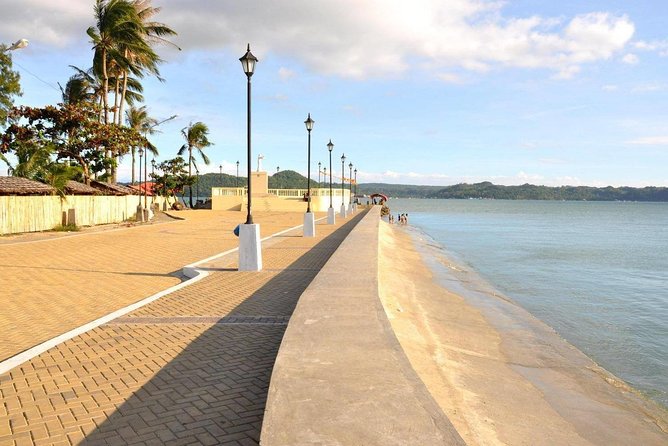
- Eight hours, many short stops means good value for seeing a lot, but don’t plan to linger.
- Fort San Pedro connects Spanish defense to WWII damage in a single hour (counting transit time).
- Museo Iloilo shows trade links through pottery from China, Annam, and Siam.
- Jaro Cathedral and Molo Mansion are strong architecture/photo stops in different styles.
- Netong’s Lapaz Batchoy stop is admission-free, but food costs depend on what you order.
- Camina Balay nga Bato adds Ilonggo culture and gastronomy in a “how people lived” format.
How This Iloilo City Tour Fits Into One Long, Realistic Day
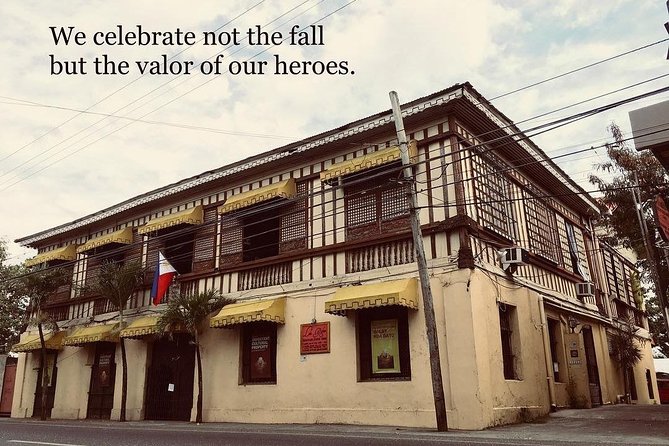
Iloilo City can be a little tricky if you try to do everything by yourself. Distances are manageable, but you’ll burn time on transport, ticket lines, and figuring out what matters most. This tour is designed to solve that. It runs about 8 hours, starts at 8:00 am in Iloilo City Proper, and returns you to the same meeting point.
The big payoff is the sequence. You start with a defensive landmark, then move into artifacts and religious architecture, then hit old elite homes—before ending with a food/culture stop. That flow helps you build a mental map: who held power, how outside forces arrived, and what daily life looked like for different groups.
One practical note: the itinerary is structured around around 30 minutes per main stop. That’s enough time to see the essentials and take photos, but it’s not enough for long conversations or deep reading in museums. If you want a slower pace, this may feel “hit-and-run.” If you want orientation and highlights, it’s a good match.
Fort San Pedro: Why This Fort Explains Iloilo’s Trouble Before the World War
Fort San Pedro is your first stop for a reason. It gives you the context for why Iloilo needed protection in earlier centuries—when outside threats weren’t abstract news. The fort was built to defend the city from invaders, including Dutch and Moro pirates.
What I find useful here is the timeline it implies. The fort fell into disrepair in the early 20th century and was destroyed during World War II. Even if you don’t go looking for every detail, those facts give you something important: Iloilo’s story isn’t only about Spanish churches and stately homes. It’s also about conflict, damage, rebuilding, and change.
Plan for this to be a “quick understanding” stop. You’ll have about 30 minutes with admission included. If you’re the type who likes to sketch, take notes, or read signs slowly, you may wish you had more time—but as a first stop, it does its job well: it sets the tone.
Museo Iloilo: Pottery, Fossils, and Trade Routes You Can See
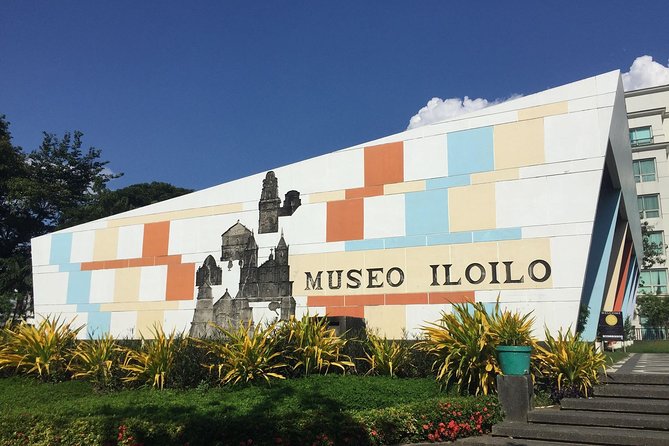
After the fort, Museo Iloilo is a smart pivot. You move from war and defense to objects and everyday life. This is one of the most content-heavy stops on the schedule, and it’s where the “history” part becomes tangible.
Inside, you can expect a collection that includes:
- stone age native pottery
- fossils
- jewelry and burial sites
- trade pottery from China, Annam, and Siam
- era photographs
The trade pottery detail matters. It’s easy to think of Spanish influence as the only big force, but the museum reminds you that Panay and the region had earlier connections through commerce. Seeing items labeled across China, Annam, and Siam turns the history into a network rather than a single storyline.
You’ll have about 30 minutes, admission included. That means you won’t see everything in depth, but you can still do something worthwhile: pick one theme and hunt for it (trade pottery is an easy choice). If you’re traveling with someone who loves archaeology-style artifacts, this stop is a strong anchor.
Jaro Cathedral: The National Shrine of Our Lady of the Candles
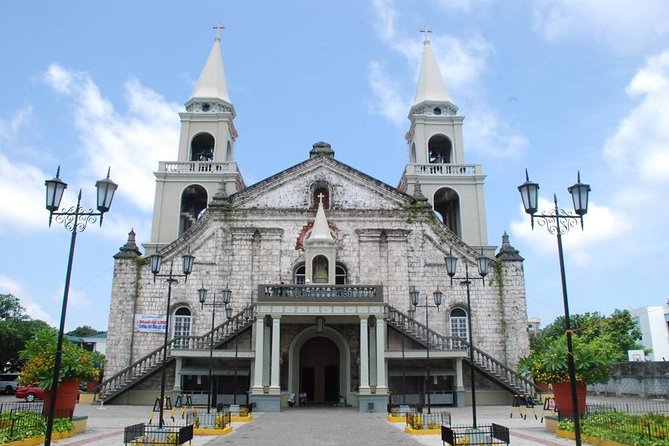
Next up is Jaro Cathedral, formally the Jaro Metropolitan Cathedral and the National Shrine of Our Lady of the Candles. It’s the seat of the Roman Catholic Archdiocese of Jaro, and it sits in the district of Jaro in Iloilo City.
This stop works because it’s both cultural and architectural. Even if you’re not religious, cathedrals are often the best places to read a place’s identity in stone: design choices, devotional traditions, and how communities built meaning around a central church.
You’ll get around 30 minutes with entrance included. It’s also a stop where good guiding helps—because a quick visit without context can turn into “pretty building, next!” If you want more than photos, ask your guide to focus on what makes this cathedral special as a national shrine and archdiocese seat.
If you’re sensitive to heat, plan to take breaks. Churches can be bright and sunny outside, and you may be transitioning from an air-conditioned vehicle.
The Molo Mansion and St. Anne Parish Church: Elegance, Neglect, and a Comeback
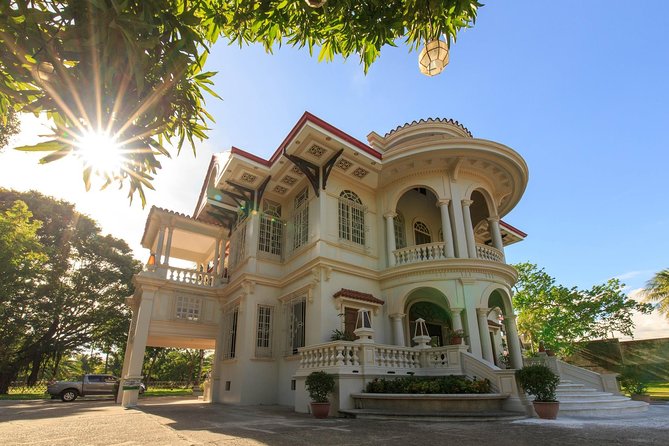
The Molo Mansion stop is one of those places where you can see social history. The house is formally the Yusay-Consing Mansion, popularly known as the Molo Mansion. It faces the town plaza and St. Anne Parish Church, so it isn’t isolated—you’re seeing it as part of a real neighborhood layout.
The mansion’s reputation also comes from its past hardship. The information you’re given emphasizes that it was neglected for several years. That detail matters because it changes how you interpret what you see. A grand house isn’t just architecture; it’s a reminder of people, status, and what happens when attention shifts.
You’ll spend about 30 minutes here with admission included. It’s enough time to take photos and get the key narrative beats, but again, it’s not for a slow read. If you’re picky about photo angles, arrive mentally ready to grab your best shots quickly and keep moving—your next stop is waiting.
Netong’s Original Special La Paz Batchoy: A Food Stop That Shows Iloilo’s Debate Culture

Even with a tight schedule, the tour wisely includes a food landmark. The stop is Netong’s Original Special La Paz Batchoy, and it’s specifically described as a top spot for Iloilo’s batchoy.
Iloilo has a never-ending debate about who does the best batchoy. This tour points you toward Netong’s as the authentic version for a visitor to seek out—especially if you’re trying to eat what Iloilo is known for, not just whatever is closest to your hotel.
Here’s what’s practical to know: the stop is listed as admission ticket free and lasts about 30 minutes, but the tour does not say lunch is included. So if you want to actually eat (and you probably do), plan for that extra cost. In other words, treat this as a guided meal opportunity, not a guaranteed free lunch.
If your group tends to order slowly, this is a good place to keep expectations realistic. Batchoy is filling, and 30 minutes can disappear fast once you’re seated and tasting.
Camina Balay nga Bato: Ilonggo Life, Heritage, and Food in One Visit

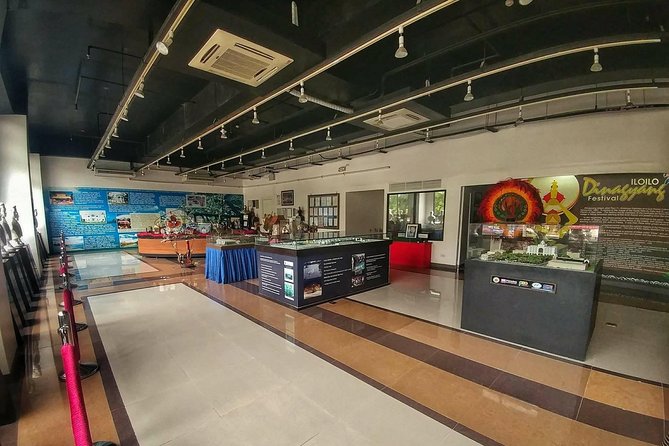
The final culture stop is Camina Balay nga Bato, which is presented as a showcase of Ilonggo culture, heritage, and gastronomy. The format is more than a museum hallway. You’re encouraged to experience how prominent Ilonggos lived more than 100 years ago, but in a modern setting.
That “how people lived” angle is important. A lot of heritage attractions show you objects. This one tries to help you understand routines and lifestyle—how a home could reflect identity, comfort, and social status.
You’ll have about 30 minutes with admission included. This is one of the stops where your enjoyment can vary based on your group’s interests. If you love food culture, this may be the most enjoyable part of the day. If you’re mainly focused on architecture, you might find it more entertaining than essential—but it’s still a useful final note, because it brings the tour from the colonial/elite world toward everyday Ilonggo identity.
Price and Logistics: Does $135.60 Per Person Make Sense?
At $135.60 per person for an about 8-hour private tour, the value depends on what you care about. You’re not just paying for a vehicle. Included items are meaningful: private transportation, air-conditioned vehicle, entrance fees, fuel surcharge, and parking fees.
That list adds up. In a self-planned day, entrance fees and transit costs can stack quickly. So if you want a single-day overview of Fort San Pedro, Museo Iloilo, Jaro Cathedral, and Molo Mansion—plus a food stop and a heritage showcase—this price can feel fair.
Where value can slip is in what you actually get from the guiding. The itinerary is structured for explanations: Spanish-era context, culture, and architecture. If your guide or driver doesn’t speak clearly in the language you need, you’ll still visit the sites, but the “why it matters” part may be missing. My practical advice is simple: confirm your expectation for language and commentary before you arrive. Ask what language the guide will use and whether you’ll get stop-by-stop interpretation.
Also remember: lunch isn’t included. If you eat at Netong’s or during Camina Balay nga Bato, budget for those costs. Factor that in and the price becomes easier to judge.
Finally, timing matters. This tour starts at 8:00 am, and it assumes good weather. If conditions are poor, the tour may be rescheduled or refunded. If you’re visiting during a rainy stretch, keep your most flexible day in mind.
Who This Private Iloilo City Tour Is Best For
This tour makes the most sense if you:
- want a one-day overview of major Iloilo highlights without planning routes
- enjoy history and architecture, especially Spanish-era influence
- prefer private pacing over joining a group van with strangers
- like the idea of museum time followed by cathedrals and heritage homes
It’s also a good fit if you have a limited number of days and you want to see Fort San Pedro, Museo Iloilo, Jaro Cathedral, and Molo Mansion in a single sweep.
It may be less satisfying if you:
- want long museum sessions or deep reading
- plan to do lots of walking beyond the stops
- expect very detailed narration at every location without checking your guide’s language first
Should You Book This Iloilo City Tour?
I’d book it if you want a structured, air-conditioned, entrance-fee-included day that helps you understand Iloilo’s Spanish-era significance and beyond. The mix of Fort San Pedro, Museo Iloilo, and the big architecture stops gives you a solid “I get the story now” payoff.
But book with your eyes open. The schedule is tight, and the experience depends on whether your guide can clearly explain what you’re seeing. If that part is important to you, message ahead and set expectations about language and commentary.
If you’re the type who likes to eat local staples too, you’ll also appreciate the batchoy stop at Netong’s and the Ilonggo culture focus at Camina Balay nga Bato.
FAQ
What time does the tour start?
It starts at 8:00 am and ends back at the meeting point in Iloilo City Proper.
How long is the Iloilo City Tour?
The duration is about 8 hours.
Is this a private tour?
Yes. It’s a private tour/activity, meaning only your group participates.
What’s included in the price?
The tour includes private transportation, an air-conditioned vehicle, entrance fees, fuel surcharge, and parking fees.
Is lunch included?
No. Lunch isn’t included.
What happens if weather is poor?
The experience requires good weather. If it’s canceled due to poor weather, you’ll be offered a different date or a full refund.