REVIEW · PORTO
Traditional Cooking Class, Farm Tour & Lunch in the Douro Valley
Book on Viator →Operated by Quinta de Louredo · Bookable on Viator
This farm meal feels like family time. At Quinta de Louredo, Fabio and Alfredo turn organic farm life into a hands-on food experience with panoramic views and a real sense of place. You’re not just watching cooking—you’re walking the property, picking what you’ll use, then learning classic Portuguese dishes in a bright home kitchen.
What I like most is the pace. You get fed well before the cooking starts, and then you cook (together) on your own schedule pace, with step-by-step help. One watch-out: the farm is rural, so you’ll want a clear transport plan from Porto by the time you need to meet for the 11:00 start.
In This Review
- Key Highlights Worth Your Time
- Quinta de Louredo: What This Farm Day Really Feels Like
- Getting to the Farm From Porto Without Stress
- Your Farm Tour: Picking, Animals, and the Why Behind the Food
- The Welcome Spread: Eating Before You Cook
- Cooking Together: How the Class Works in the Kitchen
- Lunch at One Table: Wine, Beer, and Leftovers
- Who This Is Best For (and Who Might Want Something Different)
- Value for $179: Where the Money Actually Goes
- A Note on the Hosts: Fabio and Alfredo’s Role
- Should You Book This Douro Valley Cooking Class and Farm Tour?
- FAQ
- How long is the Traditional Cooking Class, Farm Tour & Lunch in the Douro Valley?
- What time does the experience start?
- Where does the tour start, and does it end nearby?
- How big is the group?
- Is this experience offered in English?
- How much does it cost?
- Is there free cancellation?
Key Highlights Worth Your Time
- Small group size (max 10) makes it feel personal, not like a factory lesson.
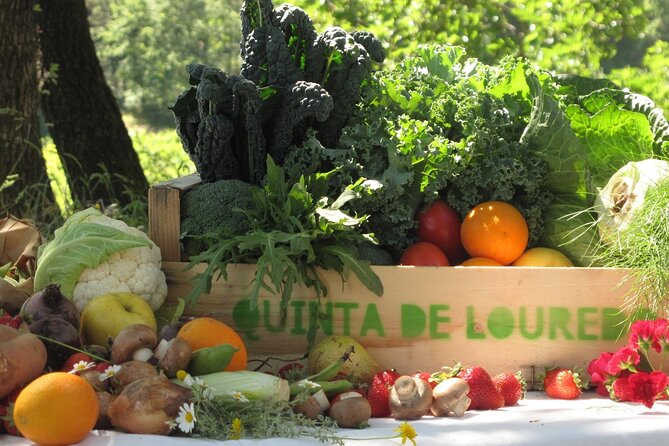
- Pick-and-cook style: you gather fruit and eggs for the meal, so lunch tastes like it came from the ground.
- Multiple courses of traditional Portuguese food with desserts in the mix (examples include custard-style sweets and Aletria Doce).
- A real farm story—including resilience after fires—explains why the food and the land matter.
- Food starts before cooking with a generous spread of cheeses, breads, olives, honey, jams, and more.
- Wine and beer with lunch keep the vibe relaxed as you sit around one table.
Quinta de Louredo: What This Farm Day Really Feels Like
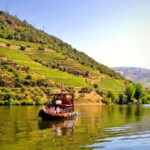
Quinta de Louredo isn’t trying to be fancy. It’s a working family farm, and you can feel that in every step of the experience. The setting is calm, open, and rural, with views over the hills where you’ll understand why people come to the Douro in the first place.
The “farm tour + cooking class + lunch” format works because it doesn’t feel chopped up. You tour the quinta first, then cooking makes sense because you’ve already seen the ingredients in their natural home. If you like eating where the food comes from, this is the kind of day that sticks with you.
It also helps that the group is capped at 10 people. That’s big enough for fun conversation and shared table energy, but small enough for the host to keep an eye on how you’re doing in the kitchen.
You can also read our reviews of more tours and experiences in Porto.

Getting to the Farm From Porto Without Stress
This is the one practical detail that can make or break the day. The meeting point is at R. Lourêdo, 4630-110 Marco de Canaveses, Portugal, and the experience starts at 11:00 am. The good news is it’s described as near public transportation.
In practice, you’ll likely use trains as your backbone and then rely on a taxi or coordinated pickup for the last stretch. Fabio has helped guests coordinate train timing and arrange transport between Porto and Marco de Canaveses, so if you’re planning on doing it solo, message in advance and ask what route he recommends.
Also: plan to arrive a bit early. The farm day has a rhythm, and once you’re there you’ll move quickly from welcome snacks to walking the property to cooking.
Your Farm Tour: Picking, Animals, and the Why Behind the Food
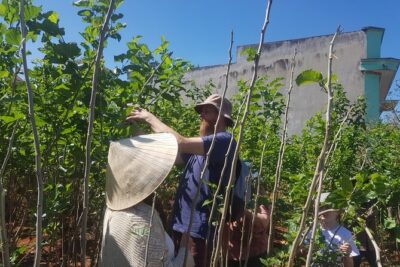
The heart of the morning is the walk around the farm. You’ll be out in the open, meeting the animals and seeing how the place runs day to day. This isn’t a quick “look and go” loop. The tour is long enough for you to notice details, ask questions, and work up an appetite.
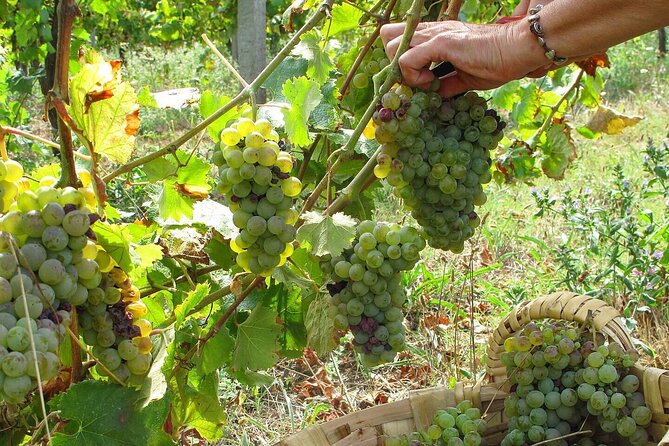
Depending on season, you might pick strawberries, lemons, plums, or other fruit. Eggs are a common part of the story too, and you’ll learn how farm inputs become table inputs. In a lot of European cooking classes, ingredients are already chopped and measured. Here you get to do some of the gathering, which instantly makes the meal feel personal.
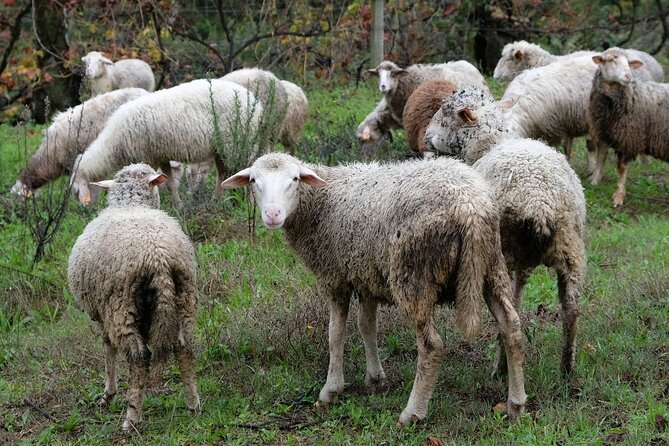
You’ll also meet the farm crew: dogs, cats, and livestock like goats and cows have shown up in people’s experiences, and there can be smaller additions such as baby chicks and geese. The point isn’t just cuteness—it helps you understand that the quinta is a system, not a backdrop.
One extra layer matters: the family’s resilience. Some guests described how land was affected by fires and how Fabio and Alfredo rebuilt, planting olive and fruit trees where grapevines used to grow. When you hear that kind of story while you’re holding an ingredient, cooking turns from a fun activity into a meaningful connection.
The Welcome Spread: Eating Before You Cook
In many cooking classes, you start with theory and then eventually eat. Here, you get the opposite. You arrive and food is already happening.
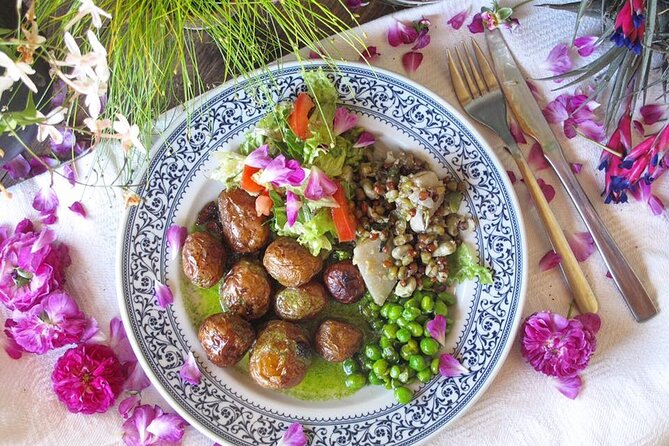
Expect a big, farmhouse-style spread that can include farm-made sausages, cheeses, breads, olives, honey, and jams. Several people also mentioned fruit available on-site and drinks like wine. This welcome meal matters because it sets the tone: you’re not rushed, and you’re not hungry while learning techniques.
It’s also a smart value piece. You’re paying for a whole day experience, not just “an hour of cooking.” That means you spend the money on food that you actually eat, not just ingredients you touch.
Cooking Together: How the Class Works in the Kitchen
Once the tour part ends, you move to the kitchen—designed for group cooking and built for real work. Guests have called out the kitchen as spacious and well equipped, with views over the surrounding hills while you cook.
The teaching style is practical. You’ll cook in a step-by-step way, and the host is actively involved while you prepare dishes. People describe it as friendly and accommodating, even for kids, because tasks can be broken into manageable steps like mixing, chopping, or assisting with cooking.
What you make varies a bit by season and group, but the consistent theme is traditional Portuguese dishes made from what you gathered or what’s locally available. Examples mentioned in experiences include:
- An onion-tomato poached egg style soup
- Tomato-onion soup
- A cod-based main with sides like potato elements
- Scrambled eggs using fresh eggs from the farm
- Custard desserts with flavors like lemon and cinnamon
- Aletria Doce, a sweet noodle dessert
That variety is useful for you. It means you’re not leaving with one recipe you half-remember—you get a menu of flavors that covers savory starters, mains, and dessert.
Also, the host often shares the “why” behind the food. Not as a lecture—more like conversation that helps you recreate the dishes later, without needing to guess the flavor logic.

Lunch at One Table: Wine, Beer, and Leftovers
After cooking, you sit down and eat as a group. The meal is served family-style in a relaxed rhythm. People have described it as a shared table where the host chats, tells stories, and keeps the energy warm.
Drinks are part of the lunch experience. Guests mentioned wine and beer, including wine made by the host on the property. Even when you’re not a heavy drinker, it’s still a nice touch because the meal feels like a genuine farm lunch, not a formal restaurant service.
One of my favorite practical touches: the host has packed leftovers for guests. That’s rare for many classes, and it gives you two benefits. You don’t waste food, and you walk away with something to eat later that still tastes like the day.
Who This Is Best For (and Who Might Want Something Different)
This is ideal for food-focused travelers who want more than a “watch and taste” lesson. If you like the idea of picking fruit or gathering eggs, then turning it into a traditional Portuguese meal, you’ll probably love how the day flows.
It’s also a good fit for couples. More than one experience described the day as a highlight, including celebrations like engagements and wedding moments. The vibe is intimate because the group is small and the host is hands-on.
Families can work here too. People described it as kid-friendly because the host explains in a simple, friendly way and keeps tasks engaging. If you’re traveling with kids who enjoy animals and hands-on tasks, the farm tour gives them something to do beyond sitting quietly.
The main reason someone might not love it is the rural timing. You’re starting at 11:00 am and ending back at the meeting point. If your Porto plans are tight or you hate planning transport, you’ll need to map that out carefully.
Value for $179: Where the Money Actually Goes
At $179.02 per person, this isn’t a budget “add-on.” But the price makes sense if you think of it as a packaged farm lunch plus a real cooking lesson.
Here’s what you’re typically paying for:
- A private-feeling group size (max 10), not a huge crowd
- A guided farm walk where you meet the animals and gather ingredients
- A multi-course meal you actually help cook
- A generous welcome spread before the class
- Drinks like wine and beer during lunch
- English hosting support
There’s also a small but helpful detail: the activity includes an admission ticket free component for the farm visit stop. That’s one less separate thing to worry about.
If you’re the kind of traveler who likes to take home fewer souvenirs and more recipes and memories, this tends to be worth it. You’ll leave with practical skills (how dishes come together) and flavors tied to the place.
A Note on the Hosts: Fabio and Alfredo’s Role
The experience depends heavily on the host energy, and that’s where this quinta shines. Fabio is repeatedly described as warm, welcoming, and generous—someone who makes you feel like you’re joining the family day, not performing for a class.
Alfredo also shows up in multiple experiences, including being described as hardworking and dedicated to organic farming and land preservation. Guests sometimes described Alfredo being present when he could and Fabio teaching or guiding when that was the setup.
The practical takeaway for you: ask questions. The hosts like to talk about the farm, the food, and the rebuilding story. If you show curiosity, you’ll get more out of the time in the kitchen and around the property.
Should You Book This Douro Valley Cooking Class and Farm Tour?
Book it if you want a genuine farm day in Portugal with food you help make. The best version of this experience is for people who enjoy cooking, animals, and the idea of eating something that came from the farm (eggs, fruit, and ingredients that are part of the daily routine).
Skip it if you need a strictly structured, timed-in-a-box tour with minimal walking and no rural transport planning. This is countryside living, so you should be comfortable with that rhythm.
If you’re choosing between “a cooking class” and “a cooking class plus a real farm day,” this one leans hard into the farm part. And that’s the reason it gets remembered: you don’t just learn Portuguese dishes—you understand them where they come from.
FAQ
How long is the Traditional Cooking Class, Farm Tour & Lunch in the Douro Valley?
It runs for about 4 hours.
What time does the experience start?
The start time is 11:00 am.
Where does the tour start, and does it end nearby?
It starts at Quinta de Louredo (R. Lourêdo, 4630-110 Marco de Canaveses, Portugal) and ends back at the meeting point.
How big is the group?
The maximum group size is 10 travelers.
Is this experience offered in English?
Yes, it’s offered in English.
How much does it cost?
The price is $179.02 per person.
Is there free cancellation?
Yes. You can cancel up to 24 hours in advance for a full refund.