REVIEW · PORTO
Porto: 3 Wine Regions & Farm Lunch with Views Small-Group
Book on GetYourGuide →Operated by To Do In Portugal · Bookable on GetYourGuide
Few places deliver views and wine this efficiently.
This small-group day trip takes you from Porto into the Douro Valley, a UNESCO World Heritage wine region, with time for photo stops and real tastings at three estates. I like that it mixes big-name context (you may visit Croft) with hands-on moments at family-run producers, so the story doesn’t feel like a script.
The two parts I’d put at the top are the tastings and the lunch. You’ll sample Port and DOC Douro wines, and you’ll also taste regional products like honey and olive oil alongside the wine education. Then you’ll eat a traditional regional lunch in a vineyard setting, paired with wine, in a place built for lingering.
One drawback to plan around: it’s not built for everyone’s mobility. The tour also has a “limited places” feel (max 8 people) and can sell out fast, so you’ll want to lock in your spot early.
In This Review
- Key Points to Know Before You Go
- A Small-Group Douro Day From Porto (and Why It Works)
- Getting Started: Pickup at Trindade and the Morning Rhythm
- River Views and Photo Stops Along the Douro Drive
- The First Estate: Port and DOC Douro Tastings With Local Insight
- Lunch With Vineyards in Front of You
- Second and Third Stops: Family Estates, Port Style, and Regional Products
- What Makes the Tastings Different: Port vs DOC Douro
- Transport and Comfort: Private Vehicle, Protected Spaces, and Heat Control
- Price and Value: Is $118 Worth It?
- Who This Douro Tour Fits Best (and Who Should Skip It)
- Should You Book This Porto to Douro Wine Day?
- FAQ
- How many wineries or estates does this tour include?
- Is the tour small-group, or can it get crowded?
- What’s included in the lunch?
- Where do I meet the guide in Porto?
- What’s the total duration of the tour?
- Is luggage allowed?
- Is this tour suitable for people with mobility impairments?
Key Points to Know Before You Go
- Small group (max 8 people) means more time with the guide and less waiting around.
- 3 estate visits with Port and DOC Douro tastings, plus regional add-ons like olive oil and honey.
- Vineyard lunch with wine in scenic surroundings, not just a quick stop to refuel.
- Guides run the day in English or Portuguese, and you may get standout hosts like Márcio, Nuno, Emanuel, Job, or Marco.
- Comfortable private transport plus multiple scenic/photo stops along the Douro River route.
- No large bags or luggage, so pack light and travel easy.
A Small-Group Douro Day From Porto (and Why It Works)
This tour is designed for people who want the Douro Valley to feel personal, not rushed. With a maximum group size of 8, the pace tends to stay human: the guide can answer questions, the tastings feel less chaotic, and you’re not stuck listening from the back of a crowd.
I also like how it starts with the right mindset. You’re not just chasing wine bottles; you’re learning how the valley’s steep slopes and river curves shape what ends up in your glass. The day includes both Port and DOC Douro tastings, so you get contrast: fortified wine style versus the classic table wines that define the region.
Price-wise, $118 for a 9-hour day can sound steep until you price out what’s included. Here you’re getting a guide, private vehicle transport, three estate tastings, and lunch with wine. For the Douro, that combination is usually where the real value hides.
You can also read our reviews of more tours and experiences in Porto.

Getting Started: Pickup at Trindade and the Morning Rhythm
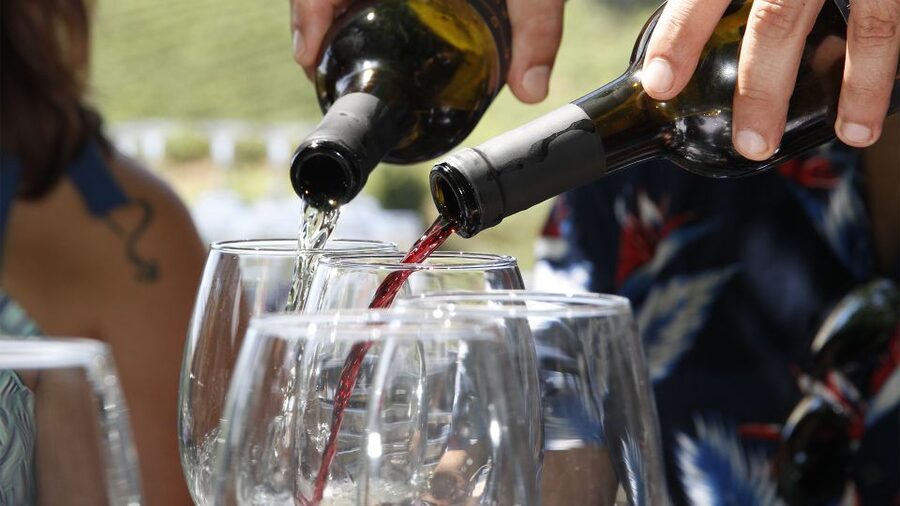
You meet near the bus stops by Trindade Metro Station in central Porto. This matters because it puts you close to the start of the day instead of forcing an awkward trek across town. Drop-off is also back in the Porto area (Trindade), so you don’t end up stranded far from where you’re staying.
The morning begins with van time as you head toward the Douro. You’ll get a break for breakfast at a coffee shop (about 20 minutes). That short window is enough to get going without wasting your whole morning, and it’s also a good moment to grab water before tastings start piling up.
Timing is one reason the tour feels smoother than many full-day winery options. There are scheduled photo stops for views, but they’re brief enough that you still reach the first estates while everyone is awake and ready to taste.
River Views and Photo Stops Along the Douro Drive
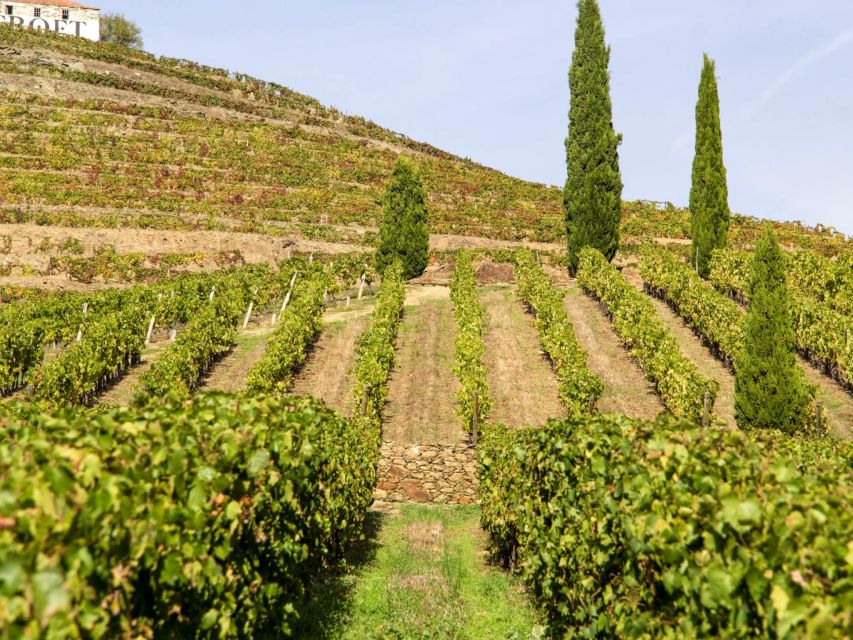
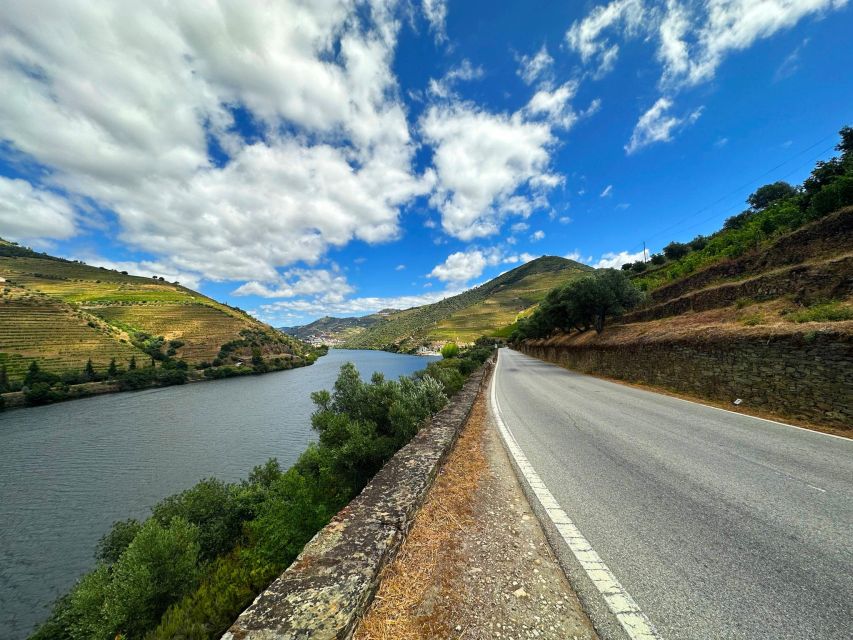
On the drive, the tour builds in pauses so you can actually see what people mean when they talk about the Douro Valley’s dramatic river bends. You’ll have scenic viewing time on the way, including a stop by the Douro River for photos, plus another viewpoint in the São Cristovão do Douro area.
These aren’t long “stand here and wait” breaks. They’re timed windows to step out, look around, and take pictures while the light is good and the valley feels at its most cinematic.
Practical note: bring comfortable shoes and a camera, and don’t wear anything that makes heat miserable. The tour itself may be sheltered, but the viewpoints are outside parts of the route. The weather guide is blunt for a reason: summers in the Douro can run very hot, and winters can feel cold, so dress in layers that match the season.
The First Estate: Port and DOC Douro Tastings With Local Insight
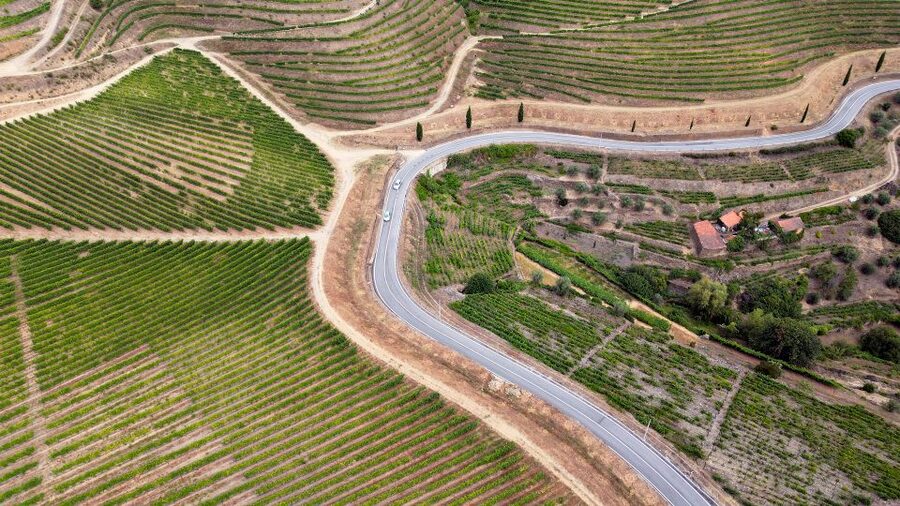
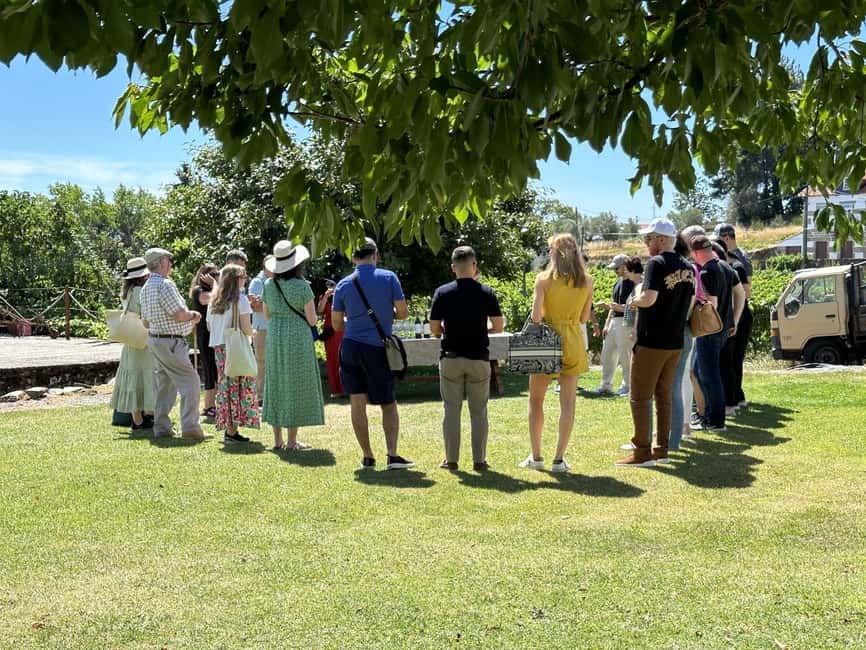
Your first winery experience is where the day starts turning into a real tasting tour. You’ll visit a traditional winery and sample DOC Douro and Port wines, with explanations of the wine-making process from the people who actually do the work.
This is where the small-group size pays off. Tastings can get repetitive when everyone tastes the same flight and the guide talks at full speed. With a max of 8, you’re more likely to get guided context that helps you notice differences in style, not just memorizing what’s in each glass.
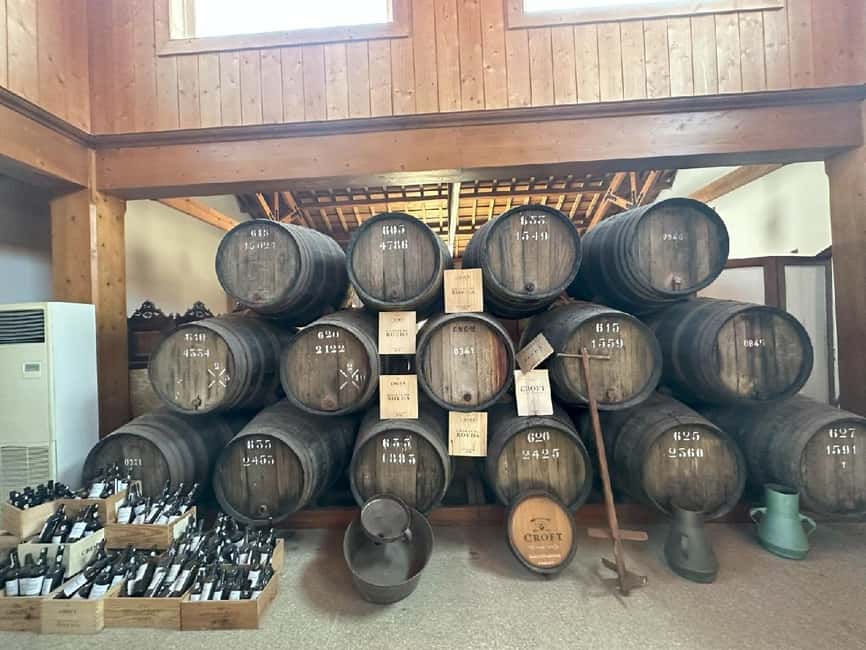
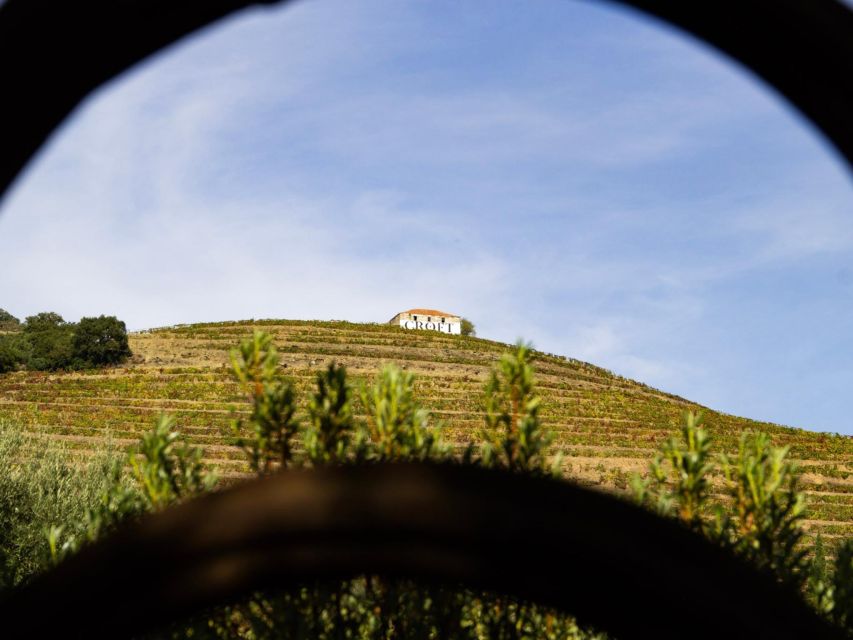
One detail that stands out from the set of stops you could get: some departures include a major producer such as Croft. That’s useful because it gives you baseline scale and quality control, which helps you understand what smaller estates are doing differently later in the day.
You should also expect food-friendly pacing. Tastings are spread out across the day, and lunch is later, so try to drink water and take your time during the pours. If you’re sensitive to alcohol, this is the point to slow down rather than trying to “power through” every wine.
Lunch With Vineyards in Front of You
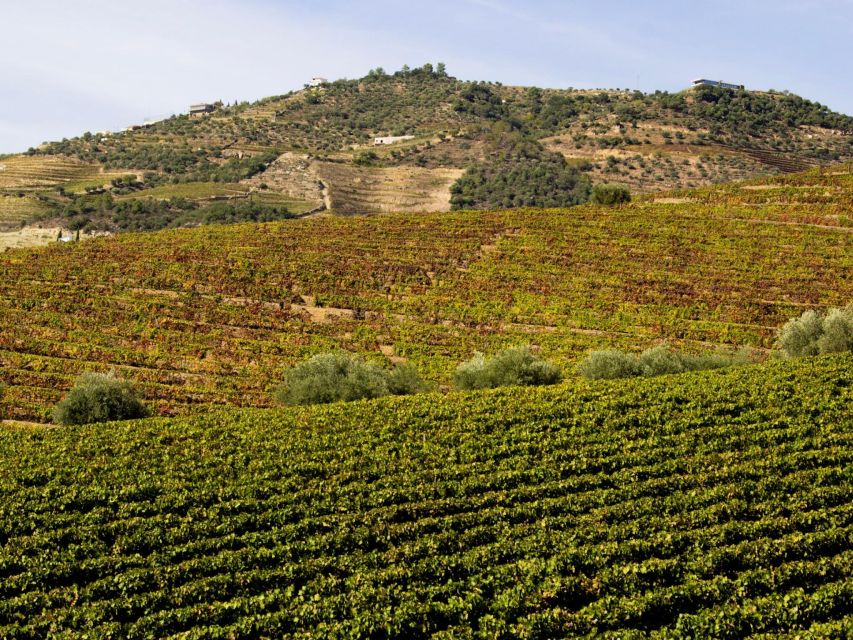
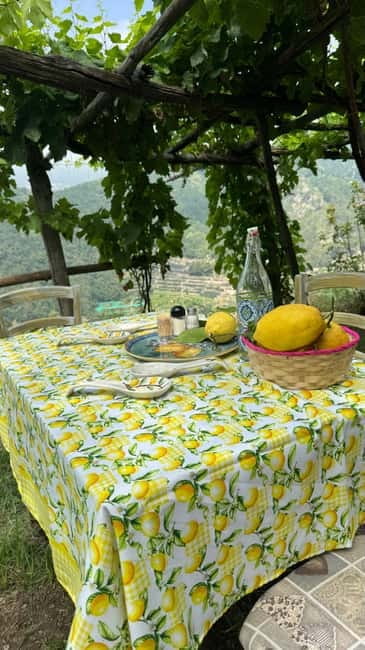
Lunch happens at a restaurant set up for the Douro experience: regional food, wine pairing, and views that make you forget you’re eating on a tour day. Your meal is described as traditional and regional, and the pacing fits the day well—after your first tasting, you’ve built up interest, and after lunch you’re ready to compare styles with a clearer palate.
Vegetarian and gluten-free options are available if you request them in advance. That matters, because winery lunches can otherwise be “salad with a side of wine” if you have dietary needs. Here the data is clear that meal accommodations exist, but you need to ask ahead of time.
A small practical tip: use lunch as your reset button. Take a moment away from the table wine pace, drink water, and think about the flavors you liked earlier. It makes later tastings easier to follow.

Second and Third Stops: Family Estates, Port Style, and Regional Products
In the afternoon, the tour continues with additional estate visits. These are where you often get the most emotional connection, because smaller producers tend to talk with more personality and more specifics about their vineyard choices.
You’ll visit family-owned wineries for more local insights and tastings. The tour doesn’t just focus on wine either. At the estates, you may taste Port wine, table wine, and regional products such as honey and olive oil. That combination can surprise you in a good way: it pushes your palate beyond grape flavors and helps you understand why Douro products work well with local cuisine.
One pattern that shows up in the experiences: different estates highlight different parts of the Douro story. One place may emphasize multiple wine samples alongside honey or olive oil, while another could focus more heavily on Port style. By the time you finish, you’ll have a clearer idea of how Port fits into the region’s broader identity.
If you’re a “notes person,” this is the time to write what you like while it’s still fresh. Port and DOC Douro can start to blur if you don’t pay attention. Short, simple notes like sweet vs dry, fruit vs spice, and how the wine changes as it warms can help you sort impressions later.
What Makes the Tastings Different: Port vs DOC Douro
This tour is built around contrast. You’re not just drinking wine; you’re tasting in categories that behave differently in your glass.
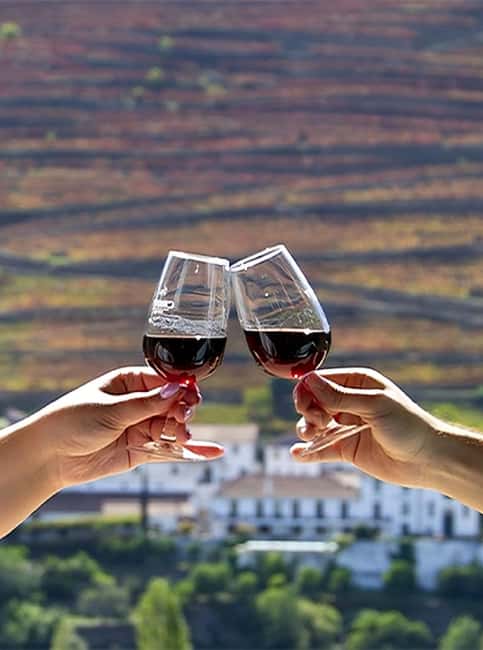
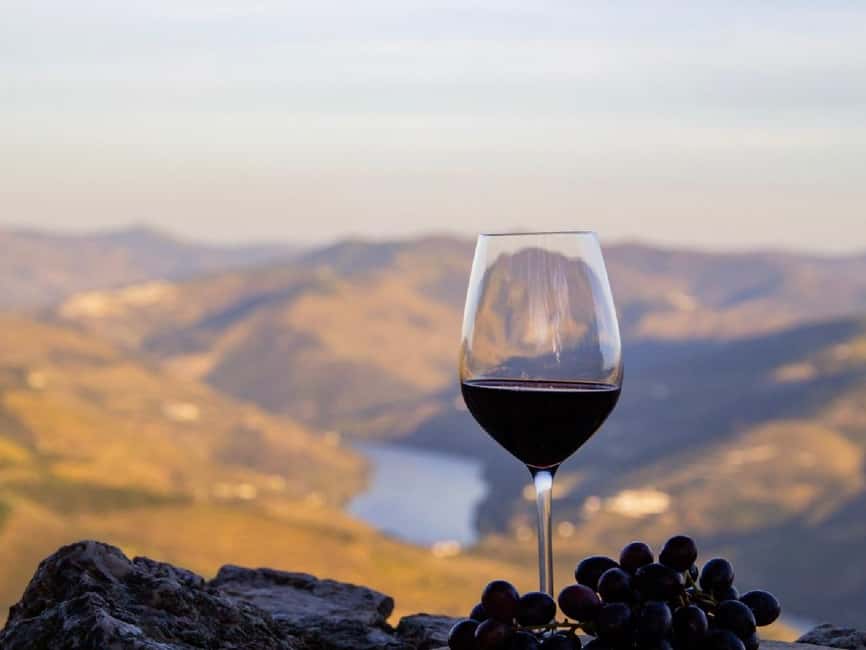
Port is fortified, and it tends to carry more sweetness and intensity. DOC Douro table wines are typically a different experience—more focused on grape character and less on the fortified sweetness you might associate with Port houses.
Why this matters for you: if you’ve ever tasted Port and thought it was either too sweet or too heavy, pairing it with DOC Douro tastings can help you recalibrate. You start to notice what you actually enjoy—structure, fruit, spice, and how the sweetness feels.
Also, the guide-led explanations matter. Multiple guides have been praised for timing and clarity, including hosts such as Márcio, Job, Nuno, Emanuel, and Marco. That kind of pacing helps you avoid the common problem where you’re tasting without learning how to taste.
Transport and Comfort: Private Vehicle, Protected Spaces, and Heat Control
The tour uses comfortable transportation by private vehicle, and the group stays small. That’s a big deal in the Douro, where roads wind and viewpoints come in quick sequences. Clean transport and smooth driving help you enjoy the scenery instead of arriving tired.
There’s also a weather practicality note. The tour says all activities happen in covered and protected spaces, even if conditions change. Douro weather can be unpredictable, and in winter it can feel damp, while summer heat can feel brutal—this setup helps the day keep moving.
Still, dress for the outside moments. Even if tastings are sheltered, you’ll step out for photo stops. Light summer clothes or warm layers in winter are the right move.
Price and Value: Is $118 Worth It?
For $118 and roughly 9 hours, you’re buying a whole day of structure: guide, transportation, three estate visits, and lunch with wine. The key value isn’t just the wine bottles—it’s the access.
Without a tour, you’d be piecing together winery appointments, paying for transport, figuring out which estates offer tastings, and finding a lunch spot with the right vibe. Here, the tour does that planning for you.
Also, the included tasting lineup is broader than many “just drink wine” trips. You’re not only tasting Port and table wines; you might also taste honey and olive oil. That extra range makes the day feel more like a regional food-and-wine education than a simple bus tour.
The only real cost you carry is personal expenses and your own snacks between tastings if you need them. Otherwise, you’re set.
Who This Douro Tour Fits Best (and Who Should Skip It)
This is ideal for:
- Wine lovers who want three estate experiences in one day
- People who care about learning the basics of Port and DOC Douro styles
- Travelers who prefer small group attention over big-bus logistics
- Anyone who wants a vineyard lunch with real views
It’s less ideal if:
- You have mobility limitations. The tour explicitly notes it’s not suitable for people with mobility impairments.
- You prefer moving at your own pace with no fixed stops. This is guided and timed, with planned photo moments.
If you’re traveling with a stroller or infant, infant seats must be requested in advance. If you’re traveling light, you’ll love the simplicity—just remember there’s no luggage or large bags allowed.
Should You Book This Porto to Douro Wine Day?
I’d book it if you want a full, satisfying Douro Valley day that mixes Port and DOC Douro tastings with a traditional vineyard lunch and the kind of small-group setup that keeps the guide’s attention on you. The format also works well as a highlight day from Porto because it gives you viewpoints, not just winery doors.
Skip it only if mobility is a concern or if you need total flexibility to wander. For most people—especially first-time Douro visitors—this is a solid way to get oriented fast: you leave with wine knowledge, regional flavors, and photos of the river that make it all feel real.
FAQ
How many wineries or estates does this tour include?
You’ll visit three estates for wine and Port tastings, plus regional product tastings like olive oil and honey.
Is the tour small-group, or can it get crowded?
It’s a small-group experience with a maximum of 8 people.
What’s included in the lunch?
Lunch is included and is a traditional regional meal, and wine is included as part of the experience. Vegetarian and gluten-free options are available if requested in advance.
Where do I meet the guide in Porto?
You can meet your guide at the bus stops next to Trindade Metro Station in the center of Porto.
What’s the total duration of the tour?
The tour runs for about 9 hours.
Is luggage allowed?
No. The tour does not allow luggage or large bags.
Is this tour suitable for people with mobility impairments?
No. The tour is not suitable for people with mobility impairments.