REVIEW · MONTEPULCIANO
Montepulciano: Italian Cooking Class at a Tuscan Farm
Book on GetYourGuide →Operated by Valdichiana Living · Bookable on GetYourGuide
Farmhouse cooking class with real Tuscan flavors sets the tone for the day. I love the hands-on approach in a small group, where you cook alongside local housewives using seasonal, zero-miles ingredients. It’s also the kind of class that treats food like daily life, not a staged performance.
I also love that the learning turns into a real meal at the same table—starting with pici and ending with a homemade dessert, paired with local wines. One thing to plan for: there’s no transportation service, so you’ll need your own way to reach the farmhouse once the meeting details are sent.
In This Review
- Key Points You’ll Care About
- Why This Tuscan Farm Cooking Class Feels Like Daily Life
- The First Pour: Welcome Drink, Small Group, and Flow
- Bruschetta and Croutons: The Easy-But-Serious Start
- Handmade Pici Pasta: Flour, Water, and Province of Siena Pride
- Tuscan Sauce and the Sharecropping Mindset
- Homemade Dessert and the Wine-Paced Rhythm
- Lunch or Dinner: You Sit Down to What You Made
- Learning If You’re a Beginner: No-Nonsense Guidance
- Price and Value: What $164.26 Really Buys
- Getting There: Know What’s Not Included
- Who This Class Suits Best
- Should You Book Montepulciano’s Tuscan Farm Cooking Class?
- FAQ
- Where does the class take place?
- How long is the cooking class?
- What dishes will I learn to make?
- Is lunch or dinner included?
- What’s included in the price?
- Is transportation included?
- How big is the group?
- What languages are spoken during the class?
- Will I get wine during the class?
- Is free cancellation available?
Key Points You’ll Care About
- Small group up to 10 makes it feel personal, not crowded.
- Welcome drink + wine between steps keeps the pace relaxed while you cook.
- Bruschetta and croutons focus on simple flavors: tomato, basil, and extra virgin olive oil.
- Handmade pici teaches a signature Tuscan pasta style from the Province of Siena.
- You eat what you cook, with lunch or dinner included and local wine pairing.
- English and Italian support from the host/greeter.
Why This Tuscan Farm Cooking Class Feels Like Daily Life
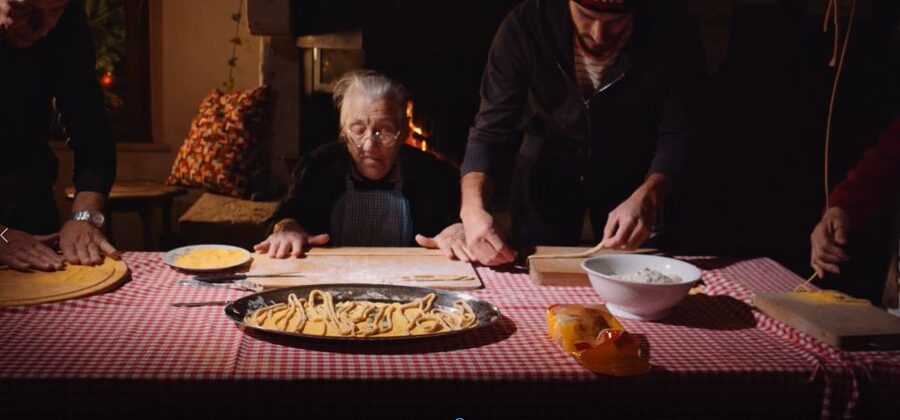
This is the kind of experience that doesn’t ask you to memorize fancy recipes. You get taught food the way it’s done on working farms and in neighborhood kitchens: practical, seasonal, and meant to feed people well.
The whole theme is the Tuscan way of life told through cooking. You’ll be working with local housewives, and the dishes are rooted in the sharecropping period—simple meals built from what’s available. If your goal is authentic flavor and real technique, this format is a strong match.
You’ll also feel the difference in the ingredient philosophy. The class sticks to seasonality and local zero-miles production, so your meal isn’t generic. It’s closer to what someone in the area would actually cook.
You can also read our reviews of more tours and experiences in Montepulciano.

The First Pour: Welcome Drink, Small Group, and Flow
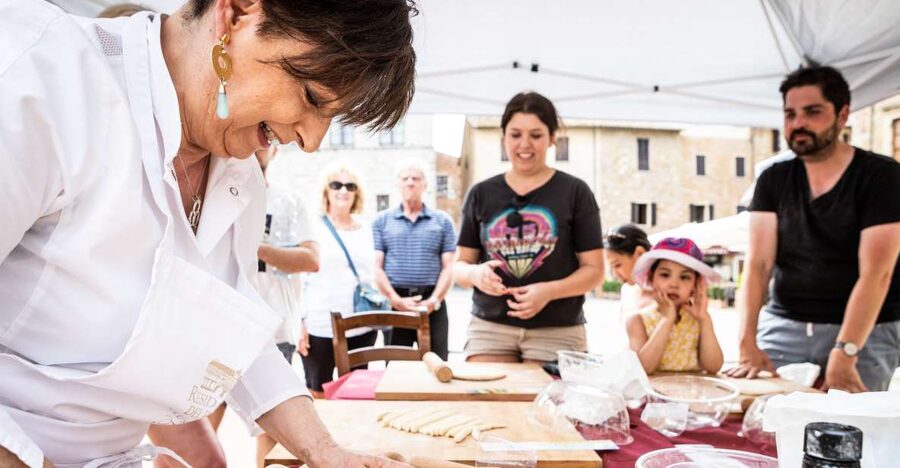
The class runs for about 3 hours, and the exact start time depends on availability. When you arrive, you’ll get a welcome drink before the cooking kicks in. That matters more than it sounds, because it sets a social tone right away—like you’re joining a table, not walking into a lecture.
This is a small-group experience with a cap of 10 participants. That size is key. It usually means you get hands-on guidance without constantly waiting for the host to notice you. You learn faster because you can ask questions and correct mistakes in real time.
Language support is also built in. The host or greeter speaks English and Italian, so you’re not stuck decoding gestures while flour flies. Even if you know only a few words of Italian, the structure keeps it understandable.
Bruschetta and Croutons: The Easy-But-Serious Start
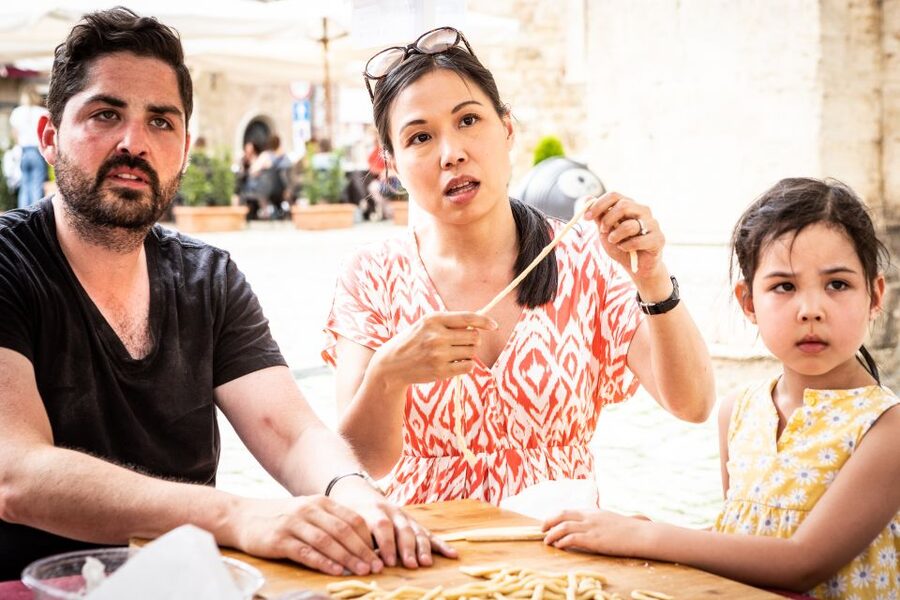
The class begins with bruschetta and croutons—an ideal first step because it’s simple, but it trains your sense of flavor. You’ll prep tomato and basil bruschetta, plus croutons using Tuscan extra virgin olive oil.
Here’s what I like about starting this way: bruschetta is a flavor map. Tomato, herbs, olive oil, bread—each part matters. When the host guides you early, you start building the taste habits that will carry through the rest of the meal.
You’ll also learn what makes the approach feel Tuscan. It’s not about complicated steps. It’s about getting a few ingredients right and treating them with respect. That’s how you end up with food that tastes like it belongs to the region.
If you’re new to Italian cooking, this first phase gives you confidence quickly. You’re not thrown into pasta making before you understand the basic rhythm of the kitchen.
Handmade Pici Pasta: Flour, Water, and Province of Siena Pride
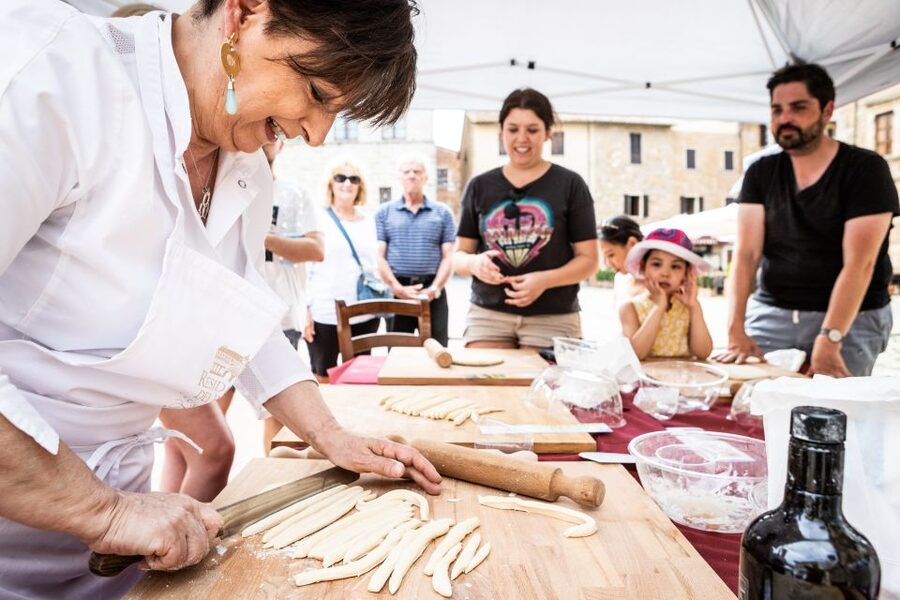
Next comes pici, the handmade pasta associated with the Province of Siena. You’ll mix water and flour to make the dough, then shape it as pici.
This is where the class turns from tasting to technique. Pici isn’t about fancy equipment. It’s about your hands, your pacing, and consistency. You’ll see why it’s considered such a classic: it’s straightforward in concept, but it rewards attention and practice.
And this is exactly why this class feels different from a quick cooking demo. You’re not just watching someone else do the work. You’re doing it, with guidance from the host and the local kitchen rhythm.
One practical note for your expectations: since pici is handmade, the experience emphasizes process. You’ll spend real time shaping the pasta, and the goal is learning the method—not rushing to make it look perfect.
Tuscan Sauce and the Sharecropping Mindset
After the pici dough is handled, you’ll move into the sauce. The class description doesn’t name every ingredient in detail, but it clearly frames the sauce as part of a Tuscan, sharecropping-era style meal—simple and satisfying.
This is where you’ll start thinking like a cook. Pasta is the base, but sauce is where the identity lives. You’ll learn how the sauce fits the pasta texture and why “simple” can still taste incredible when you build it correctly.
Between preparation steps, you’ll have wine to keep you company. That’s a small detail with big effect. It helps the class feel social instead of mechanical. You’re working, but you’re also enjoying the day like someone in the countryside.

Homemade Dessert and the Wine-Paced Rhythm
Once the main cooking is underway, the course finishes with a delicious homemade dessert. The class includes it as part of the overall 3-hour experience, which means you’ll go from savory to sweet without feeling like the meal is split into separate events.
Dessert can be the easiest way to measure a cooking class. If it’s bland or rushed, the whole experience can feel thin. Here, the dessert is explicitly part of what you’re making, and that keeps the energy high through the end.
And yes, wine appears during the session between preparations. That’s consistent with the overall tone: Tuscany as a place where food is central and time moves differently.
Lunch or Dinner: You Sit Down to What You Made
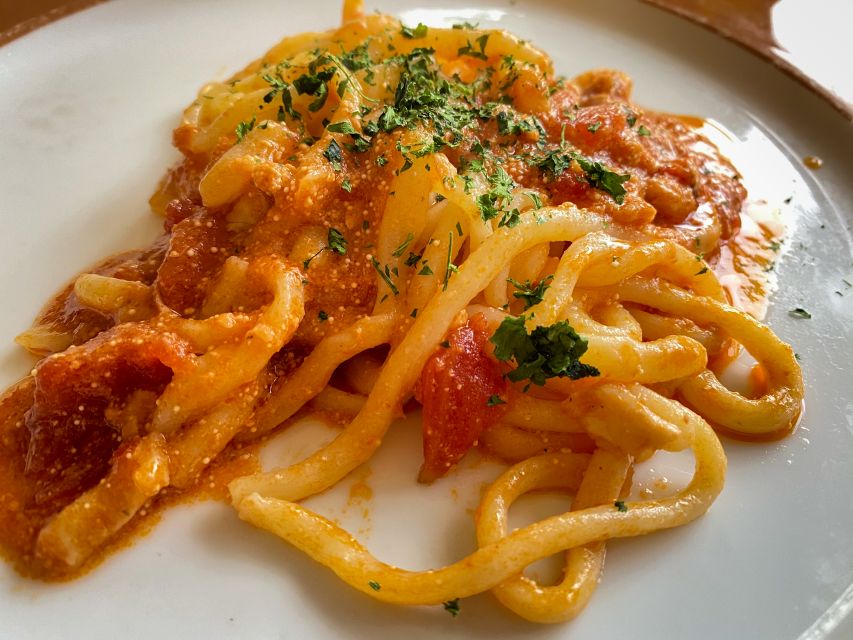
At the end of the course, the table is set and prepared with the dishes you cooked. This is one of the biggest value points, because you don’t just leave with recipes in your head. You taste the real result.
Your meal includes your bruschetta, your pici and sauce, and your homemade dessert. It also comes paired with local wines. That means the experience closes the loop: learning technique, applying it in your cooking, then enjoying it as a complete meal.
Whether it’s lunch or dinner depends on the time slot. Either way, you’ll finish with a proper sit-down meal rather than a quick tasting.
I also find that this structure improves your learning. When you taste what you made, you understand instantly what worked and why. It’s the fastest path from theory to confidence.
Learning If You’re a Beginner: No-Nonsense Guidance
The class format is built for normal people, not professional cooks. The guidance is hands-on and direct, which is exactly what you want when you’re making dough and shaping pasta.
In a setting like this, you also tend to find other participants who are in the same situation. That helps with comfort. You’ll likely feel like you can ask questions without worrying you’re the only one starting from scratch.
The praise for the host consistently points to warmth and solid teaching. The host experience matters in a cooking class, because timing is everything. Someone who can correct small mistakes quickly helps you enjoy the process instead of getting frustrated.
If you enjoy practical learning—cutting, mixing, shaping, tasting—this class hits the sweet spot.
Price and Value: What $164.26 Really Buys
At $164.26 per person, this isn’t a budget snack. But when you break it down, the value makes more sense.
You’re paying for:
- A 3-hour hands-on cooking class for a small group
- A welcome drink
- A full meal (lunch or dinner) that includes what you cooked
- A wine experience paired with the meal
You’re also getting the farm-and-local angle: seasonal, zero-miles ingredients and cooking rooted in the Tuscan sharecropping tradition. That ingredient focus and meal pairing aren’t just extras. They shape your final result and the way the class feels.
If all you wanted was a single dish, you could probably find something cheaper. But if you want a full Tuscan cooking day with real techniques and a sit-down payoff, this price sits in a fair middle zone for the experience you’re getting.
Getting There: Know What’s Not Included
Transportation service isn’t included. That means you should plan your timing around your own ride.
Also, the farmhouse location details are sent after you confirm. So don’t lock your day schedule too tightly until you have the meeting point info.
One smart approach: treat this as a pre-planned “food anchor” for your day. You’ll likely want enough margin to arrive on time, because the cooking flows in steps.
Who This Class Suits Best
This experience is ideal if you want Tuscan food with real technique, not just a photo-heavy stop. It’s especially good for:
- Couples or friends who want a shared activity in a small group
- First-timers who want a guided start in basic Italian cooking
- Food-focused travelers who care about local ingredients and seasonal cooking
- Anyone who likes meals where you taste what you made, straight away
If you’re allergic or avoid certain foods, the class details you provided don’t spell out substitutions. In that case, you’ll want to contact the provider before booking to make sure you’ll be looked after appropriately.
Should You Book Montepulciano’s Tuscan Farm Cooking Class?
Yes—if you want an authentic, hands-on Tuscany meal experience that doesn’t feel intimidating. The combination of small-group attention, practical instruction, and a full sit-down lunch or dinner makes it a strong value for the time.
Book it if you’re excited by bruschetta basics, curious about handmade pici, and happy to spend a few hours learning how Tuscan flavors come together step by step.
Skip it only if you can’t manage the logistics of getting to a farmhouse with no transportation service, or if you’re only looking for a quick tasting rather than a full cooking-and-eating session.
FAQ
Where does the class take place?
The farmhouse location for the cooking class is communicated after your booking confirmation.
How long is the cooking class?
The duration is 3 hours. Starting times vary, so you’ll need to check availability.
What dishes will I learn to make?
You’ll prepare bruschetta and croutons, then make handmade pici pasta, prepare a Tuscan pasta sauce, and finish with a homemade dessert.
Is lunch or dinner included?
Yes. The experience includes lunch or dinner.
What’s included in the price?
The included items are a welcome drink, the Tuscan cooking class, and lunch or dinner.
Is transportation included?
No. Transportation service is not included.
How big is the group?
The group is limited to 10 participants.
What languages are spoken during the class?
The host or greeter speaks English and Italian.
Will I get wine during the class?
Yes. A glass of wine is present between preparation steps, and local wines are paired with your meal.
Is free cancellation available?
Yes. You can cancel up to 24 hours in advance for a full refund.