REVIEW · MONTEPULCIANO
Cooking class at the farm in Tuscany
Book on Viator →Operated by Valdichiana Living · Bookable on Viator
Three hours. Three Tuscan courses. This cooking class at Valdichiana Living in Montepulciano turns a working farm setting into a practical, hands-on meal plan: starter, handmade pasta, and dessert.
I especially like how the hosts keep it friendly even in a small, mixed-language group, with English support that helps you stay on track.
The other thing I really enjoy is the payoff: you cook, then you eat your food with a glass of local wine, served in a relaxed, conversational setup (often outdoors). One possible drawback: transportation is not included, so you’ll want to think about how you’ll get there and back—especially if the timing runs late for driving.
In This Review
- Key Things to Know Before You Cook in Tuscany
- Tuscan Farm Cooking at Valdichiana Living: What You’ll Do
- Arriving in Montepulciano (53045) and Getting Settled on the Farm
- Cooking Starter: Typical Tuscan Products, With Real Ingredients
- Handmade Pasta Lesson: The Skill That Makes the Whole Class Click
- Tuscan Dessert: Finishing Sweet, Without the Fancy Stress
- Wine and Patio Service: Eating in a Convivial Setting
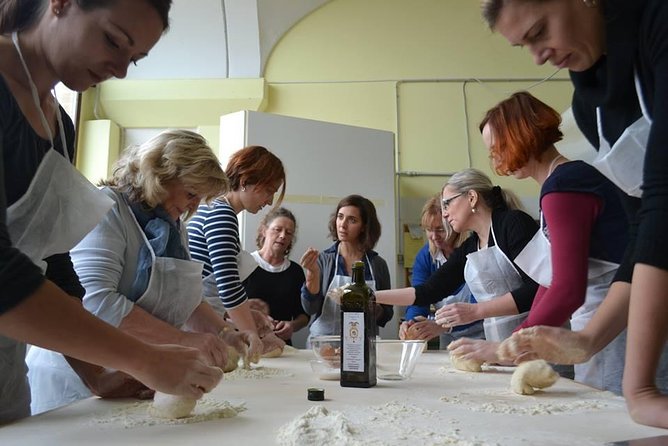
- Small Group Energy (Up to 15): Better Help, Less Waiting
- Price and Value: Is $174.60 Worth It?
- Practical Tips So Your Class Goes Smoothly
- Who Should Book This Cooking Class in Montepulciano
- Should You Book It?
- FAQ
- What’s included in the cooking class?
- How long is the experience?
- Where does the class take place?
- Is the class offered in English?
- What dishes will I learn to make?
- Do I eat what I cook?
- How large is the group?
- Is transportation included?
- What’s the cancellation policy?
- What if the experience is canceled due to minimum travelers?
Key Things to Know Before You Cook in Tuscany
- Small group size (max 15): more hands-on time and easier questions.
- Menu shifts with the season: you learn the basics, not a rigid script.
- English instruction: you’ll get help staying clear on technique and timing.
- You eat what you make: lunch or dinner paired with a glass of local wine.
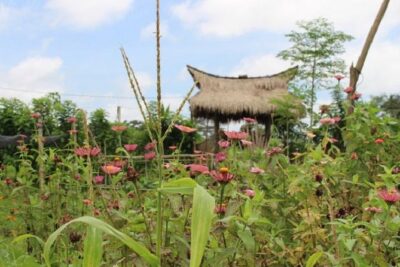
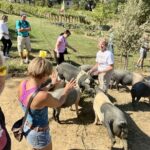
- A working-farm vibe: the views and setting are part of the experience, not wallpaper.
Tuscan Farm Cooking at Valdichiana Living: What You’ll Do
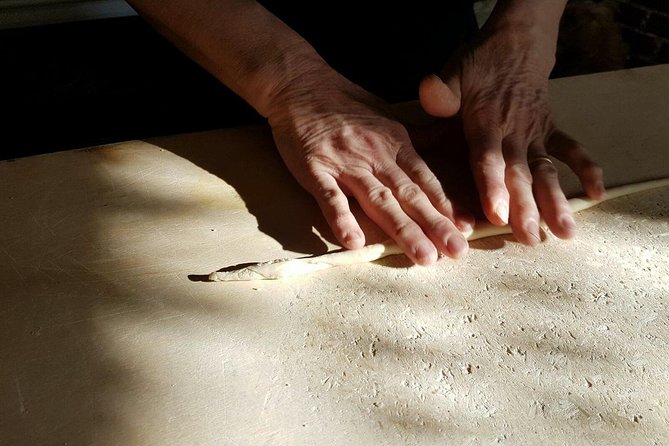
This is a 3-hour, hands-on cooking class in the Montepulciano area. You’ll work through a full mini-menu—an appetizer, fresh handmade pasta with its traditional sauce, and a Tuscan dessert. The exact dishes can vary a bit based on seasonal availability, but the focus stays the same: home-style methods you can actually use again.
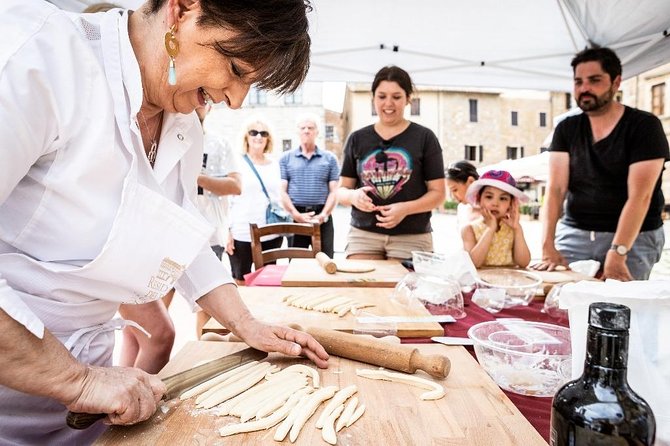
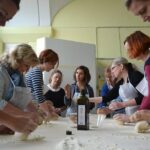
What makes this class feel different from a demo is that you’re not just watching. You’re shaping pasta, assembling components, and learning the logic behind the cooking. Then comes the best part: you sit down for the meal you prepared, with wine.
You can also read our reviews of more tours and experiences in Montepulciano.

Arriving in Montepulciano (53045) and Getting Settled on the Farm
The class starts at 53045 Montepulciano, in the Province of Siena. The experience ends back at the meeting point, so plan to return to where you started rather than needing a new plan at the end.
Once you’re there, you’ll get a welcome drink and a quick orientation. If you’ve ever felt rushed on cooking tours, this is more comfortable than that kind of setup. The vibe is friendly and practical, so you can focus on learning instead of figuring out what’s happening.
Also note the mobile ticket and the fact that confirmation is sent at booking. In plain terms: have your booking info ready on your phone when you arrive.
Cooking Starter: Typical Tuscan Products, With Real Ingredients
You’ll begin with a starter made from typical Tuscan products. The class is designed around what the farm and season can provide, so your exact starter can differ. One example that comes up is a chicken liver pâté or spread.
If you don’t eat liver, don’t panic, but don’t assume you’ll get something else either. This is one of those situations where it helps to be clear up front with your dietary needs. In a small class, instructors can sometimes adjust within reason, but you should treat the menu as flexible rather than guaranteed.
What you’re learning here is the Tuscan approach to simple, flavorful ingredients. You’re not just tasting; you’re understanding how a starter sets the stage for the meal—salty, rich, and balanced so the pasta feels even better afterward.
Handmade Pasta Lesson: The Skill That Makes the Whole Class Click
The main event is fresh handmade pasta with its traditional sauce. Even if your cooking skills are shaky, this is the kind of task that rewards patience and repetition. Your instructor guides the process step by step, and you get time to practice rather than being pushed along like a conveyor belt.
In a class like this, it helps to think about technique in two parts:
- dough handling (how you work it so it behaves well)
- sauce logic (how you build flavor to match the pasta)
That’s why this lesson is valuable beyond the meal. Once you understand the basics, you can recreate the style later with what you can source at home.
One instructor name that’s been mentioned in past sessions is Laura, and the impression is consistent: helpful, patient, and willing to work with beginners. If you’re worried you’ll be the slowest person at the table, don’t. This class is set up for real people, not just culinary acrobats.
Tuscan Dessert: Finishing Sweet, Without the Fancy Stress
After pasta, you shift to dessert. Like the starter, the exact dessert is a typical Tuscan one, and it may vary with what’s available. This is a good moment to relax because dessert work is usually less frantic than pasta dough, but still teaches you something: timing and balance.
Dessert also matters for the experience because it rounds out the meal into a full, cohesive Tuscan plate. You’ll finish with something that feels like it belongs to the same cooking tradition as the pasta—not a random sugary add-on.

Wine and Patio Service: Eating in a Convivial Setting
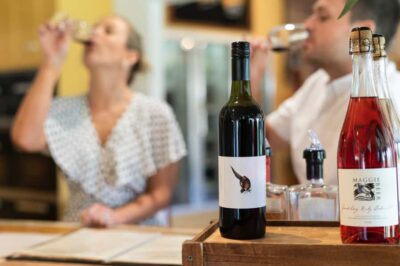
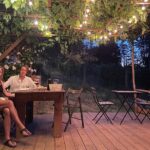
Here’s where the experience really pays off. After the cooking, you enjoy lunch or dinner with a glass of local wine. The meal is served in a relaxed, convivial atmosphere, and in many setups you’ll eat on an outside patio.
That outside space changes how the food feels. Eating in good light, with air moving, and with your own dishes in front of you hits different. And because you cooked it yourself, you don’t just consume. You connect the taste to the method you just did.
You’ll also see how the staff service works once everything is ready: the class doesn’t end when the last bite of pasta dough happens. It continues through a real sit-down meal, which is part of why this experience feels like more than a short activity.
Small Group Energy (Up to 15): Better Help, Less Waiting
This class caps at 15 travelers. That limit matters more than it sounds. In a larger group, you can end up standing around, or you get one quick check from the instructor and then you’re back to guessing.
With a smaller group, you tend to get:
- more direct feedback while you work
- fewer long gaps between steps
- a calmer pace if you need extra clarification
That’s especially useful if you’re still building confidence in the kitchen. This is also one reason English works well here; the format supports questions instead of just listening.
Price and Value: Is $174.60 Worth It?
At $174.60 per person, this isn’t a bargain-basement activity. But it also isn’t just a cooking demo. You’re paying for several things bundled together:
- a hands-on Tuscan cooking class
- a welcome drink
- lunch or dinner with a glass of local wine
- an apron from Valdichiana Living
So the value question isn’t only about the cooking. It’s about the full meal experience you get afterward. If you were to do a farm dinner with wine and also pay for a guided cooking lesson separately, the total would usually climb fast.
I also like that you’re not locked into a tourist-trap meal format. You’re learning techniques rooted in everyday Tuscan home cooking, and then you eat it in the same setting where you cooked. For many people, that “learn + eat” combo is exactly what makes the price feel fair.
Practical Tips So Your Class Goes Smoothly
A few things I’d do to get the most out of this kind of experience:
- Plan for your own transportation. Transportation service is not included, though it’s available on request. If you’re driving, think about the timing and how you’ll handle the return.
- Be ready for a seasonal menu. If you have strong dislikes beyond common allergies, it’s smart to mention them ahead of time. One menu element that can show up is a chicken liver spread, so dietary preferences matter.
- Don’t overthink it. Pasta dough and cooking basics can feel intimidating for ten minutes, then click. The instructors are set up to keep things moving without shaming beginners.
- Wear comfortable clothes. You’ll be cooking, handling ingredients, and likely moving around a working kitchen space.
- Use your phone wisely for communication if needed. English is offered, and if you run into a phrase you don’t catch, using a translation app can help you get the right instruction.
Who Should Book This Cooking Class in Montepulciano
I’d point you toward this experience if you want a hands-on Tuscany moment that’s not just a photo stop. It’s a strong fit for:
- couples and small groups who want an activity with a shared goal
- food lovers who want technique, not just flavor
- travelers who like agriturismo settings and don’t mind getting a little involved in the kitchen
It’s also a good choice if you want to leave with something practical: the pasta basics and sauce logic are the kind of things you can use later.
If you hate the idea of cooking with others nearby, or you prefer silent, self-guided sightseeing, this may feel too interactive. And if liver-based ingredients are a hard no, you should raise that concern early.
Should You Book It?
Yes—if you want a real cooking class with a sit-down payoff. The small group size, English instruction, and the fact that you cook three courses then eat them with wine make this a solid value for the time.
Book it especially if you’re the type who enjoys learning a skill and then using it while you’re still there. This is one of those Tuscany experiences where the memory isn’t only the view—it’s the meal you made.
If you’re mainly looking for a quick snack, a short photo tour, or something with guaranteed menu items, you might want to choose a different style of food experience. But for most travelers, this is a very workable way to spend a few hours in the Montepulciano countryside.
FAQ
What’s included in the cooking class?
You get a welcome drink, the Tuscan cooking class itself, and a lunch or dinner featuring what you prepare, along with a glass of local wine. You also receive a Valdichiana Living apron.
How long is the experience?
It runs about 3 hours.
Where does the class take place?
The meeting point is in Montepulciano, Province of Siena, at 53045 Montepulciano, Italy.
Is the class offered in English?
Yes. The experience is offered in English.
What dishes will I learn to make?
You’ll prepare a starter (typical Tuscan products), fresh handmade pasta with its traditional sauce, and a Tuscan dessert (typical dessert). The menu may vary slightly based on seasonal availability.
Do I eat what I cook?
Yes. After cooking, you’ll enjoy the lunch or dinner you prepared, paired with a glass of local wine.
How large is the group?
The experience has a maximum of 15 travelers.
Is transportation included?
Transportation service is not included, but it may be available on request.
What’s the cancellation policy?
Cancellation is free up to 24 hours in advance for a full refund. Changes within 24 hours of the start time aren’t accepted.
What if the experience is canceled due to minimum travelers?
If the minimum number of travelers isn’t met, the experience may be canceled, and you’ll be offered a different date or a full refund.