REVIEW · SOUTH AUSTRALIA
Barossa Valley: Pheasant Farm Wine Tasting Experience
Book on GetYourGuide →Operated by Maggie Beer's Farmshop · Bookable on GetYourGuide
30 minutes, great wine, and a real story. This Pheasant Farm wine tasting at Maggie Beer’s Farmshop is a small-group, interactive stop where you sip classic Barossa styles and get the human stories behind them. I like that it feels more like a guided conversation than a rushed pour-and-go.
Two things I really enjoyed: the Shiraz and Cabernet lineup (solid and recognizable), and the way the guide connects the tasting to how the farm grows grapes and turns them into wine. The small group (up to 10 people) also makes it easier to ask questions and actually hear the answers.
One possible drawback: it’s only 30 minutes and there’s no food included. And one reviewer raised a fair point about the tasting feeling like a standalone charge if you were hoping it would reduce the cost of a bottle—so if you’re planning a purchase, it’s worth asking how that works on the day.
In This Review
- Key highlights you’ll care about
- Why this tasting works so well at Maggie Beer’s Farmshop
- The 30-minute tasting: what you’ll actually experience
- Shiraz and Cabernet: the classic Barossa tasting lesson
- Meet Maggie and Colin Beer: why the backstory matters
- After the tasting: exploring the Farm Shop (and using your time well)
- Price and value: is $12 per person fair?
- Who should book this (and who might skip it)
- Should you book the Pheasant Farm wine tasting at Maggie Beer’s Farmshop?
- FAQ
- How long is the Pheasant Farm Wine Tasting experience?
- What’s included in the price?
- Is food included?
- Where do I check in when I arrive?
- Is this tasting suitable for children?
- Is the experience wheelchair accessible?
- Is there free cancellation?
Key highlights you’ll care about
- Small-group tasting (max 10 people), so the guide can talk with you, not at you
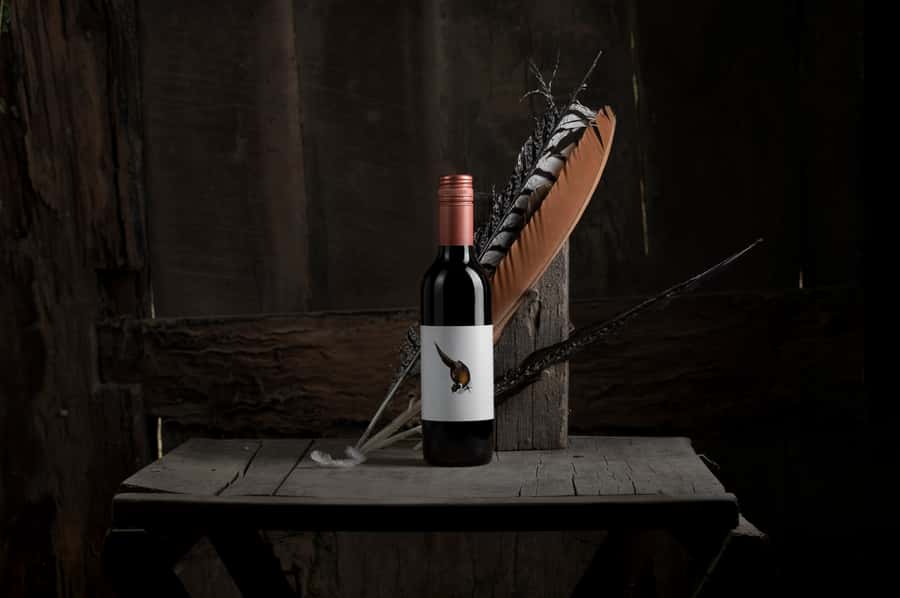
- Shiraz and Cabernet included, so you taste true Barossa classics
- Stories from long-time grape growers Maggie and Colin Beer, tied directly to what’s in your glass
- Plain-language explanation of how grapes become wine, not just tasting notes
- Time to explore the Farm Shop after the tasting, including a chance to see more of the famous site
- $12 price point that’s hard to beat for a guided, hosted tasting session
Why this tasting works so well at Maggie Beer’s Farmshop
If you’re doing the Barossa, you’ll find lots of tastings. This one is special because it’s set in a place people already love: Maggie Beer’s Farmshop. You’re not just visiting a cellar door; you’re getting a curated experience inside an iconic food-and-wine stop.
The format is also a good fit for real travel days. At 30 minutes, you can slip it in without committing your whole afternoon. That matters if you’re also planning drives between wineries, lunch, and photo stops.
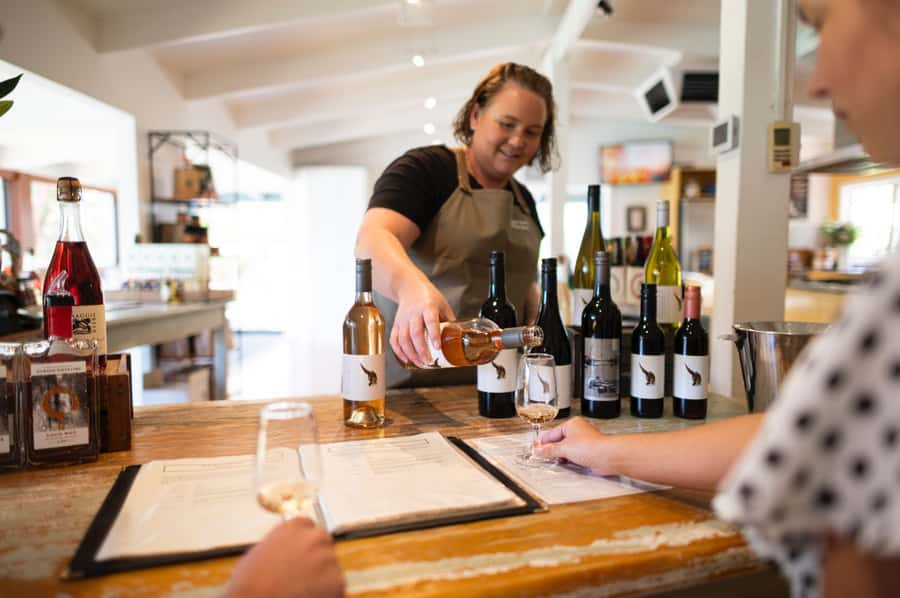
I also like the practical vibe. You’ll be guided through a range of Pheasant Farm Wines in English, with a live tour guide. It’s built to help you taste with context, even if you’re not a wine expert.
One more detail that helps: the group size is capped at 10 participants. That turns the tasting from a lecture into a conversation, and you can actually get your questions answered.
You can also read our reviews of more tours and experiences in South Australia.
The 30-minute tasting: what you’ll actually experience
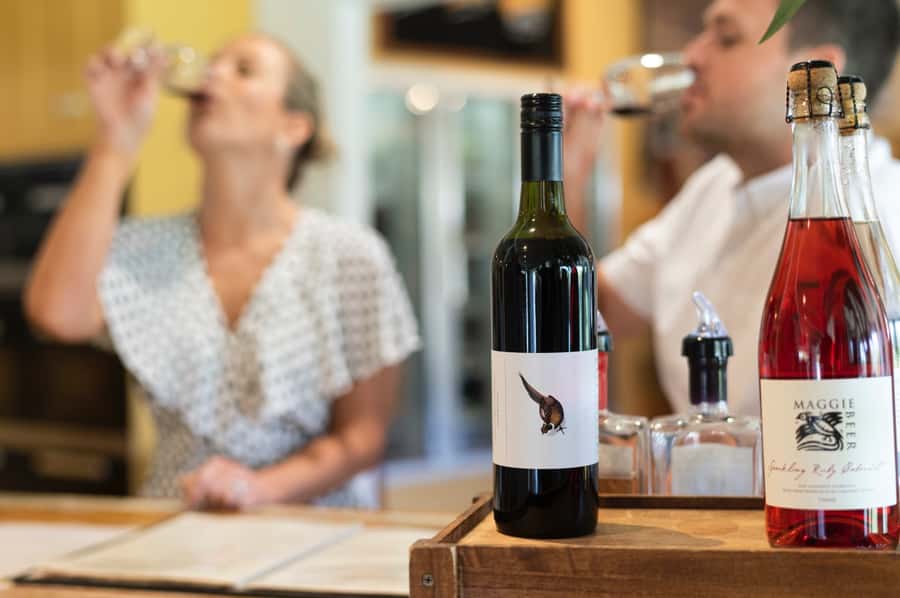
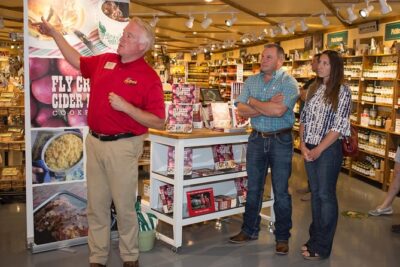
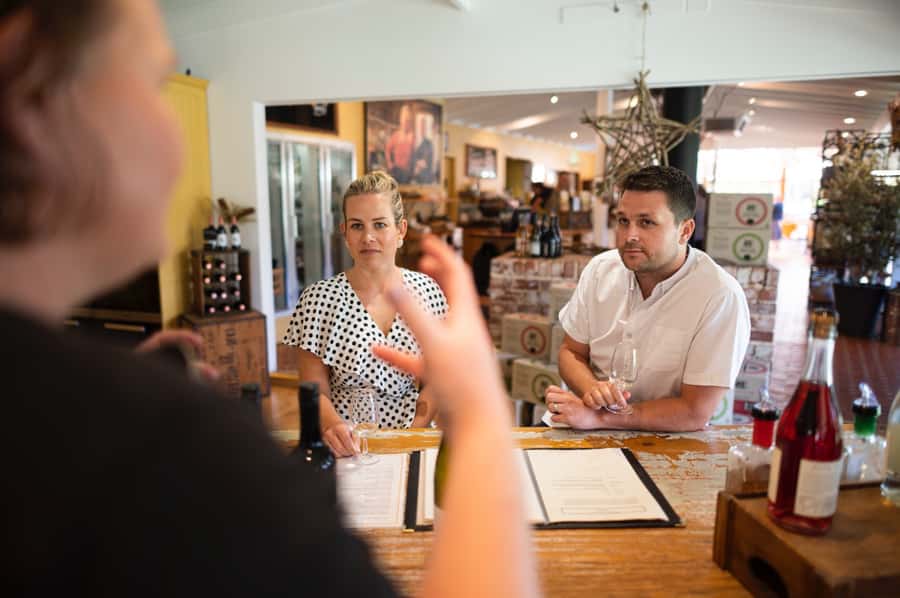
The heart of this experience is simple: check in with a Maggie Beer’s Farmshop team member at your booked time, then settle in for a short, guided tasting of Pheasant Farm wines. The pace is designed for learning without rushing, which is exactly what you want when you’re sightseeing.
During the tasting, the guide walks you through the range of wines and explains the stories behind each variety. You’ll taste multiple pours (including the Barossa standouts) and learn how the farm’s approach connects to what’s in the glass.
This is the part where the experience earns its keep. A tasting is never only about flavors. It’s also about understanding why those flavors show up. Here, you’re hearing how the vineyard gets from grapes to wine, which makes the tasting notes stick in your head.
You’ll also get to ask questions, and because the group is small, your questions aren’t lost in a crowd. One review even highlighted that the guide—Chris—was very knowledgeable, so you can expect answers that feel grounded rather than scripted.
Duration tip: since it’s only 30 minutes, don’t arrive frazzled. If you’re coming from another stop, give yourself enough time to park, walk in, and get settled.
Shiraz and Cabernet: the classic Barossa tasting lesson
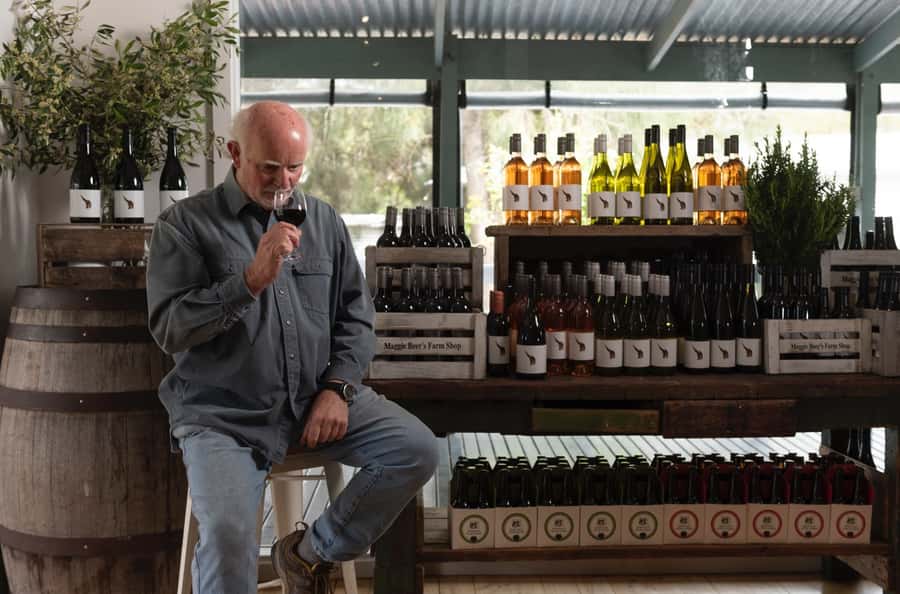
Barossa wine people often start with Shiraz and Cabernet, and this tasting follows that logic. You’ll get the chance to taste some of the most known Barossa styles, including Shiraz and Cabernet, so you can compare what you’re expecting with what you’re actually tasting.
What I like about this setup is that it doesn’t require prior knowledge. You can treat the session like a guided tasting class: you’ll hear why these varieties behave the way they do, and you’ll taste them side-by-side in a short window.
Instead of leaving you with random tasting jargon, the guide connects the dots to the farm side of wine. You’ll learn about how the grapes are turned into wine, and how long-time grape growing experience influences the finished bottle.
If you’re the type who likes to “understand before you buy,” this is a strong match. After tasting, you’re more likely to know what you personally liked and why, instead of relying purely on what the label says.
Also, one review mentioned the experience included a scenic view. Even if you’re focused on the tasting itself, a pleasant setting makes a short session feel longer—in a good way.
Meet Maggie and Colin Beer: why the backstory matters
This tasting isn’t presented as a generic wine lesson. It’s tied to people who’ve been growing grapes for over 40 years: Maggie and Colin Beer.
Why does that matter to you? Because it changes the flavor of the storytelling. When you hear that someone has decades of grape-growing experience, the explanation sounds more like real practice than theory. You’re not just being told what wine is. You’re hearing how it’s been made and shaped over time.
In this kind of guided tasting, the best moments are usually the ones that connect farm decisions to your glass. Here, the guide explains the process behind the wines and includes the stories behind the production of these famous labels.
One review also noted that it was great to see Maggie’s kitchen. Even if you don’t come for a culinary visit, that sort of behind-the-scenes look can make the whole stop feel more personal. You’re not just tasting wine—you’re getting a feel for the broader farm experience.
If you like experiences with a human voice, this one fits. If you only want to drink and move on, you may still enjoy it, but you’ll get the best value if you’re curious enough to listen.
After the tasting: exploring the Farm Shop (and using your time well)
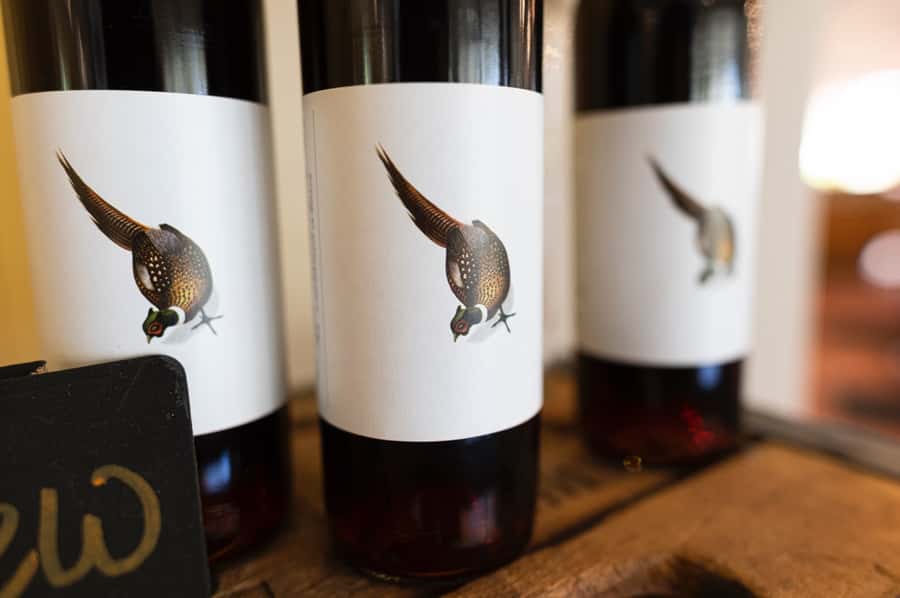
Once the 30-minute tasting wraps up, you have time to explore the Farm Shop. That’s a smart way to turn a short ticket into a longer outing without adding another tour component.
This is where you can slow down. Browse items, look around, and get the extras that make the Farmshop feel like a destination rather than a single-room tasting.
A couple of practical notes from what you’ll learn from real visitors: weekday visits can be easier for parking, and the stop often feels pleasant and well hosted. One review specifically mentioned there being heaps of parking on a weekday, which is the kind of detail that saves stress.
Also, if you’re interested in the famous on-site details, you might get opportunities to see more than just the tasting setup. One review highlighted seeing Maggie’s kitchen, which suggests there’s more to notice than a simple tasting bar.
Since food isn’t included in the tasting itself, treat the Farm Shop as your chance to decide what you want next. If you’re hungry, you’ll need to plan that meal separately. But if you enjoy shopping and browsing, this follow-on time keeps the experience from feeling too short.
Price and value: is $12 per person fair?
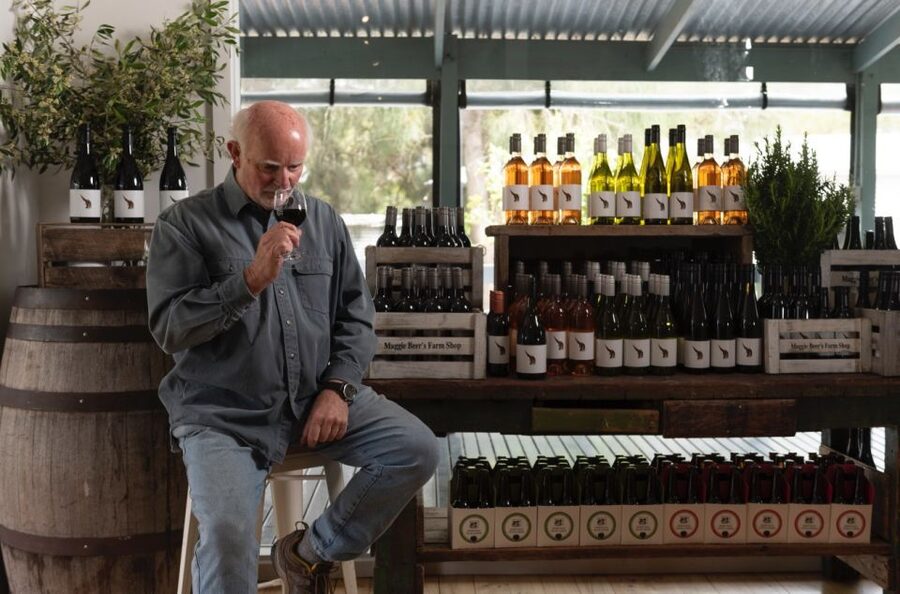
At $12 per person for a guided wine tasting, you’re paying for access to a hosted session, not just a sip of wine. The value comes from the combination: small group size, live English guide, and tasting context tied to how grapes become wine.
What you’re not getting is food. So if you’re budgeting for a full meal, plan to eat elsewhere. But as a tasting add-on to a Barossa day, it can work out nicely, especially if you’re doing multiple stops.
One balanced consideration: there’s a bit of tension in wine tourism sometimes—paying for tasting experiences that don’t necessarily reduce the cost of bottles you buy. A review raised the point that the tasting felt like a money-making venture and suggested there should be a discount toward bottle purchases. Whether that’s your expectation or not, it’s reasonable to ask at the Farm Shop counter if there’s any purchase relationship.
My practical take: the $12 price makes this an easy “yes” if you want a guided taste and some story time. It’s also a safe try if you’re unsure what you’ll like. You can always decide later whether you want to buy.
Who should book this (and who might skip it)
This tasting fits best if you want a short, guided introduction to Barossa wines with a farm-focused story. It’s ideal for couples and solo travelers who like small groups and clear explanations, not crowds and rushed sips.
It also works well if you’re pairing it with other Barossa stops. At 30 minutes, it doesn’t hijack your day. You’ll learn enough to make later winery visits more meaningful.
It’s not a match if you’re looking for a full meal experience, because food isn’t included. And it’s not suitable for children under 18, so plan adult-only timing if you’re traveling with family.
If you care about comfort and access, note that the experience is listed as wheelchair accessible. If that matters for your group, it’s good to know early rather than figuring it out on arrival.
Also, because it’s a tasting with a live guide in English, it’s best when you’ll actually use the explanation. If you’re the type who prefers silent tasting, you can still enjoy it, but the main value is in the guide’s story.
Should you book the Pheasant Farm wine tasting at Maggie Beer’s Farmshop?
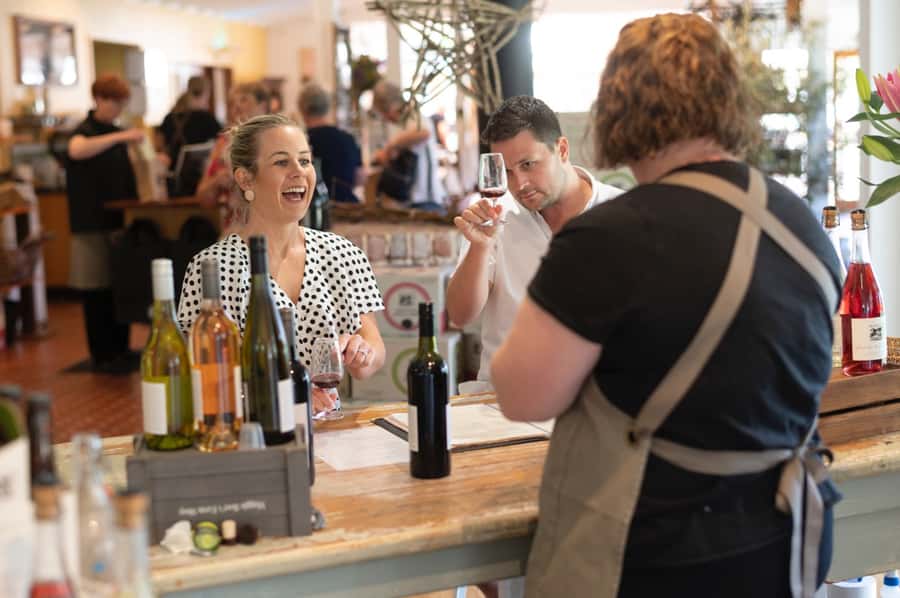
I’d book it if you want a low-commitment Barossa wine experience with real farm storytelling. The setup is friendly, the session is short, and the lineup includes classic Shiraz and Cabernet that make the tasting feel grounded.
Book it especially if you like experiences where someone connects what you taste to how it’s made. The link to Maggie and Colin Beer and their long grape-growing experience gives the tasting more meaning than a standard flight.
Skip it if you’re only looking for quantity, a food pairing, or a long winery-style tour. This is a guided taste and a bit of farm context, not a half-day vineyard program.
If you do decide to go, come ready to ask questions. And if you’re planning to buy wine, it’s smart to ask whether the tasting fee affects bottle purchases. That’s the one “price expectation” point worth clarifying up front so you feel good about the whole spend.
FAQ
How long is the Pheasant Farm Wine Tasting experience?
The tasting experience lasts 30 minutes.
What’s included in the price?
The experience includes wine tasting.
Is food included?
No, food is not included.
Where do I check in when I arrive?
Check in with a member of the Maggie Beer’s Farmshop team upon arrival at your booked time.
Is this tasting suitable for children?
No, it is not suitable for children under 18 years.
Is the experience wheelchair accessible?
Yes, the experience is listed as wheelchair accessible.
Is there free cancellation?
Yes. You can cancel up to 24 hours in advance for a full refund.