REVIEW · SOUTH AUSTRALIA
Maggie Beer’s Farm Hands-on Cooking School and Lunch
Book on GetYourGuide →Operated by Maggie Beer's Farmshop · Bookable on GetYourGuide
A cooking class that feels like dinner with friends. At Maggie Beer’s Farm in South Australia, you get a hands-on cooking school experience for just 10 people, plus a seasonal Barossa lunch you share together. The day mixes practical cooking with the stories behind the farm, including how Maggie’s team talks about the early days of the Pheasant Farm and how the property evolved into The Cook and the Chef.
What I like most is that you’re not just watching. You learn the menu first with a demonstration, then you put your apron on and cook one of the courses, and you eat what you make at a long table with everyone else. One thing to consider: at $155 per person, you’ll want to be comfortable with the total spend, especially since additional beverages are available to buy with lunch.
In This Review
- Key things that make this cooking school a solid choice
- Arriving at Maggie Beer’s Farm Shop (and why timing matters)
- The 2.5-hour hands-on cooking school: demo first, then you cook
- Cooking seasonal Barossa dishes: what you’ll learn in plain terms
- The Farm story behind the food: Pheasant Farm to The Cook and the Chef
- Lunch at the long table: sharing what you prepared
- Price and value: is $155 a fair deal?
- Who this Maggie Beer cooking school suits best
- Practical tips so you get the most from your apron time
- Should you book Maggie Beer’s Farm Hands-on Cooking School and Lunch?
Key things that make this cooking school a solid choice
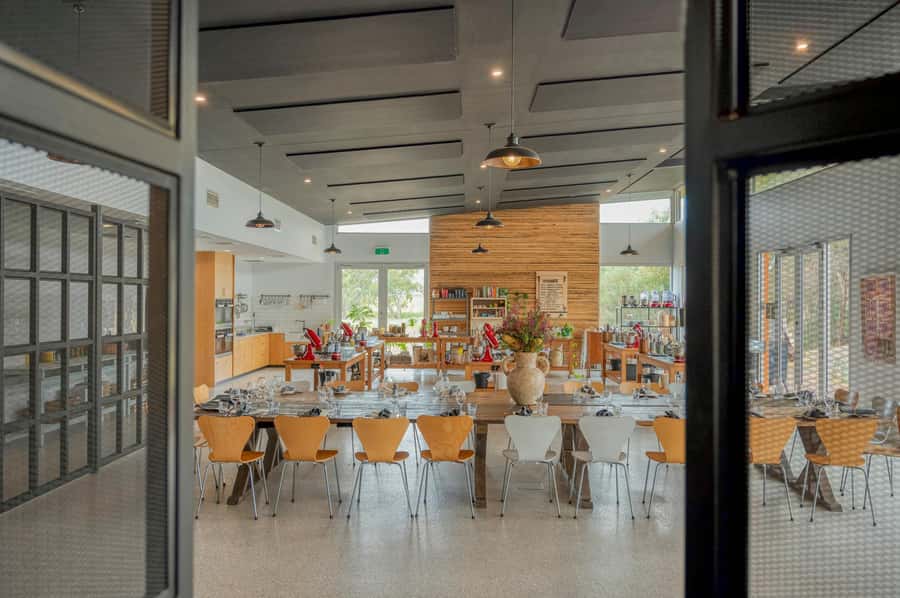
- 10 guests max means more attention from Maggie’s team and less standing around
- Cook after the demo: you learn the menu, then you actually make part of it
- Seasonal Barossa lunch focuses on in-season ingredients, not trend food
- Long-table sharing turns the meal into a conversation, not a buffet line
- Take-home recipe cards so you can repeat the dishes later
- Farm stories from the team add context to why the cooking style works
Arriving at Maggie Beer’s Farm Shop (and why timing matters)
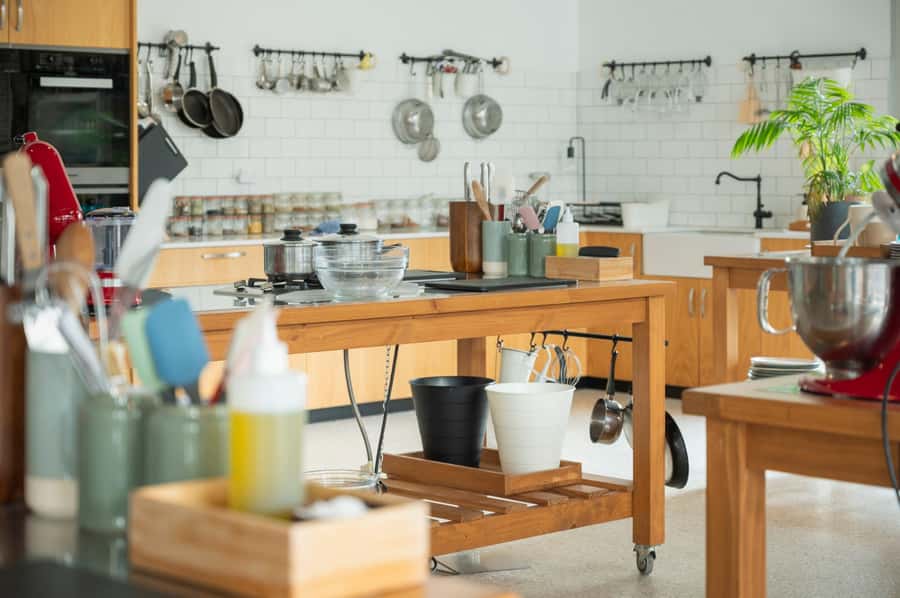
You’ll check in at Maggie Beer’s Farm Shop, and you should arrive 15 minutes before your start time. That small early buffer matters because this is a tight, 210-minute experience, and you don’t want to rush through check-in and lose momentum before cooking starts.
Once you’re inside the flow, you’ll feel the farm setting right away. This class isn’t trying to be a theater production. It’s built around a practical rhythm: talk, taste, cook, then sit down together.
Also note the pace: it’s a couple of hours of instruction and hands-on work, then lunch. If you’re the kind of person who needs a slow, open-ended morning, you might find the schedule brisk. Still, that pace is part of the value, because it fits learning and eating into one efficient afternoon.
You can also read our reviews of more tours and experiences in South Australia.

The 2.5-hour hands-on cooking school: demo first, then you cook
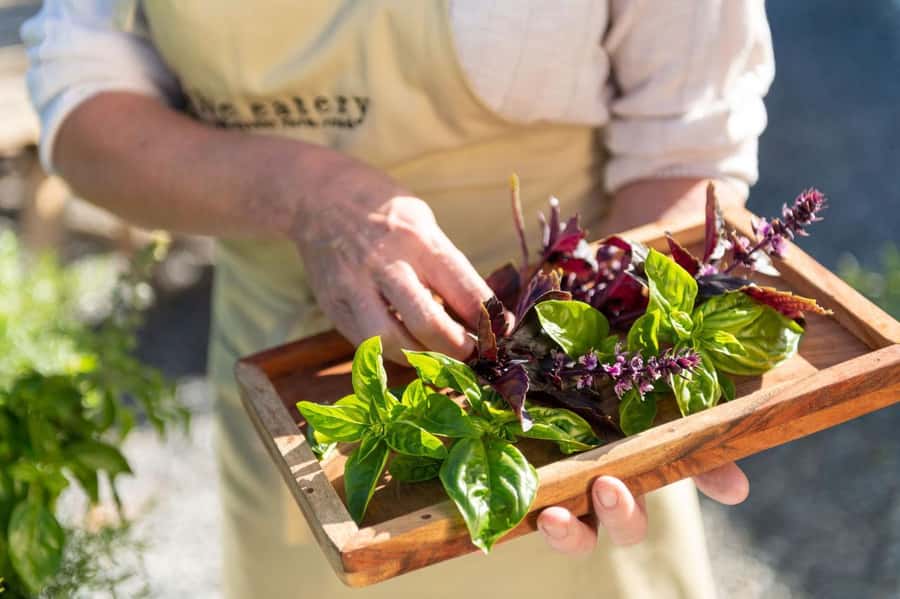
This is an intimate class capped at 10 participants, led by Maggie Beer’s team. You’ll hear how the menu is designed around seasonal ingredients, with instructions you can follow even if you’re not a professional cook.
The structure typically goes like this:
- You watch the cooking come together during a demonstration.
- While you watch, you enjoy a glass from the range.
- Then you put on your apron and cook one of the courses.
- After cooking, you’ll share everything at the long-table lunch.
The key point is that it’s not “just a demo.” Once your course is assigned, you’re actively working through the steps, with support from the team. That’s where the learning sticks. You’re practicing the recipe logic—timing, technique, and how flavors build—rather than copying a plated final from a screen.
And the small group size helps. In a class like this, you can ask simple questions and get real answers without feeling like you’re slowing a big crowd.
Cooking seasonal Barossa dishes: what you’ll learn in plain terms
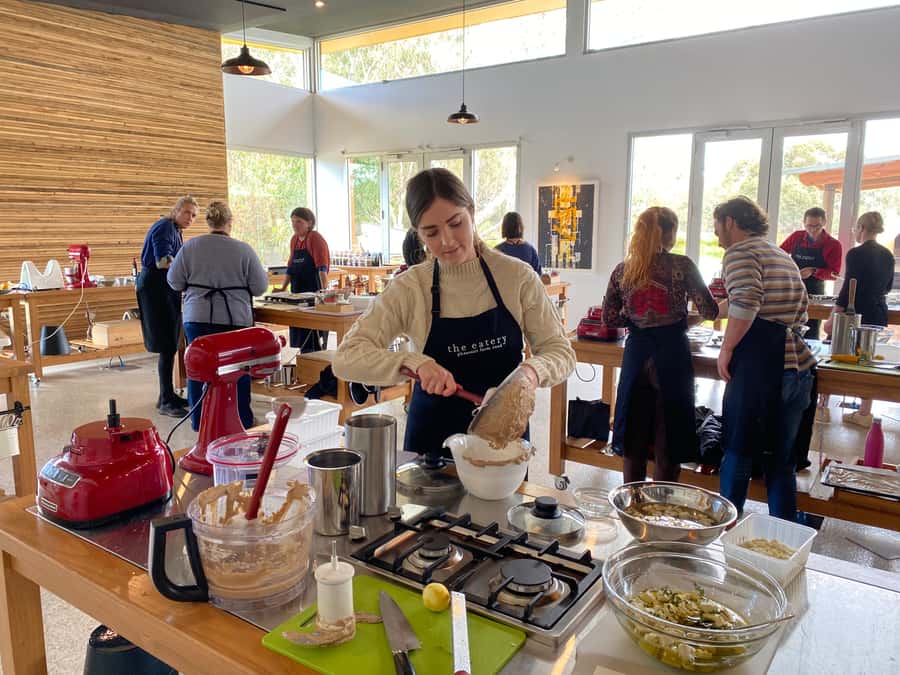
Maggie Beer’s cooking philosophy, as you’ll hear it in the room, centers on using fresh seasonal ingredients from the garden and keeping recipes approachable. That doesn’t mean the food is simple in flavor—it means it’s clear in method.
Because the menu is seasonal, you’re cooking with ingredients that match the moment. For you, that translates into a practical skill: when you go back home, you won’t be stuck hunting for exact year-round imports. Instead, you’ll understand how to swap within the spirit of the recipe.
A big plus here is the way the team teaches. The goal is that the menu feels doable at home. Easy-to-follow directions are a core part of the program, and the take-home recipe cards make it easier to recreate the dishes later without starting from memory.
The Farm story behind the food: Pheasant Farm to The Cook and the Chef
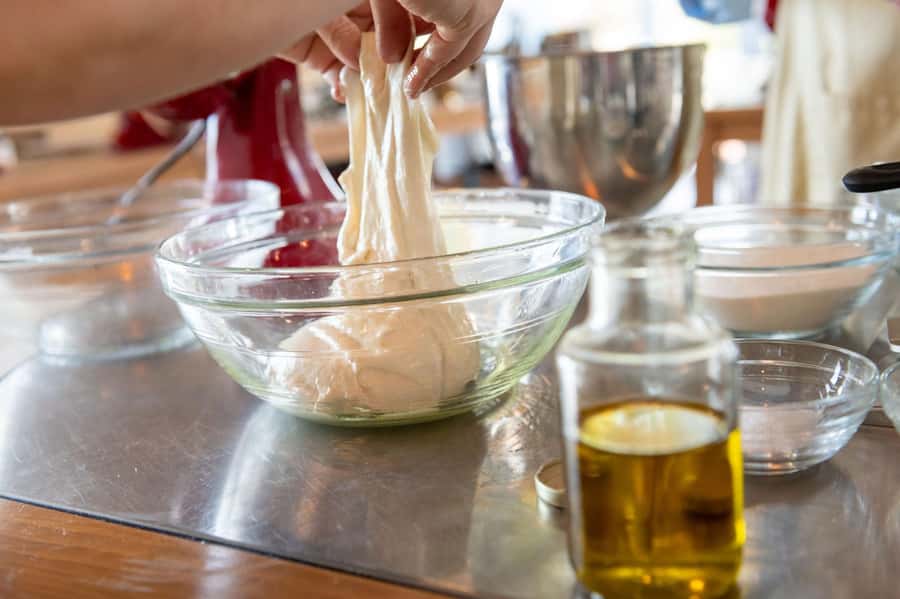
One of the most interesting parts is the context. During the experience, you’ll hear about how Maggie and Colin started the Pheasant Farm, how the property evolved, and how the story connects to The Cook and the Chef. This isn’t trivia for trivia’s sake. It helps you understand the cooking approach: grounded in the land, shaped over time, and built around family sharing.
When you hear those stories while you’re learning technique, the day feels more connected. You’re not just collecting recipes—you’re picking up a mindset. It’s the kind of detail that makes the lunch taste better, even if you don’t think about it at the time.
And from what people say about the experience, the team brings that story in a friendly, human way. Names that come up in the group include Linda, who was described as an attentive Maggie Beer chef, and Elle Beer, who looked after the group and was happy to chat and answer questions. That kind of attention changes the feel of the class from instructional to personal.
Lunch at the long table: sharing what you prepared
After the hands-on cooking, you’ll sit down to a shared long-table lunch. The best part of this format is simple: you eat in the same room where you cooked, with the same group you cooked with.
You’ll enjoy the dishes created during the class, which means the meal feels like a continuation of the learning. It’s not a separate ticketed lunch where you have zero connection to the food. You made parts of it, so you’re more aware of what worked and why.
On top of that, the lunch is served alongside wines. The experience also includes additional beverages you can purchase with lunch, so the main drink experience feels like it’s designed to match the meal without forcing you into a single option.
A note for expectation-setting: because the meal is shared, you’ll be talking. That’s part of the charm for couples and friends, but if you prefer quiet dining, this might feel more social than you’re used to.
Price and value: is $155 a fair deal?
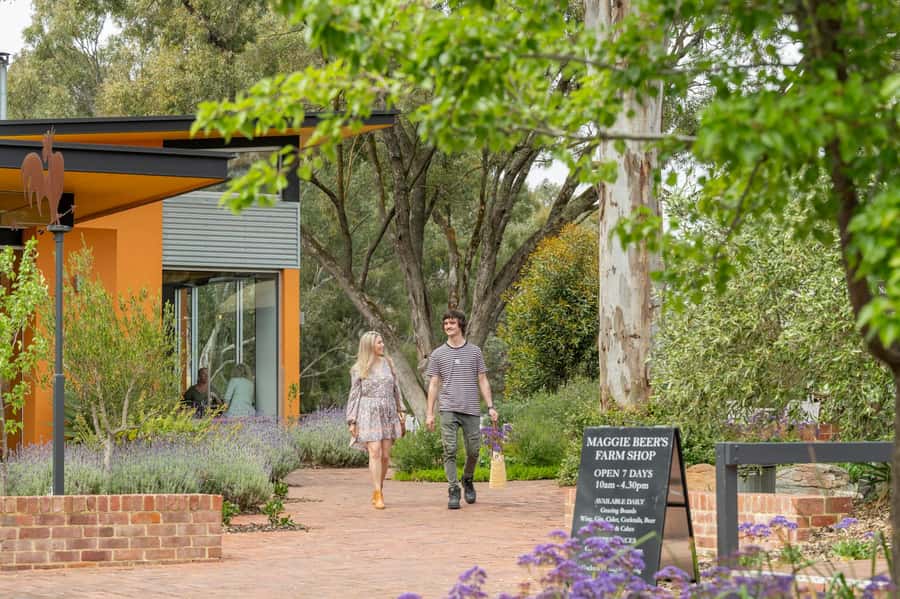
At $155 per person for about 210 minutes, the value comes from what’s bundled together.
Here’s what you get within that price:
- a 2.5-hour hands-on cooking school led by Maggie Beer’s team
- a cooking demonstration while you enjoy a glass from the range
- take-home recipe cards
- a shared long-table lunch featuring what you prepared
- an intimate group of 10 guests, so you’re not lost in a crowd
So the money isn’t only paying for food. You’re paying for instruction, a guided seasonal menu, and the chance to practice the recipes in a real setting. If you’ve ever taken a basic class and left with a stack of notes but no confidence, this format is designed to avoid that. You cook the course, you share the table, and you take the recipe cards with you.
The main cost consideration is that additional beverages are available for purchase with lunch. If you’re trying to keep the total spend tight, decide in advance how you want to handle drinks.
Who this Maggie Beer cooking school suits best

This is a great fit if you:
- like cooking and want to learn seasonal menus you can repeat at home
- enjoy small-group experiences where you can actually talk to the instructor team
- want an activity in the Barossa that feels local and personal, not touristy and rushed
- appreciate learning the why behind recipes, not just the what
It’s also a good choice for a date. The class format is collaborative, and the long-table lunch naturally creates a warm shared atmosphere.
The big limitation: it’s not suitable for children under 13. If you’re traveling as a family with younger kids, you’ll need to look for a different kind of Barossa experience.
Practical tips so you get the most from your apron time
A few small things make a noticeable difference in how smoothly the class feels:
- Arrive on time for check-in at Maggie Beer’s Farm Shop. That early slot keeps you from rushing into apron mode.
- Plan for active participation. This is hands-on cooking, not just watching a chef.
- Bring curiosity, not perfectionism. The point is learning technique and following the recipe steps, not producing restaurant-grade plates.
- Use the recipe cards immediately after the class. Write down any tweaks you liked while the flavors are fresh in your mind.
- Think about drink budgets. You get a glass during the demo, and you can buy more with lunch, so choose what fits your plan.
Should you book Maggie Beer’s Farm Hands-on Cooking School and Lunch?
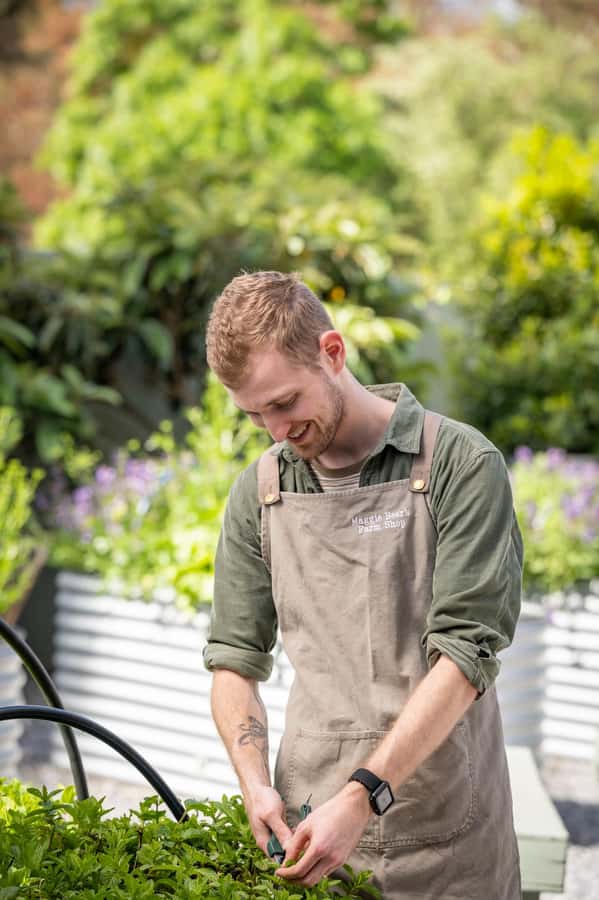
If you’re the kind of traveler who wants more than a meal—if you want the skills, the seasonal logic, and the experience of cooking and sharing in one go—this is an excellent pick. The small group size, hands-on format, long-table lunch, and take-home recipe cards make the $155 price feel like an all-in learning day, not just another dinner.
Skip it if you mainly want passive sightseeing, or if you’re traveling with kids under 13. And if you’re very budget-sensitive, factor in that additional beverages are sold separately with lunch.
For a Barossa Valley day that feels genuinely hands-on and community-minded, this one earns its hype.