REVIEW · ROCKHAMPTON
Rockhampton: Koorana Crocodile Farm Guided Tour
Book on GetYourGuide →Operated by Koorana Crocodile Farm · Bookable on GetYourGuide
If you think crocodiles are all growls, this tour surprises you. Koorana Crocodile Farm turns a nearby reptile world into a guided, hands-on learning experience on Queensland’s Capricorn Coast, with feeding, eggs, and a small-croc photo moment built in.
I especially like the close-up photo opportunity with a small crocodile, because it’s quick, controlled, and memorable in a good way. I also like that the tour leans into real behavior and conservation, not just spectacle—there’s a video intro, a farm walk with staff feeding, and even a look at eggs and the hatching process.
The main consideration is focus: this isn’t a long, behind-the-scenes production tour. It stays centered on croc behavior, breeding/nesting, and farm life—so if you’re expecting lots of detail beyond that, you may want to ask your guide extra questions.
In This Review
- Key Things That Make This Tour Worth Your Time
- Queensland Crocodile Science, Up Close
- The 90-Minute Guided Flow: Talk, Video, Farm Walk
- Intro talk on conservation and commercialization
- Video presentation on crocodile behavior
- Farm walk and staff feeding
- The Baby Croc Moment: Photos, Optional Holding, and Real Safety
- What You Actually Learn: Croc Behavior + Conservation in Plain Language
- Seasonal Highlights: Nest Raids (Dec–Feb) and Hatching (Feb–May)
- Price and Value: Is $28 for 90 Minutes Fair?
- Practical Planning: What to Bring for a Hot, Outdoors-Focused Tour
- Who Should Book This Tour (and Who Might Skip It)
- Final Take: Should You Book Koorana Crocodile Farm?
- FAQ
- How long is the Koorana Crocodile Farm guided tour?
- What’s included in the price?
- Is food or drink included?
- Do I get to see crocodile eggs and hatching?
- Are seasonal activities included?
- Can I hold a baby crocodile?
- What should I bring?
- Is the tour suitable for young children or pregnant women?
- What’s the cancellation policy?
Key Things That Make This Tour Worth Your Time
- A guided 90-minute format that packs the best moments without dragging
- Video + live narration on crocodile behavior and farm history
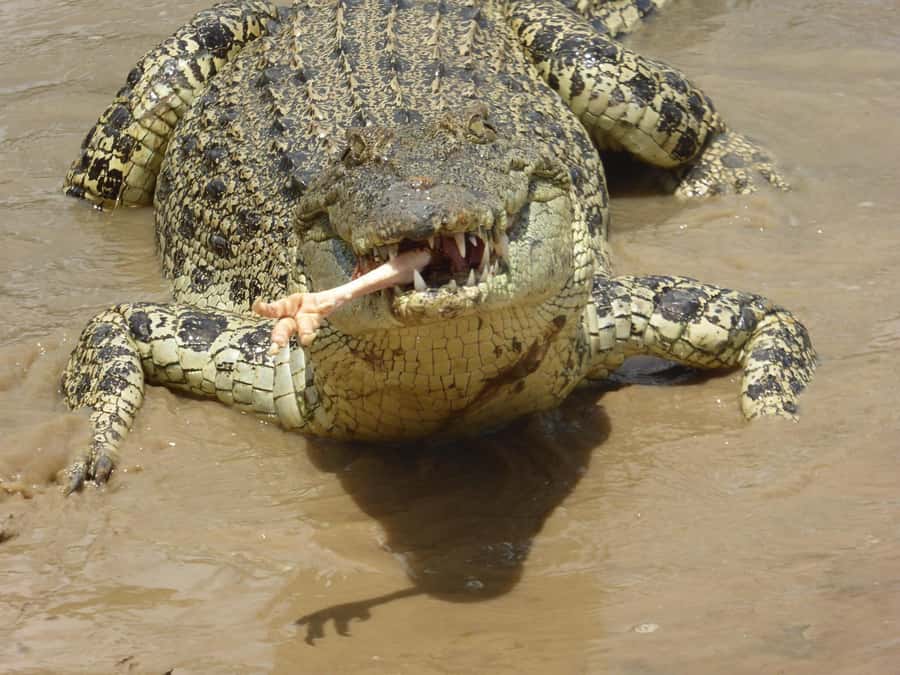
- Farm walk with staff feeding for a real sense of how the animals are handled
- Eggs and hatching process timed to the season (not just a one-size display)
- Photo opportunity with a small crocodile, plus the option for a brave hold with staff guidance
- Highly rated guides, with multiple reviews praising Kia and Mel by name
Queensland Crocodile Science, Up Close
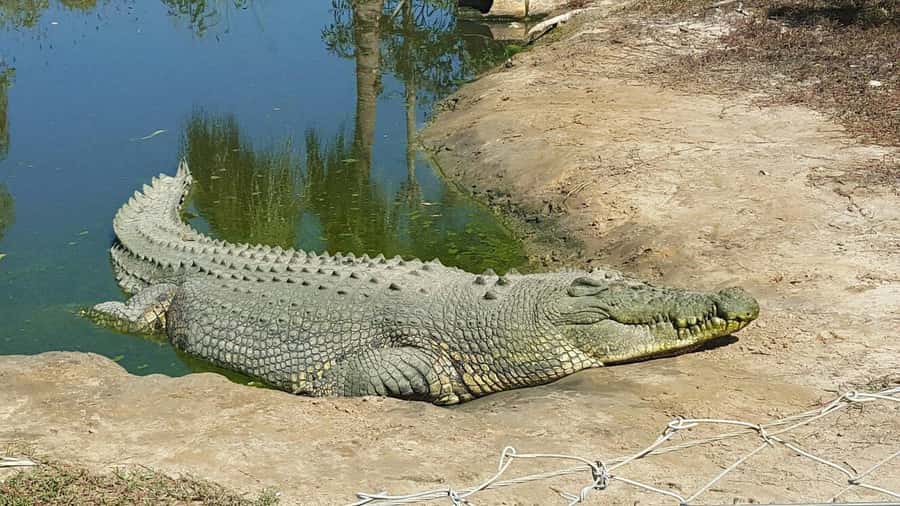
Crocodiles are old-school creatures, but they’re not mindless. The Koorana Crocodile Farm guided tour is built around that idea: watch what crocs do, learn why they do it, and connect the farm story to conservation.
This is Queensland’s first commercial crocodile farm, and that matters. You’re not just seeing animals in cages for entertainment. You’re seeing a working facility that uses education and breeding knowledge to keep crocs in the conversation—especially when staff explain natural behavior and seasonal nesting activity.
The vibe is practical. You’re guided through the property at an easy pace, with clear safety emphasis and time for questions. And yes, the highlight is still the human part of the experience: your photo moment with a small crocodile, plus the chance to hold one if you want to.
The 90-Minute Guided Flow: Talk, Video, Farm Walk
The whole experience runs about 90 minutes, in English, with a live guide. That timing is one of the smartest parts for a day in Rockhampton—short enough to fit into an itinerary, long enough to feel like you actually learned something.
Here’s what the tour experience is typically built around:
Intro talk on conservation and commercialization
You’ll start with an introductory talk that frames two themes side-by-side: croc behavior and the role of commercial crocodile farming in conservation and management. The guide sets expectations early, including how crocs act and why the farm exists in the first place.
I like this start because it prevents a common mistake: treating crocs as “only dangerous animals.” The talk steers you toward understanding them as wildlife with specific habits and ecological roles—then the rest of the tour reinforces it.
Video presentation on crocodile behavior
Next comes a video presentation focused on croc behavior and farm history. It’s a good reset point, especially on a hot Queensland day. It also helps you follow what you’ll see outdoors later, because you’re not just watching feeding—you’re watching feeding with context.
Farm walk and staff feeding
Then you walk around the farm and see crocodiles being fed by staff. Watching feeding is different from hearing facts from a distance. You can observe how animals respond, how keepers handle routine, and how behavior changes based on what’s happening around them.
Keep your expectations realistic here. You’re not promised a constant stream of surprises. What you get instead is a guided, structured look at farm life—plus the fun moment of seeing crocs up close during feeding routines.
The Baby Croc Moment: Photos, Optional Holding, and Real Safety
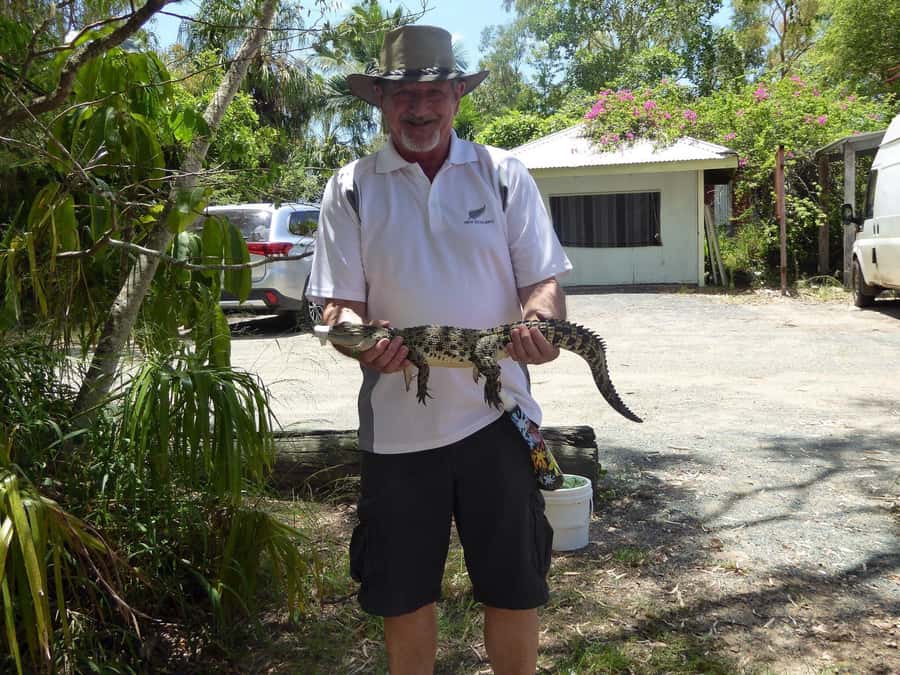
One of the biggest reasons people book this tour is the hands-on photo opportunity with a small crocodile. The tour guide will encourage it, and if you’re feeling brave, you may also be allowed to hold a small croc for a photo with staff guidance.
A couple of reviews also mention an extra cost for the holding experience (for example, one guest noted $40 to hold a baby croc). That’s not something the core tour description guarantees, so treat it as a possible add-on depending on what the staff are offering that day.
Either way, this part is worth considering because it changes the way you remember the tour. A good photo moment does two things:
- It forces you to slow down and look carefully at the animal’s size, stance, and calmness.
- It turns learning into something personal.
Safety matters here. Multiple reviews mention that the guides keep strong emphasis on safety, with staff controlling the pace and approach. I’d also suggest you go in with a calm, cooperative mindset. This is not “free handling.” It’s guided handling.
What You Actually Learn: Croc Behavior + Conservation in Plain Language
The tour’s core education isn’t abstract. It’s about patterns you can see.
You’ll learn about crocodile behavior—how they respond to routines, what they do around feeding time, and how that behavior connects to their survival strategies. You’ll also learn how conservation ties into the farm model, which is important in a region where crocs are both feared and misunderstood.
The egg part is a standout learning tool. You’ll see crocodiles’ eggs and learn about the hatching process. That shifts the conversation away from “teeth and danger” toward lifecycle and reproduction. When you know crocs reproduce and hatch in seasonal windows, you start noticing why nesting activity and egg collection matter.
And it gets reinforced by the guide’s storytelling. Two named guides appear repeatedly in reviews: Kia and Mel. People describe Kia as passionate and safety-minded, and Mel as knowing her stuff and making the tour fun and informative. That combination—facts plus an engaging delivery—is a big deal on a short tour.
Seasonal Highlights: Nest Raids (Dec–Feb) and Hatching (Feb–May)
This is one of the most practical reasons to pick the right time of year. The tour includes seasonal activities that depend on when you visit:
- Nest raids and egg collection: typically from December to February
- Baby croc hatching: typically from February to May
Those details matter because they’re not just “extra events.” They’re tied directly to the egg and lifecycle lessons you’ll hear in the tour. If you catch the nesting or hatching window, the tour feels more alive, like you’re seeing the conservation story in motion.
If you’re traveling outside those windows, you’ll still get the basics: eggs and the hatching process explanation, plus feeding and behavior lessons. The difference is whether you see those seasonal moments in real time.
Price and Value: Is $28 for 90 Minutes Fair?
At $28 per person for about 90 minutes, this tour sits in the “good value” category for a guided wildlife experience. You’re paying for a structured package, not just entry.
You get:
- 1.5-hour fully guided tour
- Intro talk on conservation and commercialization
- Video presentation
- Farm walk with croc feeding
- Hands-on photo opportunity with a small croc
- Seasonal activities (nest raids and/or hatching, depending on dates)
That value equation improves if you like tours that actually teach you something you can repeat. Croc farms can be either pure entertainment or pure education. This one is clearly leaning education-forward, with the photo moment as the memorable hook.
A note on extras: the tour description says food and drinks are not included. If you want a full meal, plan to buy it elsewhere or check what’s offered nearby.
Practical Planning: What to Bring for a Hot, Outdoors-Focused Tour
This is an outdoors-heavy experience with animals close by and staff handling routines. Even if the tour keeps a steady pace, you’ll want to be comfortable.
Bring:
- Comfortable shoes (walking around a farm takes real footing)
- Camera (or your phone—this is a photo moment)
- Sunscreen
- Water
- Insect repellent
On hot days, sun and hydration stop being optional. A quick reminder: the hands-on photo opportunity is part of the experience, but you’ll only get the full benefit if you’re physically ready to participate comfortably.
Also, don’t skip the camera prep. Before you reach the moment, make sure you’ve got battery and storage sorted. When you’re holding still for a photo with a small croc, you don’t want to be troubleshooting your phone.
Who Should Book This Tour (and Who Might Skip It)
This tour is a strong fit if you:
- want a short guided wildlife experience that stays structured for 90 minutes
- like animal behavior explanations, not just seeing animals
- enjoy conservation messaging that includes breeding and lifecycle details
- want a memorable photo moment, not only a viewing platform
It’s not suitable for:
- children under 3 years
- pregnant women
Beyond that, consider your expectations. One review notes the tour felt like it focused more on breeding pairs and behavior, with less emphasis on meat and byproduct processing. That doesn’t make it “wrong,” it just means you should treat the tour as a behavior-and-conservation experience first. If you have questions about farming operations beyond that, ask your guide directly.
Final Take: Should You Book Koorana Crocodile Farm?
If you’re in Rockhampton and you want an experience that’s both fun and informative, I think Koorana Crocodile Farm’s guided tour is an easy yes. The combination of feeding, eggs, seasonal activity windows, and a hands-on small-croc photo moment makes it feel complete for the time you spend.
Book it especially if:
- you like guided learning and question-friendly explanations
- you’re visiting during Dec–Feb or Feb–May and want a chance at nesting or hatching moments
- you want a wildlife experience that’s safety-minded and structured
Skip or reconsider if:
- you want food included as part of the ticket
- you expect a long, technical tour of processing or farming production details
- your schedule can’t handle a mostly outdoor, sun-and-walk experience
FAQ
How long is the Koorana Crocodile Farm guided tour?
The tour lasts about 90 minutes.
What’s included in the price?
You get a fully guided 1.5-hour tour, an introductory talk on conservation and commercialization, a video presentation on croc behavior, a farm walk with feeding, a hands-on photo opportunity with a small crocodile, and seasonal activities when available.
Is food or drink included?
No. Food and drinks are not included.
Do I get to see crocodile eggs and hatching?
Yes. The tour includes seeing crocodile eggs and learning about the hatching process. Depending on the season, you may also see special activities such as hatching.
Are seasonal activities included?
They’re included when they occur during your visit. Nest raids and egg collection are typically from December to February, and baby croc hatching is typically from February to May.
Can I hold a baby crocodile?
The tour includes a hands-on photo opportunity with a small crocodile, and if you’re feeling brave, holding a small crocodile for a photo may be possible with staff guidance.
What should I bring?
Bring comfortable shoes, a camera, sunscreen, water, and insect repellent.
Is the tour suitable for young children or pregnant women?
No. It isn’t suitable for children under 3 years or pregnant women.
What’s the cancellation policy?
You can cancel up to 24 hours in advance for a full refund.