REVIEW · VALENSOLE
Valensole : Visit of a winery and lavender farm
Book on GetYourGuide →Operated by ZEN ROAD VOYAGES EN IMMERSION · Bookable on GetYourGuide
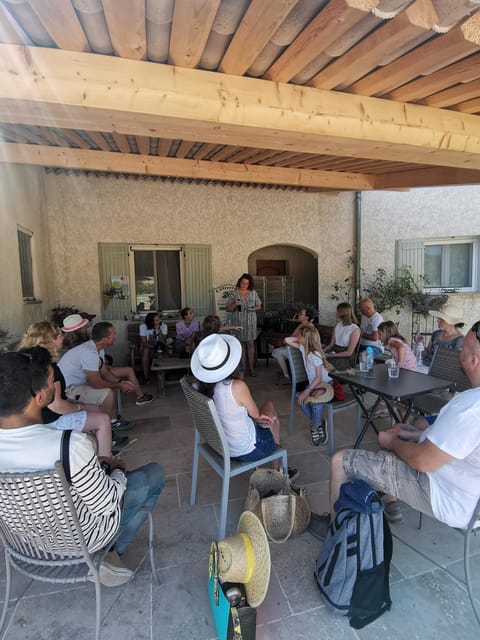
Lavender season here feels like a classroom outdoors. You’ll stroll an old stone estate on Valensole’s side, moving through lavender fields and aromatic plant corners, while your guide explains how the farm works and why it’s run with organic and sustainable methods.
Two things I really liked: the plant-identification walk (you learn what to look for and how to smell the difference) and the hands-on clarity of the essential oil distillation story, from living plants to the final product.
One thing to plan for: the route is mainly off-road and can pass through woods, so you’ll want sturdy shoes, loose long pants, and sun protection.
In This Review
- Key points worth aiming for
- Valensole’s working farm setting (not a staged show)
- Meeting point and what to do when you arrive
- What to wear: heat, scent, and off-road walking
- The guided walk: fruit trees, wild plants, and aromatic aromas
- The surprise visit: meeting the farmer-agronomist
- Essential oils: the distillation process made understandable
- Vineyard access starting in 2024, plus an optional tasting
- Included tasting: what you’ll sample during the visit
- Value for $38: where the money actually goes
- Weather, timing, and the small planning details that matter
- Who this tour fits best
- Should you book the Valensole winery and lavender farm visit?
- FAQ
- How long is the visit?
- What is the price per person?
- Is the wine tasting included?
- What languages are the live guides available in?
- What should I bring for the tour?
- What is included in the tasting?
- Where is the meeting point, and can I park nearby?
- Is insurance required?
- Is a minimum group size required?
Key points worth aiming for
- Organic and sustainable estate history, told as you walk the working fields
- Aromatic plant lesson: you learn to recognize wild plants and compare fragrances
- Essential oil distillation explained in a way that connects plants to the final product
- Vineyard access starting in 2024, plus an award-winning wine tasting option
- Farm tasting: lavender syrup, raw almonds, almond paste, essential oil, and several olive oils
Valensole’s working farm setting (not a staged show)
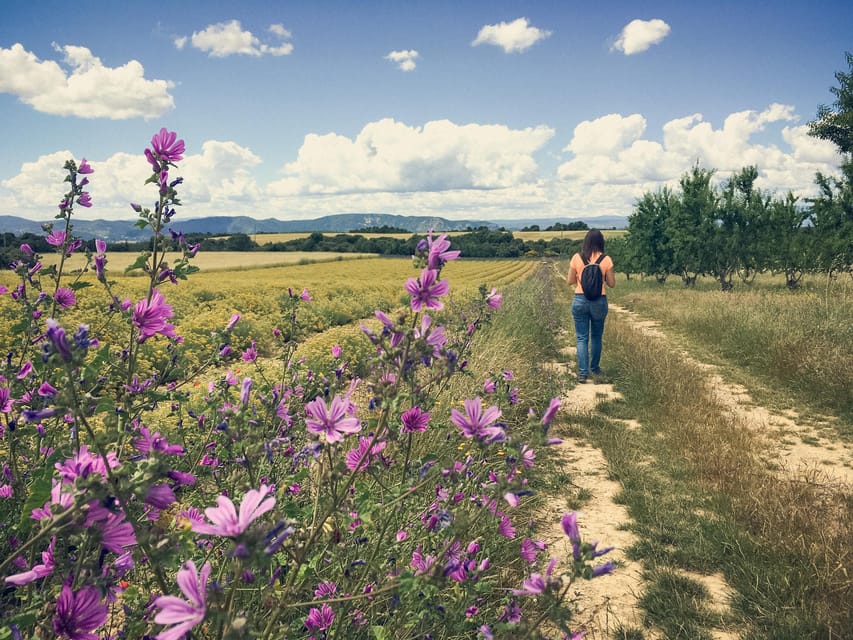
This kind of tour works best when it feels like you’re stepping into someone’s routine. Here, you’re not just looking at pretty fields. You’re guided through how an estate actually produces lavender, olives, almonds, and wine, with a clear thread: how the land is cared for changes the quality of what ends up in your cup (or on your spoon).
I also like that the day is built around contrasts you can see right away—dry Provençal light, ochre earth tones, and big open skies—then turns that into practical learning. You’ll come away with names, habits, and processes, not just photos.
Meeting point and what to do when you arrive
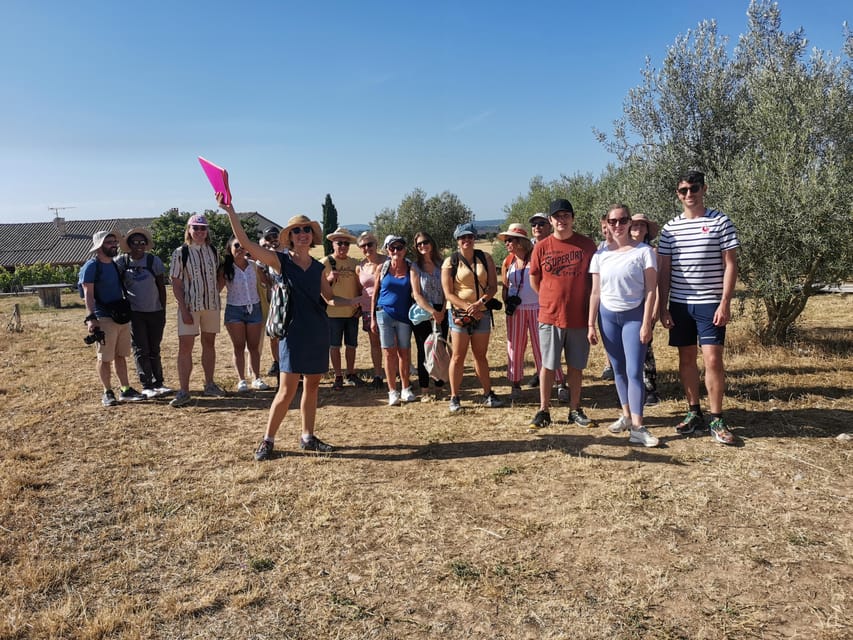
You start at a farm with a lavender-colored sign. It’s an old stone-made estate, and once you drive into the alleyway, you can park directly on the field in front of the house. That simple setup saves time and stress, especially in a rural area where GPS can sometimes send you down the wrong track.
From there, expect a short, calm start before you begin the walk. You’ll want to arrive ready to move, because the experience isn’t built around sitting in one spot.
What to wear: heat, scent, and off-road walking
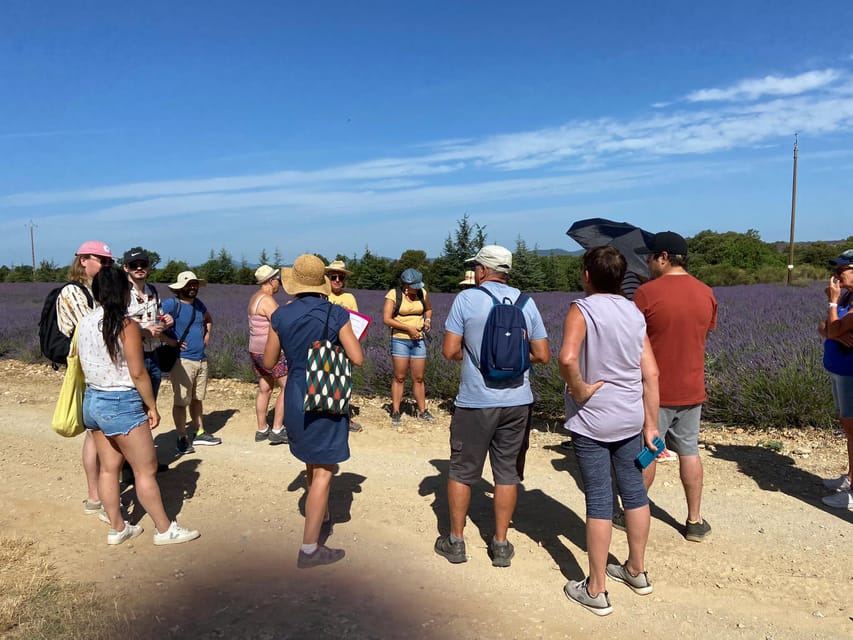
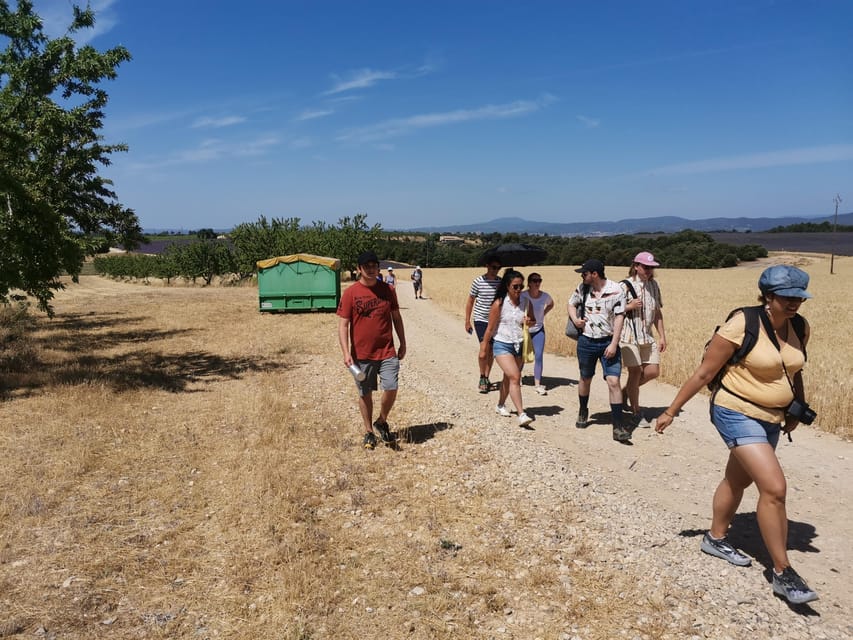
Bring what makes walking comfortable and safe. You’ll be outside for about 150 minutes, and the route is mostly off-road. The farm also highlights natural plants and sometimes shaded paths, so your clothing matters.
Pack these essentials:
- Water
- Loose-fitting clothes and a sun hat
- Hiking shoes (important)
- Sunscreen
- A picnic (the note is there for a reason: plan for your full time outdoors)
A practical tip from the experience: wear sturdy shoes and consider long pants. Even when it’s easy walking overall, the ground can be uneven and the tour isn’t optimized for flip-flops.
The guided walk: fruit trees, wild plants, and aromatic aromas
This is the part that turns lavender from a pretty field into a set of skills you can use at home.
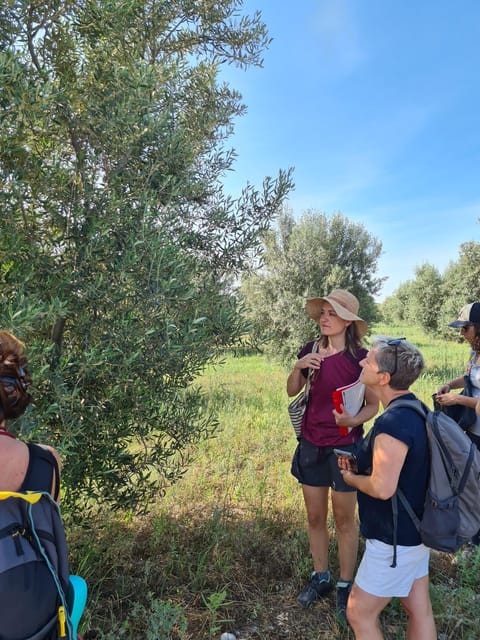
Your guide leads you around the estate and points out how different crops grow—fruit trees, olive areas, and vines—plus how the wild plants fit into the farm system. You’ll learn to recognize wild plants, then shift into aromatic plants, where the focus is on smell and identification, not just sight.
Here’s why this matters: lavender and its relatives can all look similar from far away. Once you learn the cues the guide gives you—how the plant grows, what it looks like up close, and what the fragrance tells you—you start noticing details you used to skip. You’ll also understand why the farm’s organic approach matters: healthy plant life supports stronger aromas and better yields.
You’ll also have moments where the farm’s layout becomes part of the lesson. For example, the way different plant types share space helps explain both agriculture choices and the estate’s knowledge across generations.
The surprise visit: meeting the farmer-agronomist
A nice feature here is that your walk isn’t only guide-led. You’re also joined by a farmer-agronomist responsible for the estate, with a surprise visit during the experience.
That’s valuable because it shifts the conversation from sightseeing to real decision-making. You’re not just hearing general facts about lavender or olives. You’re hearing how someone who manages the land thinks about growing conditions, sustainable choices, and long-term care.
In other words, you get more than a tour script. You get the perspective of someone who’s accountable for results.
Essential oils: the distillation process made understandable
Next comes one of the most memorable parts for first-time lavender visitors: how distillation turns plant material into essential oils.
During the explanation, you’ll learn the distillation process step by step, with the goal of connecting the “how” to what you’ll later taste or smell. This is where the day stops being purely floral-themed and becomes genuinely useful. Once you understand distillation at a basic level, you can appreciate why timing, plant quality, and handling matter.
And it’s not just lavender. The estate also ties in other farm products so you see the farm as an interconnected system. Olives and almonds aren’t background props. They’re part of the same approach to cultivating plants responsibly.
Vineyard access starting in 2024, plus an optional tasting
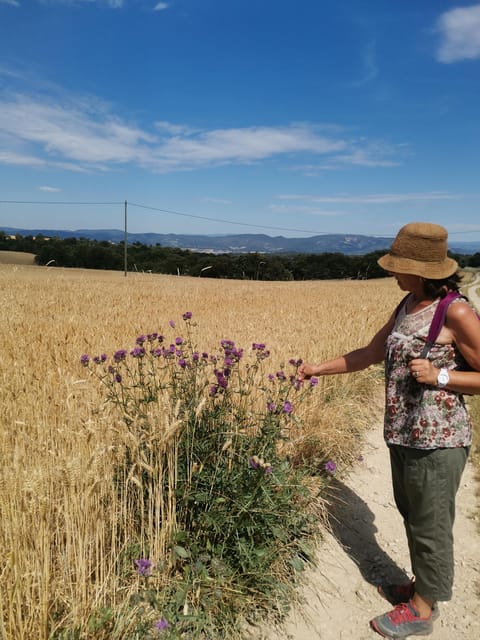
Starting in 2024, you get an exclusive opportunity to visit their vineyards and taste their wine. That’s a big deal because many lavender farm tours keep vineyards in the distance.
If you’re a wine person, this is where the experience broadens without getting complicated. The wine tasting is optional for 5 euros, and you can pay by card or cash. The wine is described as award-winning, and the chance to taste it in the vineyard context makes the flavors feel more connected to the place.
One smart move: decide in the moment. If you’re enjoying the walk and the explanations, go for it. If you’re more of a lavender-and-olive-quest traveler, you can skip the wine tasting and still leave with plenty.
Included tasting: what you’ll sample during the visit
You’ll taste farm products as part of the tour. This isn’t just a sip and a souvenir push. The included tasting is built around what the estate makes well.
What’s included:
- Lavender syrup
- Raw almonds
- Almond paste
- Essential oil
- Different types of olive oil
I especially like that the tasting covers both “garden to bottle” ideas and “kitchen to pantry” uses. Lavender syrup tells you what the aroma becomes when you concentrate it into food. Almonds and almond paste give you that Provençal nut flavor in a practical way. Olive oils remind you this is a multi-crop estate, not a one-field operation.
What’s not included (and what to expect):
- Refreshment drinks and typical beverage pairings aren’t part of the package.
- You should also plan that some items sold in the shop (almonds, olive oil, essential oil, soaps, perfumes, and more) are purchases if you want them.
So yes, you’ll likely want to buy something. Just don’t assume it’s folded into the price.
Value for $38: where the money actually goes
At $38 per person for about 150 minutes, the value is strong if you care about more than photos. You’re paying for:
- A guided walk that teaches plant recognition and farming methods
- A distillation explanation tied to what you smell and sample
- Vineyard access (starting in 2024)
- Included farm tastings that go beyond a single product
There’s also a real “quality of attention” aspect. The tour isn’t just passing through fields. It stops enough to explain how the estate functions, and it includes a surprise visit from the farmer-agronomist, which you usually don’t get on short tours.
If you only want a quick stroll through lavender and a photo, you might find this longer than you need. But if you like structured learning, this price feels reasonable for the amount you leave knowing.
Weather, timing, and the small planning details that matter
This experience is outdoors, so you need to think like an outdoors traveler. If there’s an orange thunderstorm alert or if the prefecture decides to close operations, the outing can be cancelled and refunded. That means you’re covered when the weather makes it unsafe.
Also consider the walk time. At 150 minutes, you’ll want your energy set before you arrive. The guidance to bring water and even a picnic suggests the farm environment can be a full, slow afternoon, not a quick roadside stop.
One more note worth respecting: they decline liability for accidents if you don’t follow safety rules, leave marked trails, or wear unsuitable footwear. It’s not meant to scare you. It’s a reality check for uneven ground in rural areas.
Who this tour fits best
This is a good fit if you enjoy:
- Farms where you can ask questions and get straight answers
- Learning to identify plants by smell, not just by name
- Lavender plus other Provençal crops like olives and almonds
- A guided day that feels like education with a tasting payoff
It may be less ideal if you want zero walking, rely on very specific mobility needs, or strongly prefer strictly indoor experiences.
It’s also a great option for people who want more authenticity than a typical “stop and shop” outing. You’re getting a look at how agriculture is done, not just how products are packaged.
Should you book the Valensole winery and lavender farm visit?
I’d book it if you’re the type of traveler who likes understanding how things are made. The combination of organic farming context, aromatic plant lessons, and the distillation explanation makes the day feel purposeful. Add the included tasting—lavender syrup, almonds, almond paste, essential oil, and olive oils—and the value makes sense.
Skip it only if you’re chasing a short, low-effort photo break. This tour is built around walking and learning, and the best results come when you wear the right shoes and show up ready for the outdoors.
FAQ
How long is the visit?
The duration is 150 minutes.
What is the price per person?
The price is $38 per person.
Is the wine tasting included?
Wine tasting is optional for 5 euros.
What languages are the live guides available in?
The tour guide is available in French, English, and German.
What should I bring for the tour?
Bring water, loose-fitting clothes, a sun hat, sunscreen, hiking shoes, and a picnic.
What is included in the tasting?
Included tastings are lavender syrup, raw almonds, almond paste, essential oil, and different types of olive oil.
Where is the meeting point, and can I park nearby?
The meeting point is a farm with a lavender-colored sign. You can park directly on the field in front of the house once you drive into the alleyway.
Is insurance required?
Yes. Liability and repatriation insurance are mandatory.
Is a minimum group size required?
Yes. A minimum of 7 participants is required.