REVIEW · ZANZIBAR CITY
Zanzibar: Spice farm tour with Zanzibar fruits tasting
Book on GetYourGuide →Operated by Zanzibar Home Tours & Safari · Bookable on GetYourGuide
Cloves have a way of grabbing attention. This Zanzibar spice farm tour turns that smell into a hands-on village walk and ends with Zanzibar fruit and spice tasting.
I like that it’s not just a quick photo stop. You’ll stroll through farms with a local guide, see how spices and fruits grow, and learn how Zanzibar’s spice trade developed in village life.
One catch: the tour includes palm-leaf accessories (ties, rings, bracelets, glasses), but at least one guest expected a take-home piece like a necklace/crown to be included for free. If that matters to you, ask before the tour starts so there’s no surprise.
In This Review
- Key highlights to look for
- People’s Palace Museum: the easy start point
- A village walk where spices are part of daily life
- The private spice farm stop: plants, trees, and a guided flow
- What to watch for while you’re there
- Palm-leaf accessories: fun for photos, worth checking for take-home rules
- Fruit tasting you can actually use
- Shopping spices from the source: good value if you know what you’ll do with them
- English or French guide: clarity is part of the bargain
- Price and time: does $45 per person make sense?
- Logistics that matter: meeting point timing and simple communication
- Who this Zanzibar spice tour is best for
- Should you book the Spice Farm tour with fruit tasting?
- FAQ
- Where is the meeting point for the tour?
- How long is the spice farm tour?
- Is hotel pickup included?
- What’s included in the tour price?
- What can I taste during the tour?
- What languages does the live guide speak?
- Is there free cancellation?
Key highlights to look for
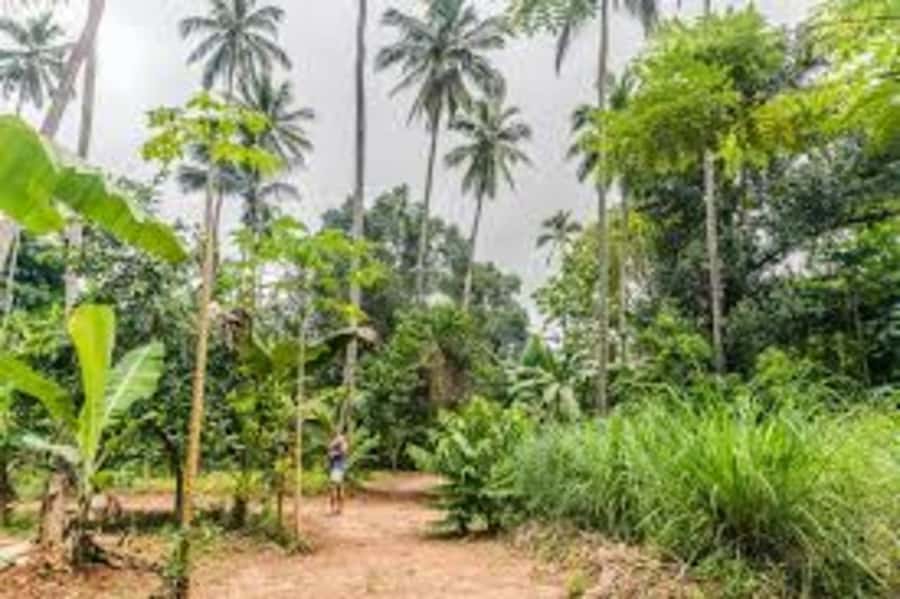
- Village-to-farm walking route that keeps you outdoors and moving
- Spice and fruit growing in the same area, including coconut and spice trees
- Tasting session with common tropical fruits like pineapple, bananas, oranges, and watermelon
- You learn the Zanzibar spice trade story through everyday cultivation
- Shopping time to buy fresh spices straight from the source
- Private group feel with a live guide in English or French
People’s Palace Museum: the easy start point

The tour meeting point is straightforward: the guide waits in front of the door of People’s Palace Museum. That matters more than it sounds. If you’re basing your day in Stone Town, this gives you a predictable anchor, instead of hunting down a garden gate in the heat.
You also get a practical “start” to a spice tour. People’s Palace Museum is a useful reference point, and it helps you plan your afternoon without overthinking timing. The whole experience is only about 3 hours, so good logistics keep it from feeling rushed.
You can also read our reviews of more tours and experiences in Zanzibar City.



A village walk where spices are part of daily life
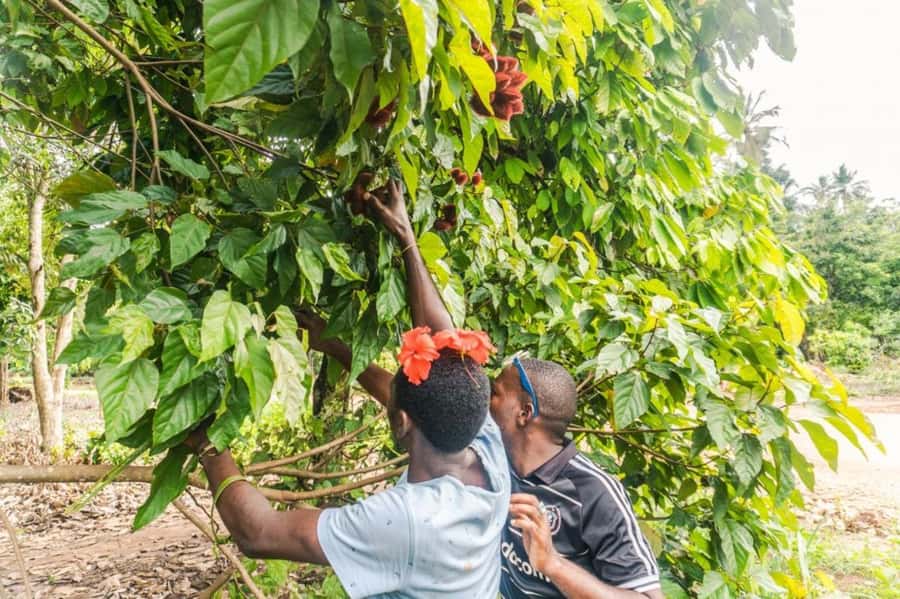
This is a guided walking tour through villages and spice plantations in Zanzibar, and the vibe is intentionally small-scale. You’ll cover about 2 hours at the private spice farm area, but the walk through surrounding farmland is the real setup: it’s where you connect the plants to people, not just to tourist photos.
Expect to be shown key Zanzibar spices and uses, including cloves, cinnamon, ginger, and lemongrass. The guide explains how they’re grown and how people use them, so your brain isn’t stuck on names only. It’s the difference between reading a menu and tasting the ingredients.
One underrated value here: you’ll see the farming setting in a way that feels human. Village workers climb into spice trees and coconut trees during the tour. That’s not only visual drama—it also shows you that harvesting isn’t abstract. It’s work, it’s seasonal, and it shapes what’s available.
The private spice farm stop: plants, trees, and a guided flow
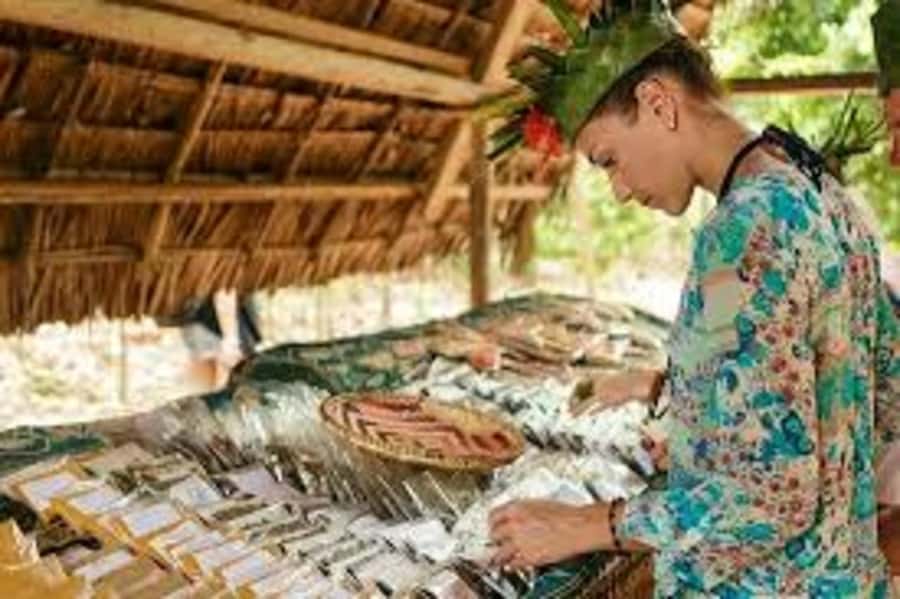
After you leave the museum area, you head to the private spice farm. The schedule there is built for walking, viewing, and learning: photo stop, guided tour, sightseeing, and then shopping time.
Here’s what you’ll likely notice if you’re paying attention:
- Spices don’t grow like a neat herb patch. They’re tree-like, shrub-like, or layered by height.
- You learn which plants get harvested for aroma, which for flavor, and which for everyday household uses.
- The farm layout helps you understand why Zanzibar spices became famous in the first place: they’re compact, usable, and tied to specific growing conditions.
A couple of guests also mentioned seeing other trees and plants beyond the core spices—things like jackfruit, eucalyptus, and acacia. You shouldn’t count on every single one, but it’s a strong sign that the guide may widen the tour beyond the standard list if the farm has them in season.
What to watch for while you’re there
Look at how spices are positioned around the farm. The tour isn’t only about tasting—it’s about recognizing plants in real space. If you want to buy spices later, this is what makes those purchases feel smarter. You’ll be able to say, I saw where and how this grows, instead of buying something that just smells good in a bag.
Palm-leaf accessories: fun for photos, worth checking for take-home rules

During the tour, you’ll be decorated with palm leaf accessories such as ties, rings, bracelets, and glasses. This is one of those Zanzibar-style touches that turns a walk into a memory you can picture later.
But here’s the practical side: one guest felt disappointed because a necklace/crown they expected as a free souvenir wasn’t included as part of the tour. That suggests the accessories may be for wearing during the experience, while some items could be sold or treated differently than others.
My advice: before you accept anything you’re supposed to wear, quietly ask what you keep. If you’re on a strict budget, also keep an eye out during the shopping portion so the day doesn’t slide into unplanned spending.




Fruit tasting you can actually use
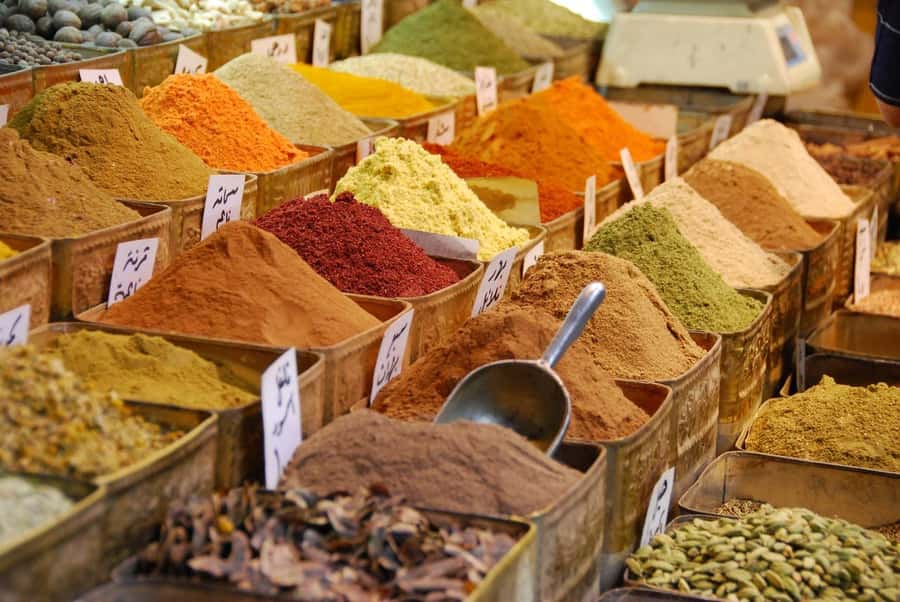
The tasting part is a real highlight because it makes the spice theme feel grounded in the island’s food. At the spice farm, you’ll get a chance to taste tropical fruits such as pineapple, bananas, oranges, and watermelon, and you’ll also be able to buy fresh spices from the source.
This is valuable because it gives you flavor context. If you’re buying spices, you’ll better understand how those tastes might show up in cooking—especially if you use spices at home and don’t just collect them as souvenirs.
Tip: pace yourself. Fruit tasting plus walking can be surprisingly filling, and you’ll want energy for the final shopping and photos.
Shopping spices from the source: good value if you know what you’ll do with them

Shopping is included in the farm portion. That’s where the tour can become either a great value or a frustrating impulse buy, depending on your habits.
Here’s how I’d approach it:
- Buy small amounts of a spice you can actually use soon.
- Smell first, ask what it’s used for, then decide.
- If you’re buying for gifting, check how it’s packaged and whether it’s meant to travel well.
The strength of this tour is that you’re not shopping in a market with endless alternatives. You’re shopping where the plants are being grown. That’s why the walking component matters: it makes your spice purchases feel like a connection, not just a product hunt.
English or French guide: clarity is part of the bargain
The guide is live and works in English and French. A clear guide is huge on a tour like this, because you’re moving through plants and learning uses fast.
One guest specifically mentioned the guide spoke clearly enough to understand everything. That’s what you want. If English isn’t your first language, choosing the French option can make the tour feel smoother rather than slower.
If you’re not confident with the language, ask the guide to repeat key points about specific spices and uses—your time is limited to about three hours, so make sure you get the parts you care about.
Price and time: does $45 per person make sense?

For $45 per person, you’re looking at a 3-hour private guided experience that includes a local guide, entrance fees, fruit tasting, and transport service from the meeting point to the tour and back.
That package can be good value if:
- You want a standalone spice farm outing rather than a combined day of multiple activities.
- You care about seeing real cultivation, not only smelling spices in a shop.
- You want the tasting and shopping bundled into a single guided walk.
Where you might feel the price is less fair:
- If you were hoping for take-home souvenirs included with the palm leaf accessories.
- If you expected hotel pickup as part of the base price.
Hotel pickup and drop-off from your accommodation is excluded, but you can contact the operator for it for an extra charge. If you’re staying far from People’s Palace Museum, it’s worth asking early so you can add the cost (if needed) to your decision.
Logistics that matter: meeting point timing and simple communication
The guide waits in front of People’s Palace Museum, and that’s good. Still, one guest reported arriving and no one met them for an hour. That’s not something you can predict, but you can reduce the chance of problems.
My practical move: plan to arrive a little early and message the tour operator if you’re delayed. If you’re traveling during a busy time of day, buffer your schedule so you don’t turn a calm farm walk into a stressful start.
Who this Zanzibar spice tour is best for
This is a solid fit if you:
- Like hands-on, outdoors-style tours with a walking pace
- Want a clear focus on Zanzibar spices and fruits in one place
- Prefer a private group experience without mixing with strangers
- Enjoy learning how local farming connects to the island’s trade reputation
It’s especially good for solo travelers who want a focused outing without stacking another activity on top. If you’re traveling with kids, consider how long walking through farms will feel—this tour is short, but it is still a walk.
Should you book the Spice Farm tour with fruit tasting?
I’d book it if spice and fruit education sounds like your kind of Zanzibar. The best reason is simple: it’s structured. You get the village-and-farm walk, the tree moments, the fruit tasting, and time to buy spices at the source—without turning the afternoon into a rushed checklist.
Before you go, do two quick things:
- Ask whether palm-leaf accessories are only worn during the tour or if any are included as take-home souvenirs.
- If you need hotel pickup, price it into your plan upfront since it’s not included by default.
If you want a short, guided way to understand Zanzibar beyond beaches, this tour is a smart use of a few hours.
FAQ
Where is the meeting point for the tour?
The guide will wait for you in front of the door of People’s Palace Museum.
How long is the spice farm tour?
The tour runs for about 3 hours.
Is hotel pickup included?
No. Transport from the meeting point to the tour and back is included, but pick up and drop off from your hotel is excluded (available for an extra charge if you request it).
What’s included in the tour price?
A local tour guide, entrance fees, Zanzibar fruit tasting, and transport service from the meeting point to the tour and return.
What can I taste during the tour?
You’ll have a chance to taste tropical fruits such as pineapple, bananas, oranges, and watermelon, and you’ll also taste spices.
What languages does the live guide speak?
The tour guide speaks English and French.
Is there free cancellation?
Yes. You can cancel up to 24 hours in advance for a full refund.