REVIEW · ZANZIBAR CITY
Spice Farm Bike Tour: Pedal Through Aromatic Adventures
Book on GetYourGuide →Operated by Happy Bikes Zanzibar · Bookable on GetYourGuide
Spice tours are usually quick. This one runs on two wheels, taking you through real neighborhoods before you reach the spice farm and its hands-on fruit-and-spice tasting. I especially like the combination of everyday street life by bike and the guided spice walk, where you touch, smell, and hear how plants are grown and used. One thing to weigh up: this is not a lazy, flat ride. You’ll face hills, uneven off-road sections, and sometimes busy road moments.
Your guide picks you up and you start near Stone Town (often from Old Town or your hotel area, with an in-person meeting point option in front of Lukmaan Restaurant on Mkunazini Street). Then the day stretches into three distinct chapters: city streets, a farm tour with Swahili lunch, and a return ride through Masingini Forest where you look for red colobus monkeys and other wildlife. Guides in the experience I’m describing have been English-speaking and often funny, and I’ve seen names like Issa and Adam attached to tours like this, with Issa noted for clear English and a passion for explaining spices.
Why it works well: the bike part keeps you moving like a local visitor, not parked beside a tour van. The spice part gives you a sensory payoff (you’re not only hearing about spices). The forest part adds a nature break at the end. If you’re hoping for fully level roads, or you freeze at the idea of mixing with rush-hour traffic, keep reading before you book.
In This Review
- Key things I’d plan around
- How Zanzibar street cycling leads you to the spice farm
- The spice farm visit: tasting, touching, and a guided walking tour
- Lunch on Zanzibar terms: Swahili flavors and calm farm energy
- Returning through Masingini Forest for red colobus monkey moments
- Price and value: what $60 buys you in a 6-hour day
- Difficulty level, safety, and why one rider felt it was wrong
- What to bring (and what not to wear) for a smooth ride
- Who this tour fits best (and who should skip it)
- Should you book the Spice Farm Bike Tour?
- FAQ
- How long is the Spice Farm Bike Tour?
- Where do I meet my guide?
- How far will I bike during the day?
- What’s included in the $60 price?
- What should I bring?
- Is a helmet included?
- Does the tour run in bad weather?
- Is this tour suitable for kids or people with mobility needs?
- What wildlife might I see on the return ride?
Key things I’d plan around
- 14 km out and 14 km back means you should be comfortable riding for real distances in heat.
- Uneven, off-road, and not horizontally level terrain is part of the experience, not an exception.
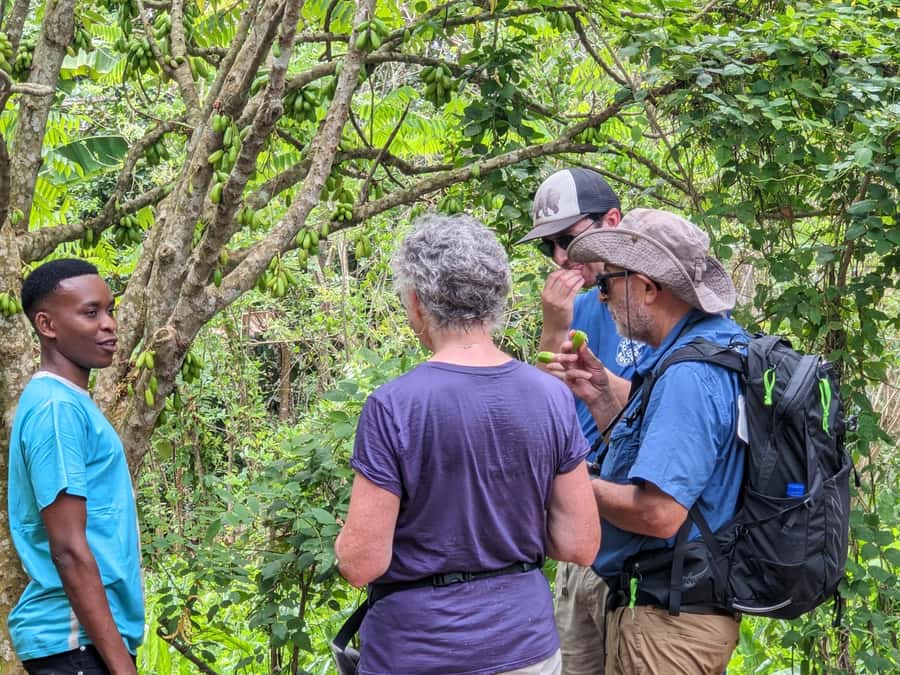
- Spice farm tasting + a 1-hour walking tour is the core value, including explanations of how spices grow.
- Swahili lunch and coconut water are included, so you don’t need to hunt for food mid-ride.
- Masingini Forest entry + red colobus monkeys turn the return leg into a wildlife hunt.
- Helmet is not included, so bring your own if you want one.
How Zanzibar street cycling leads you to the spice farm
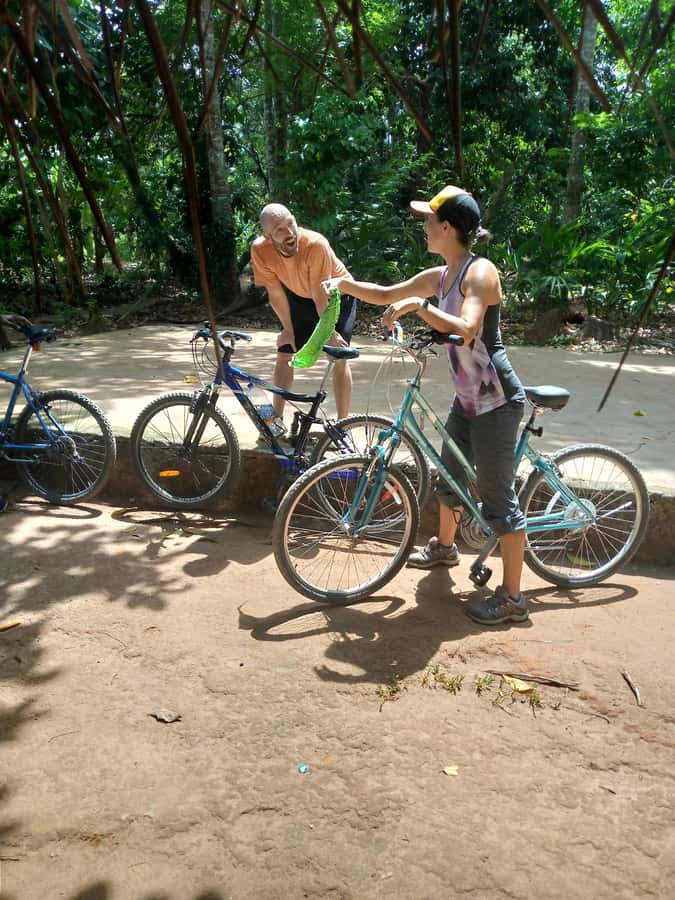
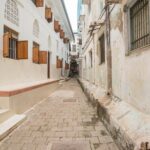
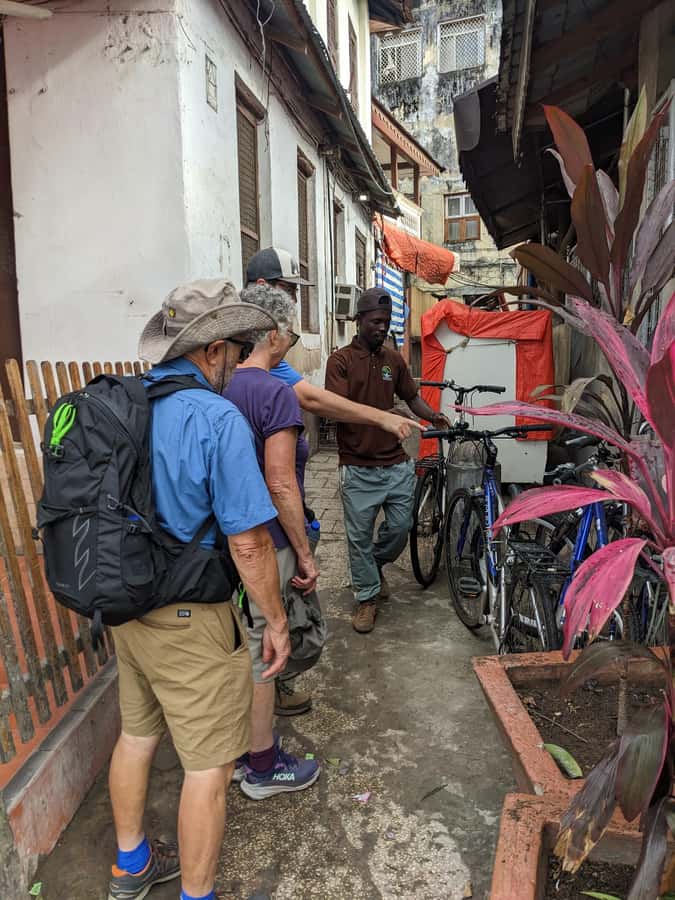
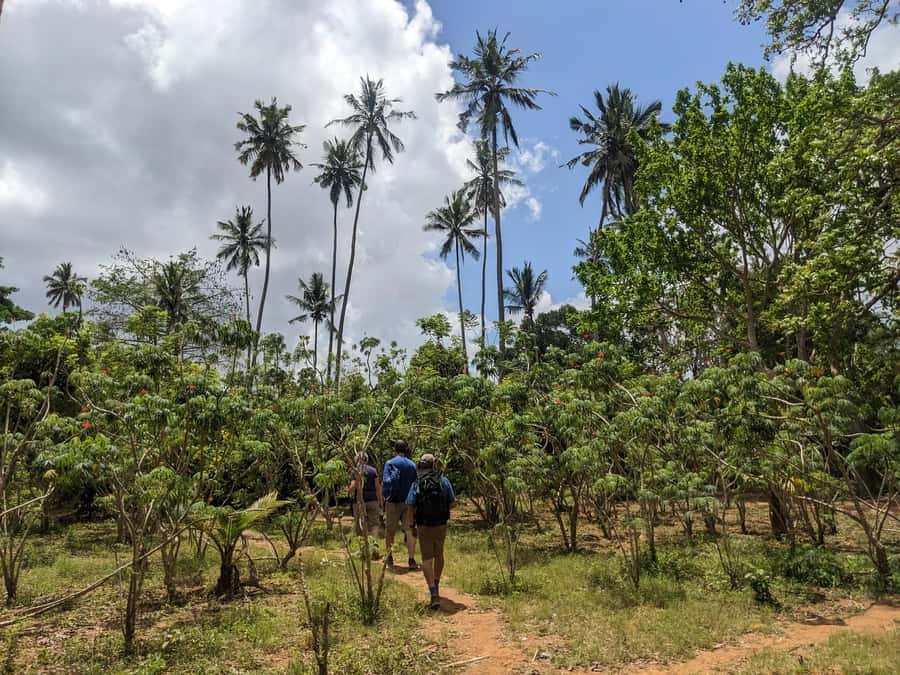
The tour starts with a bike pickup (either from your hotel area or with an easy-to-find meeting point in Stone Town). You’re told to wait about 5 minutes in the hotel lobby, and the guide will be holding a map so you can spot them. Once you’re mounted, the ride becomes a moving snapshot of Zanzibar beyond the main tourist lanes.
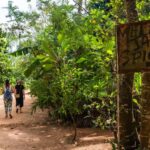
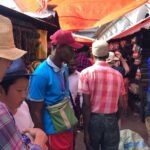
You go through main streets, neighborhoods, and everyday blocks, which matters because the spice farm itself is only part of the story. The bike time is what lets you see how the island actually looks at normal hours: street art, local routines, storefronts, and the kind of movement that doesn’t happen when you’re stuck inside a car.
Now for the practical reality check. This is a mountain-bike style outing, and that helps on rough ground. Still, the road mix can be demanding. One rider described rush hour as busy and needing attention around a roundabout, and others pointed out uneven back roads and off-road patches. In other words: ride-ready confidence matters more than wanting a scenic “Sunday cruise.”
A helpful note from a real-world rider experience: if you’re not strong on uphill sections, ask early whether there’s a way to shorten the harder climbing. One cyclist arranged to have the bikes loaded onto a local transport option (a daladala) for the uphill part. That’s not listed as a standard plan for everyone, but it’s a good example of how flexible the guide may be if you talk to them.
You can also read our reviews of more tours and experiences in Zanzibar City.
The spice farm visit: tasting, touching, and a guided walking tour
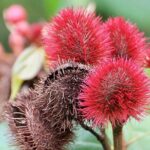
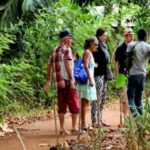
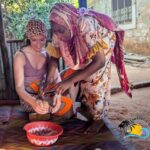
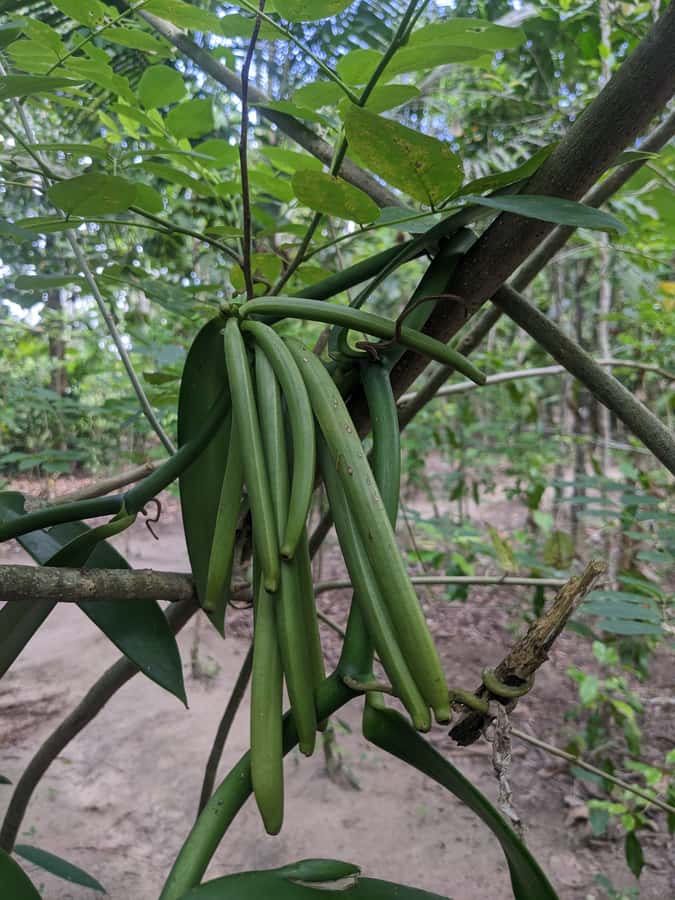
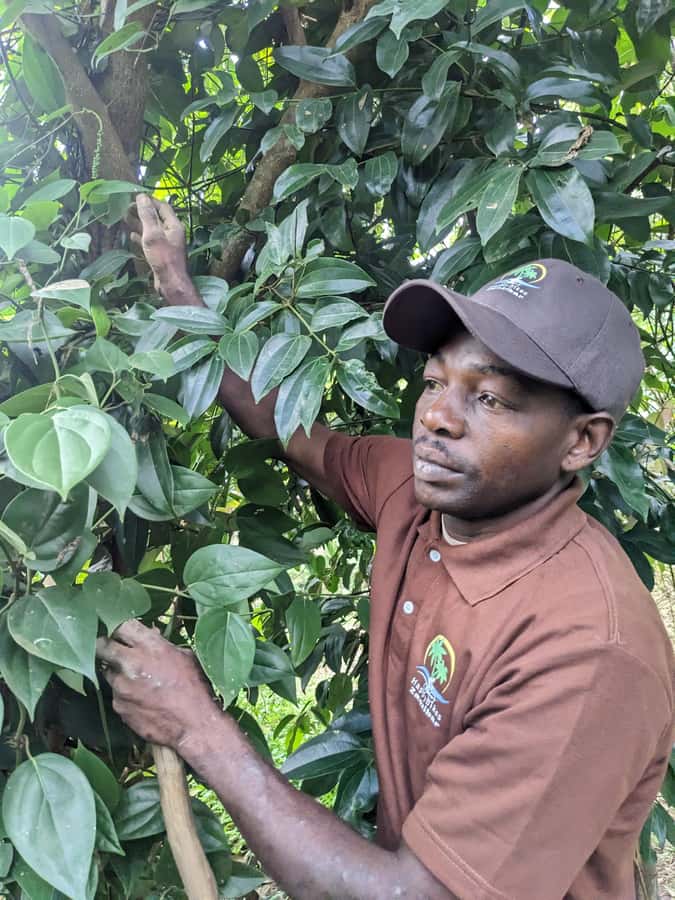
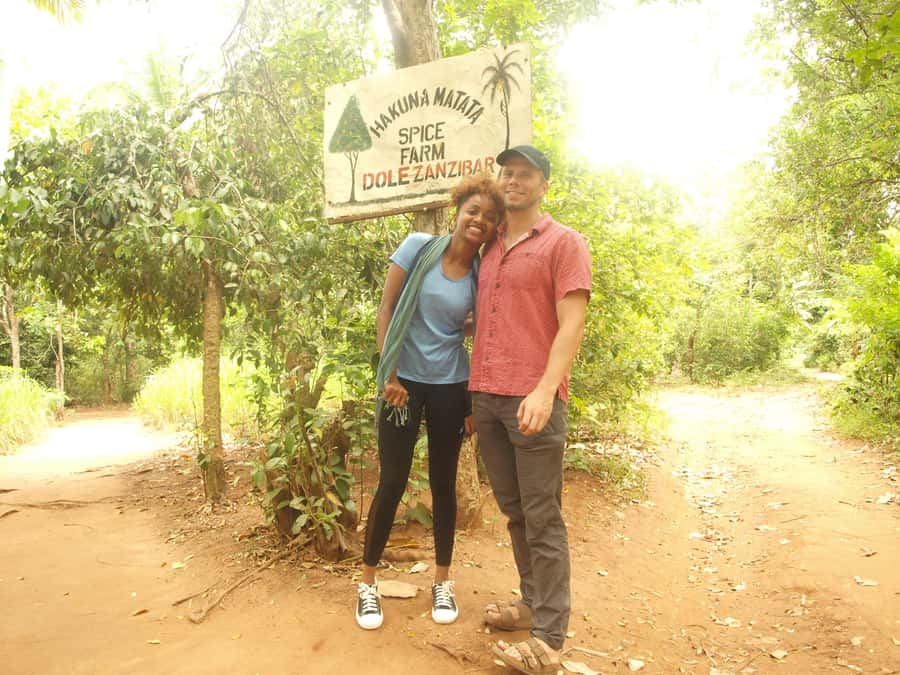
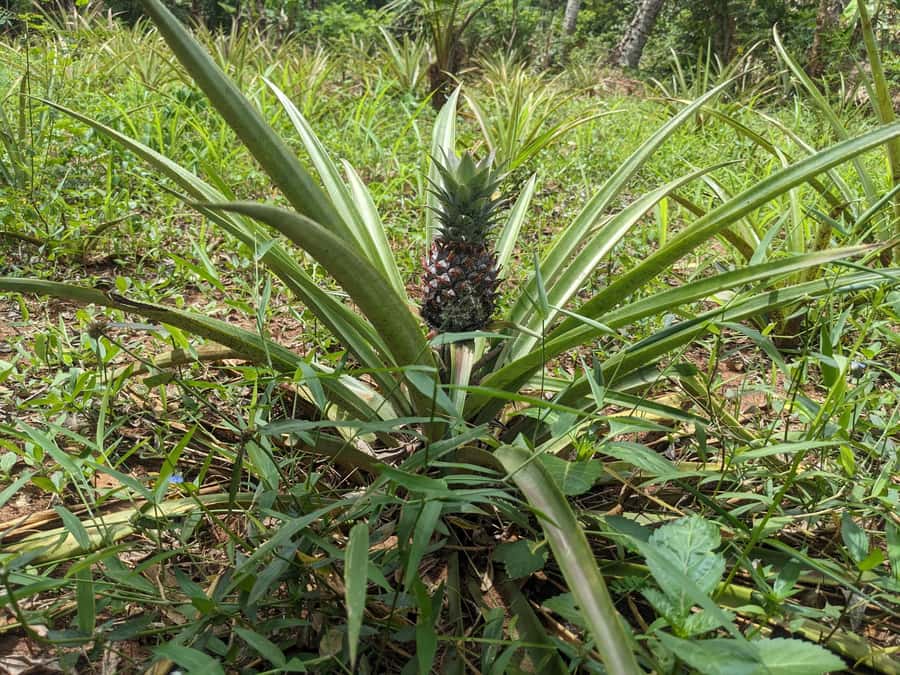
This is the heart of the day. You park your bike, then start with tropical fruit tasting. It’s simple but important: it gets your senses ready. Then you head into a guided walking tour of the farm for about one hour, structured around how spices are grown and used.
Here’s what you should expect from the experience on the farm itself:
- Touch and smell the spices as the guide points out plants and their uses.
- Learn how different spices grow (not just what they taste like).
- Hear stories tied to each spice and how Zanzibar’s cooking uses them.
What I like about this format is that it’s not just lecture time. You’re moving, looking at leaves and pods, and connecting the smell to the culinary uses. That sensory link makes later tasting (including your lunch) feel more specific.
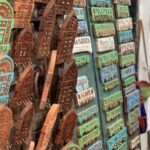
You’ll also have a chance to browse herbal products made locally. Some farm setups connect spices with soaps, oils, and perfumes, so if you’re the type who likes practical souvenirs, keep cash handy. The tour includes entry tickets to Dole as well, which likely relates to fruit and farm-side access during the day. Either way, fruit tasting plus farm explanations give you a clearer picture of where flavors come from.
One fun detail that shows up in some guides’ farm interactions: you may see coconut-focused moments, including a coconut tree climb demonstration and singing that leans into the island vibe.
Lunch on Zanzibar terms: Swahili flavors and calm farm energy
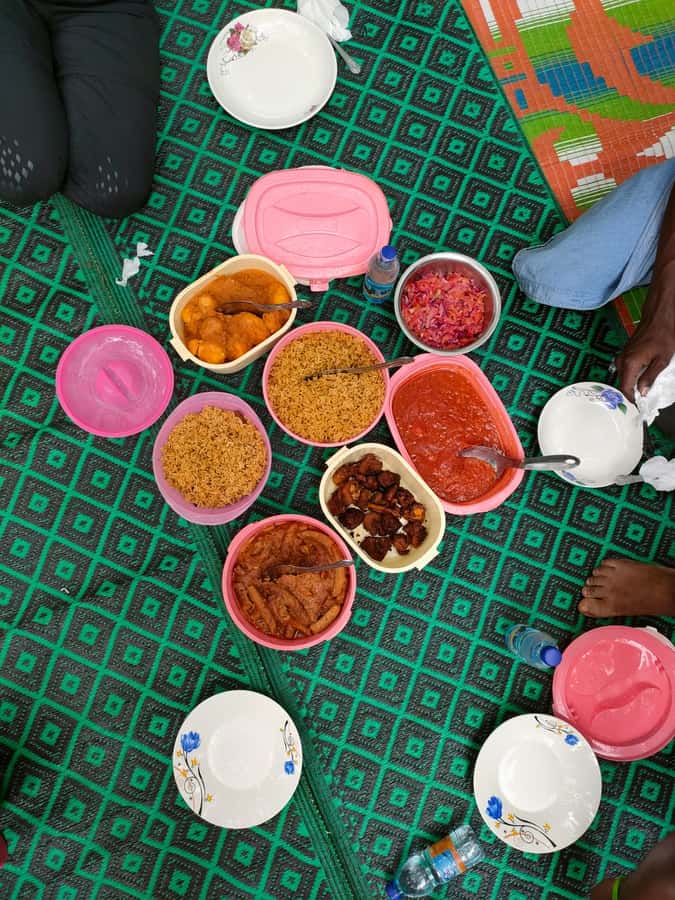
After the walking tour, you’ll get Swahili lunch on-site. For many people, this is the moment the day clicks, because the food is built from the same regional ingredients you’ve just been smelling and naming.
Included with the meal are water and coconut water, which is genuinely useful on a day that often includes heat, hills, and some sweat. When cycling days go wrong, it’s usually because people forget hydration. This setup prevents that common mistake.
The “connect with villagers” part matters too. You’re not only eating in a separate dining area while everyone else stays hidden. The tour experience is designed so you have room to meet locals and talk at a human pace. It’s not a staged performance; it’s more like the normal social energy you find in village life when visitors show interest.
One thing to know: lunch timing and pace are built around the bike and walking segments, so you won’t be lingering for hours. You’ll leave fed, not stuffed, and ready to ride again through forest.
Returning through Masingini Forest for red colobus monkey moments
On the way back, the route shifts from farm and neighborhood scenes into Masingini Forest. The tour includes entry tickets here, and the forest leg is where the day gains its wildlife edge.
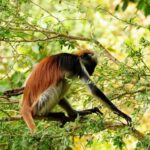
Keep your eyes up in the canopy. The star is the red colobus monkey, described as playing in the trees. You may also spot birds and other wildlife, depending on time of day and what the forest is doing that day.
Even if you don’t get a long monkey sighting, this return segment is valuable because it breaks the ride with cooler air and a different kind of movement. Instead of street noise and traffic attention, you’re watching branches, listening for calls, and riding through a calmer rhythm.
Photo tip that helps in real life: zoom in from safe spots. Don’t stop in the middle of narrow paths just to reframe your shot. Forest surfaces can be uneven, and the bike day already asks your legs to stay sharp.
Price and value: what $60 buys you in a 6-hour day
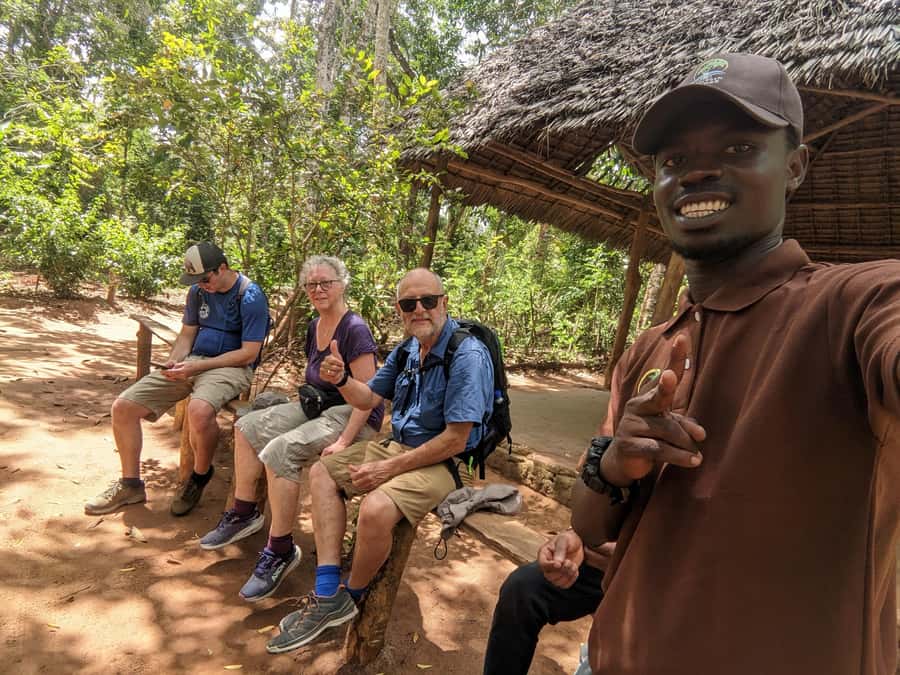
At $60 per person for about 6 hours, you’re paying for a full loop: bike rental, guide time, farm experiences, lunch, drinks, and forest access. When you break it down, the value comes from bundling things that would be annoying to arrange separately.
Here’s what’s included that you’d otherwise pay for or plan yourself:
- Local guide (English live guide)
- Bicycle rental
- Swahili lunch
- Tropical fruits
- Water plus coconut water
- Pickup and drop-off
- Entry tickets to Dole and Masingini Forest
What’s not included:
- Helmet
- Any natural purchasing (spices/herbal products/souvenirs)
So the cost makes sense if you want the guide-led sensory farm portion and a guided wildlife return, not just a bike ride. If you’re the kind of cyclist who can handle routing on your own, you might pay less by renting and going DIY—but you’d lose the structured farm walk, the meal, and the forest-focused planning.
Also keep in mind that the ride is described as not being level, with gravel road and off-road sections. That’s one more reason the included bike rental matters. This isn’t a boardwalk tour. It’s built for a bike you can trust and a guide who knows where to take you.
Difficulty level, safety, and why one rider felt it was wrong
Let’s be straight: this tour can be hard work. The day includes 14 km out and 14 km back, so think of it like a full riding outing, not a quick shuttle to a farm. It can include hills, heat, and uneven terrain. Even riders who loved it warned it’s not for the faint-hearted.
A few practical factors that affect how safe and enjoyable it feels:
- Terrain: gravel road plus off-road, and it’s not horizontally level.
- Road mix: parts can include busy stretches and tricky navigation moments.
- Cycling comfort: if you’re new to bikes or shaky at turns, you’ll feel it here.
One low-rated experience described cycling on busy, dangerous roads, uneven hazardous back roads, and even getting a cab partway with a lost guide moment. I can’t confirm every detail of that situation, but it’s a reminder that your comfort level with real traffic and rough ground needs to be honest.
How I’d protect yourself:
- Stay close to the group, especially on intersections or when traffic is heavy.
- Ask your guide about the pacing before you start.
- Wear proper shoes and plan for sweat and sun.
And if you’re not sure you can handle the return leg, ask about the option of a minibus partway through. The tour information includes a minibus option halfway from Stone Town, and at least one rider arranged a transport help strategy for a difficult uphill section. These options can turn a possibly stressful day into a manageable one.
What to bring (and what not to wear) for a smooth ride
Your packing list directly affects how fun the day feels.
Bring:
- Sports shoes (not sandals)
- Outdoor clothing that can handle sun and a possible shower
- Sunscreen, sunglasses, and a hat
- A camera
- Cash for purchases on the farm
- Comfortable clothes you can sweat in
Not allowed:
- High-heeled shoes, pets, short skirts, ripped clothing
- Alcohol and drugs
- Skates, loose clothing, and nudity
That dress code isn’t just about manners. Loose clothing can catch on bike parts or get in the way when riding uneven ground. And because the route includes off-road sections, you’ll want fabric that stays put.
One more practical tip: if you have one, bring your own helmet. Helmets aren’t included, and a safer setup makes sense on a ride with rough terrain and traffic.
Who this tour fits best (and who should skip it)
This is best for you if:
- You want an active day that includes real neighborhood cycling, not just views from inside a car.
- You enjoy hands-on food culture—spices, fruit, and the way plants become flavors.
- You like nature at the end of a ride, especially wildlife spotting in forest.
It’s not a good fit if:
- You can’t ride a bike or you’re hesitant to cycle in mixed road conditions.
- You’re under 9 years old, pregnant, or you use a wheelchair (these are listed as not suitable).
- You want a totally flat, easy route.
If you’re an intermediate rider who can handle stops, starts, and uneven patches, you’ll likely have more fun than you expect. If you’re a brand-new cyclist, the hills and terrain may take the joy out of the day.
Should you book the Spice Farm Bike Tour?
I’d book it if you want a 6-hour Zanzibar experience that mixes three things in one: spice farm sensory learning, local Swahili lunch, and a forest ride with a serious chance of seeing red colobus monkeys. The $60 price makes sense because it bundles guide, bike, meals, drinks, and entry tickets.
Don’t book it if you’re expecting a gentle, flat bike ride. This is closer to a workout plus culture. If that sounds exciting, go for it. If it sounds stressful, look for an alternative tour or ask the guide about pacing support like the minibus halfway option.
If you do book, set yourself up to succeed: bring proper shoes, consider your sun protection seriously, and talk to the guide early about your riding comfort. That way, you’ll spend your energy on the spices, the lunch, and the monkey trees—not on whether you’re keeping up.
FAQ
How long is the Spice Farm Bike Tour?
The tour lasts about 6 hours.
Where do I meet my guide?
You may be picked up depending on your selected option. You can also meet the guide in front of Lukmaan Restaurant at Mkunazini Street, and the guide is described as holding a map.
How far will I bike during the day?
The tour takes about 14 km to go and 14 km back to Stone Town, for a total of around 28 km.
What’s included in the $60 price?
Included are a local guide, bicycle rental, lunch (Swahili cuisine), tropical fruits, water, coconut water, pickup and drop-off, and entry tickets to Dole and Masingini Forest.
What should I bring?
Bring a camera, sports shoes, cash, outdoor clothing, sunscreen, comfortable clothes, sunglasses, and a hat.
Is a helmet included?
No. Helmet is listed as not included.
Does the tour run in bad weather?
The tour is described as running shower or shine.
Is this tour suitable for kids or people with mobility needs?
It’s not suitable for children under 9, pregnant women, people who can’t ride a bike, or wheelchair users.
What wildlife might I see on the return ride?
In Masingini Forest, you’re expected to look out for red colobus monkeys, plus birds and other wildlife.