REVIEW · CENTRAL VIETNAM
Coffee & Culture Experience _From Farm to Cup by Elon Farm
Book on Viator →Operated by ELON FARMSTAY · Bookable on Viator
Coffee has a story, and you get it. This farm-to-cup experience at Elon Farmstay in Central Vietnam is interesting because it connects everyday coffee routines to real people and real steps, from harvesting ripe cherries to roasting your own beans. What I like most is the family welcome led by Jenny at Elon Farmstay, and the hands-on idea of getting involved in the roasting process rather than just watching. A key consideration: the tour highlights coffee harvesting during the harvest season (November to February), so outside those months you may get less cherry-picking.
On top of the coffee focus, the day includes two cultural/nature breaks: Thac Voi (Elephant Waterfall) and Linh An Pagoda. Between meals, coffee/tea/water, and a small group size (max 6), this feels more personal than a big bus tour. The one thing that can throw your plan off is weather—this experience requires good conditions—so always keep flexibility.
In This Review
- Key highlights worth planning for
- Entering Elon Farmstay: a coffee day that feels local
- What the farm-to-cup lesson actually includes
- Visiting the farm: learning by seeing daily work
- Coffee harvesting: ripe cherries and real selection
- Processing: cherries to green beans
- Milling: preparing for roasting
- Roasting: you can roast your own coffee
- Thac Voi (Elephant Waterfall): a nature stop that changes the pace
- Linh An Pagoda: adding a cultural pause without killing the momentum
- Meals included: why that detail matters more than you think
- Bicycles and a Vietnamese hat: small extras that make photos and memories easier
- Price and value: what $33.57 buys you here
- Who this tour suits best
- Should you book this farm-to-cup experience?
- FAQ
- How long is the Coffee & Culture Experience from Farm to Cup by Elon Farm?
- Where does the tour start and end?
- What’s included in the price?
- What stops are part of the itinerary?
- Is there a coffee harvesting component?
- How big are the groups?
- What happens if weather is poor?
Key highlights worth planning for
- Hands-on roasting: you get the chance to roast your own coffee, not just sample it
- Farm-to-cup steps in order: from cherries to green beans, milling prep, and roasting styles
- Harvest-season cherry picking (Nov–Feb): the most active farm portion lines up with the season
- Small group at Elon Farmstay: up to 6 travelers means more attention and a calmer pace
- A break beyond coffee: Thac Voi (Elephant Waterfall) and Linh An Pagoda add variety
- Extra time on the grounds: meals and overnight stay are included, which can make it feel like a mini countryside stay
Entering Elon Farmstay: a coffee day that feels local
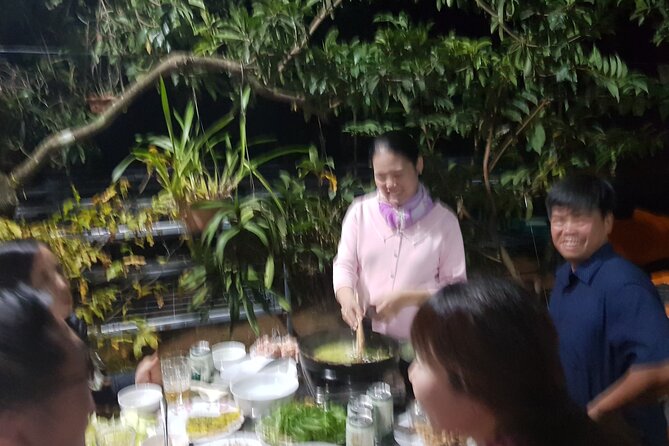
If you’ve ever wondered why coffee tastes different from cup to cup, this is the kind of tour that answers it the right way: by showing the process, not by hand-waving “terroir” talk. The tour is built around the journey from farm to cup, and that matters because coffee flavor is shaped by choices made long before the first sip—what ripeness looks like, how cherries are processed, how beans are prepared, and how roasting is handled.
You’ll start at Elon Farmstay in Gia Lâm Commune, Lâm Hà (Lâm Đồng). This is one of those setups where the activity is woven into daily life: coffee work, neighborly interactions, and the rhythm of the countryside. The vibe is simple and practical—bring curiosity, and the day will give you a lot back.
What also helps is the small group size. Max 6 travelers is ideal for questions. It also means the host family can slow down when you want to understand something (like why green beans need certain steps before roasting).
You can also read our reviews of more tours and experiences in Central Vietnam.
What the farm-to-cup lesson actually includes
The best part of this experience isn’t only that coffee is involved—it’s that the tour is mapped to the real stages coffee goes through. Here’s what to expect, in plain terms, and how it can help you as a visitor.
Visiting the farm: learning by seeing daily work
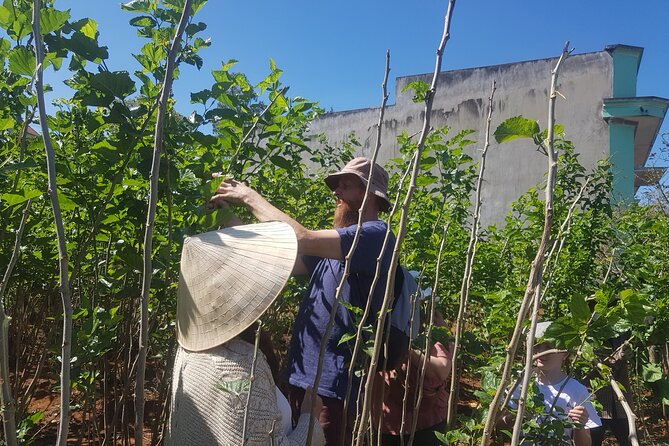
You’ll begin with a visit to the coffee farm and see how local farmers cultivate their coffee plants. This is where you learn to connect coffee to agriculture basics: trees, timing, and everyday maintenance. You may also get a sense of local life beyond coffee, especially since the experience mentions spending time with neighbors and seeing how people live in the countryside.
Why this is valuable: coffee can feel like a packaged product. On the farm, it becomes a living workflow.
Coffee harvesting: ripe cherries and real selection
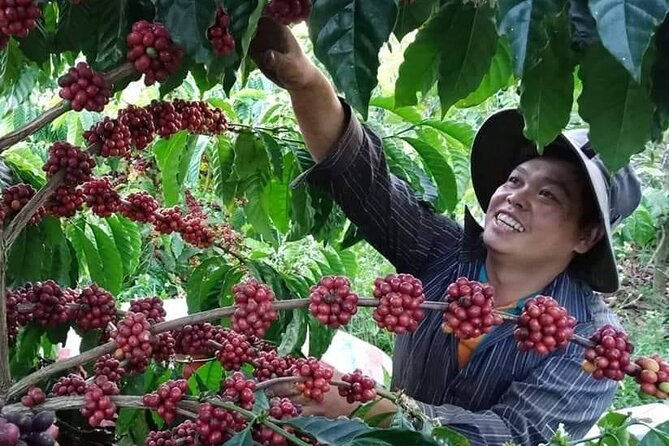
During harvest season (November to February), you’ll be able to visit the farm when cherries are coming in and pick ripe ones. The tour highlights that farmers choose the best cherries, which is a key detail. Coffee isn’t just about “picking”—it’s about picking what’s right for quality.
Timing note: If you’re traveling outside November–February, you should still expect coffee education and processing steps, but the harvesting part may not be as hands-on.
Processing: cherries to green beans
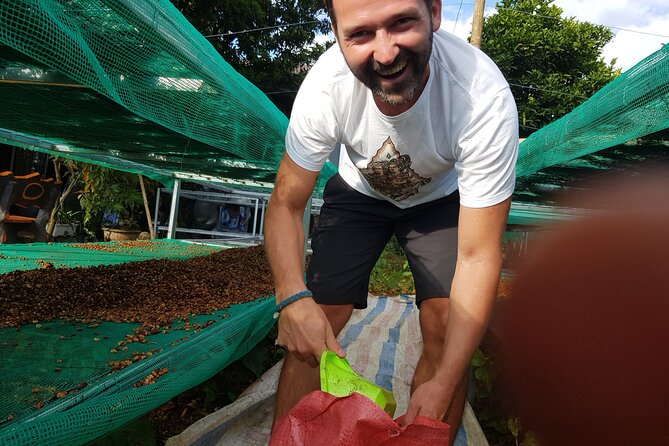
Next comes the transformation from cherries into green beans. This step is where coffee flavor pathways start to diverge. The tour focuses on how cherries turn into green beans and how the processing stage affects what you end up tasting later.
Even if you don’t memorize every technique, you’ll come away with a better mental map for why some coffee tastes brighter, others deeper, and some more complex.
Milling: preparing for roasting
Then you’ll see how coffee is prepared for roasting. Milling is one of those steps people usually skip in casual conversations about coffee. But the idea is simple: green beans need the right preparation so roasting can happen consistently.
This section is a good reminder that coffee quality is a chain. Break one link (like poor prep or inconsistent handling), and the end cup can suffer.
Roasting: you can roast your own coffee
Here’s where it gets fun. The highlights say you can roast your own coffee, and you’ll learn how green beans become aromatic coffee. You’ll also be introduced to different roasting styles.
Why this is a highlight: roasting is sensory. You see color change, smell aroma, and understand how heat/time decisions steer flavor. Even a short roasting session can make you think differently the next time you order coffee.
Thac Voi (Elephant Waterfall): a nature stop that changes the pace
The itinerary includes a stop at Elephant Waterfall at Thác Voi. This works well as a change of scenery after you’ve been thinking about coffee processing steps.
Waterfalls also make a different kind of sensory education. Instead of smelling aromas and tasting notes, you’re reading the environment: humidity, mist, the sound shift as you get closer, and the way weather can change what you experience.
Potential drawback: because this experience requires good weather, the waterfall portion can be affected by rain or poor conditions. If visibility is limited, your photo ops may not look like postcards, but you’ll still get the feel of the area.
Linh An Pagoda: adding a cultural pause without killing the momentum
Next up is Linh An Pagoda. A pagoda stop is a smart balance after a farm-and-water day. It gives you a quick cultural reset, and it can help you understand the region beyond coffee.
You’ll likely spend time walking around and taking in the atmosphere, with a slower pace than the roasting and processing segments. For me, that kind of rhythm matters: it keeps a tour from feeling like an info marathon.
Consideration: this stop may feel more meaningful if you’re the kind of traveler who enjoys quiet spaces and simple observation, rather than strictly “activity checklists.”
Meals included: why that detail matters more than you think
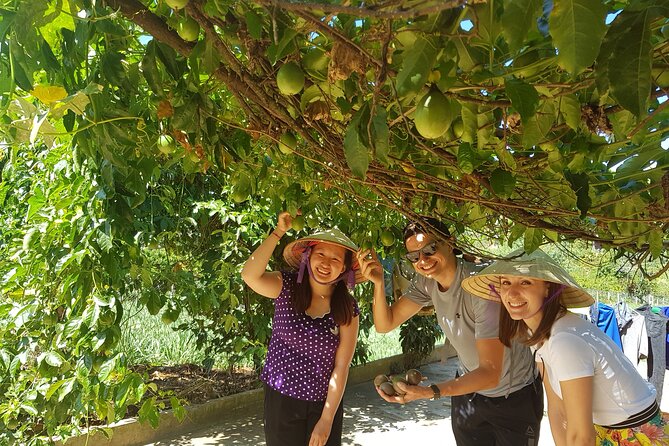
Meals are included—breakfast, lunch, and dinner—along with water, coffee, and tea. That sounds like standard “tour perks,” but for an experience centered on food and drink, it’s actually part of the value.
1) You don’t have to scramble to find meals after farm work or processing.
2) You can keep your energy steady for hands-on steps like roasting.
3) Coffee and tea being included reinforces the theme, so you’re constantly in context—before and after learning.
This is also one reason a small-group format can feel worth it: you’re not constantly breaking the flow to find food for 20+ people.
One more note: the inclusions list mentions an overnight stay, even though the duration is listed as about 5 hours. That could mean the experience is packaged across more than one block of time, or that additional time is part of the full offering. Before booking, I’d confirm the exact schedule for your dates so your expectations match what you’re signing up for.
Bicycles and a Vietnamese hat: small extras that make photos and memories easier
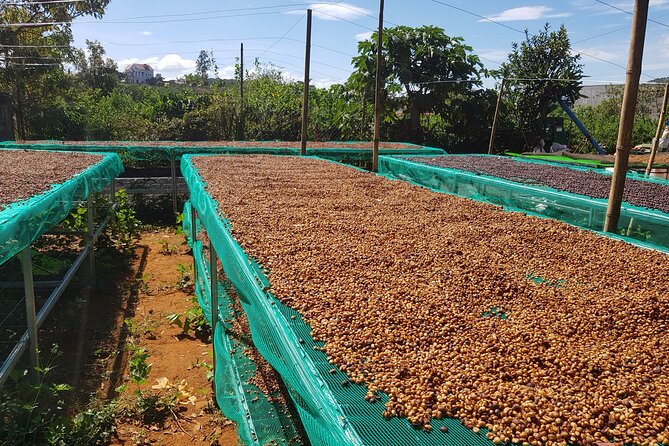
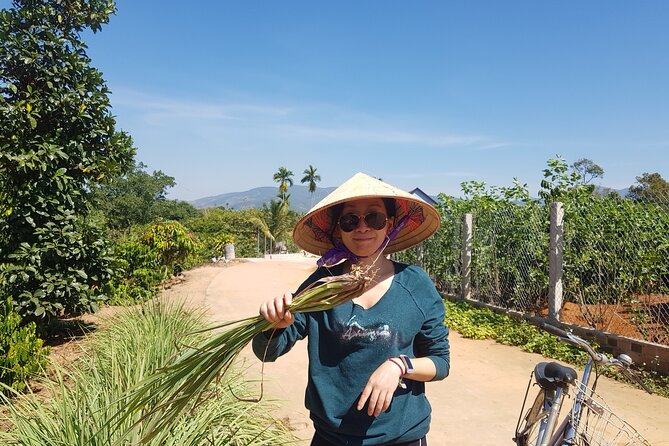
The tour includes a bicycle and a Vietnamese hat. These are simple, but they do two useful things for you:
- They make it easier to take part in the day without needing your own gear.
- They add a playful “I’m here” element to the memory, not just a stack of coffee facts.
Even if you’re not chasing photos, these kinds of extras can help make the experience feel less like a lecture and more like time with people.
Price and value: what $33.57 buys you here
At $33.57 per person, this is not positioned like a premium luxury tour. So the real question is: does it deliver “tour-like” convenience and real content for the money?
In this case, the value is driven by three things that add up fast:
- Hands-on coffee involvement (including the option to roast your own coffee)
- Included meals (breakfast, lunch, dinner) plus coffee/tea/water
- Small group size (max 6), which tends to mean more personal attention
When meals are included, a lot of day-trip costs disappear from your budget. When roasting is included, you’re paying not just for instruction but for experience time. And when the group is small, you’re more likely to get explanations that stick.
If you’re coming from Dalat city or the Lien Khuong airport, transport isn’t included, so plan for that cost separately. The experience starts and ends back at the meeting point, which is convenient if you’re already set up to get to Elon Farmstay.
Who this tour suits best
This experience fits you if:
- you love coffee and want to understand the process behind the cup
- you want a small-group day with a real family-led feel at Elon Farmstay
- you enjoy mixing food education with a nature stop (Thac Voi) and a cultural pause (Linh An Pagoda)
It might be less ideal if:
- you’re visiting outside November–February and are specifically hoping for lots of cherry-picking
- you prefer city-only sightseeing and want fewer countryside farm moments
- you have tight weather-sensitive plans, since the experience depends on good conditions
Should you book this farm-to-cup experience?
If you want coffee facts, you’ll get them. But the bigger reason to book is the structure: you learn the chain of steps from farm cherries to green beans, then you see how preparation leads into roasting styles—plus you get to try roasting yourself. Add in a family-led welcome (Jenny is specifically mentioned) and included meals, and the day reads like an authentic countryside experience rather than a scripted commercial stop.
Book it if you’re traveling around Central Vietnam and you can be flexible with weather. If your trip dates land outside the Nov–Feb harvest season, still consider it—just adjust expectations about cherry-picking being a highlight. For most coffee lovers, the process learning and hands-on roasting are the main payoff, and they’re the kind of memories that stick long after the cup is gone.
FAQ
How long is the Coffee & Culture Experience from Farm to Cup by Elon Farm?
The experience is listed as approximately 5 hours.
Where does the tour start and end?
It starts at Elon Farmstay in Gia Lâm Commune, Lâm Hà, Lâm Đồng and ends back at the same meeting point.
What’s included in the price?
Included are breakfast, lunch, dinner, water, coffee, and tea, plus bicycles and a Vietnamese hat, tickets, and an overnight stay.
What stops are part of the itinerary?
The itinerary includes Elephant Waterfall (Thác Voi) and Linh An Pagoda.
Is there a coffee harvesting component?
The highlights say harvest-season coffee harvesting runs from November to February, with picking ripe coffee cherries during that time.
How big are the groups?
This experience has a maximum of 6 travelers.
What happens if weather is poor?
The experience requires good weather. If it’s canceled due to poor weather, you’ll be offered a different date or a full refund.