REVIEW · CHIANG MAI
Chiangmai Coffee Farm Tour
Book on Viator →Operated by Chiangmai coffee farm tour · Bookable on Viator
Coffee cherries start the day. This Chiang Mai coffee farm tour mixes a coffee flower tea welcome with hands-on coffee work, from cherry picking to roasting your own beans. I love the chance to actually roast and brew coffee you helped make, not just watch it. One consideration: the farm day needs good weather, so plan for possible date changes if conditions turn.
I also like the small-group feel (up to 8 people), which makes it easier to ask questions and move at a farm pace. You’ll get picked up from the hotel lobby at 8.30 a.m. in a van, with a stop passed along the way at Doi Saket Hot Springs and views of day-to-day countryside life.
In This Review
- Key highlights at a glance
- Getting to the farm: van pickup, a hot-spring pass, and countryside views
- Welcome drink first: coffee flower tea and an organic-farm mindset
- Cherry picking: the day’s most physical moment (and why it matters)
- Processing explained: from cherry to coffee you can roast
- Roast-your-own coffee: the hands-on workshop coffee lovers talk about
- Planting coffee trees: a calm ending after a busy, caffeinated morning
- Food, pace, and group size: where the $56.67 value really comes from
- Practical tips so the day feels smooth (not chaotic)
- Is this Chiang Mai coffee farm tour worth booking for you?
- Should you book? My quick decision guide
- FAQ
- What time does hotel pickup happen for the Chiang Mai coffee farm tour?
- How far is the coffee farm from Chiang Mai Old City?
- How long is the tour?
- What is the group size?
- What coffee-related activities are included?
- Will I get souvenirs during the tour?
- Is insurance included in the tour program?
- Is it easy to cancel if the weather is bad?
Key highlights at a glance
- Coffee flower tea on arrival: a quick, local-style welcome before you touch the coffee cherries
- Small group of max 8: more hands-on time and less standing around
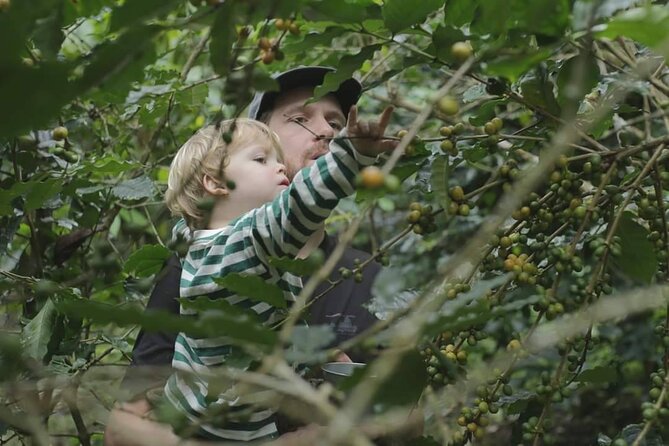
- Cherry picking plus processing basics: you’ll connect the plant to what ends up in your cup
- Roast your own beans, then brew them: the best part for coffee lovers with curiosity
- Souvenirs from dried cherries: a take-home reminder that’s tied to the work you did
- Plant a coffee tree: a fitting finish for a day spent in coffee-growing territory
Getting to the farm: van pickup, a hot-spring pass, and countryside views
Your morning starts with hotel pickup at 8.30 a.m. from the lobby, handled by a company staff member driving a van. The farm is about 1 hour from Chiang Mai Old City, so you get out of town without spending the whole day stuck on the road.
On the ride, you’ll pass Doi Saket Hot Springs, plus you’ll see how people live in the countryside around Chiang Mai. That drive matters because it sets expectations: this isn’t a city coffee stop. It’s a working farm day, where the scenery changes from streets to fields pretty quickly.
Because the tour duration runs about 6 hours 30 minutes, leaving on time helps you keep the full flow of activities. The day is structured, but it’s not rushed—think steady work breaks, tasting breaks, and time outside in farm conditions.
You can also read our reviews of more tours and experiences in Chiang Mai.
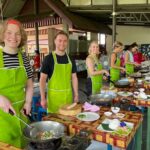


Welcome drink first: coffee flower tea and an organic-farm mindset
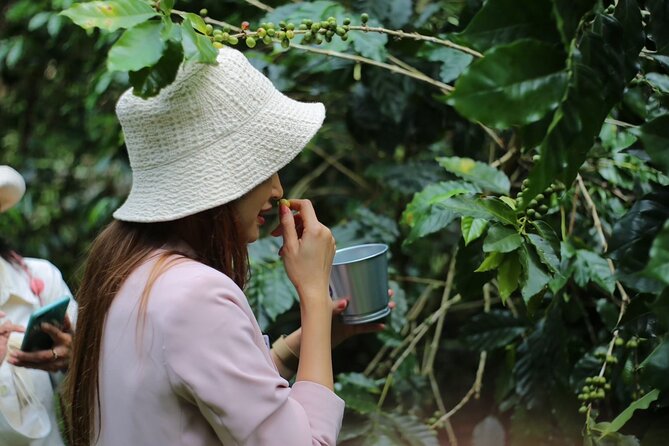
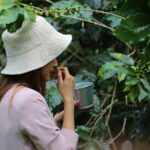
Before you get hands-on, you’ll start with a welcome drink: coffee flower tea. It’s a small moment, but it’s a clever one. Before you taste “coffee coffee,” you get introduced to the plant’s other parts—flowers and fruit—so the rest of the day makes more sense.
You’ll also get an orientation to the farm, described as organic and personally cared for—grown “with love.” You won’t just be handed a checklist of activities. The tour is built to connect you to the idea that coffee farming is both agriculture and patience.
If you’re the type who likes learning by doing, this opening sets the tone. If you’re mostly there for the coffee, it still works, because it turns the day into a progression: tea, cherries, processing, roasting, brewing, fresh coffee tasting.
Cherry picking: the day’s most physical moment (and why it matters)
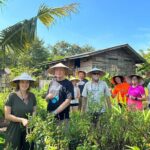
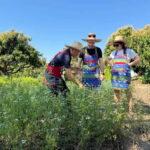
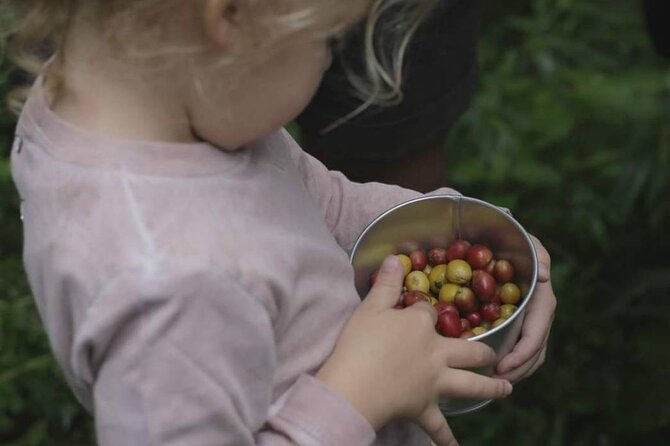
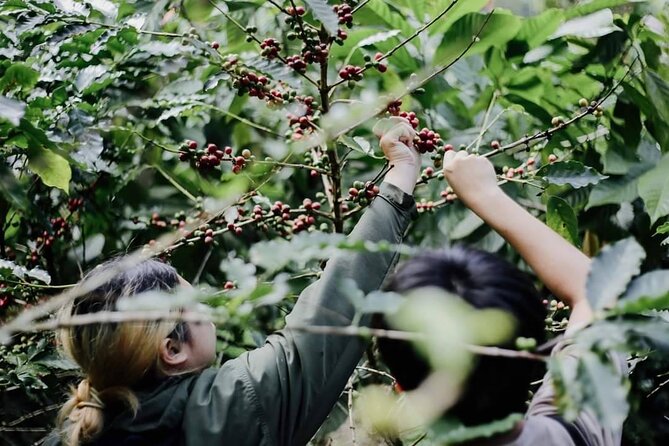
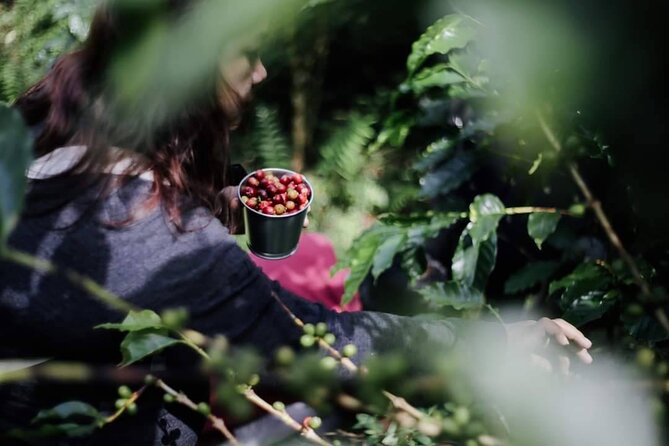
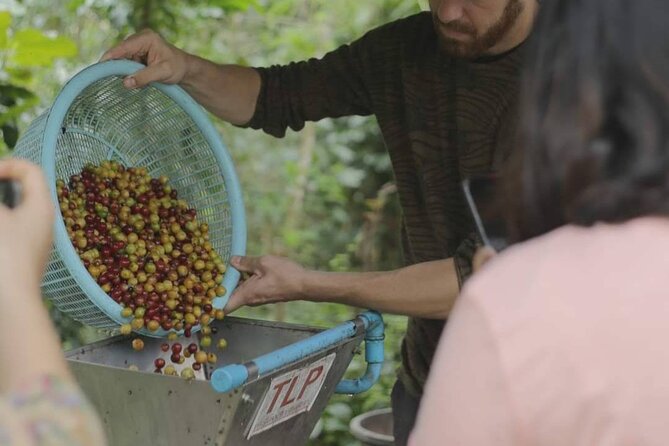
Next comes the classic coffee-farm activity: picking coffee cherries. This is the moment where coffee stops being a product and starts being a real crop.
What you do here matters for two reasons. First, it helps you understand that coffee begins as fruit. Second, it makes the later processing explanations feel practical instead of abstract. You’re not learning coffee terms from a screen—you’re working with the actual cherries.
Expect a hands-on farm pace. You’ll be outside, and you’ll likely get a bit dusty or sticky from fruit work. Wear something you don’t mind getting farm-adjacent with. Bring water in your day bag if you have one, since the tour is busy and you’ll want steady energy.
Small-group size (max 8 travelers) is a quiet advantage here. When you’re picking, you don’t want a crowd slowing you down or making you wait your turn.
Processing explained: from cherry to coffee you can roast
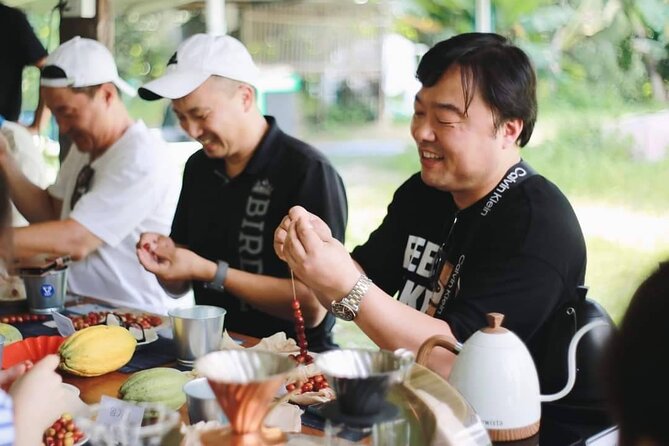
After cherry picking, the tour shifts into understanding coffee processing. The goal isn’t to overwhelm you with technical theory. It’s to show the path from what you picked to what ends up roasted and brewed.
This part is valuable because it gives context to the sensory side of coffee. Once you understand that cherries have to be processed into beans, the roasting and brewing sections start feeling like continuation—not separate activities.
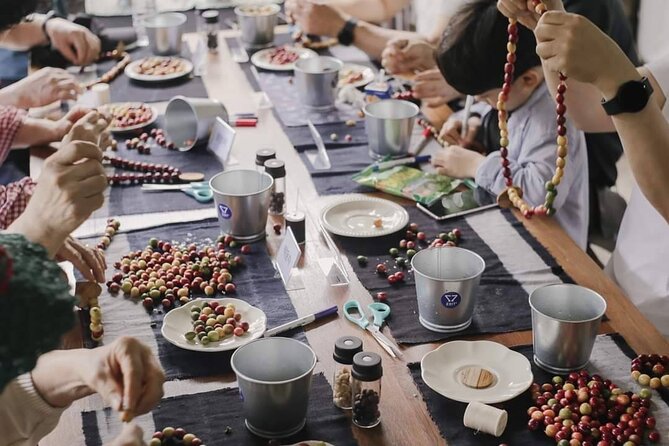
You’ll also make souvenirs with dried cherries. That’s another link between farm work and your senses. It turns something you handled earlier into something you can keep, which helps the whole day stick in your memory.
Roast-your-own coffee: the hands-on workshop coffee lovers talk about
Now for the headline act. You’ll roast your own coffee. That’s where the tour earns its high rating with people who care about coffee beyond taste.
Roasting changes everything. Even without deep equipment talk, you can taste the difference in the final brew because the beans you roast become the beans you use next. The experience is designed so you get to connect process and outcome.
After roasting, you’ll brew coffee using the beans you roasted. This is the step that makes the whole day click. You’re not just tasting “farm coffee.” You’re tasting your result—and that’s a powerful way to learn.
Finally, you get to drink fresh coffee from the farm. That last tasting gives you a reference point, so you can compare what you made with what the farm produces on its own.


Planting coffee trees: a calm ending after a busy, caffeinated morning
The tour’s last activity is planting coffee trees. It’s a simple idea, but it lands well after a day of picking, processing, roasting, and brewing.
This part works best if you treat it as a pause button. You’ve already done the intense, hands-on parts. Tree planting slows you down and reminds you that coffee growing is long-term work, not just a one-day experience.
If you’re thinking about souvenirs, this one’s different. Instead of carrying something home in a bag, you’re part of something that continues growing where you visited.
Food, pace, and group size: where the $56.67 value really comes from
At $56.67 per person, you’re paying for more than “a tour of a coffee plantation.” You’re paying for a full working-farm day with multiple included experiences:
- pickup and transport from Chiang Mai
- a welcome drink (coffee flower tea)
- cherry picking
- processing explanation
- dried-cherry souvenir making
- roast-your-own and brew-your-own coffee
- fresh farm coffee tasting
- coffee-tree planting
- a small group size (max 8)
- program insurance included
- a posted duration of about 6 hours 30 minutes
Reviews highlight an organic meal as well, and that fits the farm-day structure: you need fuel to do cherry picking and roasting work without feeling wiped out.
So the price feels more like a bundled workshop than an entry ticket. If you only wanted a quick tasting and a photo, this might be more than you need. If you want the full path—from fruit to cup—this cost starts to make sense fast.
Practical tips so the day feels smooth (not chaotic)
This is a 6.5-hour morning that combines outdoor time, hands-on tasks, and a couple of coffee-focused stations. A few smart habits make it easier:
- Dress for farm work: closed-toe shoes help for slippery ground and fruit work.
- Plan for weather: the experience requires good weather, and poor conditions can trigger a different date or a refund.
- Treat roasting/brewing like a workshop: move when staff invite you forward so you don’t miss your turn.
- Use the small-group advantage: if you have questions about processing or coffee, ask during the explanation parts.
- Have a simple camera plan: there’s a lot happening; you’ll get better shots if you pause instead of constantly filming.
One more planning note: the tour is often booked about 15 days in advance on average, so if your dates are fixed, don’t wait until the last minute.
Is this Chiang Mai coffee farm tour worth booking for you?
This tour is a strong fit if you want an authentic coffee day with real participation. It’s especially good for coffee lovers who enjoy process—how cherries become beans, how roasting changes flavor, and how brewing turns it into something you can evaluate.
It also fits nature-minded people who like being outside and moving through an agricultural setting rather than only viewing it from a distance. The emphasis on organic farming and a “working farm” feel is a clear theme.
Consider skipping or reconsidering if you dislike outdoor activities, struggle with weather-dependent plans, or want a more relaxed sightseeing-only schedule. Also, since it’s about 6 hours 30 minutes, plan to keep your afternoon light after you return.
Should you book? My quick decision guide
Book it if you want a farm tour that goes beyond photos—picking cherries, roasting your own beans, and brewing what you made. The small-group size (up to 8) plus the included coffee experience makes the day feel like a workshop, not a drive-by stop.
If your priority is a quick coffee tasting with minimal effort, you might find better value elsewhere. But for hands-on coffee curiosity—this one makes the most sense in Chiang Mai.
FAQ
What time does hotel pickup happen for the Chiang Mai coffee farm tour?
Pickup is arranged at the hotel lobby at 8.30 a.m. in a van with company staff.
How far is the coffee farm from Chiang Mai Old City?
The tour visits a coffee farm about 1 hour away from Chiang Mai Old City.
How long is the tour?
The duration is approximately 6 hours 30 minutes.
What is the group size?
This activity has a maximum of 8 travelers.
What coffee-related activities are included?
You’ll enjoy a welcome drink of coffee flower tea, pick coffee cherries, experience processing, roast your own coffee, brew coffee with the beans you roasted, and drink fresh coffee from the farm.
Will I get souvenirs during the tour?
Yes. You’ll make souvenirs with dried cherries.
Is insurance included in the tour program?
Yes, program insurance is included.
Is it easy to cancel if the weather is bad?
You can cancel for a full refund if you cancel at least 24 hours before the experience start time. The tour also requires good weather, and if it’s canceled due to poor weather, you’ll be offered a different date or a full refund.