REVIEW · TELUK BAHANG
Penang: Tropical Fruit Farm Ticket
Book on GetYourGuide →Operated by Globaltix Sdn Bhd · Bookable on GetYourGuide
A farm visit in Penang you can actually taste.
On a 25-acre site in Teluk Bahang, you get a guided look at 200+ tropical fruit species, plus hands-on tastings tied to how the farm grows and processes fruit.
Two things I really like are the guided education (it’s not just a stroll) and the built-in tasting lineup that helps you notice flavors you’d otherwise miss.
One practical drawback to plan around: the farm is mainly reached by taxi or Grab, so you’ll want to budget for transport time and costs.
In This Review
- Key Highlights to Know Before You Go
- Teluk Bahang’s Fruit Farm: Why the Location Matters
- Entering the Orchards: The 30-Minute Guided Farm Tour
- Fruit Enzyme Process, Tea Testing, and Honey Tasting
- Fruit enzyme process introduction
- Cinnamon & lemongrass tea testing
- Fruit enzyme tasting and wild honey tasting
- Optional Extras: 100% Fruit Juice and a Fresh Fruit Box
- What “200+ Species” Changes About Your Experience
- Sustainable Agriculture and Eco/Agro Tourism (What It Looks Like)
- Logistics That Matter: Transport, Umbrella, and Food Rules
- How to get there
- What to bring
- What you can’t bring
- Price and Value: Is $7 Worth It?
- Who This Ticket Fits Best (And Who Might Not)
- Should You Book the Penang Tropical Fruit Farm Ticket?
- FAQ
- Is there an English-speaking guide?
- How long is the Penang Tropical Fruit Farm ticket experience?
- What is included in the ticket?
- How many fruit species can you expect to see?
- Where is the meeting point?
- What should I bring?
- Are food and drinks allowed?
- Is the activity refundable?
- What age range is mentioned for children?
- How do people usually get there?
Key Highlights to Know Before You Go
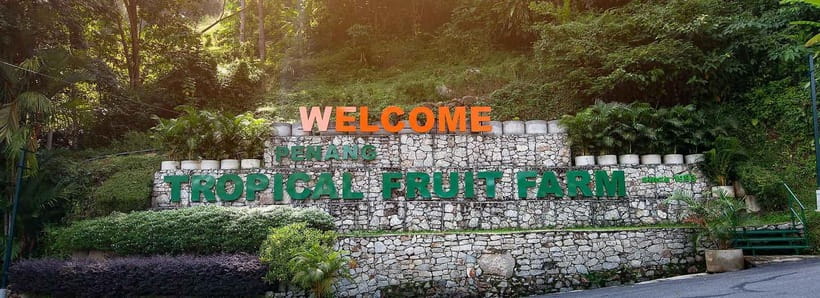
- 200+ fruit species grown on 25 acres at about 800 feet elevation in Teluk Bahang
- 30-minute guided farm tour with English-speaking guidance and educational displays
- Fruit enzyme process intro, then fruit enzyme tasting to connect science with flavor
- Cinnamon & lemongrass tea testing plus wild honey tasting
- Conservation-focused visit: rare and exotic fruit trees are preserved and showcased
Teluk Bahang’s Fruit Farm: Why the Location Matters
Penang’s Tropical Fruit Farm isn’t flat land with a few planted trees. It sits on hilly terrain in Teluk Bahang at about 800 feet above sea level, and that higher, cooler-feeling spot helps the farm support a wide range of tropical and sub-tropical fruit trees.
It’s also developed with a long-term goal. The farm has been operating since 1993, and the mission is conservation and education, not just selling fruit.
That mix is what makes it feel different from a typical “market stop.” You’re seeing a working agricultural space designed to teach you how diverse fruit growing can be.
Entering the Orchards: The 30-Minute Guided Farm Tour
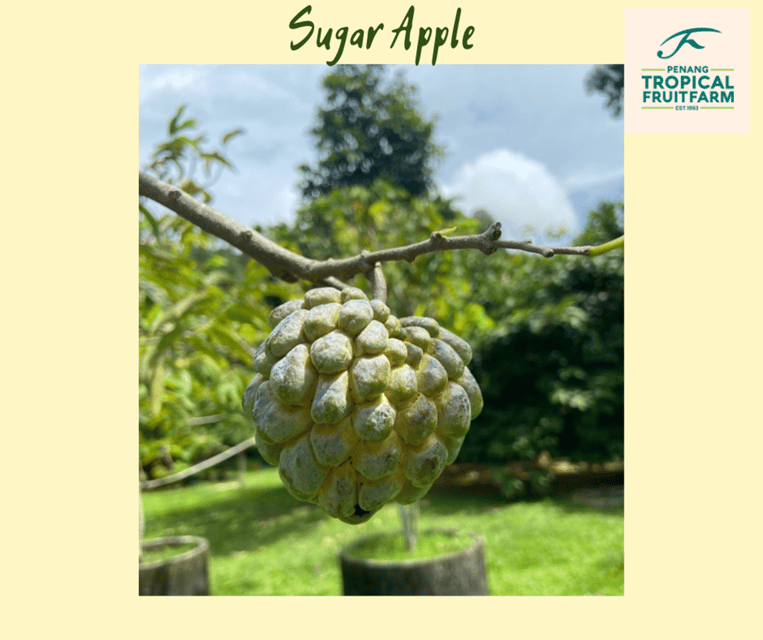
Your ticket includes a guided farm tour for about 30 minutes, which is a smart length. Long tours can turn into walking time with little takeaway, but this one stays tight enough that the information has somewhere to land in your head.
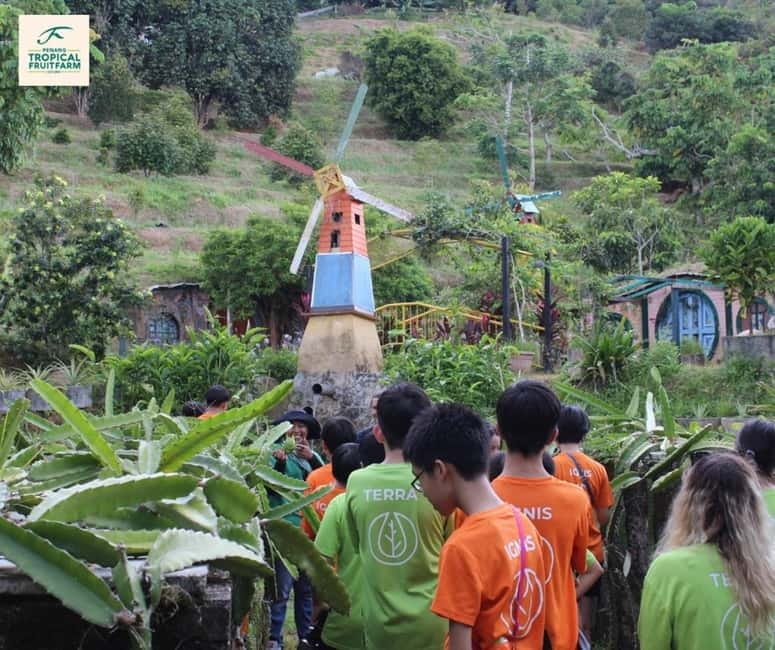
Expect to explore the orchards and get a guided introduction to what’s growing there. You’ll also encounter educational displays that explain Malaysia’s fruit diversity and the farm’s approach to eco/agro tourism.
One tip: go in with curiosity, not a checklist. When the guide points out differences between fruit trees and their fruiting patterns, you’ll start spotting why the farm can support so many edible species in one place.
Fruit Enzyme Process, Tea Testing, and Honey Tasting
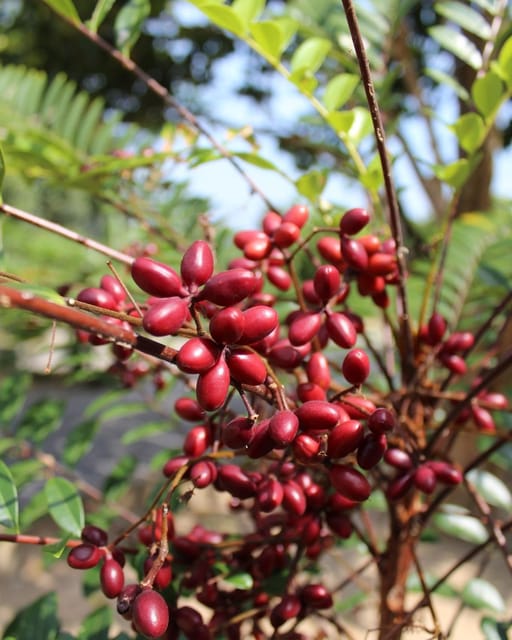
This is where the ticket stops being “just sightseeing” and becomes something you can remember with your taste buds. Included are several guided tasting experiences tied to the farm’s fruit and processing approach.
Fruit enzyme process introduction
You’ll get an introduction to the fruit enzyme process, followed by fruit enzyme tasting. The point isn’t that you’ll become a food scientist in one hour; it’s that the farm connects agricultural work with how fruit is transformed and experienced.
When you pay attention during the explanation, the later tasting makes more sense. You’re not just sampling randomly—you’re tasting with context.
Cinnamon & lemongrass tea testing
Next comes cinnamon and lemongrass tea testing. This is a fun palate reset, and it also fits the overall theme: fruit farming in Malaysia isn’t isolated from herbs and fragrant plants.
If you tend to get tired of sweet samples, tea helps you rebalance your palate before the next taste.
Fruit enzyme tasting and wild honey tasting
After the enzyme section, you also get the fruit enzyme tasting, and then wild honey tasting. Honey is often treated like a souvenir flavor, but here it’s presented as part of a broader farm experience—another local product tied to the ecosystem.
This tasting sequence makes the visit feel practical. You learn about the fruit, you taste it, then you compare it against other farm-linked flavors.
Optional Extras: 100% Fruit Juice and a Fresh Fruit Box
Two upgrade options can be included if you select them:
- 1 glass of 100% pure fruit juice
- a fresh fruit box
These aren’t guaranteed in every booking, so check what you chose when you redeemed your ticket. If you’re the type who wants a take-home piece of the day, the fruit box can be a nice way to keep the farm theme going after you leave.
If you’re trying to travel light, the juice option can be easier than carrying fruit through Penang’s humidity.
What “200+ Species” Changes About Your Experience
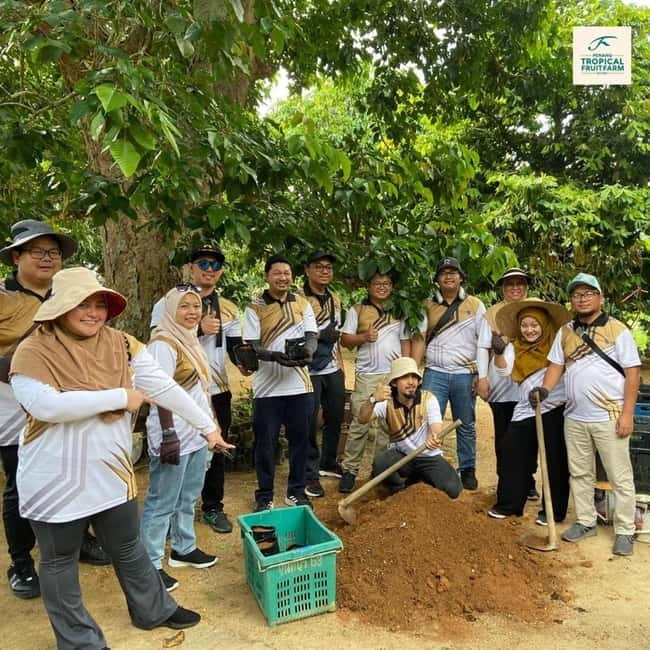
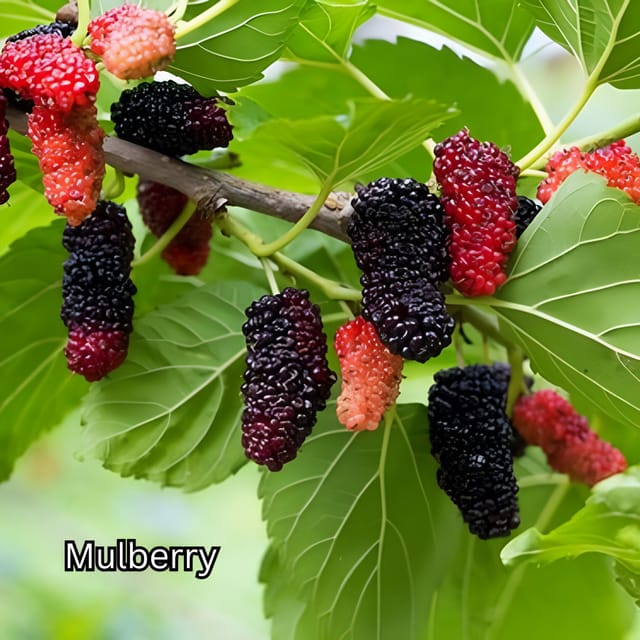
You might see the number 200+ and assume it’s a marketing brag. The more useful takeaway is what that diversity means for your visit: you’ll be surrounded by different fruit trees and different fruit types, and the farm’s educational approach helps you notice those differences.
Also, the farm’s focus on rare and exotic fruit trees is part of why it can be interesting even if you’ve eaten fruit in Penang before. You’re not only looking at what’s common—you’re learning about what exists beyond the usual supermarket lineup.
In other words, you’re not just chasing flavors. You’re learning how broad tropical fruit growing can be in one place.
Sustainable Agriculture and Eco/Agro Tourism (What It Looks Like)
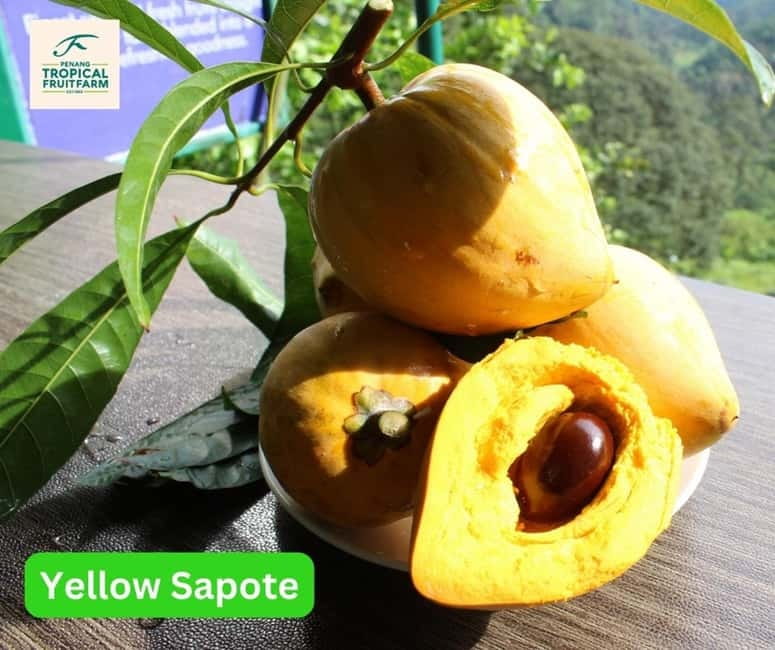
Sustainability can sound vague until you see it applied. Here, the farm’s goal is to conserve rare trees, educate visitors about fruit diversity, and promote sustainable agriculture practices.
You can feel the difference because the experience is organized around learning. The guided tour, educational displays, and process explanation don’t treat sustainability as a slogan. They treat it as part of how the farm runs.
And eco/agro tourism is the bridge. You’re not just consuming a product; you’re seeing a farm that’s built to share knowledge while protecting plant variety.
Logistics That Matter: Transport, Umbrella, and Food Rules
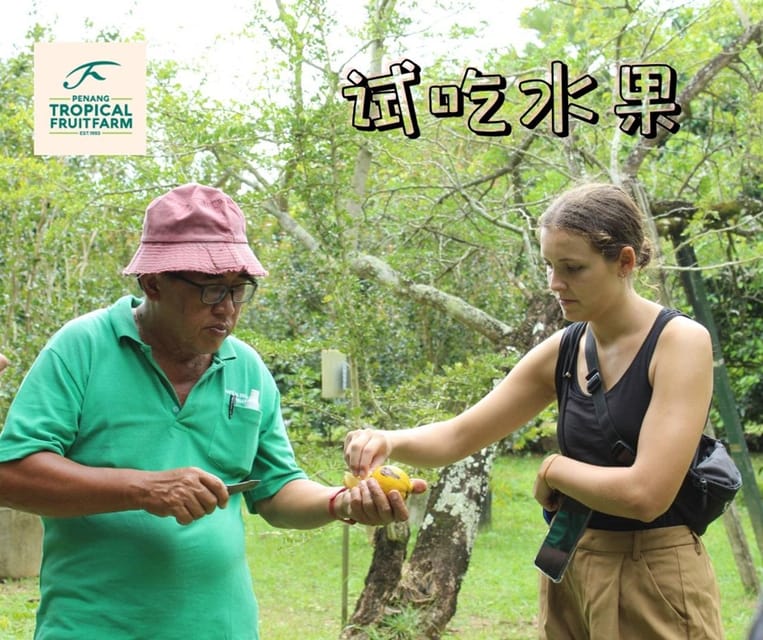
This is one of those tours where practical planning makes the day easier.
How to get there
One very clear piece of advice from recent visitors: the farm is mostly reachable by taxi or Grab. Plan for that upfront so you’re not scrambling on the day.
What to bring
Bring an umbrella. Penang can be unpredictable, and the farm is outdoors for the orchard portion.
What you can’t bring
Outside food and drinks aren’t allowed. That’s not a deal-breaker, but it does mean you should arrive ready to rely on what the tour provides.
If you’re the kind of person who likes to snack while you walk, shift that habit for this visit. The tastings are the point, so let the tour run the food schedule.
Price and Value: Is $7 Worth It?
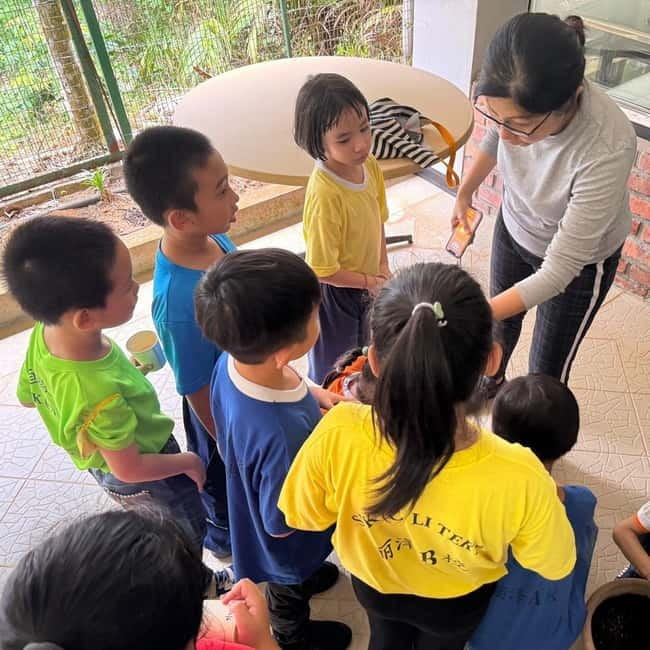
At $7 per person, this ticket is strong value—mainly because you’re not just buying entry. You’re paying for a guided 30-minute farm tour plus multiple included tastings: enzyme process and tasting, cinnamon/lemongrass tea testing, and wild honey tasting.
Even if you skip the optional juice or fruit box, the included tastings are a big portion of the perceived value. They also help justify the guided time—so you leave with flavors and explanations, not just photos of trees.
The main “cost” isn’t money; it’s time and transport coordination. If you already plan to be in the Teluk Bahang area (or you’re fine with a taxi/Grab ride), this becomes an easy add-on.
Who This Ticket Fits Best (And Who Might Not)
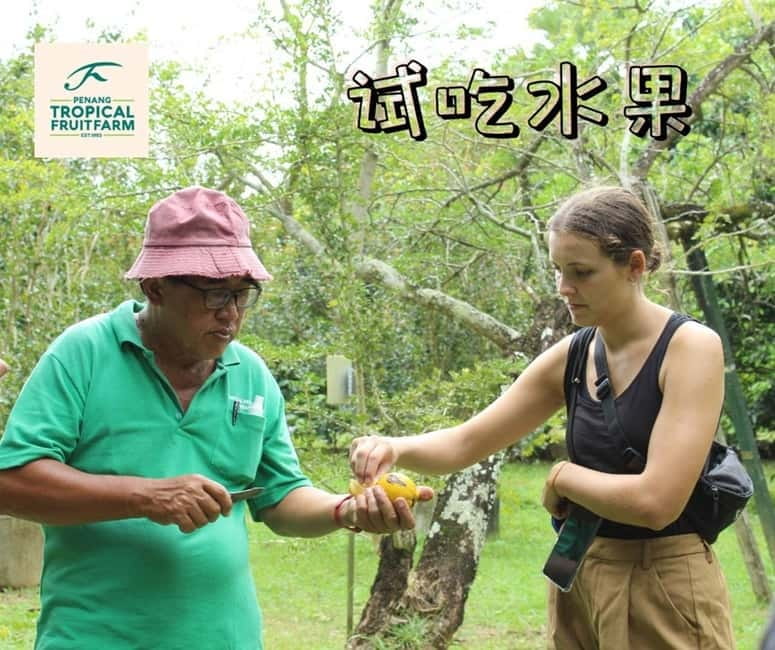
This experience is best for people who like food that has context. If you enjoy learning how local agriculture works—especially when the learning comes with tastings—you’ll probably have a great time.
It also works well for:
- couples and solo travelers who want something different than another museum stop
- people who like gentle, guided activities
- fruit lovers who want to taste and compare rather than just buy
You might want to skip it if you’re looking for a long, self-paced walk with lots of free time. The guided tour is included, but it’s about 30 minutes, and the tastings are part of a structured experience.
Should You Book the Penang Tropical Fruit Farm Ticket?
I’d book it if you want a low-cost, food-forward Penang activity with actual education. For $7, the combination of a guided orchard tour plus enzyme and honey tastings feels like smart value, especially if you’re curious about how tropical fruit farming is tied to conservation.
Skip it (or at least think twice) if transport is a headache for you. Since the farm is mainly reached by taxi/Grab, build that into your day plan. And if you hate tasting-style activities, remember the ticket is structured around flavors, not just views.
FAQ
Is there an English-speaking guide?
Yes. The tour includes a live guide who speaks English. Other language guides (Chinese, Cantonese, Arabic, Malay, and Indonesian) are available on request, depending on availability.
How long is the Penang Tropical Fruit Farm ticket experience?
The guided farm tour is included for about 30 minutes, and the overall ticket is valid for 1 day.
What is included in the ticket?
Included are the guided farm tour (30 minutes), an introduction to the fruit enzyme process, cinnamon and lemongrass tea testing, fruit enzyme tasting, and wild honey tasting. If selected, you can also get a glass of 100% pure fruit juice and a fresh fruit box.
How many fruit species can you expect to see?
The farm is described as having over 200 species of tropical and sub-tropical fruits.
Where is the meeting point?
Proceed directly to Tropical Fruit Farm for redemption.
What should I bring?
Bring an umbrella.
Are food and drinks allowed?
No. Food and drinks are not allowed.
Is the activity refundable?
No. The activity is non-refundable.
What age range is mentioned for children?
Children age 5–12 years are mentioned in the activity information.
How do people usually get there?
Recent visitors note it’s easiest to reach by taxi or Grab.