REVIEW · SALENTO COLOMBIA
Salento: Coffee Farm Tour with Tasting
Book on GetYourGuide →Operated by Gran Colombia Tours · Bookable on GetYourGuide
A coffee farm tour with real hands-on work. You’ll tour a traditional plantation with a guide who explains how coffee goes from seed to roasting, not just the finished cup. I especially like the one-on-one style attention you get from the guide and coffee expert, plus the calm farm setting with big views and long rows of plants.
You’ll also enjoy the tasting lesson: the baristas help you spot what makes Colombian coffee high quality and how to talk about flavor like a grown-up. I like that you’re not left guessing after the walk—you get a chance to connect the process to what ends up in your cup.
One consideration: the advertised time is 5 hours, but the tour can feel shorter depending on the flow of the day. If you expect a very long, step-by-step session, confirm the timing when you book so you don’t end up disappointed by the pace.
In This Review
- Key Points To Know Before You Go
- A Tolima Coffee Farm Day That Actually Explains the Work
- Getting to the Farm from Filandia: Easy Transport, Real Countryside
- Meeting the Coffee Expert: How the Day Gets Its Structure
- On the Plantation: Walking Through Coffee’s Life Cycle
- Hands-On Moments: Planting Seedlings and Picking Cherries
- Roasting (and Sometimes Grinding): Seeing the Last Step Up Close
- The Barista Tasting Lesson: How to Recognize Colombian Quality
- Price and Value: Is $101 Worth It?
- Timing, Weather, and What to Wear
- Group Style: Private, Personal, and Question-Friendly
- What’s Included vs. What You’ll Need to Plan
- Who This Tour Fits Best (And Who Should Skip It)
- Should You Book Salento: Coffee Farm Tour with Tasting?
- FAQ
- How long is the coffee farm tour?
- Where is pickup provided?
- What languages are the guides?
- What’s included in the price?
- Do I get to participate in coffee farm activities?
- What should I bring?
- Is the tour wheelchair accessible?
Key Points To Know Before You Go
- Seed-to-roast walkthrough that covers growth phases, roasting, and sometimes grinding
- Hands-on moments like planting seedlings and picking coffee cherries
- A tasting lesson with baristas focused on Colombian quality traits
- Some guides and hosts are named in real experiences, like Kevin as a guide and Marlon at a finca, which hints at the personal feel
- Pickup from Filandia makes the day easier (you don’t have to arrange transport)
- No lunch included, so plan ahead if you’re hungry midday
A Tolima Coffee Farm Day That Actually Explains the Work
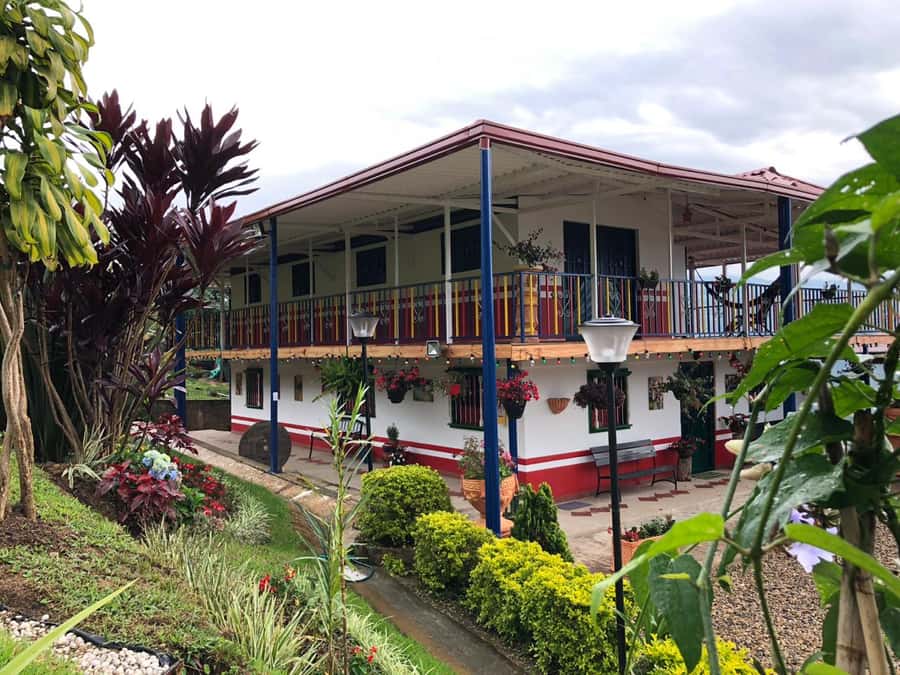
This tour starts the way good coffee does: with attention to process. In Tolima, you’ll be driven to a traditional coffee farm with around a hundred years of history, where the focus is on the daily reality of growing coffee—shade, soil, careful timing, and lots of manual steps. You’re not just being shown a museum. You’re learning how farmers think and work, and why the final cup tastes the way it does.
The best part is that the farm tour is guided by someone who knows coffee. You’ll walk through the farm’s different areas and phases, hearing how coffee develops and what happens at each stage. Then you’ll get invited to participate, so the learning sticks. If you’ve ever wondered why coffee tastes different from one region to another, this is the kind of day that gives you a practical answer.
The day also includes a tasting lesson. You’ll finish with a barista-style session that helps you recognize Colombian high-quality coffee characteristics. It’s the difference between tasting and understanding.
You can also read our reviews of more tours and experiences in Salento Colombia.

Getting to the Farm from Filandia: Easy Transport, Real Countryside
The meeting point is straightforward. You’ll be picked up from your accommodation in Filandia, and round-trip transport is included. That matters more than people think. Coffee farms usually sit outside town, and arranging a ride can turn an enjoyable experience into a logistical puzzle.
Once you’re on the road, you’ll get the sense that this isn’t a quick stop. You’re headed to hectares of plantations, with great views and a relaxing farm atmosphere. Even before the tour starts, the drive sets expectations: you’re about to spend time in a working landscape.
The tour is also designed as a private group. That’s a win if you want questions answered without waiting your turn. You’re more likely to get clear explanations—especially when the guide is switching between the “what you’re seeing” and “why it matters.”
Meeting the Coffee Expert: How the Day Gets Its Structure
After you arrive, you’ll meet your guide and coffee expert. This is where the experience becomes more than walking and photos. You’ll move through the farm and learn the phases coffee goes through, from planting and growth through the later stages like roasting.
Think of this as a guided story with stop-and-go moments. You’re seeing the physical side—plants, cherries, and equipment—but you’re also hearing how coffee is handled by people who care about quality. Many coffee tasting experiences stop at flavor. This one starts earlier, at the source.
In several accounts, guides are described as passionate and good at explaining in a way that feels authentic. In one example, a guide named Kevin also gave context about Salento before heading to the finca, which helps you connect the farm to the broader region and culture. Even if your day looks slightly different, the pattern is similar: you’ll get more than a script. You’ll get a conversation.
On the Plantation: Walking Through Coffee’s Life Cycle
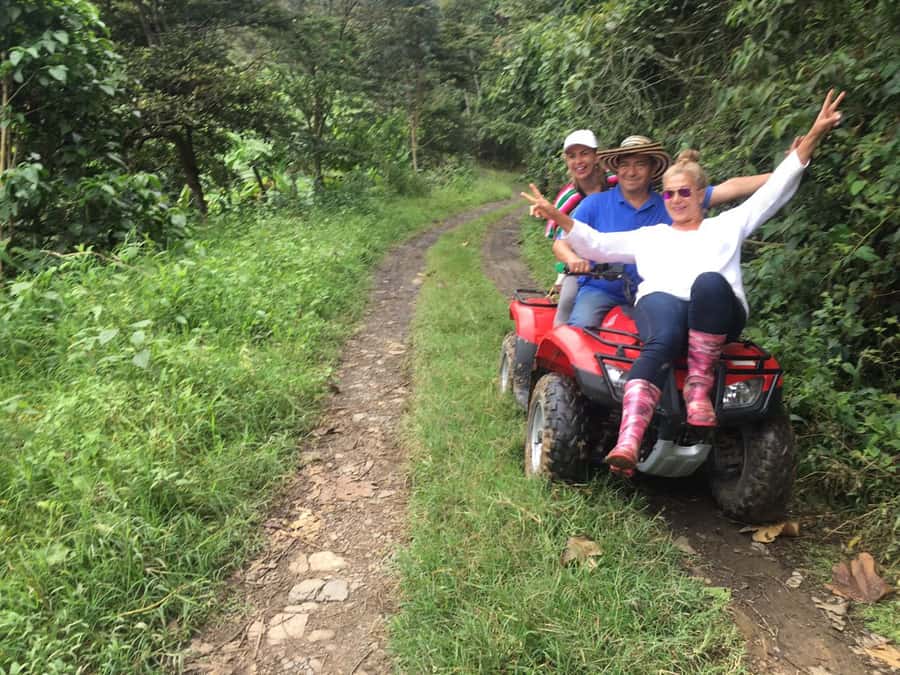
On the farm walk, you’ll learn how coffee develops and how the farm is organized. The goal is to make the process feel logical, not like a blur of buzzwords. You’ll see the steps that lead up to harvesting, then you’ll move toward processing stages like roasting—and sometimes grinding—so you can link the last steps to what you taste later.
One key value here: you’ll see that much of this work is handmade. Coffee quality isn’t only about the beans. It’s about careful attention across the chain—how cherries are picked, how coffee is processed, and how roasting is handled. When you watch the stages up close, it becomes easier to understand why farmers’ choices affect your cup.
You’ll also likely get chances to ask questions. This tour structure supports it: the guide isn’t rushing only for completion, and the farm is a natural place to talk about growing conditions, timing, and what changes during processing.
Hands-On Moments: Planting Seedlings and Picking Cherries
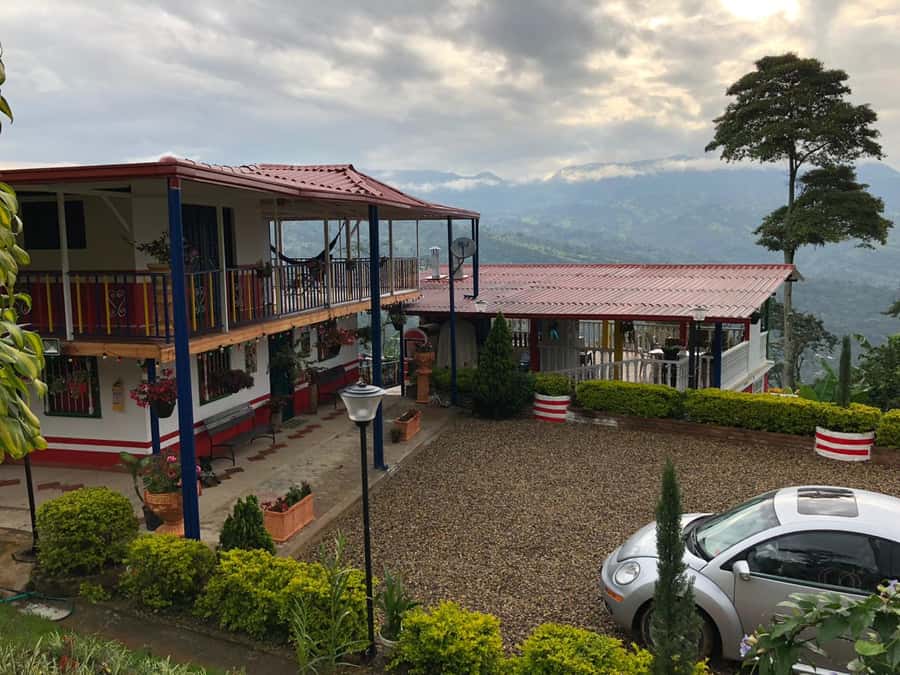
This is where the tour feels most memorable. You won’t just observe. You’ll take part in activities that connect you to the farm’s rhythm.
Two activities are specifically called out:
- Planting a coffee seed/seedling
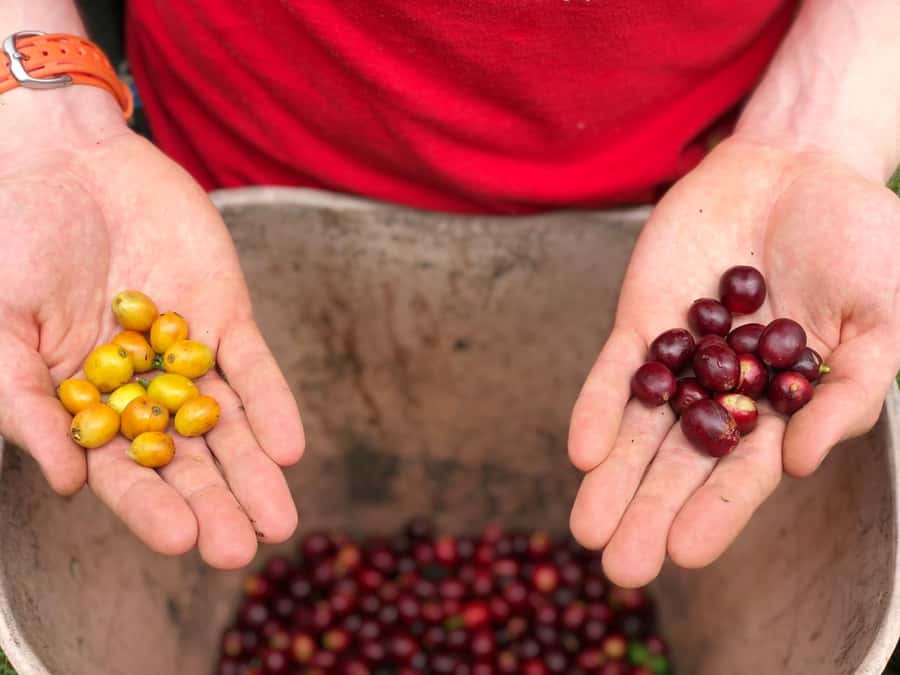
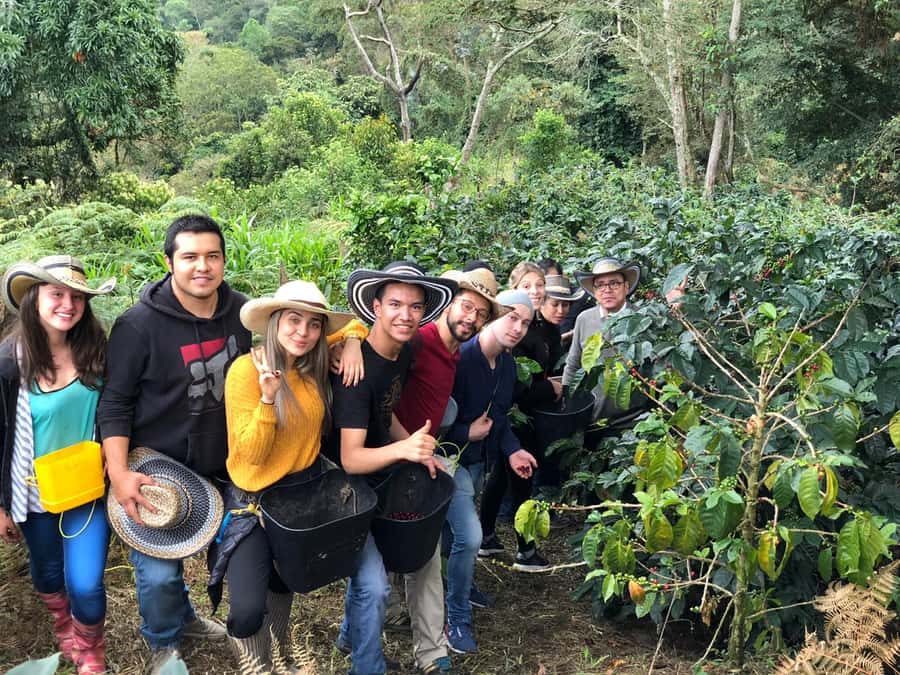
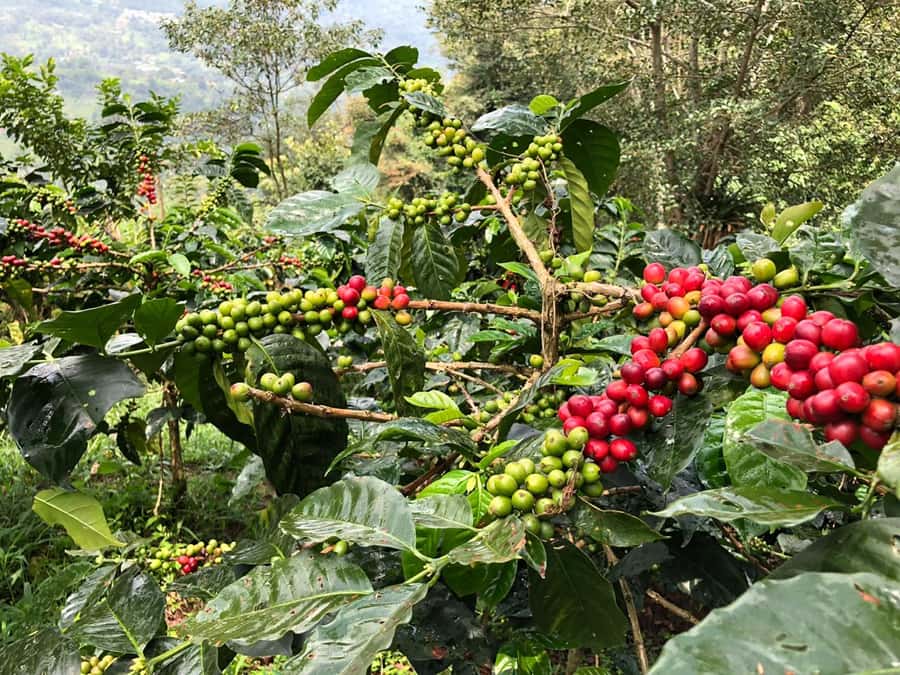
- Picking coffee cherries from the bushes
These moments are more than novelty. Planting helps you understand the start of the timeline—coffee doesn’t happen overnight, and seedlings are a long-term investment. Cherry picking shows the next reality: timing and selection matter. Cherries are the raw material that determines what happens in the rest of the process.
If you’re traveling with curiosity and patience, this hands-on part is a big reason to book. It’s also a good reminder that coffee work is physical. You’ll likely come away with more respect for farmers, especially after seeing how many steps depend on human handling.
Roasting (and Sometimes Grinding): Seeing the Last Step Up Close
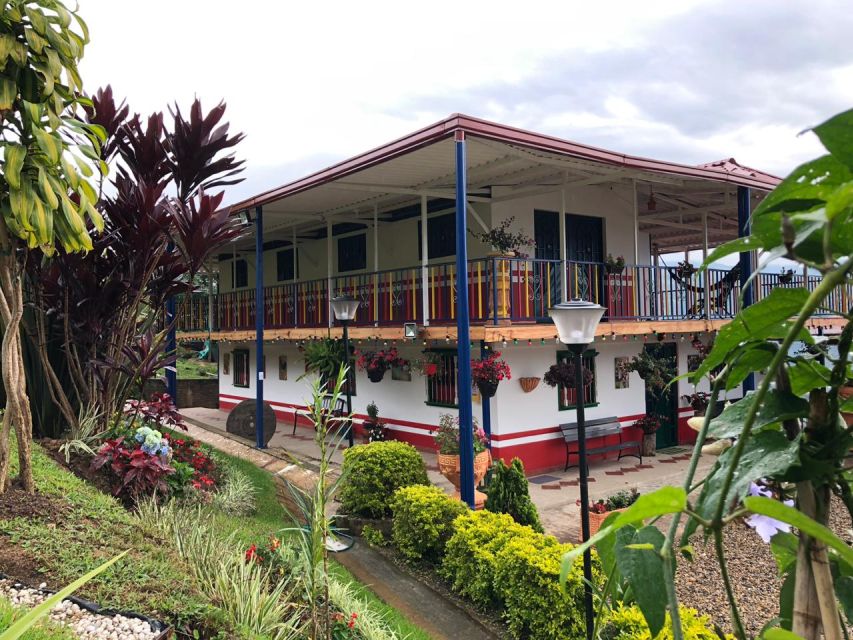
After you’ve witnessed the growth and harvesting steps, you’ll move to the “last-mile” part of coffee. You’ll see roasting, and depending on the flow, you might also see grinding.
Roasting is where coffee transforms quickly. It’s also where people often misunderstand coffee, thinking it’s only about bitterness or strength. On this tour, you’re seeing roasting as part of a chain, not an isolated act. That helps you connect the farm experience to flavor, especially once you get to taste.
Some experiences also include opportunities to participate in roasting. In one reported tour, the group could even take part in the roasting process, which adds a memorable, sensory layer—hearing the equipment, watching the transformation, and learning what changes as heat is applied. Your exact participation can vary day to day, but the focus on roasting itself is consistent.
The Barista Tasting Lesson: How to Recognize Colombian Quality
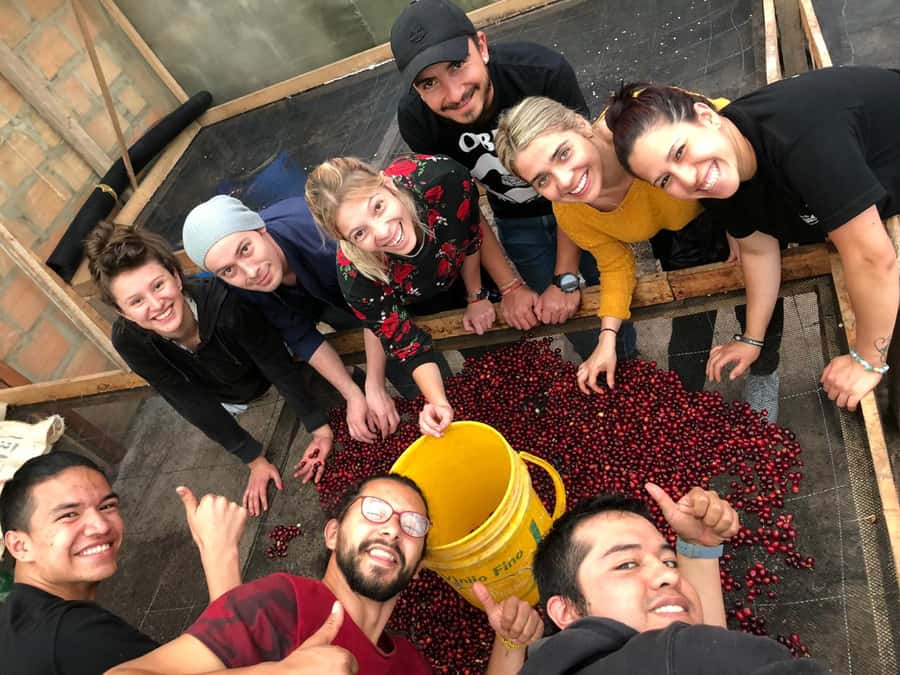
The tour finishes with a brief tasting lesson with baristas. This is a smart addition because it closes the loop. You’ve seen the farm stages. Now you learn how to evaluate what those stages produce in your cup.
The tasting aims to teach you how to recognize Colombian high-quality coffee characteristics. Practically, that means you’ll taste and learn what to look for—flavor notes and quality signals you can discuss later, without sounding like you’re guessing. It also turns the experience into something you can carry home: you’ll be more confident ordering coffee and asking better questions in cafes.
You’ll also enjoy fresh coffee at the end. That’s important. A tasting lesson without a proper cup is just theory. Here, you should expect an actual, drinkable reward for the work you put in.
Price and Value: Is $101 Worth It?
At $101 per person, this isn’t a throwaway activity. But the value holds up if you want more than a quick tasting.
Here’s why it’s often worth the cost:
- You get guided farm access plus entry to the coffee property
- You get pickup and dropoff from Filandia, saving time and hassle
- You get hands-on activities (planting and cherry picking), not just a walk-and-watch tour
- You get a tasting lesson tied to the farm process, so it feels cohesive
What could make it feel less worth it? Two things:
- If you expected a very long, step-by-step day that always runs the full 5 hours in the same way, you’ll want to confirm timing. Some experiences report the actual time on the tour side can run shorter.
- Lunch isn’t included, so you’ll likely pay for food separately if you get hungry.
My practical advice: think of it as a learning-and-experience tour, not just a coffee sampling session. If you care about how your coffee is made, the price starts to make sense fast.
Timing, Weather, and What to Wear
The tour operates in all weather conditions. That means you need to dress for mud, sun, and whatever Tolima decides that day. Comfortable clothes are key. Farms can be warm outdoors, but paths and shaded areas can feel cooler.
Bring:
- Comfortable shoes (you’ll be walking on uneven ground)
- Camera
- Water
- Comfortable clothes
A small tip: wear shoes you’re okay getting a little dirty. Coffee farm tours are usually not the kind of place for brand-new sneakers.
Group Style: Private, Personal, and Question-Friendly
This is a private group experience. That usually translates to a more personal pace and more time to ask questions. If you like explanations, this setup helps a lot.
In some reported cases, the guide also offered extra context and was described as an excellent source of information and even a good photographer. That’s not the same as a promise for every day, but the overall vibe you should expect is friendly and engaged.
If you’re traveling solo, a private group can feel like having your own mini class. If you’re traveling with friends, it’s still comfortable because the guide can shape the pace to your group.
What’s Included vs. What You’ll Need to Plan
Included in the experience:
- Live guide
- Pick-up and dropoff
- Coffee tasting
- Entry to the coffee farm
Not included:
- Extra purchases
- Lunch
That last one matters. If you’re the type who needs food before you get cranky (valid), plan on eating before or after. If the tour timeline runs shorter than expected, you might still want a snack in your bag so you’re not scrambling later.
Also, if there’s a chance you’ll want coffee to take home, remember that extra purchases aren’t included. Budget a little if you think you’ll fall for the taste.
Who This Tour Fits Best (And Who Should Skip It)
This tour is a strong match if you:
- Love coffee and want the full process, not just a cup
- Prefer hands-on learning over passive sightseeing
- Want a guided tasting lesson that teaches you how to notice quality traits
- Enjoy rural, working landscapes and want context behind what you drink
You might want to look elsewhere if:
- You need wheelchair accessibility (this tour is not suitable for wheelchair users)
- You’re only looking for a quick caffeine stop and nothing else
- You hate walking outdoors in variable weather
Also, check expectations on duration. It’s listed as 5 hours, but the flow can vary. If you’re connecting to another plan that day, leave breathing room.
Should You Book Salento: Coffee Farm Tour with Tasting?
I think this is a good booking if your idea of a great day in Colombia includes learning how coffee is made and getting your hands involved. The combo is the real strength: plantation walk, hands-on work like planting and cherry picking, roasting glimpses, and then a barista-led tasting that explains what you’re drinking.
If you’re a coffee nerd, you’ll leave with stronger instincts for quality and flavor. If you’re a casual coffee sipper, you’ll still come away with respect for farmers and a clearer sense of why your cup tastes the way it does.
Just do one simple thing before you commit: confirm what a full 5-hour experience means on your dates, especially if you’re watching the clock. With that small check, this tour has the ingredients for a satisfying day—meaningful, practical, and genuinely coffee-focused.
FAQ
How long is the coffee farm tour?
The tour duration is listed as 5 hours. Starting times depend on availability.
Where is pickup provided?
Pickup is included from your accommodation in Filandia.
What languages are the guides?
The live tour guide speaks Spanish and English.
What’s included in the price?
The price includes a live guide, pick-up and drop-off, coffee tasting, and entry to the coffee farm.
Do I get to participate in coffee farm activities?
Yes. You’ll be invited to take part in activities such as planting coffee seedlings and picking coffee cherries.
What should I bring?
Bring comfortable shoes, a camera, water, and comfortable clothes. The tour runs in all weather conditions.
Is the tour wheelchair accessible?
No. It’s not suitable for wheelchair users.