REVIEW · KAMPOT
Kampot: Full-day Countryside Tour with Pepper Farm and Kep
Book on GetYourGuide →Operated by Peppercorn Tuktuk Kampot · Bookable on GetYourGuide
Salt, pepper, and a cave temple in one day. This Kampot–Kep tuk-tuk route strings together salt production, a 203-step Shiva cave, pepper tastings, and a final unwind in Kep’s crab market and beach.
I especially like how the day feels structured but not rushed, with time to look, ask questions, and take photos. The pepper stop is the real payoff—tour + tasting + shopping time. One drawback to plan for: it’s an active day, including a stair climb into the cave, so comfy shoes help.
In This Review
- Quick hits before you go
- How the tuk-tuk pacing makes this feel like a real day out
- Salt fields and the pepper-to-craft connection in Kampot
- Phnom Chhngok: the 203 steps, the Shiva temple, and the view
- Brateak Krola Lake: a calm stop with a hard past
- La Plantation: pepper tour, pepper testing, and time to shop
- Kep crab market, a French-era abandoned building, and beach downtime
- Price and value: why $26 can work (and when it won’t)
- Guide quality is the real deciding factor (and this tour gets it right)
- What to bring and how to set yourself up for a smooth day
- Who should book this Kampot to Kep day trip
- Should you book this tour?
- FAQ
- How long is the Kampot countryside tour with pepper farm and Kep?
- What is included in the $26 price, and what is not?
- Where do I meet the tour, and is pickup included?
- What language is the tour guide?
- What should I bring with me?
- Can I cancel if my plans change?
Quick hits before you go
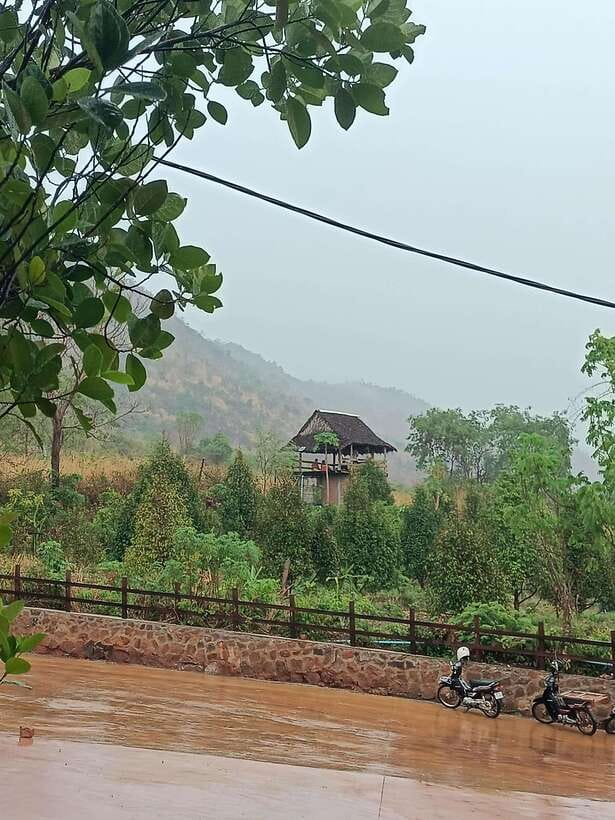
- Salt fields with a guided factory visit to understand why Kampot’s salt matters
- Phnom Chhngok cave temple with a 203-step climb and big Shiva-era brick-temple vibes
- Brateak Krola Lake (built during Khmer Rouge times), a heavy stop mixed into a scenic day
- Pepper plantation tour and testing at La Plantation, with time to buy spices
- Kep crab market + beach time to end the day on the coast, not back in traffic
How the tuk-tuk pacing makes this feel like a real day out
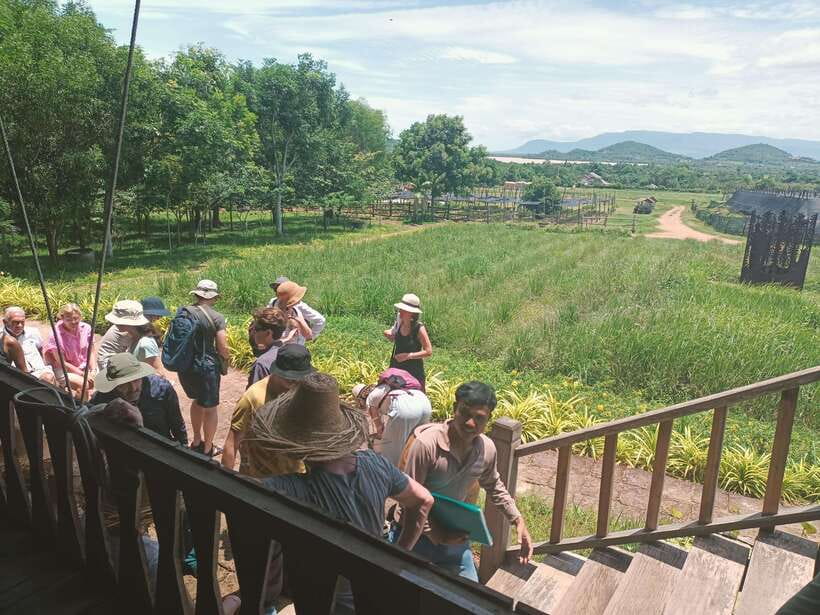
This is a full-day countryside loop built around short transfers and meaningful stops. You start from your pickup area in Kampot (often opposite Epic Art Cafe, with hotel pickup possible in town), then you’re out on roads that look and feel different once you leave the city center.
In an 8-hour day, the main win is balance. You get production and history stops (salt, cave temple, Khmer Rouge-era lake), plus a hands-on food stop (pepper tasting), then you wrap with Kep’s sea-air break. I like that the schedule leaves breathing room at the places that deserve it—especially at the pepper farm.
Also, the tuk-tuk ride is part of the experience. The pace stays light, and you’re not stuck in a long bus ride where you can’t see much between points. And yes, you’ll feel the heat at times, but the tour includes fresh coconut and bottled water, which makes a long day easier.
You can also read our reviews of more tours and experiences in Kampot.
Salt fields and the pepper-to-craft connection in Kampot
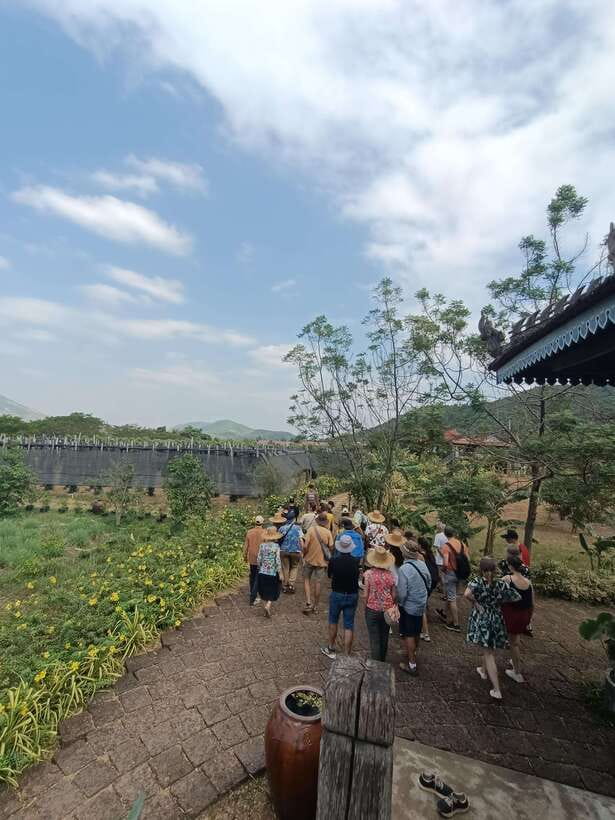
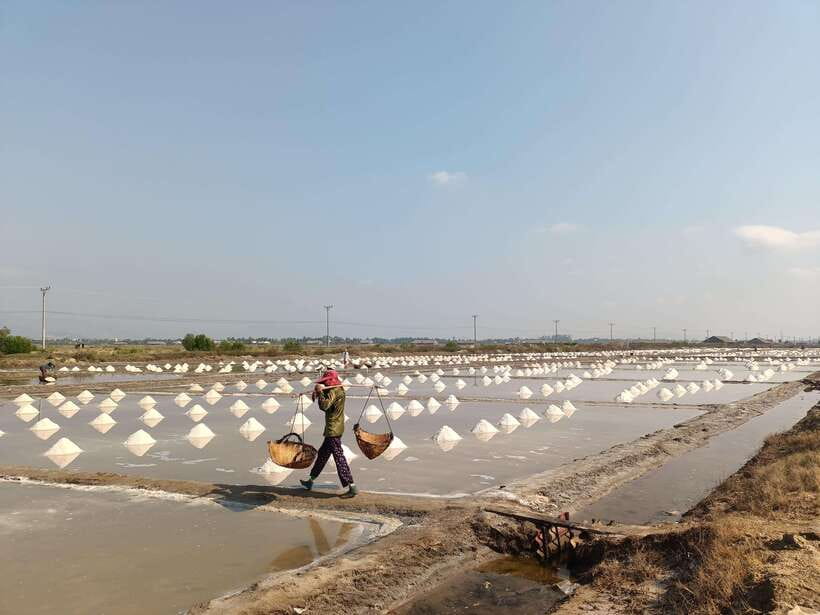
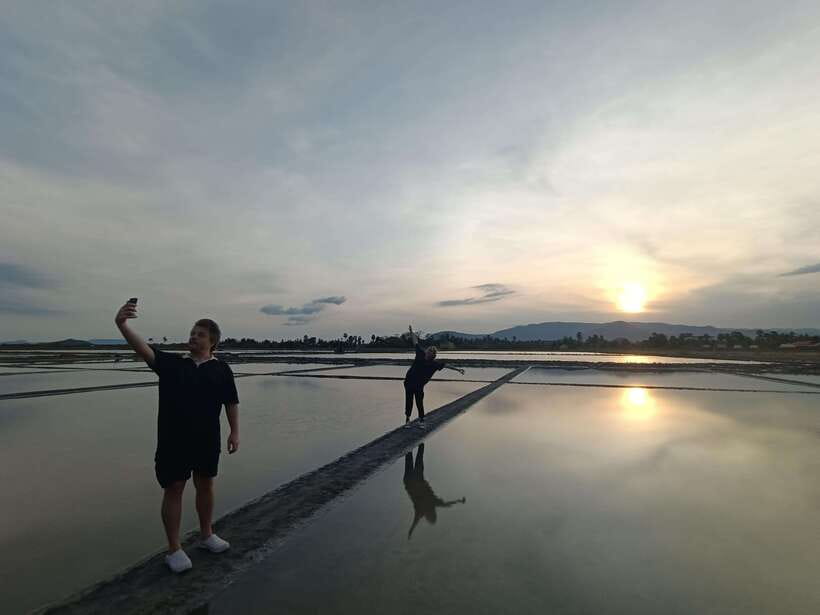
The morning begins with a tuk-tuk hop and a look at Kampot’s salt world. You’ll have a photo stop, then a guided visit to a large salt-producing facility on the outskirts of Kampot, including an explanation of its economic importance and the steps of how salt production works.
Why I like this first: it sets context for everything else you’ll see later. Kampot isn’t just “pretty countryside.” It’s a place where livelihoods come from specific crops and industries—salt is one of the big ones. Seeing the place early helps the later pepper plantation feel more grounded, like you’re actually learning what keeps the region going.
Practical note: if salt production is running during your visit, you may get more visual to match the stories. If not, you’ll still get the guided explanation of the process and why this industry matters locally.
Phnom Chhngok: the 203 steps, the Shiva temple, and the view
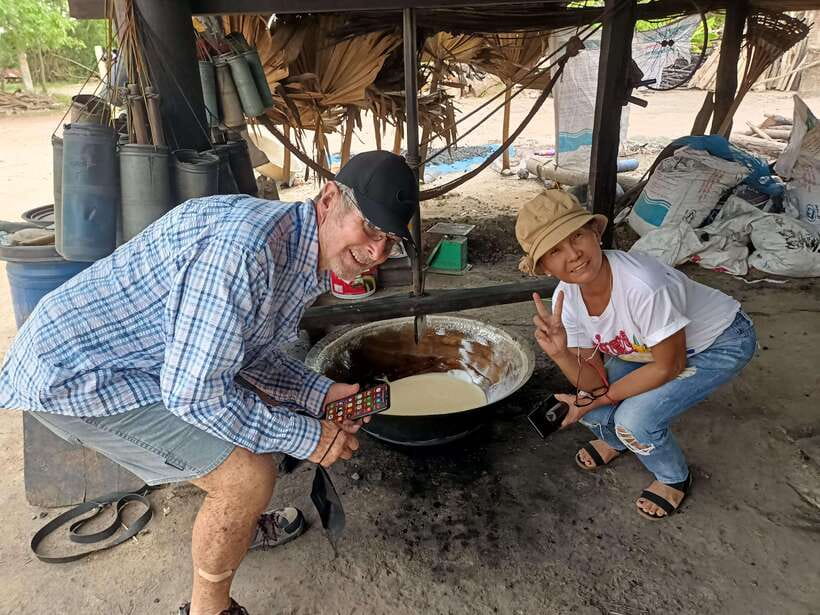
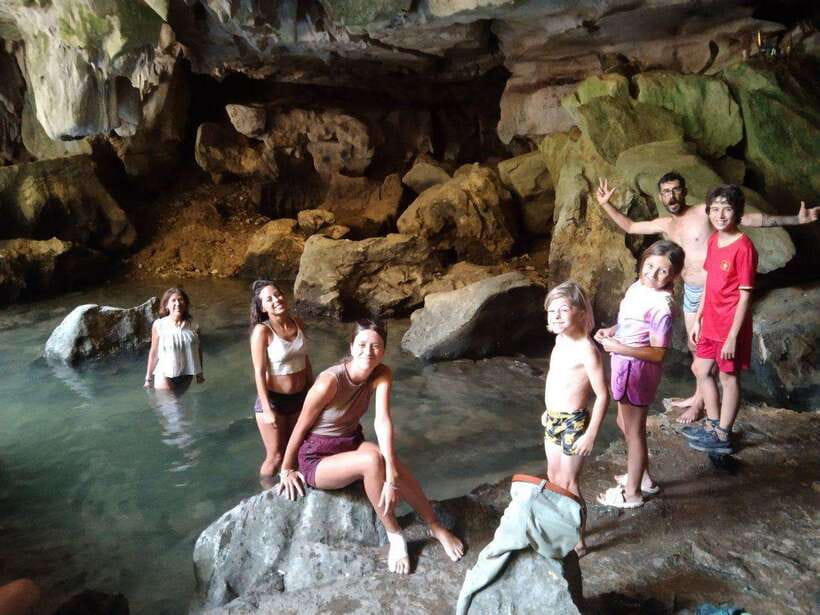
After the salt stop, you’ll head to Phnom Chhngok, a cave temple known for its entrance staircase: 203 steps. Plan your pace. This isn’t a sprinter climb, but it’s enough elevation and effort that you’ll want good shoes and a steady rhythm.
Once you reach the cave area, you get both the climb experience and the payoff: inside the main chamber there’s a remarkable 7th-century (Funan-era) brick temple dedicated to Shiva. It’s the kind of stop where the guide’s storytelling matters because the place is small in footprint but big in meaning.
The other reason this stop works is the outside viewpoint. You’ll have a chance to admire the views near the cave entrance, and it helps you reset your legs after the stairs. If the day is hot, that view moment is more than scenic—it’s a breather.
One consideration: caves can feel cooler than the sun outside, but they also involve time on uneven ground. If you’re sensitive to steps or short walks, don’t treat this like a casual stroll.
Brateak Krola Lake: a calm stop with a hard past
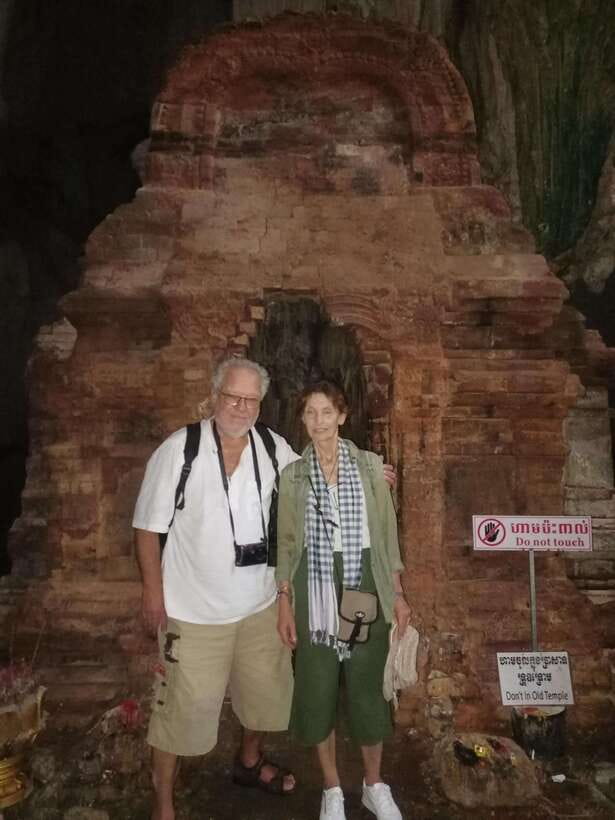
Next comes Brateak Krola Lake, described as an artificial lake constructed during the time of the Khmer Rouge. The tour frames it as a sad lake, tied to forced labor during Khmer rule.
I appreciate how this stop doesn’t try to sand down the meaning. It’s not only a pretty photo stop. You’ll get guided context while you’re there, which changes the way you experience the water and the raised platform area.
At the same time, the pacing helps. The lake visit is shorter, so it doesn’t swallow your whole day in a heavy mood. You get a moment to see it, learn why it exists, and move on to a lighter experience with pepper tastings afterward.
La Plantation: pepper tour, pepper testing, and time to shop
La Plantation is where the tour turns delicious. You’ll get a guided pepper plantation visit (with photo time), then you’ll have free time for sightseeing, walking around, and shopping.
The key part here is the pepper tour and testing. You’re not just shown plants—you get to learn about the production process and then taste pepper produced on-site. In practice, that tasting becomes the highlight for a lot of people because pepper is one of those spices that you think you know until you experience it fresh and in different forms.
I also like that this stop offers real buying time. Pepper and spice souvenirs are easiest when you’ve just tasted what you’re considering. If you’re picky about flavor, this is the moment to compare options and pick what fits your cooking.
Timing matters too. You get a longer block here (about two hours), which is long enough to take your time without feeling dragged through quickly.
Quick tip: if you want to buy pepper, keep some cash ready. The tour asks you to bring cash, and shopping happens during the plantation and Kep parts of the day.
Kep crab market, a French-era abandoned building, and beach downtime
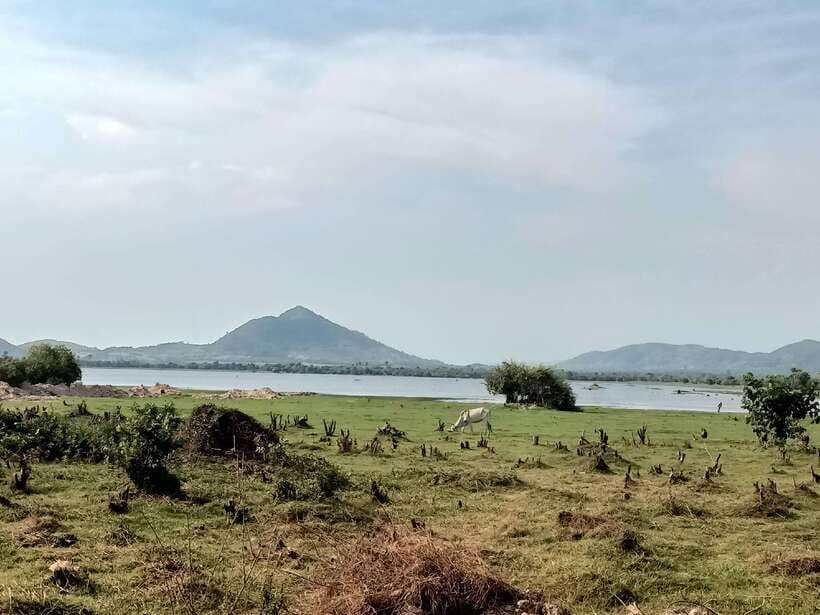
After pepper, you head to Kep Province. The day shifts from farm and temple to coastal town energy. You get a guided visit and photo stop at the crab market, with additional time for wandering around.
Kep is also where you’ll find the abandoned building connected to French dependency/colonial influence. It’s one of those stops that works even if you don’t go deep into architecture because the setting helps tell the story of how foreign rule shaped Cambodia’s built environment.
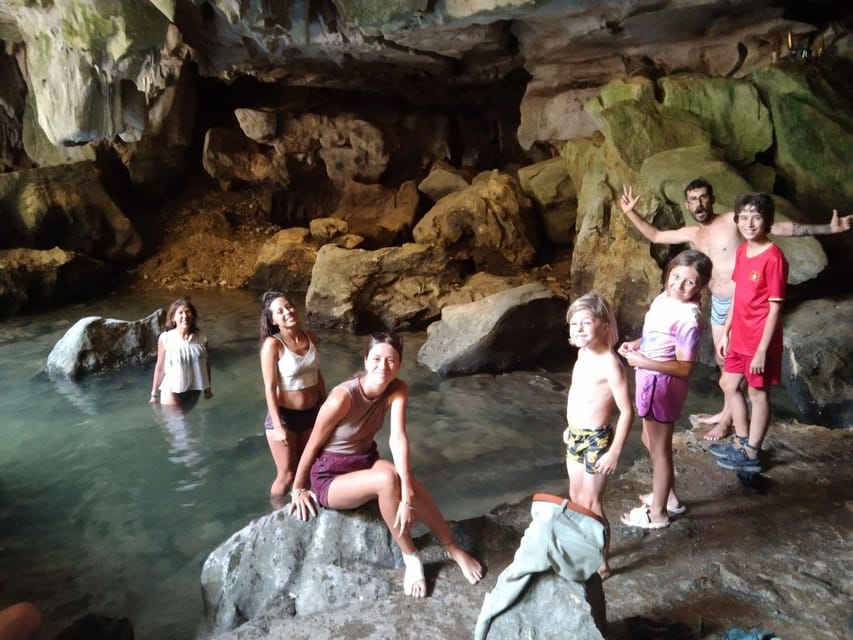
And then comes the part many people look forward to: the beach for relaxation. This is your decompression moment. After stairs, caves, and production sites, you can sit, cool off, and watch the coast without another lecture.
Food detail you should know: food is not included in the tour price. But the tour does include the chance for seafood or lunch at the crab market area (listed as exclusive). In other words, you’re at the right place at the right time to eat Kep crab if that’s your plan.
If you’re choosing a meal, I suggest going with the guide’s recommendation for that market area. You’ll also likely have a better experience if you keep expectations simple: you’re there for fresh crab/seafood and the seaside atmosphere, not a fancy plated presentation.
Price and value: why $26 can work (and when it won’t)
At $26 per person for 8 hours, this tour is priced for value because it bundles several costly pieces into one day: entrance fees, a guide, transportation by tuk-tuk, and the pepper tour plus pepper tasting. You also get fresh coconut and bottled water, which matters on a hot day when you’d otherwise pay for drinks anyway.
Where value can drop for you is if you expect meals to be included. Food is not included, so you’ll need to budget for lunch/seafood in Kep. If you’re planning a crab meal, that cost is on you. The tour sets you up for it, but it doesn’t pay for it.
Another small cost consideration: pickup is included, but there can be an extra charge if your pickup location is farther than 3 kilometers from the meeting point area. If you’re staying in Kampot town, you’ll probably be fine. If you’re farther out, it’s worth confirming the pickup distance when you reserve.
Guide quality is the real deciding factor (and this tour gets it right)
This type of day depends on one thing more than people expect: the guide. The strongest guides make boring-sounding stops feel alive and help you understand what you’re seeing instead of just standing there taking photos.
English-language guides run the tour, and I like that they also handle the driving comfortably in a tuk-tuk. Some guides on this route are known for clear English, patience with extra time at stops, and good timing so you’re not racing the day. I’ve seen guides such as Mr. Chav, Phealy/Phalla, Voleak, Vandy, Pili, and Ta mentioned, and the common thread is that you get stories you can actually use to understand Kampot and Cambodia beyond the headline facts.
If you’re the type who likes asking questions—about salt, temple meanings, or how Khmer Rouge-era history is remembered—this tour style fits you well.
What to bring and how to set yourself up for a smooth day
Here’s how to pack like you want the day to feel easy.
- Bring cash for shopping in pepper and at Kep.
- Wear comfortable shoes for the 203 steps and cave walking.
- Bring sun protection. Even with included water and coconut, you’ll still feel the sun between stops.
- If you’re traveling with mobility concerns, the cave stairs are the main factor to think about.
- The tour also notes no making fire, so don’t plan on any cooking or open-flame behavior during stops.
One more fit note: the tour states it’s not suitable for people over 95 years. If you’re near that threshold, double-check with the provider before booking.
Who should book this Kampot to Kep day trip
This is a great pick if you want a single day that covers production, culture, and a coastal finale without extra planning. I’d especially recommend it if you:
- Want a hands-on food experience (pepper tasting and spice shopping)
- Like history and context, including the heavier Khmer Rouge-era lake stop
- Prefer tuk-tuk touring for the scenic feel and relaxed pacing
- Enjoy days that are active but not extreme, with a clear “high points” structure
If you only want one or two stops and a full lazy day at the beach, you might find this too packed. But if you like variety in a short timeframe, it hits the sweet spot.
Should you book this tour?
If you’re visiting Kampot and want the countryside feel plus Kep’s seaside ending, I’d book this. The combination of salt + Phnom Chhngok + pepper tastings + Kep crab market is a lot for one day, and the included pepper tasting is worth it even if you usually skip food tours.
Book if:
- You’re excited about pepper and spice shopping.
- You don’t mind stairs and a full day (about 8 hours).
- You’d like an English-speaking guide to connect the dots between what you see.
Skip or be cautious if:
- You’d rather avoid active walking/stairs.
- You’re counting on meals being included in the price (food is extra).
If you do book, bring cash, wear good shoes, and plan to spend a bit of time at La Plantation—you’ll get the most from the pepper testing when you’re not rushing.
FAQ
How long is the Kampot countryside tour with pepper farm and Kep?
It’s a full day that runs for about 8 hours.
What is included in the $26 price, and what is not?
Included are entrance fees, fresh coconut, bottled water, guide tour, and the pepper tour and testing. Food is not included.
Where do I meet the tour, and is pickup included?
The tour normally starts at the meeting point opposite Epic Art Cafe. Pickup and drop-off can also be arranged directly from your hotel or restaurant locations in Kampot town.
What language is the tour guide?
The tour is guided in English.
What should I bring with me?
You should bring cash.
Can I cancel if my plans change?
Yes. Free cancellation is offered if you cancel up to 24 hours in advance for a full refund.