REVIEW · KAMPOT
Kampot Pepper Farm, Salt Fields, Crab Market from Phnom Penh
Book on GetYourGuide →Operated by Simon Cambodia Trip · Bookable on GetYourGuide
A day trip can be a lot—this one is a focused mix. I love the contrast in Kampot town between colonial streets and river views, and I also love how the salt fields and pepper farm turn food into real, hands-on learning. You’ll get an expert at La Plantation (often guides like Simon or Mr. Vann), and the day stays structured enough that you won’t feel like you’re just riding around.
One thing to consider: the walking is moderate, and the cave + salt-area stops are outdoors in the sun. If you have back problems (or need wheelchair access), this may not be the best fit.
Key points at a glance
- Kampot town on the way: colonial-style streets plus a riverside rhythm
- Traditional salt harvesting: see how seawater becomes salt in shallow ponds
- Phnom Chhngok Cave: limestone formations in a short, memorable stop
- La Plantation organic pepper farm: learn how Kampot pepper gets its character
- Kep Beach Crab Market lunch stop: seafood that matches the coast of the day
- Hotel pickup + AC transport: a smoother ride for an 11-hour day
In This Review
- From Phnom Penh to Kampot and Kep: an 11-hour flavor-and-nature day
- Kampot Town: colonial streets, riverside pauses, and easy photo stops
- Salt fields in Kampot: seeing traditional harvest in shallow ponds
- Phnom Chhngok Cave: limestone formations with a short, meaningful stop
- La Plantation organic pepper farm: how Kampot pepper gets its personality
- Kep Beach Crab Market lunch stop: fresh seafood with real coastal timing
- What’s included (and what you’ll still pay for)
- Timing, walking, and comfort: how to prepare so the day feels good
- Who this trip is best for—and who should pick something else
- Should you book this Kampot pepper, salt, and crab day trip?
- FAQ
- How long is the tour?
- What does the tour cost?
- How do you get from Phnom Penh to Kampot?
- Are meals included?
- Will I have a guide the whole time?
- What should I bring?
- Is there walking on the tour?
- Is it wheelchair accessible or safe for back problems?
From Phnom Penh to Kampot and Kep: an 11-hour flavor-and-nature day
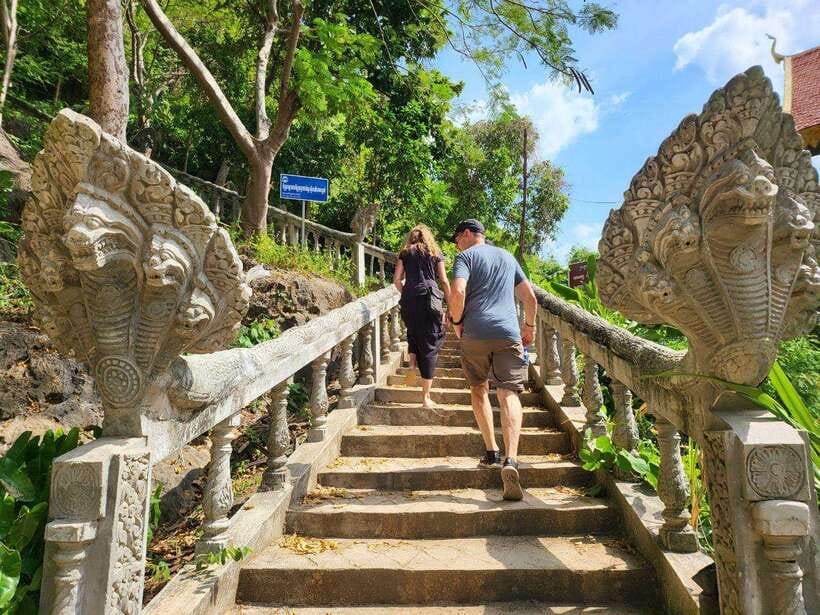
This is the kind of day tour that works when you want variety but still need it to feel organized. You’ll start with hotel pickup in Phnom Penh, then head roughly 150 kilometers west toward Kampot Province, finishing back in Phnom Penh the same day. The drive usually lands around 2.5 to 4 hours one way, depending on traffic and how long you spend stretching your legs at stops.
The best part is the way the day is built like a story. You move from town (Kampot) to working land (salt fields), then to a natural site (Phnom Chhngok Cave), and finally to taste-based stops (pepper farm and Kep crab market). If you’re the type who likes your travel days to have both scenery and context, this hits that balance.
Duration is 11 hours, and that matters. This is not a slow, wander-at-will half-day. Plan for a full-day pace: short walks, some outdoor sun time, and a lunch stop that’s built into the schedule.
Kampot Town: colonial streets, riverside pauses, and easy photo stops
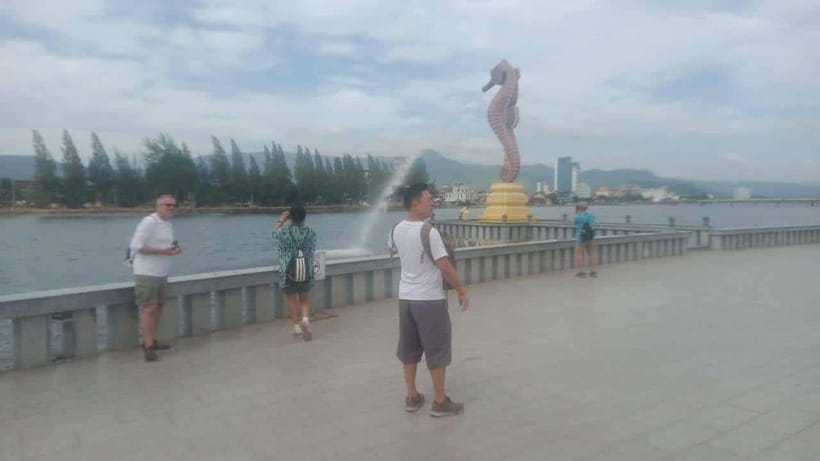
Most people come to Kampot for the vibe, and you can see why quickly. The town’s older buildings show French colonial architecture, often mixed with simpler wooden houses. It’s a visual contrast that’s easy to enjoy without being overly touristic.
You’ll also be near the Kampot River, and that riverside setting gives you a natural reset between the heavier nature stops later. Even a short stroll can help the day feel less like a checklist and more like a real place you’re passing through.
What I like about this stop for practical travelers: it’s flexible. You’re not being asked to do anything athletic, just walk at a comfortable pace, take photos, and get your bearings before the day shifts into salt and caves.
What to watch for: this is still part of an outdoors-and-walking itinerary. Bring comfortable shoes, and use sunscreen plus a hat. The schedule won’t wait for someone to find shade.
You can also read our reviews of more tours and experiences in Kampot.
Salt fields in Kampot: seeing traditional harvest in shallow ponds
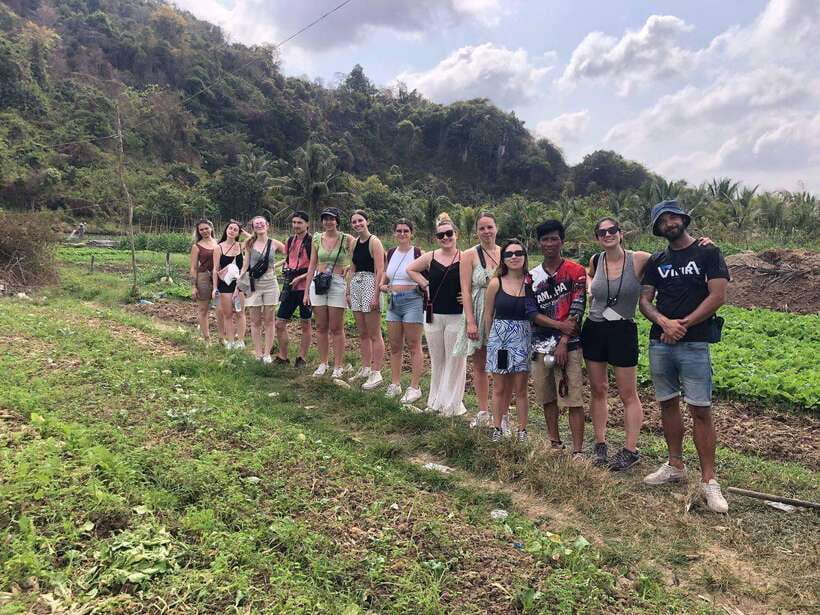
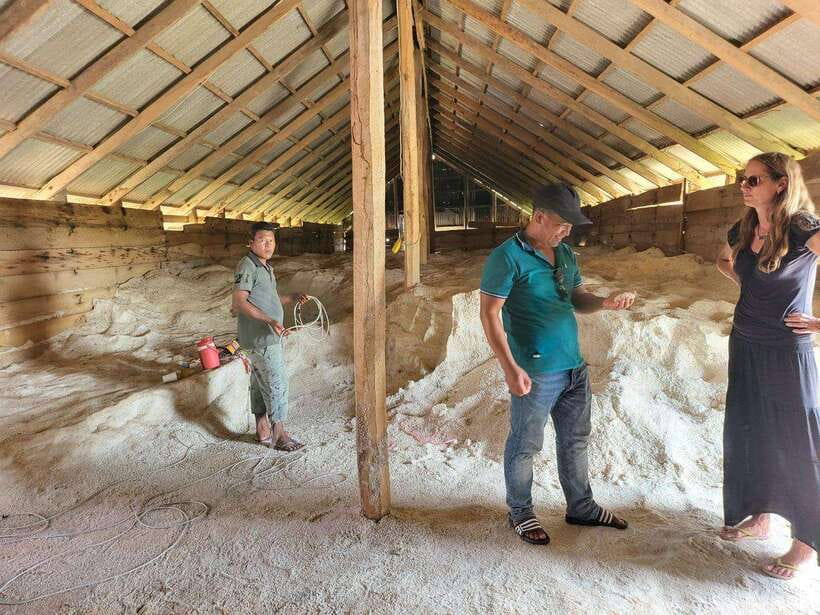
The Kampot salt fields are the day’s working-land highlight. Instead of viewing salt as a product in a jar, you get to understand it as a process. The salt harvesting here is traditionally done by carefully manipulating seawater in shallow ponds, then letting natural conditions do the work.
That matters because it changes how you see the coast behind the production. You don’t just think salt equals food seasonings—you start noticing how the sea, evaporation, and timing shape the final product. If you’re curious about food origins, this stop gives you a clear mental map you can carry into the rest of the day (especially the pepper tasting).
Since entrance fees are included and you’re guided through the area, you won’t be stuck trying to figure out where to go. Also, the tour includes water, which is a small but real comfort when you’re in the sun.
Potential drawback: salt areas can be uneven, and the ground can feel hot. That’s why the footwear advice isn’t optional. If your shoes aren’t comfortable for walking in dry, sometimes rough conditions, you’ll feel it later.
Phnom Chhngok Cave: limestone formations with a short, meaningful stop
Next comes Phnom Chhngok Cave, close to the salt fields. It’s known for limestone formations, and it’s also a site with historical importance. Even if you don’t go deep into the background, the formations themselves give you that “how is this here?” feeling.
From a tour-planning standpoint, this is a good contrast stop. After open salt ponds, you shift into a more enclosed and visually detailed environment. It breaks up the sun-time and adds variety without demanding hours.
Keep expectations realistic: this is part of an 11-hour day, so it’s not a long expedition. You’ll want a camera, but also patience for a brief, structured visit.
What I’d plan for: bring a water bottle (the tour includes water, but having your own helps), and wear shoes you can trust if paths are slick or dusty. The itinerary also notes a moderate amount of walking, and caves can make footing feel different.
La Plantation organic pepper farm: how Kampot pepper gets its personality
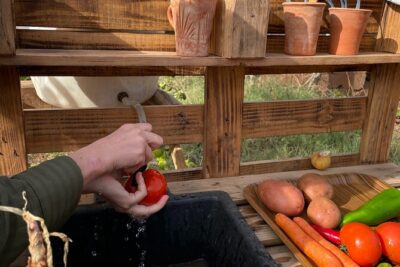
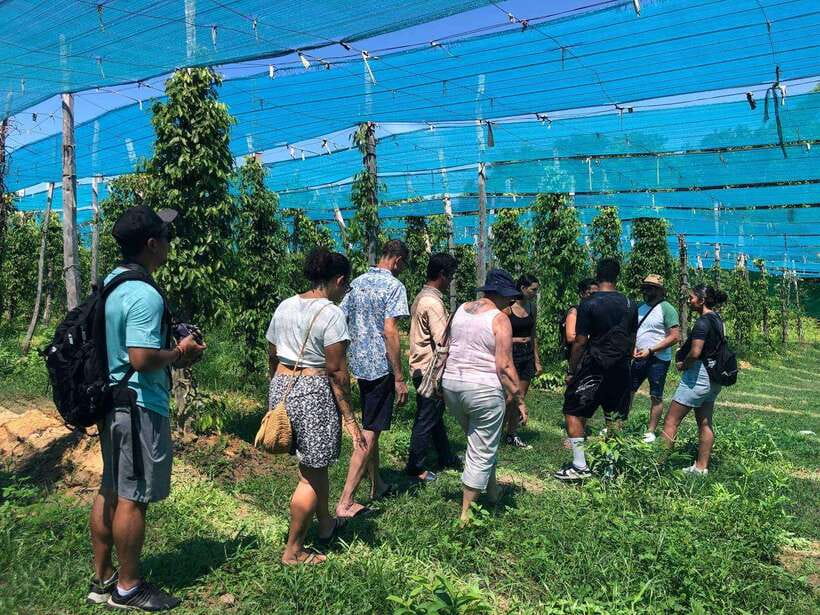
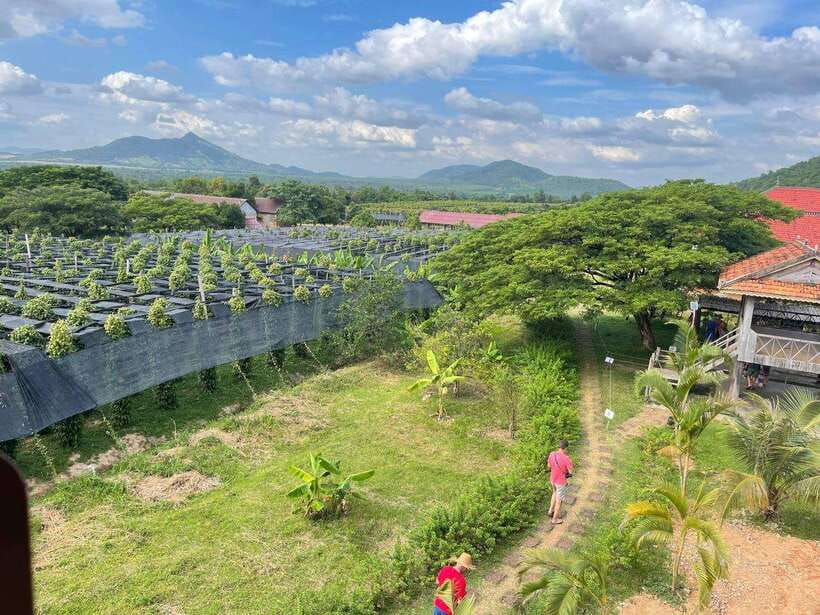
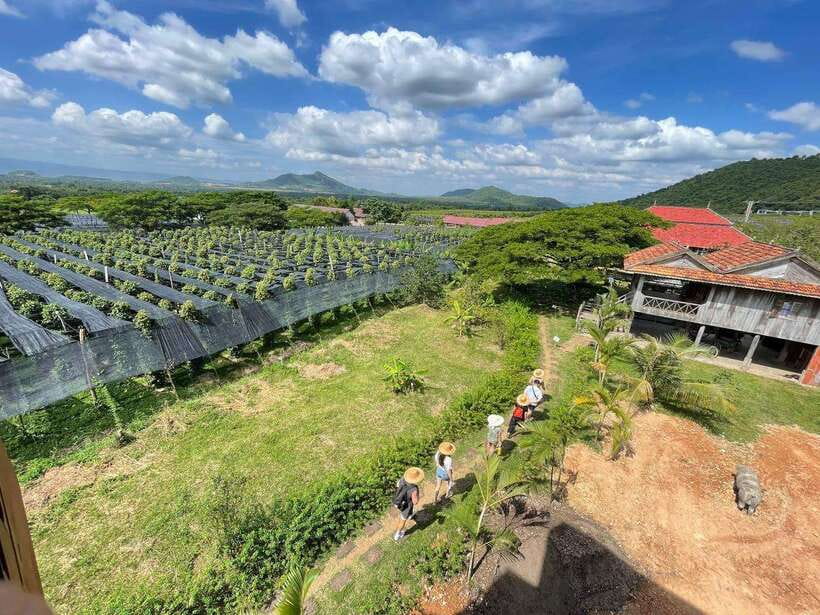
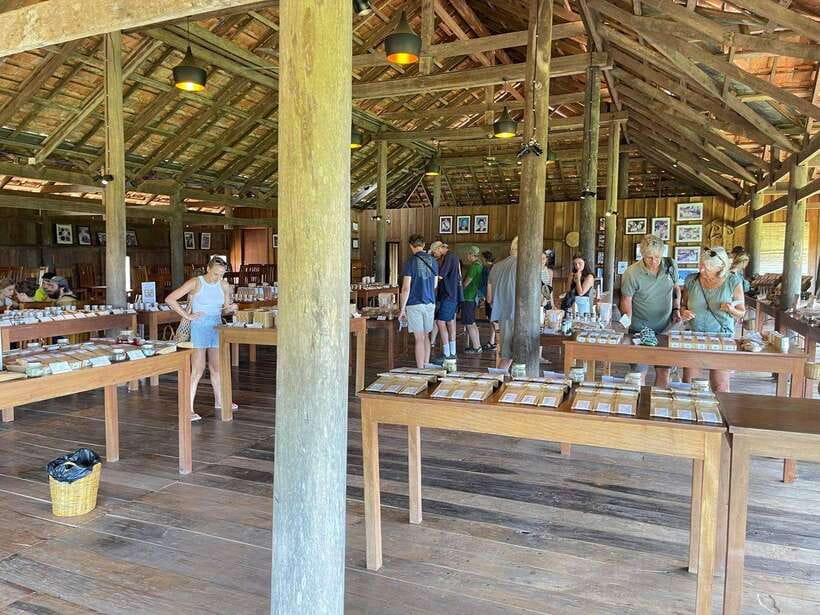
This is the part many people remember, and for a good reason. You visit La Plantation, described as an organic pepper farm, and you learn about Kampot pepper—why it’s different, and how growers connect the land to the final spice.
Your tour guide at this stop is specifically noted as English or French, and it’s the only place where the dedicated tour guiding is guaranteed. The rest of the day is handled by your English-speaking driver, so La Plantation is where the pepper education becomes more direct and detailed.
If you care about flavor beyond just eating, this stop helps you understand why Kampot pepper has a strong reputation. You’ll see the farm context that supports the learning: pepper is not a generic crop here. It’s tied to place, cultivation choices, and processing habits that create a recognizable product.
Also, it’s a nice change from the “look and photograph” parts of the day. Pepper farms feel active and grounded in real work. Even if you only have a limited time on-site, you leave with a stronger sense of what you’re tasting later (and what questions to ask).
One small practical thing: pepper farm learning often includes time in the open air. Even if the farm portion is structured, your comfort depends on sun protection and breathable clothing.
Kep Beach Crab Market lunch stop: fresh seafood with real coastal timing
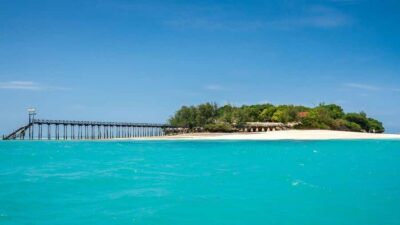
After salt and cave time, you arrive at Kep Beach Crab Market for lunch. The idea here is simple: match the inland work (salt, pepper) with the coastal food that depends on all that local flavor culture.
The name tells you the theme—crab market and sea—so expect a seafood-focused meal environment. The tour description frames it as a place to taste fresh seafood, which is exactly what makes this lunch stop feel like a payoff rather than just a break.
Important planning note: meals are not listed as included. The schedule may call it lunch, but your meal cost likely comes from your own pocket. This is normal for Cambodia day trips, but you’ll want to budget so you don’t get surprised at the table.
How to choose wisely in a market setting:
- Go for simple, well-prepared seafood you can easily confirm
- If you’re pepper-curious, ask how pepper is used in dishes you order
- Don’t skip hydration—market lunches tend to run warm, and the day has sun earlier

What’s included (and what you’ll still pay for)
Here’s how the value math works for this $87 per person day trip.
Included:
- Air-conditioned transportation
- English-speaking driver
- Tour guide language is English or French at La Plantation only
- Entrance fees
- Water
- Hotel pickup and drop-off in Phnom Penh
- Skip the ticket line (so you lose less time at entry points)
Not included:
- Personal expenses
- Meals like breakfast, lunch, dinner (so lunch at the crab market is on you)
At this price, you’re paying for the logistics: the long drive, AC comfort, organized stops, and the structured learning at La Plantation plus entry fees. Where you can feel the cost most is meals—so it’s worth setting aside money for lunch rather than assuming it’s included.
Timing, walking, and comfort: how to prepare so the day feels good
This is an all-in day. The itinerary includes a mix of town strolling, salt-field walking, a cave visit, and a pepper farm stop. The tour also specifically advises comfortable shoes and mentions a moderate amount of walking.
Pack like this:
- Comfortable shoes you’ve already worn
- Hat + sunscreen
- Camera (there are lots of practical photo moments: town streets, cave formations, farm settings)
- Water bottle in addition to the bottled water provided
A couple rules that affect comfort:
- No smoking
- No food or drinks on the bus ride (so snack planning needs to happen outside the ride time)
If you’re sensitive to sun, consider light layers. If you’re traveling with someone who struggles in heat, this is the part you’d handle first—shoes and sun protection are the difference between a great day and a tiring one.
Also, the tour isn’t suitable for wheelchair users and may be tough for people with back problems. If mobility is an issue, ask before booking so you’re not stuck with a pace you can’t manage.
Who this trip is best for—and who should pick something else
This day trip is a strong fit if you want:
- A single-day overview of Kampot and Kep without planning your own transport
- Real context around Kampot pepper and traditional salt harvesting
- A lunch stop at a seafood-focused market that matches the region
It’s especially good for food lovers who like origins. Salt and pepper aren’t just “souvenirs” here. You’re seeing how they’re made and why locals value them.
It might be a weaker choice if:
- You dislike long sitting time or want more flexible pacing
- You have mobility limitations (the tour states it’s not suitable for wheelchairs and may be hard for back problems)
- You want a fully relaxing day with lots of downtime between stops
Should you book this Kampot pepper, salt, and crab day trip?
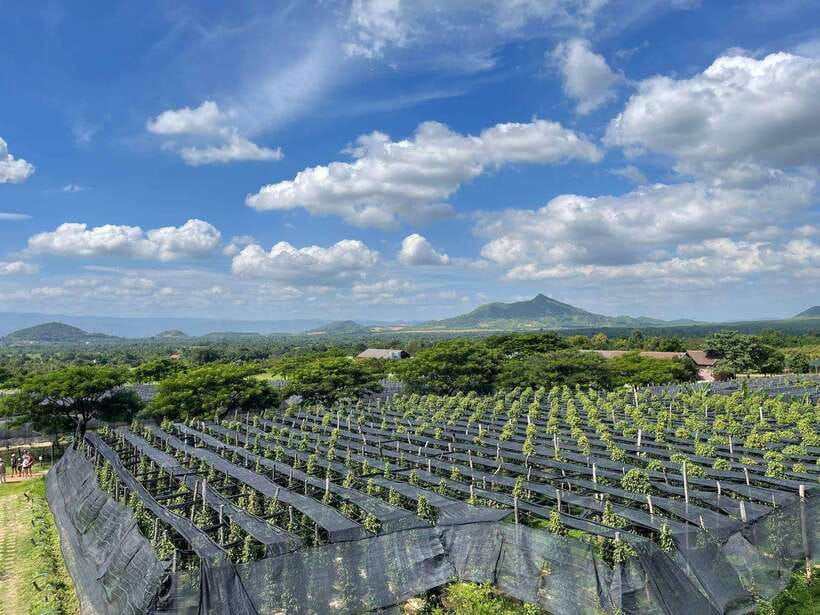
I’d book it if your ideal day includes three things: learning, eating, and getting outside. The combination of salt fields, Phnom Chhngok Cave, and La Plantation pepper education is a smart way to experience the region’s flavors and natural sites in one loop.
The “yes” becomes even stronger if you’re traveling with limited time in Phnom Penh and want a real change of scenery without handling complicated logistics. Just go in with the right expectations: you’ll be walking some, you’ll be in the sun some, and lunch at the crab market is a cost you should plan for.
If you want a single day that explains Kampot through salt, pepper, and coast, this is a solid choice.
FAQ
How long is the tour?
The tour duration is 11 hours.
What does the tour cost?
The price is $87 per person.
How do you get from Phnom Penh to Kampot?
The tour includes air-conditioned transportation. The distance is about 150 kilometers, and the trip typically takes 2.5 to 4 hours depending on traffic and transport mode.
Are meals included?
Meals are not included. Breakfast, lunch, and dinner are listed as not included, even though there is a lunch stop at the crab market.
Will I have a guide the whole time?
You’ll have an English-speaking driver, and a tour guide at La Plantation (pepper farm) only. That guide is listed as English or French.
What should I bring?
Bring comfortable shoes, a hat, camera, sunscreen, and water.
Is there walking on the tour?
Yes. The tour notes a moderate amount of walking.
Is it wheelchair accessible or safe for back problems?
It is not suitable for wheelchair users. It may also not be suitable for people with back problems.