REVIEW · NAIROBI
Nairobi: Tea Farm Day Trip with Lunch at kiambethu
Book on GetYourGuide →Operated by SAFARI LINKS AFRICA LTD · Bookable on GetYourGuide
Tea tastes different after you see it grow.
This day trip to Kiambethu Tea Farm turns a simple cup into a real story: you taste tea on the fields where it’s grown, learn how it’s planted and harvested (including the farm’s purple tea), and even try tea picking with trained workers. The big win is the hands-on part—especially making orthodox tea and leaving with something you crafted. The main watch-out is timing and extra costs: some pickups can run late, and you’ll need to pay an additional $42 cash entry/activity fee on the day.
The day runs about 7 hours. You start with a welcome of freshly brewed tea and snacks around 11am, then lunch lands at about 1pm, followed by more tea sampling, a forest walk to a waterfall (with a chance to dip), and a bonfire to close out the experience.
In This Review
- Key Things That Make Kiambethu Worth Your Time
- Kiambethu Tea Farm: A Straightforward Day Trip From Nairobi
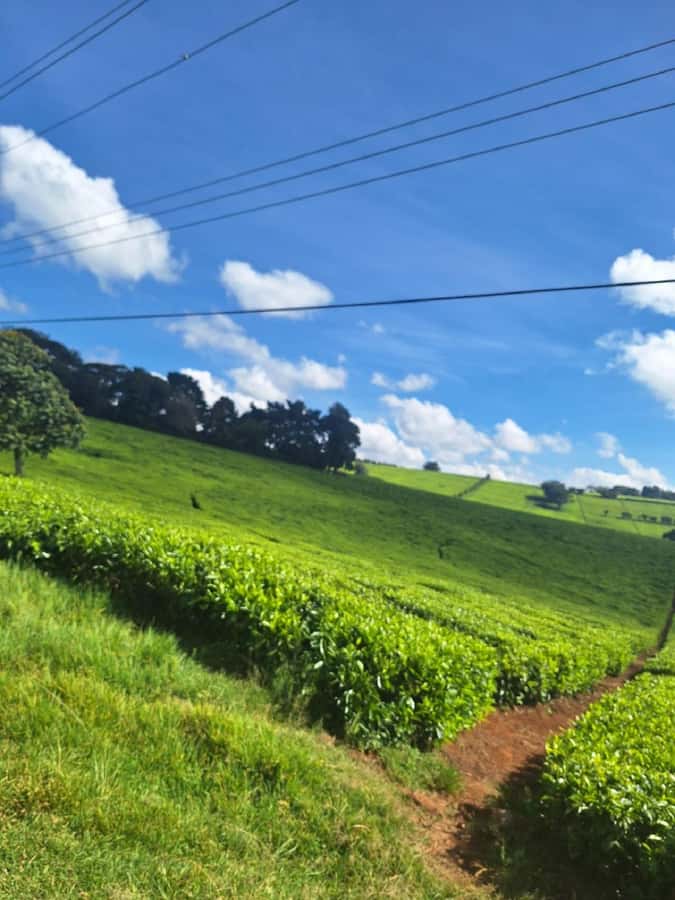
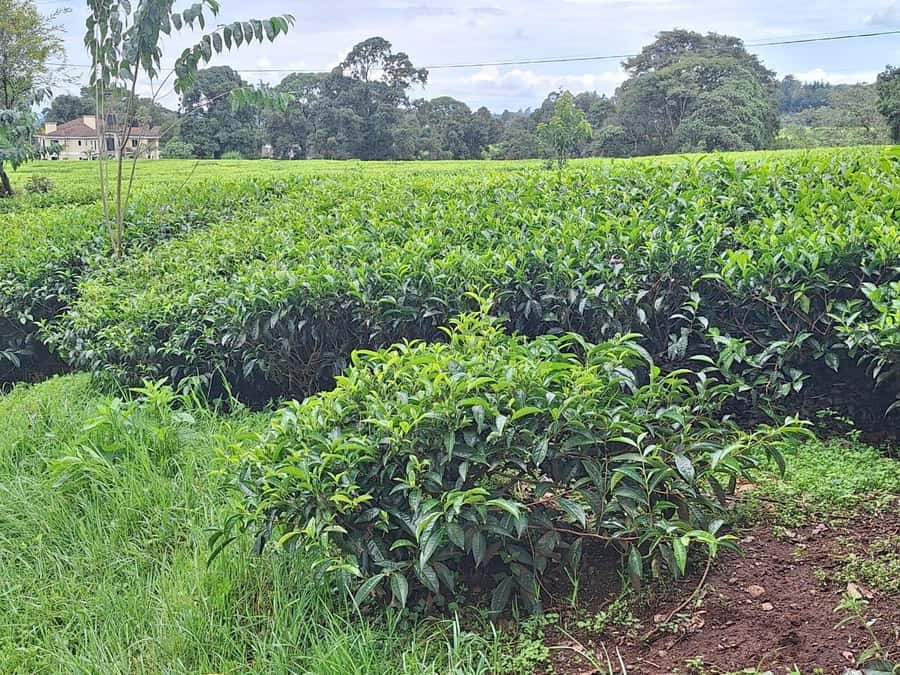
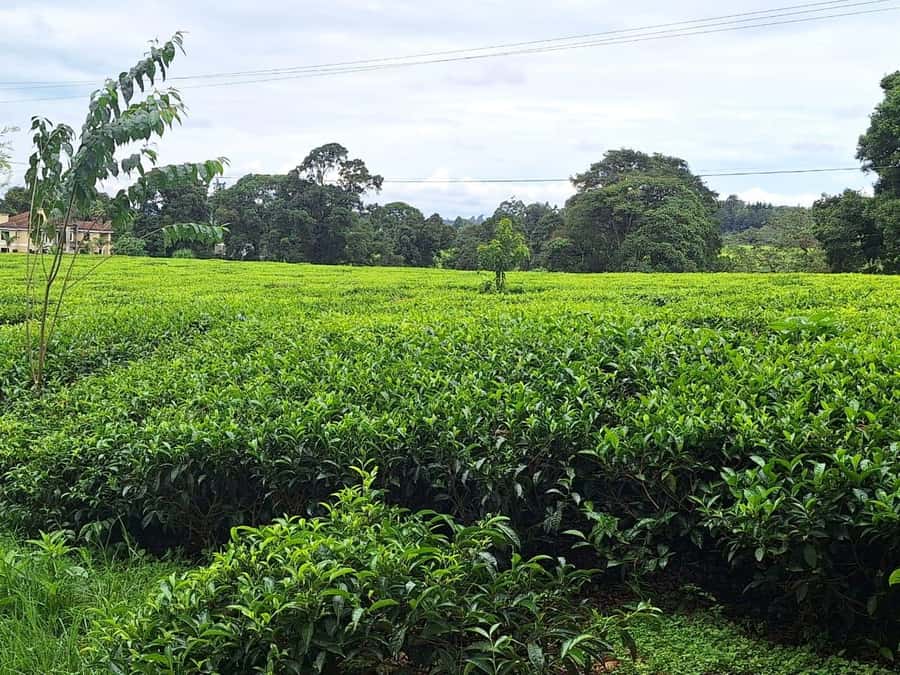
- The 11am Welcome and Tea Tour: Fields, History, and Purple Tea Talk
- Tea Picking: The Hands-On Moment That Changes Your Understanding
- From Leaf to Orthodox Tea: Roasting, Rolling, Drying, and Packaging
- Lunch Around 1pm: Three Courses, Farm-Fresh Food, and Dairy Details
- Forest Trek and the Waterfall Dip: Where the Day Gets Lighter
- Bonfire in the Gardens: A Calm Finish Instead of a Rush Home
- Price and Logistics: Value at $44, plus the $42 Cash Fee
- What to Bring (and What to Skip) for a Smooth Farm Day
- Who This Tour Suits Best
- Should You Book This Kiambethu Tea Farm Day Trip?
- FAQ
- How long is the Kiambethu Tea Farm day trip?
- What does the tour cost?
- Is lunch included, and when do you eat?
- What extra fee do I need to pay in cash?
- Does the price include hotel pickup and drop-off?
- What languages is the guide available in?
- Is the experience wheelchair accessible?
- What should I bring for the day?
- Are there any items that are not allowed?
- Provider
Key Things That Make Kiambethu Worth Your Time
- Tea tastings on-site so your cup has context, not just flavor.
- Tea picking practice with guidance from people who do it every day.
- Orthodox tea production hands-on: roasting, hand-rolling, drying, and packaging.
- A forest trek with a waterfall stop that breaks up the plantation time.
- A structured farm history talk from the host, plus gardens and indigenous forest on the property.
- A relaxing end to the day with a bonfire in the gardens.
Kiambethu Tea Farm: A Straightforward Day Trip From Nairobi
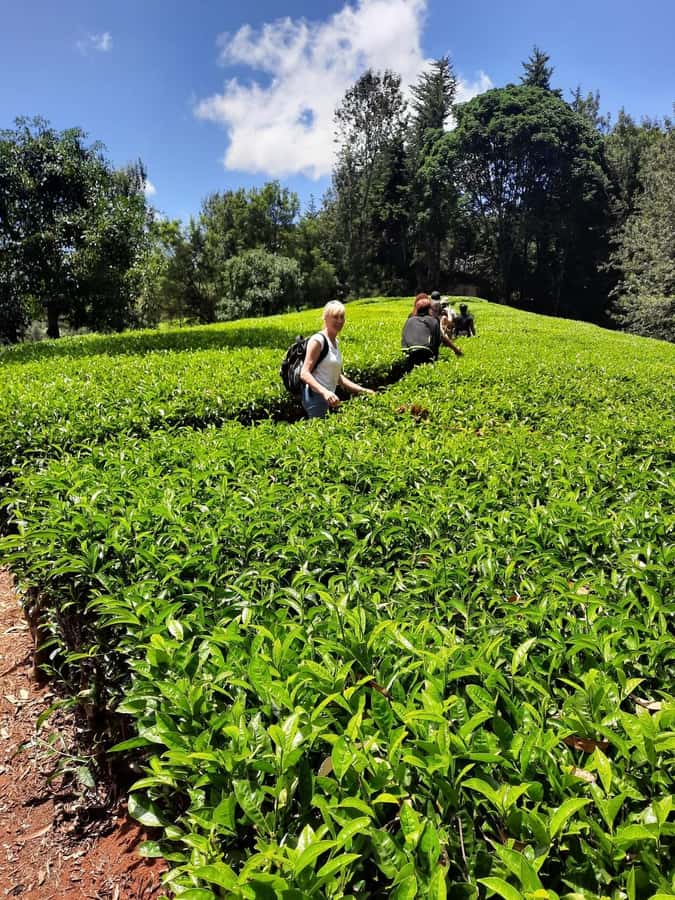
Kiambethu sits in central Kenya and is reached by a short drive from Nairobi. That matters because this isn’t one of those “you’ll spend your whole trip in a van” outings. Instead, you get a real chunk of time in the gardens, tea fields, and surrounding forest.
The tour is built around learning how tea moves through the full chain—from growing to harvesting to processing and tasting. You’re not just looking at plants behind a fence. You’re given specific moments to taste, pick, and handle tea-making steps, which makes the day feel purposeful.
You can also read our reviews of more tours and experiences in Nairobi.

The 11am Welcome and Tea Tour: Fields, History, and Purple Tea Talk
Your day starts around 11am with a warm welcome: freshly brewed tea and snacks. It’s a small start, but it sets the tone. You go from Nairobi routine to farm pace fast—then you’re ready for the guided learning portion.
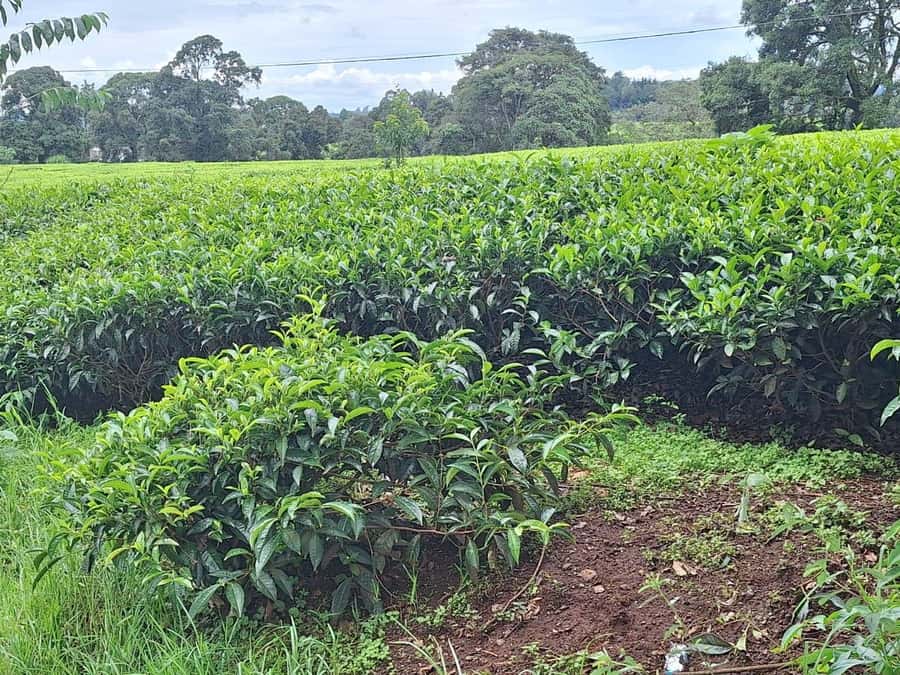
Next comes an informal history talk by the host. You’ll get the background of Kiambethu as one of Kenya’s older tea farms, and the story gives the property more meaning than just scenery. After that, the farm tour moves through tea growing and harvesting basics, guided at a comfortable walking pace.
One of the most interesting pieces is the farm’s focus on purple tea. You’ll hear why it’s special and how it fits into the farm’s cultivation. Even if you don’t become a tea scientist, you’ll come away with the sense that tea variety and cultivation details actually change what ends up in your cup.
What I’d watch for: wear shoes you can walk in on uneven ground, and plan for sun plus shade. The farm days can feel long, and comfortable footwear is what keeps you engaged instead of fidgeting.
Tea Picking: The Hands-On Moment That Changes Your Understanding
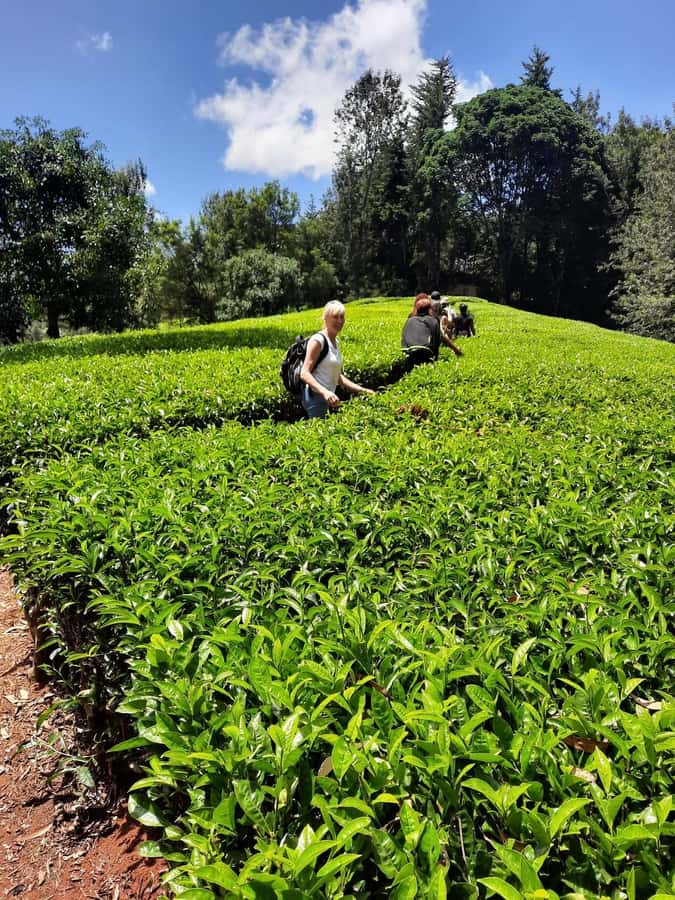
After the tour lessons, it’s time to try tea picking. You won’t be thrown in blind. You’ll be guided by experienced tea pickers and shown the best techniques for harvesting tea leaves.
That’s where the learning clicks. Tea picking is slower and more precise than most people imagine. Once you handle the leaves yourself—even briefly—you understand why the timing and method matter, and why tea-making quality starts in the field.
Expect this to be one of your most memorable parts of the day, because it turns tea from a product into a process you can picture. It’s also a great photo moment, as long as you keep it practical and follow what the team shows you.
Small consideration: this part can be tiring if you’re not used to walking and bending. Take it at your pace, and keep your hands and eyes protected from sun.
From Leaf to Orthodox Tea: Roasting, Rolling, Drying, and Packaging
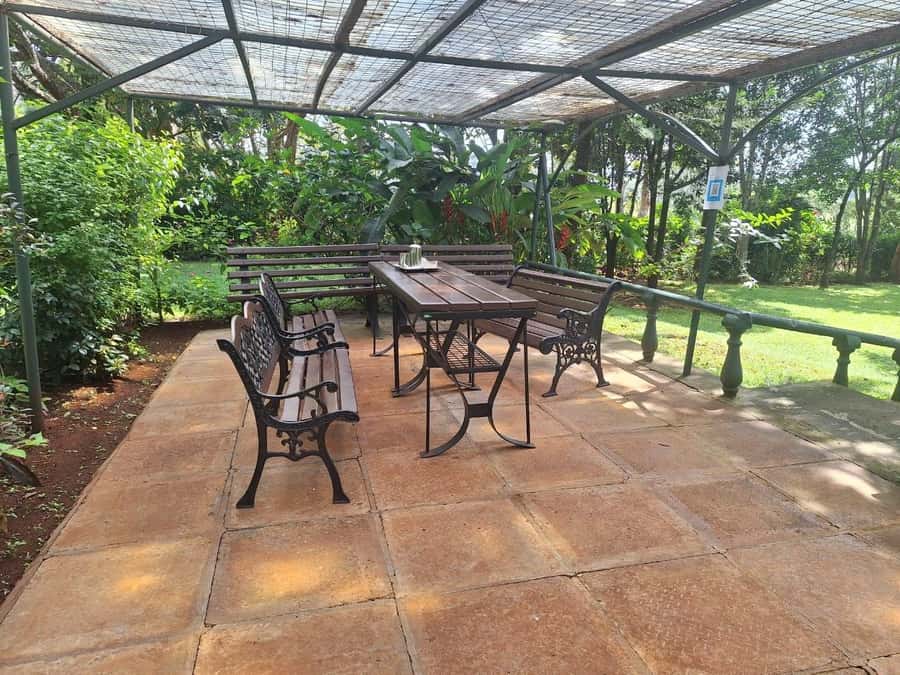
Back at the farm area, the experience shifts into tea-making. You’ll learn traditional methods of producing orthodox tea, and you’ll participate in the steps—roasting, hand-rolling, drying, and packaging your tea to take home.
This is a rare format for a day trip. Many tours stop at tasting. Here, you get the logic behind the flavor changes. Even if you don’t remember every technical detail, you’ll remember the feel of the process: the heat, the handling, and how tea takes shape as it moves through stages.
You also get tea-based sampling along the way. That helps you connect what you just did with what you’re drinking. It turns the “tasting” into something more like an experiment.
What I like about this setup: it gives you a souvenir that isn’t generic. Packing your own tea makes the purchase feel like a continuation of the day, not an impulse at the end.
Lunch Around 1pm: Three Courses, Farm-Fresh Food, and Dairy Details
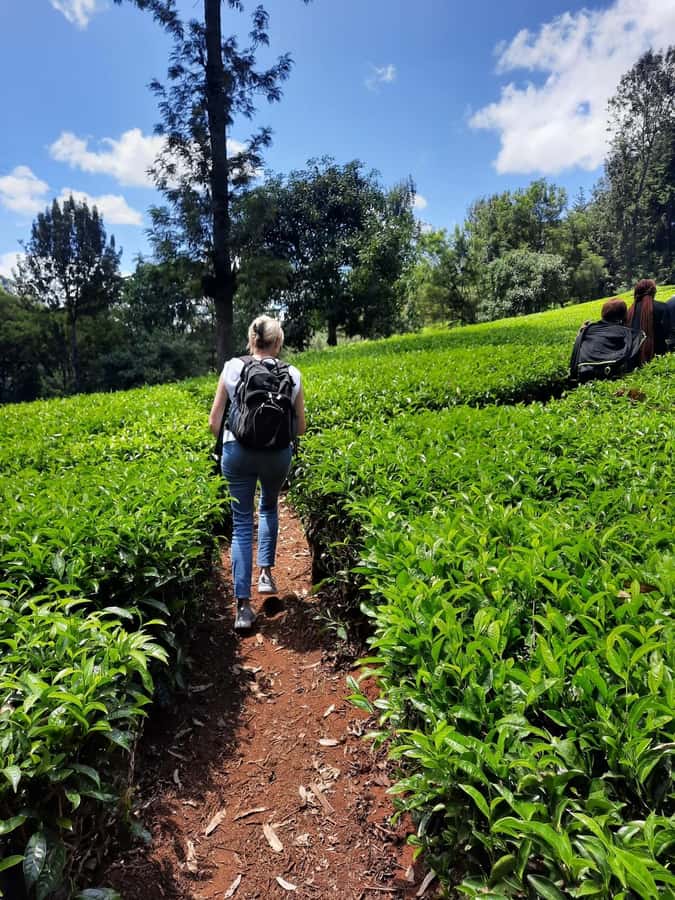
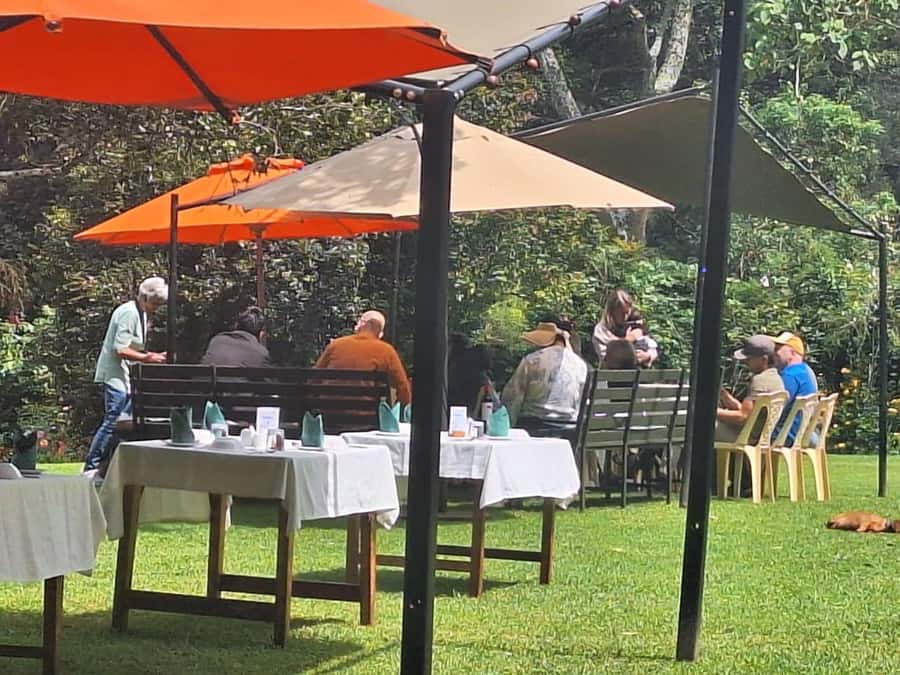
Lunch is served about 1pm, and it’s a three-course buffet lunch from a set menu. It’s positioned as farm-fresh dining with locally sourced ingredients, which matters on a farm day—food should match the setting.
What you’ll appreciate most is that lunch isn’t treated like an afterthought. You’re already walking and learning, and then you get a real meal that lets you reset without leaving the property.
In addition, you might notice the farm’s dairy connection. One detail you can run into during the day is that cows are part of the farm story, including dairy used for ice cream served on-site. That kind of small, specific link between farming and food makes the whole experience feel more coherent.
Practical tip: plan to eat slowly. You’ll likely be hungry after tea picking, and you’ll want energy for the later forest walk.




Forest Trek and the Waterfall Dip: Where the Day Gets Lighter
After lunch, the day includes a nature walk through nearby forest. This part is built around indigenous plants and wildlife, and it ends with a visit to a local waterfall where you can take a refreshing dip.
This is your break from tea talk. The plantation is structured and repetitive; the forest path is different—more varied terrain, different sounds, and more movement. It also adds variety to your photos and helps keep the day from feeling like a single long classroom.
What to consider: bring something you can handle if you decide to dip. The tour doesn’t explicitly list swimwear, so it’s smart to show up prepared in a way that doesn’t trap you in wet clothes.
Bonfire in the Gardens: A Calm Finish Instead of a Rush Home
To wrap up, you end the day with a bonfire in the gardens. That final hour (or part of it) changes the vibe from “doing activities” to “relaxing after activities.”
If the earlier parts of the day feel structured, the bonfire gives you something gentler: time to talk, reflect, and slow down. It’s the kind of ending that makes a day trip feel like more than checkboxes.
Price and Logistics: Value at $44, plus the $42 Cash Fee
The price is $44 per person for about 7 hours, with hotel pickup and drop-off included. Transport is handled by car or tour van, and the package includes tea tasting, tea picking and processing activities, lunch, soft drinks, tea-based sampling, and free bottled mineral water.
So where does value show up?
- You’re paying for guided learning plus hands-on tea making.
- Lunch is included and timed around 1pm.
- You don’t have to figure out the whole logistics from Nairobi.
Now for the part you must plan for: there’s an additional $42 activity/entry fee payable in cash (in USD and/or Kenyan shillings, as specified). If you arrive without cash, you can feel stressed right when you want to enjoy the farm.
Logistics watch-out: the experience can be sensitive to timing. Some people report pickup delays and missed portions of the scheduled talk. If you’re working with a tight Nairobi schedule, build in cushion time and keep your expectations flexible.
What to Bring (and What to Skip) for a Smooth Farm Day
The basics are simple, and the farm environment rewards being prepared.
Bring:
- Comfortable shoes
- Camera
- Sunscreen
- Comfortable clothes
- Cash (for the extra fee)
- A jacket or sweater (a quick extra layer is useful)
Not allowed:
- Pets
- Plastic bags
- Littering
- Fireworks
- Nudity
This isn’t just rules on paper. On a farm visit, these choices keep the property clean and help you enjoy the walking, picking, and tasting without awkward interruptions.
Who This Tour Suits Best
This is a strong match for you if you want more than a scenic day out. You’ll like it if tea is an interest—especially if you enjoy practical, step-by-step experiences like picking leaves and making orthodox tea.
It’s also a good fit if you want a structured day with a clear flow: welcome, guided farm tour, picking and processing, lunch, forest trek and waterfall, then a calm bonfire finish.
One more practical note: the tour is listed as wheelchair accessible, and pickup is offered from multiple Nairobi areas. That makes it easier to join without needing to arrange everything yourself.
Should You Book This Kiambethu Tea Farm Day Trip?
I’d book it if you want a tea experience with real participation—picking leaves, learning production steps like roasting and hand-rolling, tasting tea on-site, and then balancing it with a forest walk and waterfall dip. The included lunch and the chance to package your own tea make it feel like you’re leaving with something tied to the day, not just souvenirs in a bag.
Skip or rethink if you’re the type who needs perfect timing and hate uncertainty about pickups. Plan for possible lateness, and always bring the cash for the extra $42 fee so nothing puts a damper on the morning.
If you like farm-to-cup experiences and don’t mind a full day schedule, this one is worth your time.
FAQ
How long is the Kiambethu Tea Farm day trip?
The tour duration is listed as about 7 hours.
What does the tour cost?
The price is listed as $44 per person.
Is lunch included, and when do you eat?
Lunch is included and is served about 1pm. It’s described as a three-course buffet lunch from a set menu.
What extra fee do I need to pay in cash?
There is an activity and entry fee of $42 that you pay by cash in USD or Kenyan shillings.
Does the price include hotel pickup and drop-off?
Yes. Hotel pickup and drop-off are included, with pickup and drop-off options around Nairobi.
What languages is the guide available in?
The live tour guide is available in Esperanto, French, and English.
Is the experience wheelchair accessible?
Yes, it’s listed as wheelchair accessible.
What should I bring for the day?
Bring comfortable shoes, a camera, sunscreen, comfortable clothes, and cash. A jacket or sweater is also recommended.
Are there any items that are not allowed?
Yes. Pets and plastic bags are not allowed, along with littering, fireworks, and nudity.
Provider
SAFARI LINKS AFRICA LTD