REVIEW · NAIROBI
Nairobi to Kiambethu Tea Farm Tour
Book on Viator →Operated by Safari Port · Bookable on Viator
That first cup of tea changes the pace. This Nairobi-to-Kiambethu Tea Farm tour pairs small-group guidance with an easy, scenic day outside the city. You get tea history, a real working-farm tour, and a lunch built around what Kenya tea actually tastes like.
Two things I especially like: the focus on hands-on explanations (history + how tea is made) and the way the food experience includes views over the Ngong Hills tea fields. One thing to consider: the day runs on a set schedule with limited free wandering, so if you want hours of solo exploring or shopping time, plan to keep expectations modest.
Key points at a glance
- Small group (15 max) with round-trip hotel transfers from Nairobi
- Tea talk on arrival, then a guided farm walk and forest stroll
- Indigenous forest guide identifies plants and shares traditional uses
- Colobus monkey spotting is possible during the forest walk
- 3-course lunch + tea/coffee with sweeping Ngong Hills views
- Smart casual dress code keeps the farm day comfortable
In This Review
- Nairobi to Kiambethu Tea Farm: Why This Day Trip Works
- Getting There From Nairobi: Pickup, Start Time, and What to Expect
- Tea History and the Working Farm: What the Guided Walk Teaches You
- The Indigenous Forest Walk and Colobus Monkey Chances
- Lunch With Ngong Hills Views: A Real Tea-Farm Meal
- Guides Who Make Kenya Feel Personal: Fiona, Obed, Dunkin, and Dennis
- Price and Value: Is $108 Worth It?
- Who Should Book This Kiambethu Tea Farm Tour (and Who Might Not)
- Things to Know Before You Go (Small Details That Matter)
- Should You Book the Nairobi to Kiambethu Tea Farm Tour?
- FAQ
- FAQ
- How long is the Nairobi to Kiambethu Tea Farm tour?
- What time does the tour start, and is pickup included?
- How big is the group?
- What’s included in the price?
- What should I wear?
- Can I cancel for a full refund?
Nairobi to Kiambethu Tea Farm: Why This Day Trip Works
If you’re trying to escape Nairobi for a few hours without going full-Indiana-Jones on logistics, this is a smart choice. Kiambethu Tea Farm sits just outside the city, which means you can learn something real about tea without losing half your trip to transport stress.
The tour’s biggest strength is that it doesn’t treat tea like a souvenir theme. It’s built around the full chain: where tea comes from, how the farm works, and how tea processing turns leaves into the cup you actually drink. That structure matters. You’ll leave knowing what to look for next time you see tea on a shelf, not just collecting pretty photos.
And then there’s the setting. The day includes time on a verandah with views across the tea fields toward the Ngong Hills, so lunch isn’t just a meal—it’s part of the experience. I also like that it’s paced like a proper outing. You’re not rushed from stop to stop like you’re speed-dating the countryside.
Getting There From Nairobi: Pickup, Start Time, and What to Expect
The day starts at 9:30 am, with hotel pickup and drop-off included. In practice, that means you should expect a drive out of Nairobi before the farm portion begins. The schedule is built around arriving in the late morning, getting an introduction to the farm, and then settling into the guided walks and lunch.
Since it’s a small-group tour limited to 15 travelers, you generally get a more personal rhythm than you’d see on big bus-style excursions. It also helps the guide keep the story straight—tea history, planting rhythms, processing steps, and the walk itself all fit together better when the group isn’t huge.
Dress code is smart casual. Think comfortable shoes with decent grip. The farm includes walking and a forest path, so you’ll want footwear you can trust on uneven ground. If you run cold easily, bring a light layer—morning starts near the city can feel cooler than you expect once you’re up in the hills.
You can also read our reviews of more tours and experiences in Nairobi.
Tea History and the Working Farm: What the Guided Walk Teaches You
Once you arrive, the tone shifts from travel mode to learning mode. You’ll spend time with commentary on the history of Kiambethu and the process behind making tea. It’s presented in an approachable way, the kind of explanation that helps you follow along even if you’ve never thought about tea beyond drinking it.
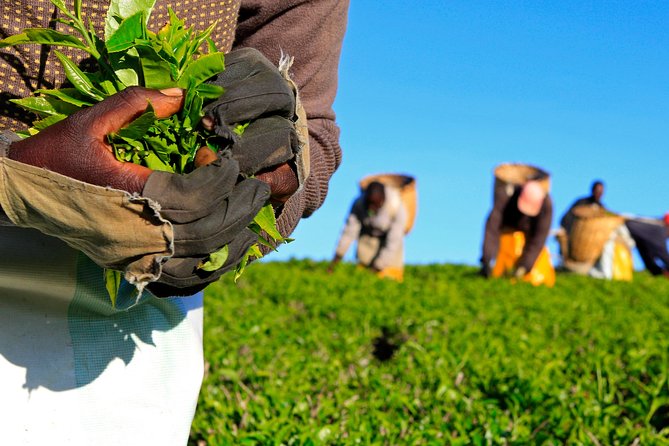
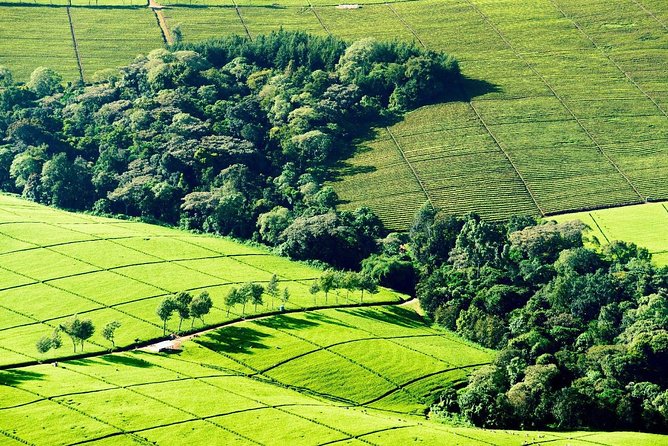
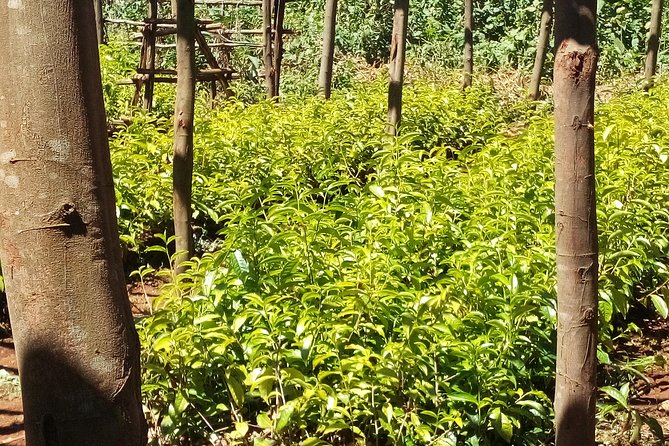
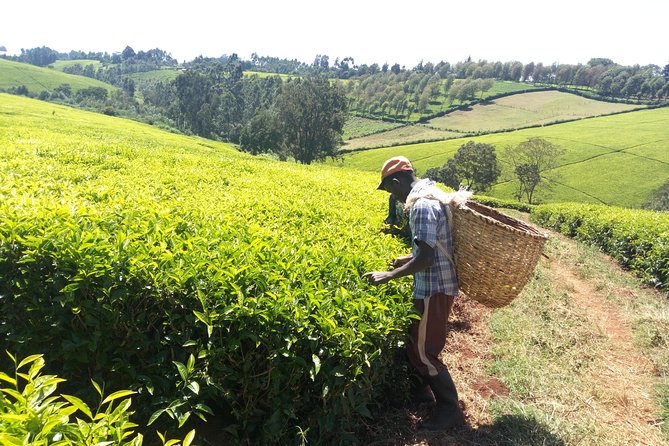
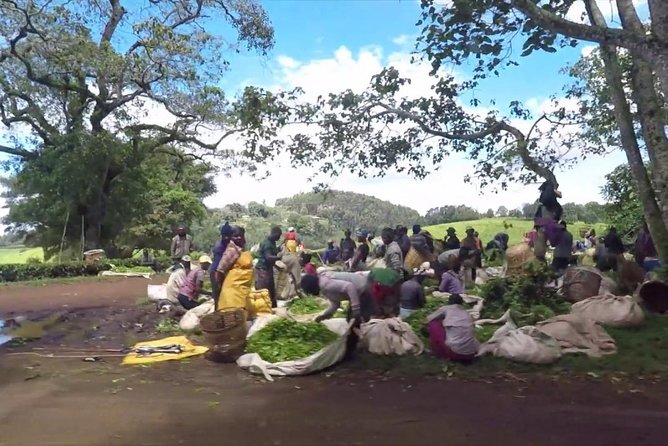
After the initial overview, you’ll see tea in the field. That’s where the tour becomes more than “watch and move on.” You can connect what you just heard—how tea grows and how processing works—to what you can actually see growing. If you’ve ever wondered why tea quality can vary so much, this is the start of an answer, without getting too technical.
This farm day also includes a guided walk through an indigenous forest. Your resident Kenyan guide identifies plants and explains how they’re traditionally used. You’re not just looking at trees; you’re learning why they matter. The tour also aims for wildlife spotting, with the chance to see Colobus monkeys close up. Add in birds and flowers in the gardens, and you get a mix of farm life and calm nature time.
The biggest “value move” here is that the tour doesn’t isolate tea as a factory process. It places tea in a living system: plants, forests, wildlife, and people.
The Indigenous Forest Walk and Colobus Monkey Chances
The forest portion is one of the most memorable parts of the day because it adds context beyond tea. Tea plants do their thing out in the fields, but the surrounding forest helps show what kind of ecosystem a farm sits within.
You’ll walk with a resident Kenyan guide who points out plants and shares traditional uses. That matters if you want more than sightseeing. It’s also the sort of information you can’t easily pick up from a quick museum stop, because it’s tied to the place itself.
Colobus monkeys can be spotted close up during the walk. Even if you don’t catch them, the forest section still delivers: birds, flowers, shade, and that slower rhythm you want on a day trip from Nairobi. I’d call this the “breathing space” in the schedule, the part that keeps the tour from feeling like a checklist.
If you’re taking photos, keep your expectations realistic. Wild monkeys don’t follow your camera timing. The smart approach is to watch your guide, stay quiet when needed, and be ready for short bursts of action.
Lunch With Ngong Hills Views: A Real Tea-Farm Meal
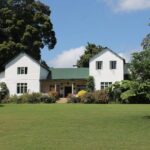
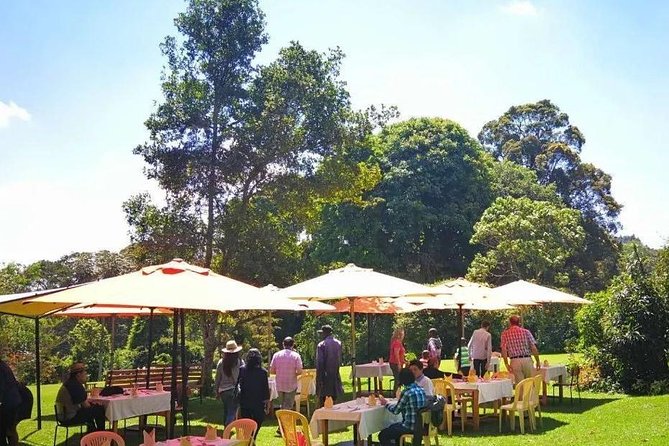
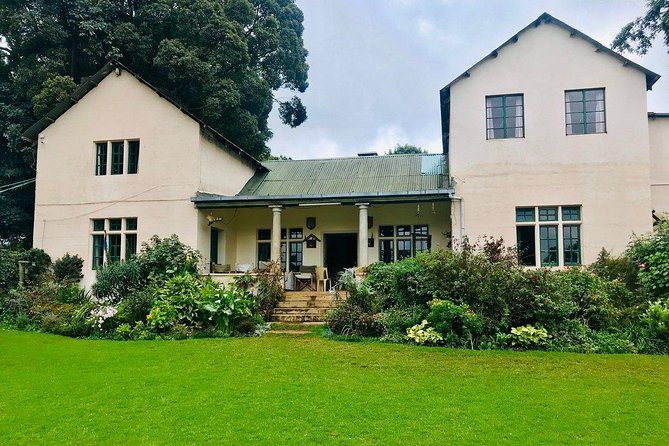
Then comes the part most people remember later: the meal. You’ll head back to the house for a pre-lunch drink on the verandah with sweeping views across the tea fields toward the Ngong Hills. It’s a nice setup because it gives you a comfortable pause after the walking.
Lunch is a 3-course buffet. You’re also served coffee and/or tea, tying the food experience directly back to what you learned earlier. For me, this is where the tour earns its money. Many day trips hand you lunch as an afterthought. Here, lunch feels integrated—tea shows up again, and the setting makes the meal more special without being fussy.
One practical note: if you’re hungry, you should be. The tour runs for about 5 to 6 hours, with enough walking to work up an appetite. And since children must be accompanied by an adult, the meal time is also where families can settle and relax before finishing the day.
Guides Who Make Kenya Feel Personal: Fiona, Obed, Dunkin, and Dennis
A tea farm tour lives or dies on the guide. You’re moving through a real working space, and the only way it becomes memorable is if someone can explain it in a way that clicks.
The tour hosts are described warmly, including Fiona and Sarah. They frame the farm history and the tea-making process in a way that feels friendly, not scripted. In addition, guides mentioned in standout experiences include Obed, Dunkin, and Dennis, each praised for storytelling and for connecting the day to broader life in Kenya.
One reason this matters: it changes how you experience the walking. When your guide points out plants in the forest and connects them to traditional use, the walk feels like a guided conversation. When your driver adds local context on the ride up, the entire morning feels like part of one story instead of disconnected segments.
If you like learning that’s clear and human—not overly academic—this is a strong fit.


Price and Value: Is $108 Worth It?
At $108 per person, this tour sits in the mid-range for Nairobi day trips. The value comes less from the price tag and more from what’s bundled.
You get:
- Hotel pickup and drop-off
- A professional guide and driver
- Lunch (3-course buffet)
- Tea and/or coffee
- All fees and taxes
That’s important because Nairobi tours can add hidden costs once you start counting entrance tickets, transport, and food separately. Here, the structure reduces those add-ons and keeps the day predictable.
It’s also limited to 15 travelers, which improves the experience quality. Smaller groups usually mean more chance to ask questions, better timing for forest and wildlife moments, and less “everyone rushes, no one learns” energy.
One more value detail: the tour is described as a private activity where only your group participates. That can be a big deal if you’re traveling with friends, want a calmer pace, or simply dislike competing with strangers for attention.
Who Should Book This Kiambethu Tea Farm Tour (and Who Might Not)
This is ideal if you:
- Want a break from Nairobi that still includes real learning
- Like nature walks and wildlife chances like Colobus monkeys
- Care about understanding tea beyond taste
- Prefer a small-group format with hotel transfers
It’s also a good fit for solo travelers who want a structured day with support. Some experiences specifically call out feeling safe and comfortable, which makes sense when pickup, guide guidance, and drop-off are all included.
It may be less ideal if you:
- Want tons of downtime with no schedule pressure
- Expect a long, hands-on tea harvesting experience (the focus here is guided explanation and touring, not picking)
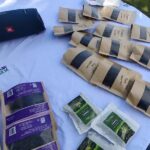
- Plan to shop heavily for tea products during the visit (tea packs are sold, but that’s not included)
If you want something easy, educational, and scenic—all in one afternoon—this hits the mark.
Things to Know Before You Go (Small Details That Matter)
Before you go, note these practical points so the day goes smoothly:
- It’s closed on all Mondays and the last day of every month, plus Christmas Day and Happy New Year’s Day. If your schedule includes those dates, you’ll need an alternate plan.
- Dress code is smart casual. Comfortable shoes matter more than anything else.
- Children must be accompanied by an adult.
- Tea packs for sale are not included, so if you’re hoping to bring home a souvenir, expect to buy separately.
- Confirmation is received at booking, and the tour is designed for most travelers to participate.
Should You Book the Nairobi to Kiambethu Tea Farm Tour?
I’d book it if you want a Nairobi day trip that feels like you actually learned something, ate well, and got a real countryside setting without complicated planning. The mix of tea history, guided farm touring, an indigenous forest walk, and a 3-course lunch makes the time feel used well.
If your ideal day is slow, scenic, and educational—especially with a great storytelling guide—this is an easy yes. Just make sure you’re traveling on a day it runs, wear shoes for walking, and go into it expecting a guided experience rather than a free-roam adventure.
FAQ
FAQ
How long is the Nairobi to Kiambethu Tea Farm tour?
It runs for about 5 to 6 hours.
What time does the tour start, and is pickup included?
The start time is 9:30 am, and hotel pickup and drop-off are included.
How big is the group?
Tours are limited to 15 travelers.
What’s included in the price?
The price includes lunch, driver/guide services, a professional guide, hotel transfers, coffee and/or tea, and all fees and taxes.
What should I wear?
The dress code is smart casual.
Can I cancel for a full refund?
Yes. You can cancel up to 24 hours before the experience’s start time for a full refund. If you cancel within 24 hours of the start time, you won’t receive a refund.