REVIEW · NAIROBI
Nairobi: Coffee Factory and Farm Tour with Transfer
Book on GetYourGuide →Operated by SAFARI LINKS AFRICA LTD · Bookable on GetYourGuide
A Nairobi coffee farm day beats another quick city stop. You’ll get a guided walk at Fairview in Limuru and learn how coffee goes from cherry to your cup. It’s a break from traffic, and the smells on the estate are real.
I like the fact that this isn’t just a pretty farm photo op. You’ll cover how coffee is grown and then watch the processing and tasting that turn raw beans into brewed coffee.
One thing to consider: it’s not a full meal day. There’s no food included, and there’s an additional entry fee listed separately, so you’ll want to plan for that.
In This Review
- Key things that make this coffee tour worth your time
- Why a coffee farm day works better than a second “city tour”
- The Fairview estate in Limuru: what the setting tells you about the coffee
- Pickup to the countryside: timing, comfort, and what to expect from the ride
- The farm walk: learning how coffee is grown (and what to notice)
- Coffee processing, roasting, and brewing: the steps that change what’s in your cup
- Tasting Fairview brands: how to get more out of the cup
- Buying beans to take home: turning a tour into a lasting memory
- Price and logistics: what $24 really means for your wallet
- Who this tour is best for (and who might want a different plan)
- A note on guides, vibes, and the small timing surprises
- Should you book the Nairobi Fairview Coffee Factory and Farm Tour?
- FAQ
- How long is the Nairobi Fairview coffee farm and tour with transfer?
- Where does the tour start and end?
- What is included in the coffee tour?
- Is food included?
- Are entry fees included?
- What coffee experience do I get during the tasting?
- What should I bring for the farm visit?
- Is the tour wheelchair accessible, and is the guide in English?
Key things that make this coffee tour worth your time
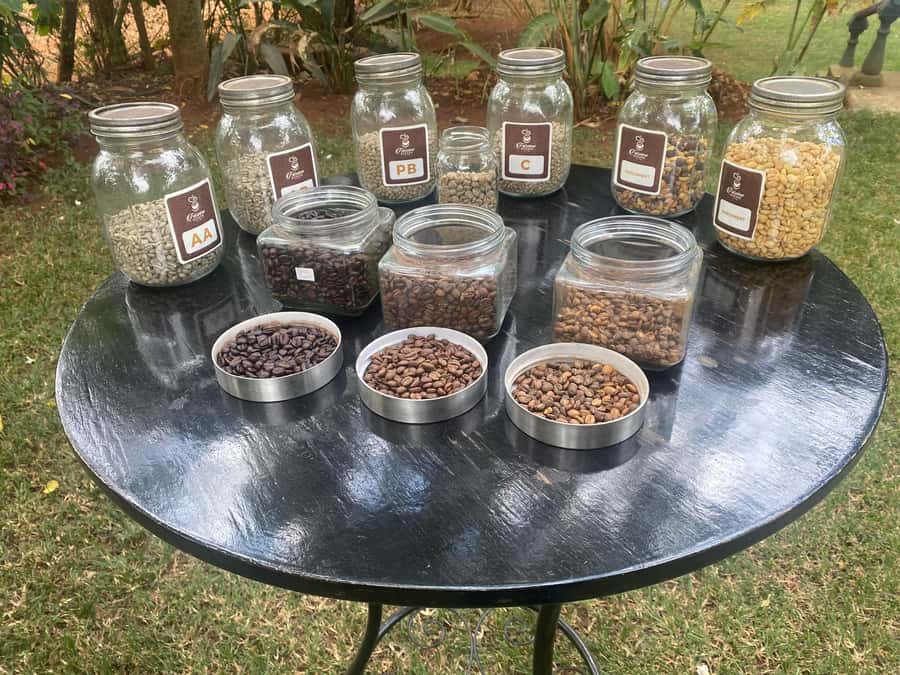
- Fairview estate in Limuru, Kiambu County: almost 100 acres under coffee, irrigated by the Riara River
- A real production walkthrough: from farm basics to roasting and brewing concepts
- Coffee tasting with Fairview brands: you’ll sample at least a couple of their well-known varieties
- Guides with serious farm energy: names like Elvis and James come up for their clear, passionate explanations
- Hotel pickup and drop-off: the transfer piece is handled, so you can focus on the experience
Why a coffee farm day works better than a second “city tour”
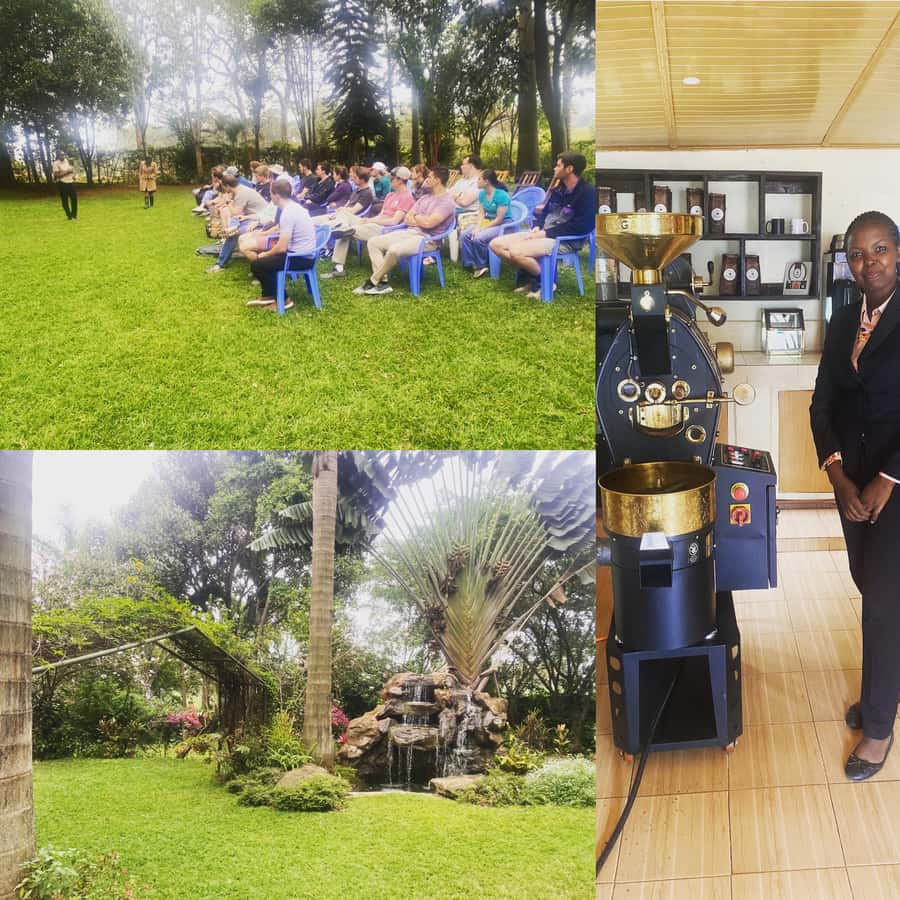
If you’re in Nairobi and you love food with a story, this kind of tour hits the sweet spot. It’s not about seeing a single landmark. It’s about seeing a whole process—where coffee grows, how it’s handled, and why roasting and brewing change what you taste.
I also like that the day is built for people who want to learn without feeling rushed. The farm portion is long enough to walk around, ask questions, and get an honest sense of what coffee farming looks like on the ground.
And yes, it’s a quiet break from city noise. Even if you only have a half-day window, you’ll feel like you escaped.
You can also read our reviews of more tours and experiences in Nairobi.
The Fairview estate in Limuru: what the setting tells you about the coffee
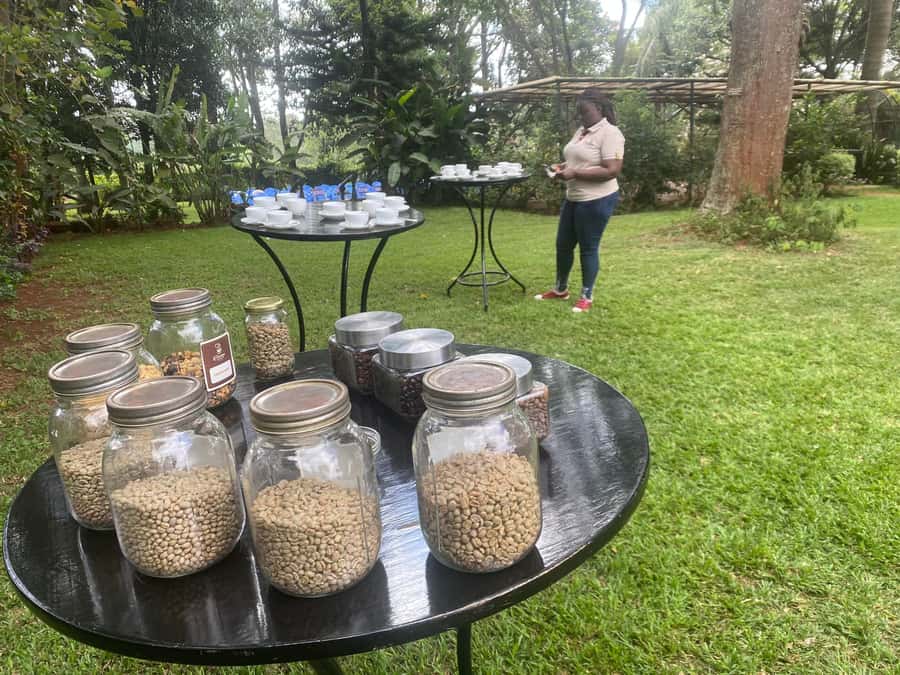
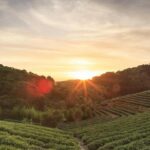
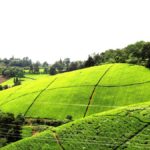
Fairview’s farm is in Limuru, Kiambu County, just outside Nairobi’s bustle. The estate is described as nearly 100 acres under coffee, and the irrigation comes from the Riara River, which is fed by streams from the Kenyan highlands.
That matters for your experience because coffee is picky. Water availability, consistent growing conditions, and fertile soil all affect plant health and cherry quality. When you’re shown the farm, it’s easier to understand why the coffee they produce is treated as premium.
You also get a sense of continuity. The farm has been operating since the 1900s, so you’re not touring something brand new and experimental. You’re seeing a working estate with established routines and know-how.
Pickup to the countryside: timing, comfort, and what to expect from the ride
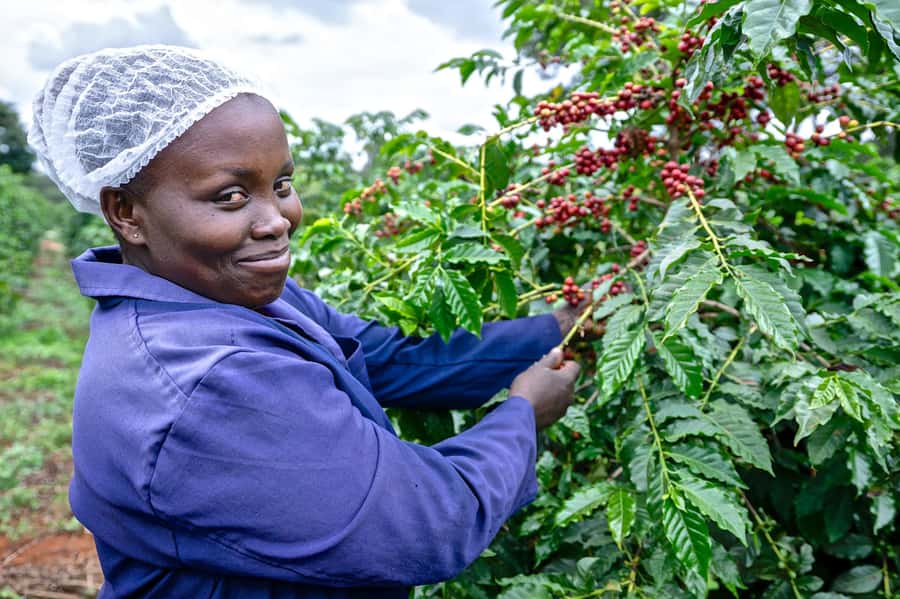
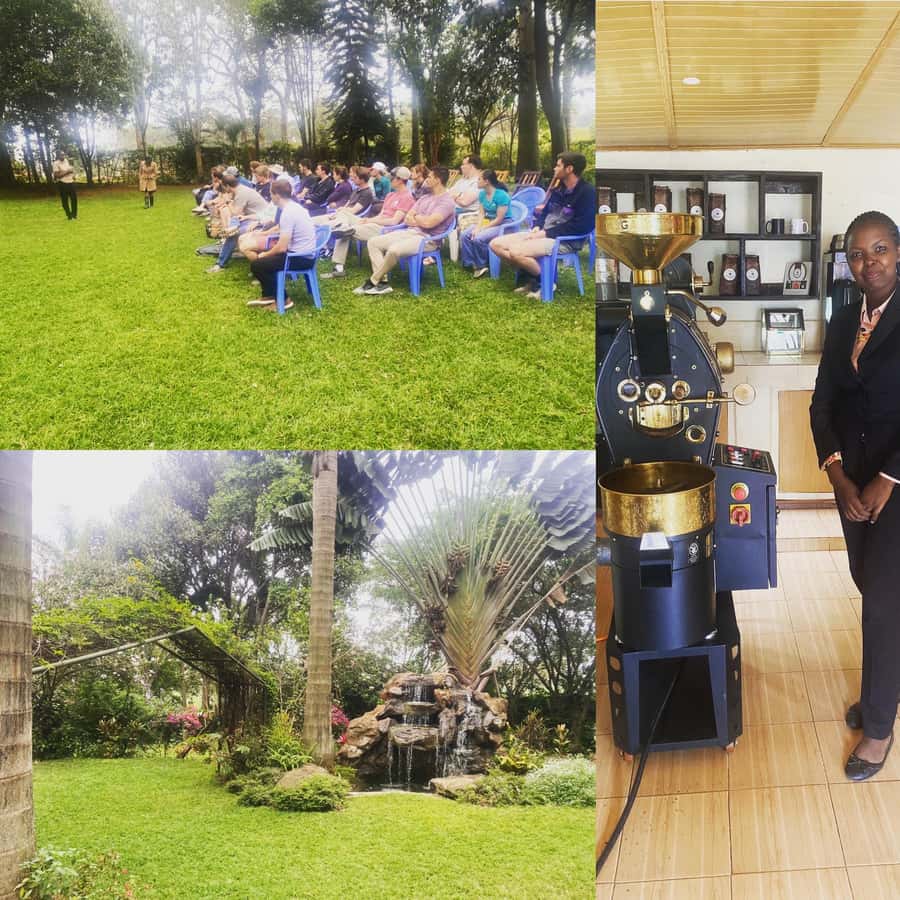
The tour runs about 4 hours total, with pickup and drop-off from a Nairobi city hotel. You’ll ride in a van for roughly 1 hour as you head to Kiambu County, then spend around 2 hours on the farm itself for the coffee tour and tasting.
That structure is practical. The long part of your day is the farm, not the transport. Still, you should treat the whole experience like a half-day outing and plan for a bit of driving.
Dress for the real world, not the brochure. You’re advised to bring warm clothing and hiking shoes, plus clothes that can get dirty. On a working farm, you may be walking on uneven ground, and coffee dust or soil can happen.
If you’re sensitive to temperature swings, bring a light layer you can add or remove. The farm area can feel cooler than central Nairobi, especially at times when your morning is early or your afternoon is breezy.
The farm walk: learning how coffee is grown (and what to notice)
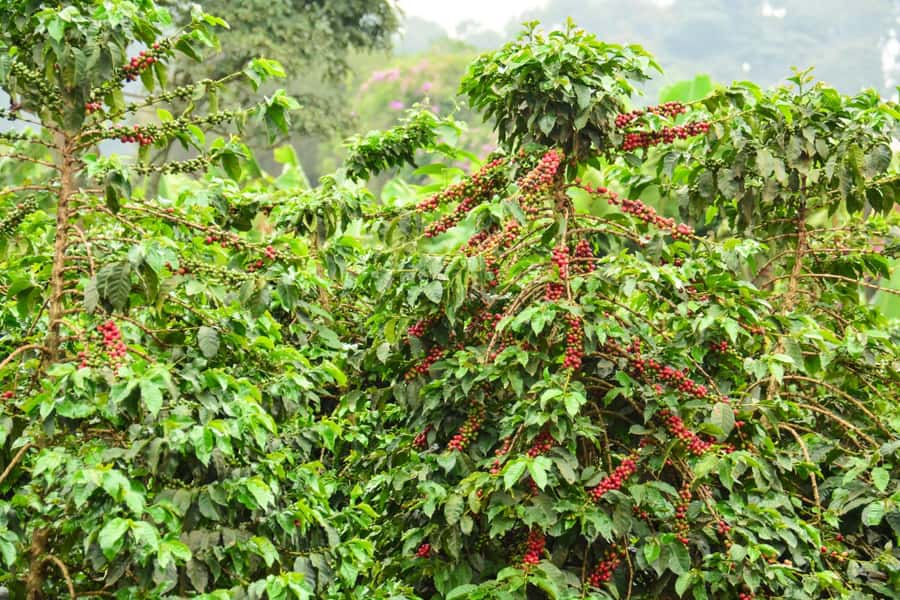
On the estate, you’ll focus on how coffee grows and how the production process works from start to finish. The tour is designed to explain the path from flowering stages through to the coffee-making steps that lead to the cup.
When you walk the rows, here’s what to pay attention to:
- Plant stages: you’ll get context for why coffee farming isn’t just “grow beans.” It’s an ongoing cycle tied to seasons and careful handling.
- Harvest logic: coffee cherries don’t all ripen the same way, so there’s a human element in sorting and picking.
- Estate conditions: the farm is irrigated, and that’s not a trivia point. It’s a reason farmers can grow and maintain healthy coffee plants.
The best part is that the tour doesn’t stop at big-picture explanations. You’ll be guided through the steps that connect farming to the final taste.
Guides such as Elvis and James are often highlighted for being warm, animated, and able to explain complicated steps in plain language. If you like asking questions, this is a tour where your questions actually make sense in the moment.
Coffee processing, roasting, and brewing: the steps that change what’s in your cup
The tasting isn’t random. It’s tied to what happens after the coffee is grown.
You’ll get a complete coffee processing and tasting experience, with time to understand the journey that turns cherries into roasted beans and then into brewed coffee. Even if you’re not a coffee nerd, you’ll quickly see why the process matters.
Here’s the practical takeaway: processing choices and roasting profiles affect aroma, acidity, body, and finish. So when you taste, you’re tasting more than a flavor. You’re tasting the farm’s choices and the processing path.
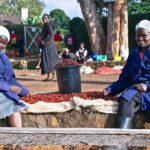
The tour is also structured to feel hands-on. Some past tours include interactive moments like picking cherries and testing picking quality, which turns the learning into a “you can feel it” experience rather than a lecture.
You’ll likely get explanations for stages like drying and roasting, and then you’ll connect those steps to what you experience during brewing and tasting.

Tasting Fairview brands: how to get more out of the cup

At least part of the joy here is that you don’t just sip one coffee and call it a day. The highlights say you’ll taste at least a couple of Fairview’s renowned brands, and that’s the smartest way to train your palate fast.
When you’re offered different coffees, try this simple approach:
- Smell first (aroma tells you a lot before taste).
- Sip small and focus on how the coffee feels in your mouth: light, medium, or heavy.
- Note the finish—does it fade quickly or linger?
Also, don’t underestimate the value of comparing. If you only taste one type, you don’t get a baseline. Multiple brands help you understand the range of flavors that coffee can express.
Buying beans to take home: turning a tour into a lasting memory
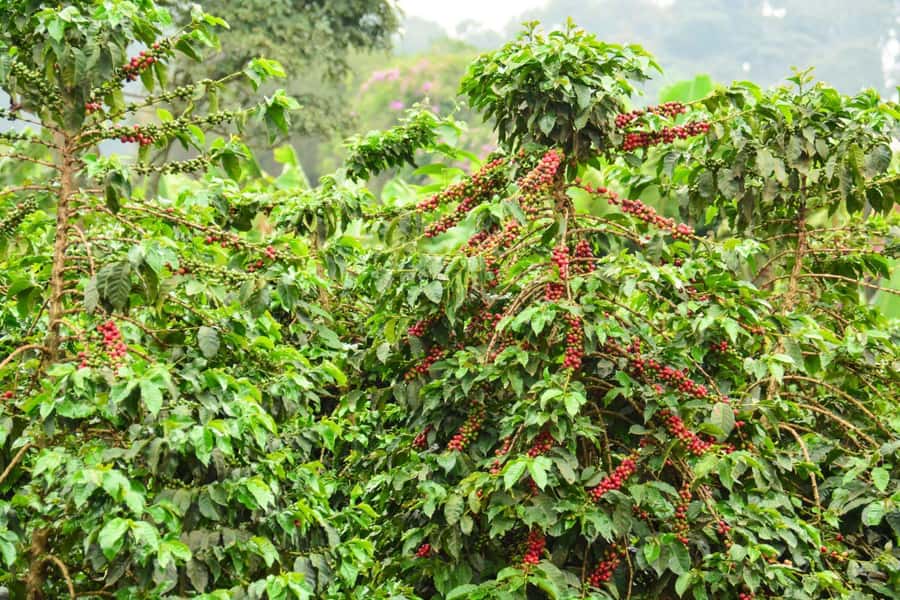
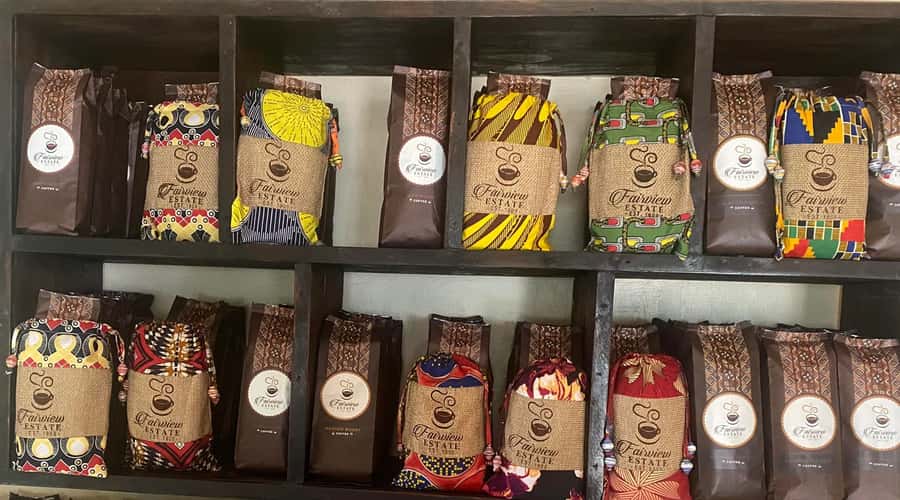
One of the included features is that ground/beans coffee is available to purchase at the end. That’s not just a retail add-on. It gives your day a practical “save it for later” ending.
If you buy beans, you can recreate the taste of the tour at home. That makes the learning stick, because you can connect what you tasted on site to what you brew later.
If you’re not sure what to buy, ask for guidance on how it should be brewed. You don’t need to be a barista. You just want beans that match your style—French press, drip, espresso, whatever you actually do at home.
Price and logistics: what $24 really means for your wallet
The headline price is $24 per person, and the tour lasts about 4 hours with pickup and drop-off from Nairobi city hotels. For a guided farm tour with tasting and transport, that’s solid value.
But you should budget for two “real life” points:
- Entry fees (listed as 30$) are not included in the base price.
- Food and snacks aren’t included, so plan a meal before or after.
Think of it this way: you’re paying for a guided education, a working farm visit, transport from Nairobi, and tasting. You’re not paying for lunch. That’s normal for many farm tours, but it affects how comfortable the day feels.
Also, water is provided in the vehicle, which helps. Still, bring your own snacks if you’re the type who gets hungry while walking.
Who this tour is best for (and who might want a different plan)
This tour is a great match if you:
- love coffee and want a bean-to-cup explanation
- want a quieter break from Nairobi’s city rhythm
- like learning with your feet on the ground, not just watching a video
It may be less satisfying if you:
- only want big-city sights and don’t care about how food is produced
- hate hands-on farm walks or don’t like outdoor conditions, even with guidance
- need a full day with a guaranteed meal included
If you’re traveling with someone who’s curious but not obsessed with coffee, this works well because the story covers both farming and the steps that shape flavor.
A note on guides, vibes, and the small timing surprises
In the best versions of this tour, guides bring a real warmth and farm pride. Names like Elvis and James show up for their ability to teach clearly and keep the pace friendly. There are also drivers noted for being polite and careful, including people like Douglas in the transfer side.
Still, I’d keep one practical expectation in mind: pickup timing can shift. There’s at least one account where the pickup location/time changed at short notice. So do yourself a favor and confirm details close to departure, and keep your schedule flexible.
Should you book the Nairobi Fairview Coffee Factory and Farm Tour?
I’d book it if you want a guided, structured coffee experience that goes beyond tasting and into how coffee is grown, processed, and brewed. You get the Limuru farm setting, a guided production walkthrough, Fairview tasting, and a convenient Nairobi pickup and drop-off for a reasonable price.
Skip it only if you need lunch included, you dislike outdoor walking, or coffee farming isn’t your thing. Otherwise, this is a smart use of a half day in Nairobi—especially if coffee is one of the things you’ll think about long after you leave Kenya.
FAQ
How long is the Nairobi Fairview coffee farm and tour with transfer?
The total experience runs about 4 hours, including pickup/transfer and a 2-hour guided coffee tour and tasting.
Where does the tour start and end?
Pickup and drop-off are available at Nairobi city hotels, with multiple neighborhood options including Kilimani, Syokimau, Lavington, Embakasi, Karen, Gigiri, Nairobi, Westlands, and Parklands.
What is included in the coffee tour?
You’ll get pickup and drop-off, a guided coffee tour (about 2 hours), coffee processing and tasting, and mineral water in the vehicle. Ground/beans coffee are available to purchase.
Is food included?
No. Food, snacks, and drinks are not included.
Are entry fees included?
Entry fees of 30$ are not included, based on the tour’s listed details.
What coffee experience do I get during the tasting?
You’ll do coffee processing and tasting and sample at least a couple of Fairview’s renowned brands.
What should I bring for the farm visit?
Bring warm clothing, hiking shoes, and clothes that can get dirty.
Is the tour wheelchair accessible, and is the guide in English?
Yes, it’s listed as wheelchair accessible, and the tour guide provides the experience in English.