REVIEW · NAIROBI
Coffee Farm Village & Factory Half Day Tour with Pick-Up
Book on Viator →Operated by Rustic Nature Tours · Bookable on Viator
Coffee farms around Nairobi change your map fast. This half-day tour takes you to Fairview Coffee Estate for a farm-to-cup look at Kenya’s coffee culture, plus a real cup at the end.
I like the step-by-step coffee process you’ll see, from farming to processing, and I like the smooth pickup-and-drop-off comfort—with drivers and guides such as Kelvin, Mary, Faith, Liz (Elizabeth), and James often highlighted for safe, friendly service. One consideration: the day depends on good weather, and tips are not included, so plan for both.
In This Review
- Key things to know before you go
- Coffee Farm Village & Factory Tour: Why This Half Day Works
- Fairview Coffee Estate: What You’ll See and Learn
- The Coffee Tasting: Turning a Cup into a Story
- Pickup, Timing, and Getting There Without Stress
- What You Pay (and What You’ll Need to Budget)
- Who This Tour Suits Best
- Guide and Driver Service: The Details That Matter
- Book This or Skip It? My Practical Advice
- FAQ
- How long is the Coffee Farm Village & Factory tour?
- Where is the tour located?
- Does the tour include pickup and drop-off?
- Is this a private tour?
- What’s included in the price?
- Is coffee tasting included?
- What’s not included?
- Is there a weather requirement?
- What is the cancellation policy?
- How far in advance should I book?
Key things to know before you go
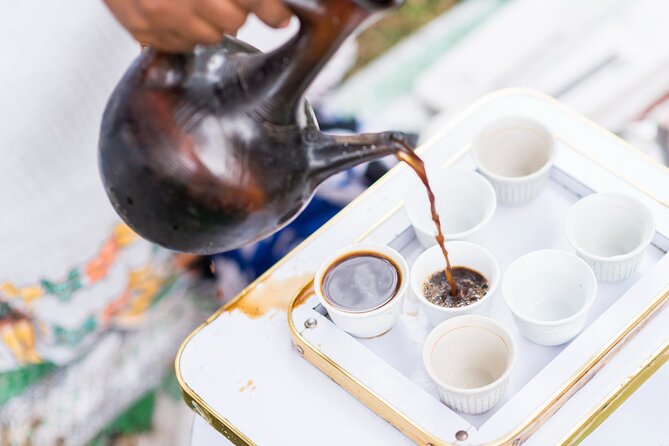
- Farm-to-cup, not just a quick walk: you’ll follow how coffee moves from the field to the cup.
- Hotel pickup and private car: door-to-door convenience keeps your half day from feeling rushed.
- A real Kenyan coffee tasting: you’ll sample freshly brewed Kenyan coffee during the visit.
- Short total time: the estate visit runs around 3 hours, with travel time bringing it to roughly 4–5 hours overall.
- Private tour setup: it’s only your group, so it feels more relaxed than big, mixed tours.
- Weather matters: it’s scheduled with good conditions in mind.
Coffee Farm Village & Factory Tour: Why This Half Day Works
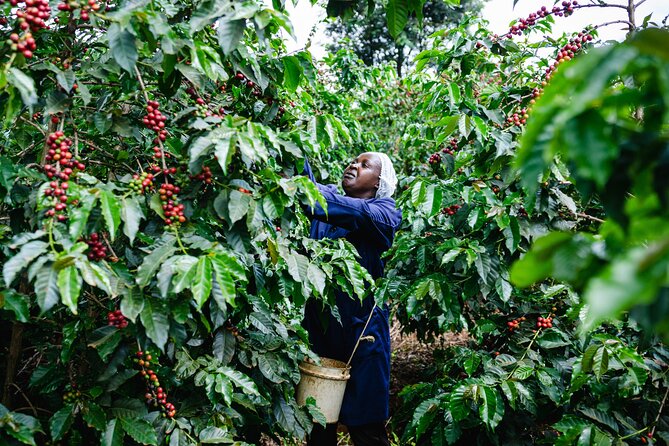
If you’re staying in Nairobi and want a break from traffic and concrete, this kind of coffee farm tour is a smart move. Kenya is famous for its coffee, but it’s easy to forget that your morning cup starts with people, plots of land, and a chain of steps that turns cherries into drinkable beans. This tour gives you the full farm-to-cup story in a timeframe that actually fits a busy day.
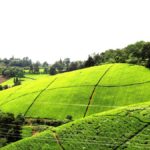
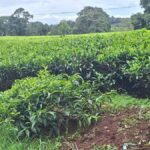
I also like that it’s not trying to sell you a souvenir version of farming. You’re visiting a functioning estate setting just outside Nairobi, in a green countryside environment where the air feels different from the city. That change in pace matters, because it helps the learning stick. You’re not just hearing about agriculture—you’re seeing the place where it happens.
The other reason this half-day format works: you’re not committing to a long day out in the field. The estate stop is about 3 hours, then you’re back with pickup and drop-off handled for you. If you’re the type of traveler who wants one good activity and still wants time for Nairobi afterward, this hits that sweet spot.
You can also read our reviews of more tours and experiences in Nairobi.

Fairview Coffee Estate: What You’ll See and Learn
The center of the experience is the Fairview Coffee Estate visit, designed as a farm-to-cup production tour. Expect a guided walkthrough that connects farming practices to how coffee is processed, then ties it to what you’ll finally taste.
Here’s what that usually means on the ground:
You’ll start with coffee farming—how growers manage the crop and what the estate focuses on during production. You should leave with a clearer sense that coffee isn’t a single step. It’s a sequence: growing, harvesting, processing, and then preparing beans for drinking.
Then you’ll move into the production side—how the coffee goes from harvested fruit to processed coffee. Even if you’ve never looked closely at coffee production before, the guide is there to connect what you’re seeing to what it affects in your cup. One reason people rate this tour so highly is that the guides tend to make the steps understandable and easy to follow without turning it into a lecture.
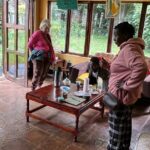
And yes, you’ll sample coffee. That tasting is the payoff. After you’ve walked through how the coffee is handled, you get to connect the process to flavor. It’s also a good moment to ask questions, because your guide can explain what might be contributing to what you’re tasting.
A small practical note: the itinerary mentions an admission ticket line, while the included section says entrance fees are covered. To avoid any surprise, confirm at booking whether any specific tasting lab item is ever charged separately. I’d rather you check once than end up paying twice.
The Coffee Tasting: Turning a Cup into a Story
A good coffee tasting should do two things: let you taste something fresh, and help you understand why it tastes the way it does. This tour is built around that idea. The experience is framed as learning the journey coffee takes before it reaches your cup, and the sampling happens after you’ve seen the production steps.
In practice, that means the tasting isn’t random. It follows the guided walk through the farm estate and processing path. You’ll get a better sense of coffee as an agriculture product, not just a beverage. And because it’s Kenyan coffee, you’re tasting in a context that matches the place it comes from.
One thing I’d watch for: tasting setups. There was at least one suggestion about having separate sampling bowls for each person in the lab. If you’re picky about hygiene or prefer your own individual sample container, it’s totally reasonable to ask the guide on arrival how the sampling works for the group.
If you love coffee, this section is where the tour earns its keep. You’ll leave with a stronger mental map of what you like in coffee and how production choices might affect it.
Pickup, Timing, and Getting There Without Stress
The tour runs about 4 to 5 hours total, which is a key part of its value. You’re doing roughly 3 hours on the estate itself, with the rest of your time spent on travel and pickup/drop-off.
This matters because Nairobi traffic can steal hours. With pickup and drop-off included, you don’t waste your half day trying to figure out logistics. You also travel in a private car, not a crowded shared vehicle. For many people, that’s the difference between a good half-day excursion and a tiring one.
The private transport also makes the tour easier to fit into your schedule. You can plan it on a lighter day, knowing you’ll be returned to your hotel/residence. It’s also listed as a private tour/activity, so it’s your group only. That generally means fewer interruptions and more time for questions.
Group discounts are mentioned too. If you’re traveling with friends, you might get a better per-person deal by booking together. Even when it’s private, it can still be good value when the math works for your group size.
One scheduling consideration: confirmation is received at booking time, but the tour requires good weather. If conditions are poor, the operator should offer a different date or a full refund. So if you’re planning a tight itinerary, keep a bit of flexibility.
What You Pay (and What You’ll Need to Budget)
At $95 per person, this tour isn’t the cheapest activity in Nairobi—but it isn’t trying to be either. The pricing is closer to a well-supported half-day experience: pickup and drop-off, entrance fees, a professional guide, and private transportation.
Here’s what’s included:
- Pick up and drop off at your hotel/residence
- All entrance fees
- Professional guide
- Private transportation in a private car
And here’s what’s not included:
- Tips & gratuities
So the real extra cost is tips. If you’re used to tipping in Kenya, this won’t be a surprise. If you’re new, it’s still easy to handle: just set aside a reasonable tip for the people who supported you—driver and guide.
One thing I’d do before going: verify the admission/ticket note tied to the estate visit. The tour’s included items suggest entrance fees are covered, but the itinerary line references an admission ticket not included. That mismatch is small enough to clarify quickly, and it’s worth a minute of confirmation.




Who This Tour Suits Best
This is a great fit if you want something that feels both educational and practical, without requiring an all-day commitment. It’s especially good for:
- Coffee lovers who want more than a basic tasting
- People who like seeing how products are made
- Travelers interested in how agriculture supports local economies
- First-timers in Nairobi who want a countryside break
It may not be ideal if you want a slow, long nature hike or if you prefer activities with no active walking at all. The tour includes an estate visit with guided movement through the property and production areas, so you’ll likely be on your feet more than you would in a museum.
Still, it’s labeled as a tour where most people can participate, which suggests the pace and access are built for a wide range of visitors.
If you’re traveling with kids, it can work well if they’re curious about how things are grown and processed—but you’ll want to be prepared for a learning-focused experience rather than a playground stop.
Guide and Driver Service: The Details That Matter
What really drives the ratings here is the people running the experience. The names you’ll hear mentioned include guides such as Elizabeth (often referred to as Liz), Faith, and James, and drivers like Kelvin, Mary, and Calvin.
Here’s why that kind of service makes a real difference:
- A good guide helps you connect steps you see on the estate to what happens in the cup.
- A careful driver makes the pickup and return feel safe and easy, which is especially important when you’re leaving the city for a few hours.
- A friendly, humor-friendly guide can keep the tone light even when you’re learning a process with multiple steps.
You’ll also notice that the tour is structured as a private experience, which tends to help with questions and pacing. If you’re the type who likes to ask why something is done a certain way, this is the sort of tour that usually rewards that habit.
Book This or Skip It? My Practical Advice
Book this tour if:
- You like coffee and want the farm-to-cup story, not just a quick taste
- You want a half-day break from Nairobi with easy logistics
- You’d rather be picked up and dropped off than manage transport on your own
- You can travel on a day with decent weather (since the tour requires good conditions)
Skip or reconsider if:
- Your schedule is locked in and you can’t handle weather-related changes
- You only want a tiny taste and don’t care about the farming/processing steps
- You dislike any activity that involves a guided walk through production areas (even if it’s not presented as extreme)
If you book, do one simple thing: confirm how tasting is handled and double-check the note about any admission ticket versus included entrance fees. Then you can focus on what matters—learning the journey of Kenyan coffee and leaving with a better idea of what you’re actually drinking.
FAQ
How long is the Coffee Farm Village & Factory tour?
It’s listed as about 4 to 5 hours total. The main estate visit (Fairview Coffee Estate) is noted as about 3 hours.
Where is the tour located?
It takes place around Nairobi, Kenya, at a coffee estate just outside the city.
Does the tour include pickup and drop-off?
Yes. Pickup and drop-off at your hotel or residence are included.
Is this a private tour?
Yes. It’s described as private, so only your group participates.
What’s included in the price?
Included items are pickup and drop-off, all entrance fees, a professional guide, and private transportation in a private car.
Is coffee tasting included?
The experience description says you’ll sample freshly brewed Kenyan coffee during the farm-to-cup visit.
What’s not included?
Tips and gratuities are not included.
Is there a weather requirement?
Yes. The experience requires good weather. If it’s canceled due to poor weather, you’ll be offered a different date or a full refund.
What is the cancellation policy?
Free cancellation is available up to 24 hours in advance for a full refund. If you cancel less than 24 hours before the start time, the amount paid is not refunded.
How far in advance should I book?
On average, this tour is booked about 22 days in advance, so planning a couple of weeks ahead is a good idea.