REVIEW · LUANG PRABANG
Luang Prabang: Bamboo Forest Cooking-class & Farm Visit
Book on GetYourGuide →Operated by Laos SPIRIT · Bookable on GetYourGuide
That bamboo turns into utensils is the surprise. This Luang Prabang experience mixes Khmu cooking skills with forest plant foraging, so you’re not just following a recipe.
I like that the day is hands-on and grounded in daily life, from choosing ingredients on a real farm to learning what’s edible and medicinal in the woods. I also like that you take home the bamboo cup and chopsticks you make yourself, which feels meaningful (not like another night-market trinket). One consideration: it’s a genuine forest day, so you’ll want to be comfortable walking, crouching, and spending time outdoors even when insects and uneven ground are part of the deal.
The best way to think about it: this isn’t a studio cooking class. It’s a short cultural field course where food is the lesson, and the forest is the classroom.
In This Review
- Khmu Bamboo Cooking in Luang Prabang: What Makes This Day Work
- From Notre Showroom to the Vegetable Farm: Picking Today’s Ingredients
- Foraging Edible and Medicinal Plants Like a Local
- Cutting Bamboo and Making Your Own Utensils
- Cooking Rice, Grilling Meat or Fish, and Serving Khmu-Style
- Lunch in the Forest: Enjoying the Meal You Made
- Price and Value: Is $100 Worth a 6-Hour Bamboo Day?
- What to Bring for a Forest Day in Luang Prabang
- Who This Khmu Bamboo Cooking Class Suits Best
- Optional Craft Village Stop on the Way Home
- Should You Book This Bamboo Forest Cooking Class?
- FAQ
- How long is the Luang Prabang Bamboo Forest Cooking-class & Farm Visit?
- Where do we meet?
- Is hotel pickup and drop-off included?
- What does the price include?
- Do they accommodate dietary preferences or restrictions?
- Is this a large group tour?
- What should I bring for the forest part of the day?
- Are there multiple languages available?
Khmu Bamboo Cooking in Luang Prabang: What Makes This Day Work
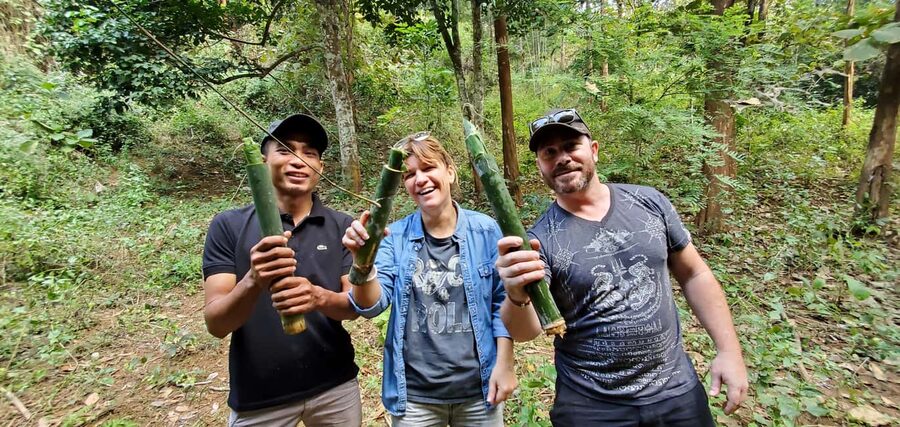
This class runs about 6 hours in Luang Prabang, timed for a morning start and lunch in the forest (roughly 9 AM to 3 PM). You’ll go from hotel transfer to a morning farm visit, then into the primary forest for bamboo tools, cooking techniques, and a meal served in a way that matches what Khmu families do at home.
What you get for the price is not just a plate of food. It’s a skill set—how to find ingredients, how to prepare them, and how to cook without modern gear. That matters in Laos, where so much daily knowledge lives in small routines: what grows nearby, what’s safe to eat, and how to use what you can find.
From Notre Showroom to the Vegetable Farm: Picking Today’s Ingredients
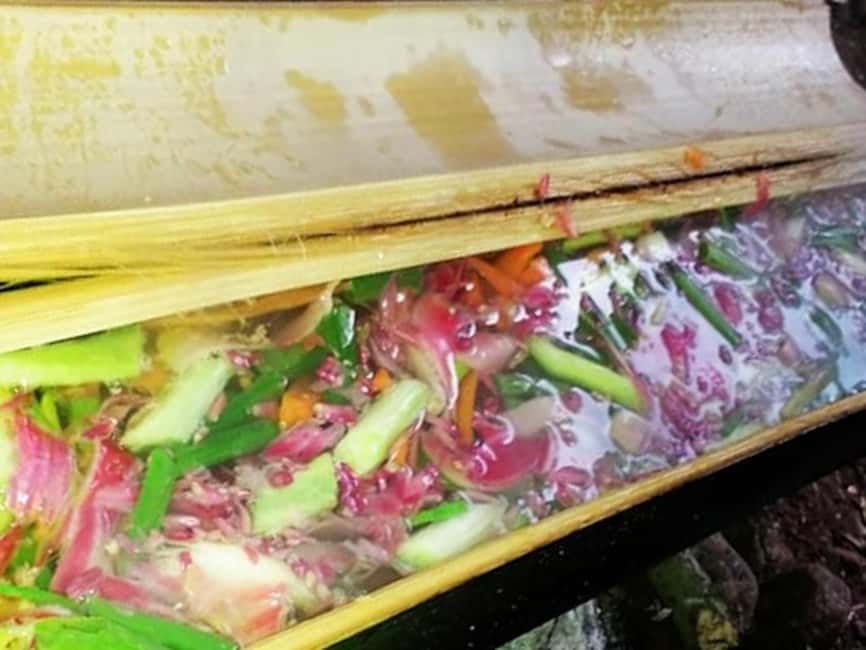
Your day starts with pickup and transfer from your hotel, with the meeting point listed as Notre showroom. Once you’re with your small group (limited to 10 people), you head to an authentic vegetable farm.
This part is more than a photo stop. You’re there to collect the plants and vegetables used for your meal. Your Khmu guide explains what you’re looking at and how people in their villages choose ingredients in a practical way—what matters most, what’s worth picking, and how plants get used in everyday cooking.
Why this is valuable: if you’ve only ever seen Lao food as dishes on a menu, the farm visit gives you the ingredients’ backstory. You start to connect the flavors to actual plants, not just packaged seasonings.
A small drawback to consider: farm picking is active. Even if the pace stays friendly, you should expect some walking and bending, especially if the area has uneven paths.
You can also read our reviews of more tours and experiences in Luang Prabang.
Foraging Edible and Medicinal Plants Like a Local
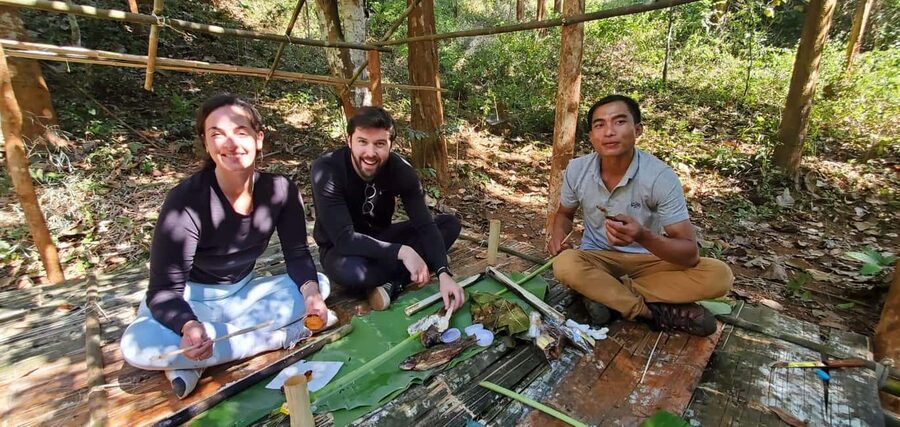
After the farm, you move into the primary forest. This is where the experience turns from cooking class into cultural practice.
You’ll learn how to identify edible and medicinal plants commonly used in Khmu village life. In simple terms, you’re being trained to notice the details that locals notice: what parts of a plant are used, what makes one plant safe while another is not, and how people think about everyday remedies.
This section is one of the most praised parts of the day, because it gives you a real sense of how survival knowledge becomes food and health knowledge. One guide in the experience, Peng, is highlighted as a standout—people remember him as an especially engaging source of information, with the confidence you want when you’re learning about wild plants.
Practical note: because this is real outdoors learning, you should plan to move slowly and watch your footing. You’ll get more out of the lesson when you’re steady and not rushing.
Cutting Bamboo and Making Your Own Utensils
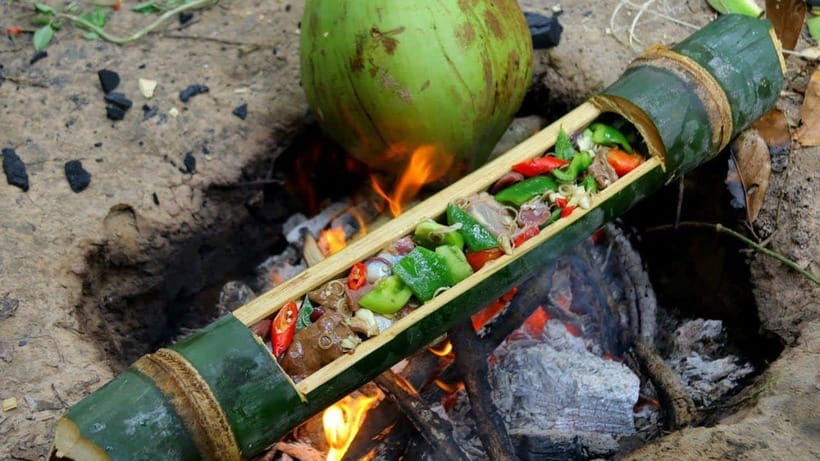
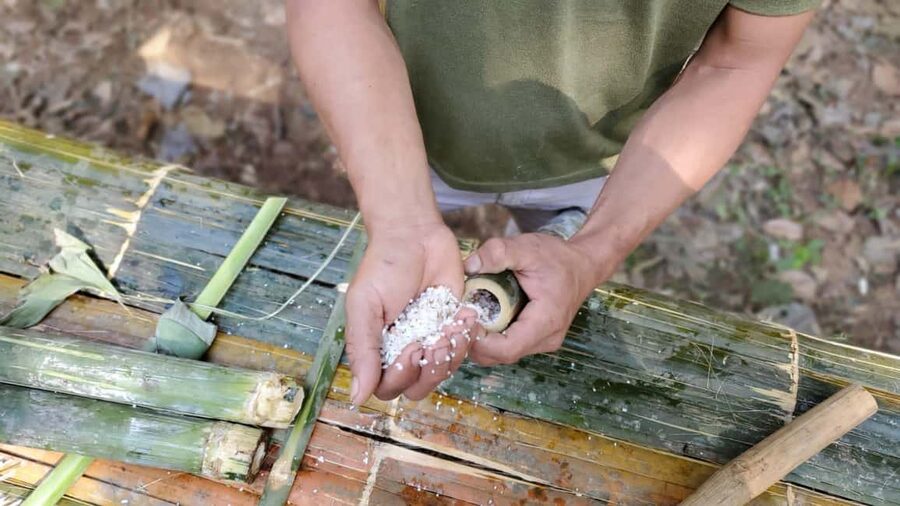
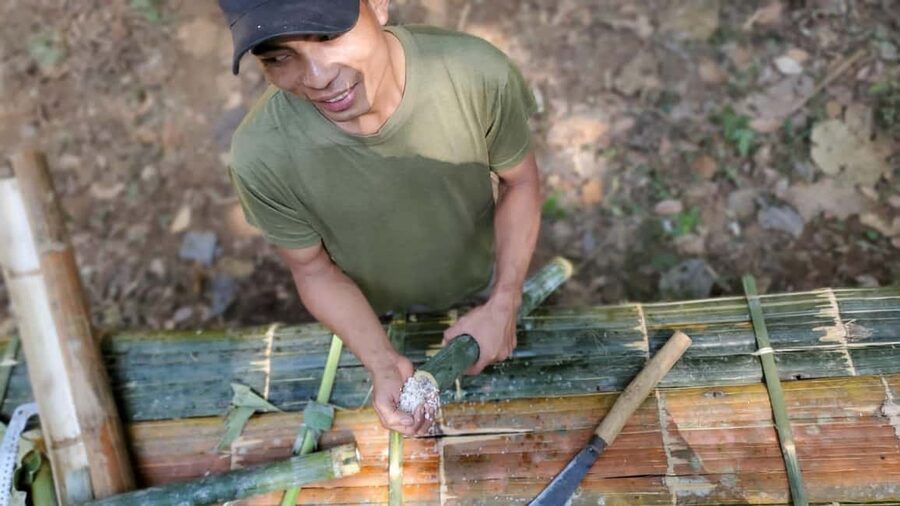
Now you get to the thing people talk about the most: making your cooking tools from natural materials. Using bamboo, you’ll learn how to select and prepare bamboo, then create utensils for drinking and eating—and use bamboo in the cooking process.
I like this approach because it forces you to understand the tool, not just the technique. Bamboo isn’t just a prop here. It’s part of why the food tastes the way it does and why the cooking method works in the forest.
In the experience format, you can expect:
- Learning how bamboo is prepared for use
- Creating a bamboo cup and chopsticks you take home
- Using bamboo in how the meal is cooked and served
One of the best parts: you don’t just watch your guide do it. You’ll be making your own items, and that’s why the take-home pieces feel more like a craft you earned than a souvenir you bought.
Cooking Rice, Grilling Meat or Fish, and Serving Khmu-Style
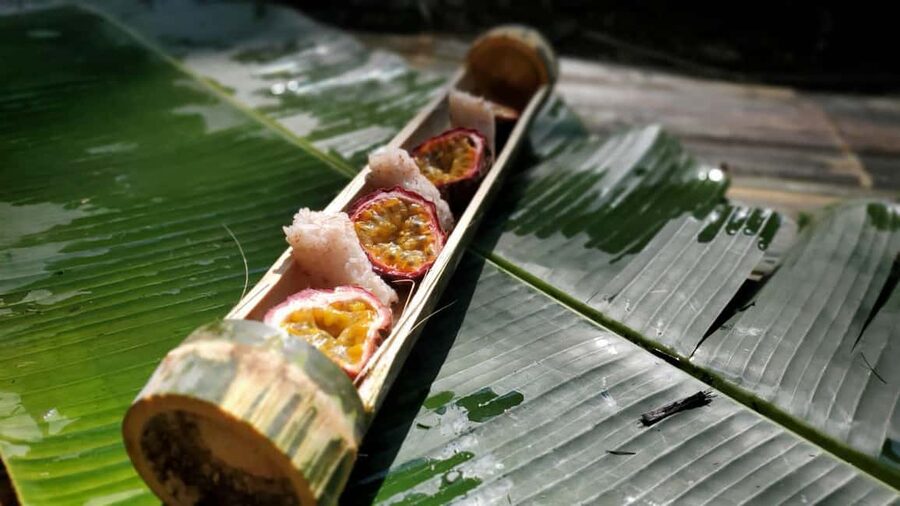
Lunch is in the forest, and the meal is built around traditional wild-cooking methods. You’ll learn how to cook fragrant rice using bamboo, and how to grill meat or fish as part of the same style of cooking.
There’s something satisfying about learning the full loop:
- pick ingredients,
- prepare bamboo tools,
- cook with a method tied to local life,
- eat where the process happened.
That’s the main reason this experience feels different from a typical class. The meal isn’t waiting for you in a prepared kitchen. You cook, then you eat, in the same natural setting.
You’ll also see how dishes are presented in the Khmu way—simple, practical, and designed for sharing. If you care about food culture, this matters. Presentation is part of how people relate to each other at the table, not just something for Instagram.
What’s included helps you focus: basic ingredients like rice, meat, fish, fruits, and drinking water are provided. If you have dietary preferences or restrictions, let the team know ahead of time so they can tailor the experience to you.
Lunch in the Forest: Enjoying the Meal You Made
Eating in the forest is a big part of the point. You’re surrounded by nature, and the atmosphere is calmer than a restaurant meal because the day’s pace is slower and more physical. It’s also the moment where your learning clicks into taste.
This is the time to ask questions that come up while you’re eating: why one ingredient was chosen, how the bamboo method changes texture, or how medicinal plants tie into daily village use. If you’re the type who likes to understand what’s behind a flavor, this is when you’ll get the most from your guide.
A practical consideration: forest lunch means being comfortable with outdoors conditions—bugs, humidity, and cool shadows can all shift quickly. That’s why what you wear matters.
Price and Value: Is $100 Worth a 6-Hour Bamboo Day?
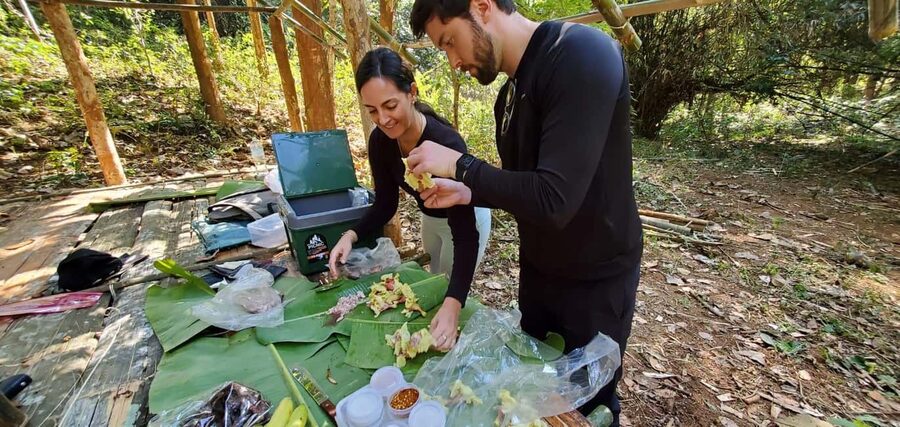
At $100 per person for a 6-hour experience, you’re paying for several things at once: guided plant learning, bamboo crafting, cooking instruction, and a full meal. You’re also getting hotel transfers included and take-home bamboo items (a bamboo cup and chopsticks).
So what makes this feel like good value?
- Hands-on skills you can’t easily replicate at home (foraging identification basics and bamboo cooking tools)
- Included ingredients so you’re not juggling extra food costs on top
- A small group (10 max), which helps you actually interact with your guide
- Take-home craft that’s tied to the day, not just purchased hardware
You should treat it like a cultural workshop, not like an activity you can compare to a ticketed museum. If you enjoy learning by doing and you like food culture, this price structure makes sense.
If you’re mainly chasing a quick, comfortable meal with minimal effort, the forest portion may feel like more work than you want.
What to Bring for a Forest Day in Luang Prabang
This day asks for basic outdoors readiness. The tour recommends long trousers/pants, suitable footwear for forest walking, mosquito spray, and a cap or hat. Also bring any essential personal items such as medication.
Here’s how I’d pack based on how the day actually feels:
- Wear long pants to handle brushing plants and minimize bites.
- Use sturdy, closed shoes with grip. You’ll be walking and moving around.
- Bring mosquito spray you trust and a hat you’ll actually keep on.
- If you get cold easily in shade, consider a light layer.
- Bring a small personal water bottle only if you like extra hydration, even though drinking water is included.
One more tip: if your phone matters to you for photos, keep it secure. Bamboo prep and forest time can mean splashes and dirt.
Who This Khmu Bamboo Cooking Class Suits Best
This experience fits best if you like:
- hands-on cooking
- plant knowledge and outdoors learning
- food culture that’s practical, not staged
- small-group days where you can ask questions
It’s also a good option if you want a “do something” day in Luang Prabang that doesn’t rely on markets or temples. The farm-and-forest flow gives your trip a different rhythm.
Who might hesitate? If you hate uneven ground, don’t handle insects well, or want minimal physical activity, you may find the forest part challenging. You can still enjoy the cooking, but the day is designed for active participation.
Optional Craft Village Stop on the Way Home
On the ride back, there’s an optional stop at the craft village. This is the kind of add-on that can work well if you want a little extra context for local making and materials.
If you prefer to keep the day strictly focused on the forest cooking, you can also skip that stop and head straight back after lunch (assuming the plan for your group allows it).
Should You Book This Bamboo Forest Cooking Class?
Book it if you want a Luang Prabang day that feels like a real skill lesson, not a scripted show. The strongest reasons are the bamboo utensil making, the foraging and plant identification element, and the fact that lunch is cooked and eaten where you learned the method.
Skip or reconsider if you need a very low-effort experience, or if the idea of spending hours outdoors in a forest makes you uncomfortable.
If you fit the first group, this is exactly the kind of activity that turns food from something you consume into something you understand—and it ends with take-home bamboo craft you’ll actually remember.
FAQ
How long is the Luang Prabang Bamboo Forest Cooking-class & Farm Visit?
The experience lasts about 6 hours, running roughly from 9 AM to 3 PM.
Where do we meet?
The meeting point is Notre showroom.
Is hotel pickup and drop-off included?
Yes. Transfer to and from your hotel is included.
What does the price include?
Included features are the guided experience (English/French/Lao speaking), tax and entrance fees, all meal ingredients (rice, meat, fish, fruits, and drinking water), and the bamboo items you make to take home (bamboo cup and chopsticks).
Do they accommodate dietary preferences or restrictions?
Yes. You’re asked to let the team know your dietary preferences or restrictions so they can tailor the experience.
Is this a large group tour?
No. It’s a small group limited to 10 participants.
What should I bring for the forest part of the day?
Wear long trousers/pants and suitable footwear for walking in the forest, and bring mosquito spray. A cap or hat is also recommended, along with any essential personal items like medication.
Are there multiple languages available?
Yes. The guide can speak English, French, and Lao (and Thai is also listed).