REVIEW · NAGANO
Wasabi Farm Walking Tour & Lunch
Book on Viator →Operated by Welcome Matsumoto · Bookable on Viator
Wasabi gets real when you see it grown. This Daio Wasabi Farm walking tour in Nagano pairs a private guide for your group with a wasabi-forward lunch, so you’re not just looking at plants. One thing to plan for: in peak season, lunch seating can run behind schedule and you may wait to enter the restaurant.
I like how the pacing stays relaxed. You get about two hours on the grounds, guided commentary in English, and a meal that helps you understand wasabi beyond sushi-shop stereotypes.
Because this is outdoors, weather matters. The experience is stated as requiring good weather, so keep a backup day in mind if you’re in Nagano during unsettled weeks.
In This Review
- Key highlights at Daio Wasabi Farm
- Wasabi Farm in Nagano: the real reason this tour is fun
- Price and time: is $70.94 per person good value?
- Arriving at Daio Wasabi Farm: what to know before you go
- The farm walk at Daio Wasabi Farm: fields plus context
- English guide experience: why the commentary matters
- Lunch with Shinshu soba and miso: the wasabi taste test
- Wasabi ice cream: included in spirit, confirm on the fine print
- Timing and getting the most out of the 10:30 am start
- Who this tour suits best (and who might not love it)
- Quick practical checklist before you book
- Should you book the Wasabi Farm Walking Tour & Lunch?
- FAQ
- Where does the tour start and end?
- What time does the tour run?
- Is there an English-speaking guide?
- What’s included in the lunch?
- Can the tour accommodate vegetarian or vegan guests?
- How big is the group?
- Is wasabi ice cream included?
Key highlights at Daio Wasabi Farm
- Private English-speaking guide (your group size stays small, with a maximum of 12 travelers)
- Daio Wasabi Farm on the base of the Japanese Alps, established in 1915
- Lunch built around Shinshu flavors, including Shinshu soba and Shinshu miso with wasabi
- Fresh wasabi taste focus, including freshly grated wasabi with noodles at lunch
- Wasabi ice cream tasting is part of the experience story, but do double-check inclusion wording for your date
Wasabi Farm in Nagano: the real reason this tour is fun
Nagano is famous for mountains, temples, and long-food memories. This tour adds something different: a close-up look at how wasabi fits into Japanese life, not just as a green dollop on a plate.
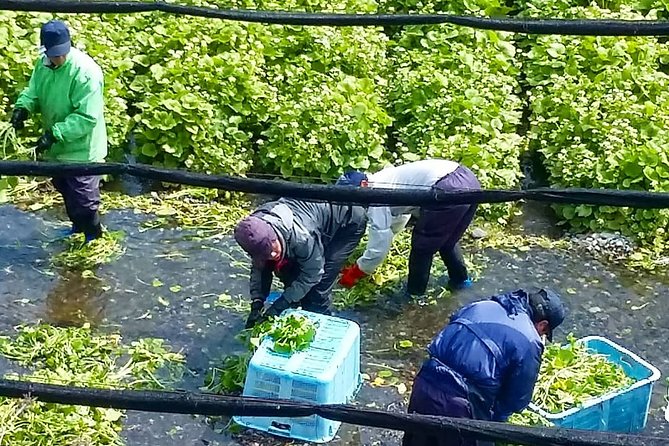
You’ll walk the farm with a guide who explains what you’re seeing and how wasabi is cultivated and produced here. That matters, because wasabi is easy to treat like a gimmick. On this tour, it turns into a crop with context—what it’s used for, where it comes from, and why the locals care.
Two details I’d bet you’ll appreciate. First, the guiding is built for comprehension, not just narration. People often rave about specific guides by name—Akiko, Naomi, Tom, Tim, and Carole—so you’re likely to get both clear English and helpful direction on what to notice. Second, you don’t leave with empty stomach syndrome. The lunch is designed around Shinshu flavors and wasabi, so you can connect the taste to the walk.
The one drawback is mostly timing. If you’re traveling in a busy week, lunch reservations can be delayed due to volume at the farm. It’s not a deal-breaker, but it can affect your day flow.
Price and time: is $70.94 per person good value?
For $70.94 per person, you’re paying for three things that add up quickly on your own: a guided experience, farm access, and lunch. The farm entry is free of charge as part of what you book, so your money is mostly going toward the guide, the structured visit, and the meal.
Time-wise, you’re looking at around two hours total. Stop durations are listed as about one hour each, which is a comfortable pace: enough time to walk, enough time to listen, and enough time to eat without feeling rushed to the next train.
Group size is another value clue. The experience caps at 12 travelers, and it’s described as private for your group. That combination usually means more questions, less awkward silence, and fewer moments where you’re straining to hear across a crowd.
If you’re the type who hates pricey tours that feel like a drive-by photo stop, this one is closer to the opposite. It’s built around being present at the farm and then eating wasabi in a way that matches the region’s food culture.
Arriving at Daio Wasabi Farm: what to know before you go
The meeting point and end point are both Daio Wasabi Farm in Hotaka, Azumino, Nagano (399-8303). Start time is 10:30 am, and your tour ends back at the farm.
It’s listed as near public transportation, which is helpful if you prefer not to rely entirely on taxis. Still, one review notes that getting out to the area can be tricky, so I’d plan your route ahead of time rather than assuming you can hop on a simple connection at the last minute.
Bring normal walking basics. This is a farm walk, not a museum stroll. Comfortable shoes help a lot, especially if the path gets damp. If you’re visiting in hot weather, light layers and water are smart, even though the tour includes a meal and some wasabi tastes.
Finally, keep an eye on the day’s weather. The experience says it requires good weather, and if it’s canceled for weather reasons you’re offered a different date or a full refund.
The farm walk at Daio Wasabi Farm: fields plus context
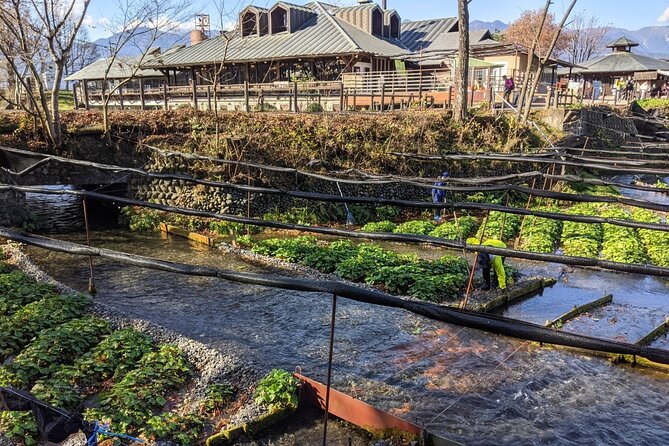
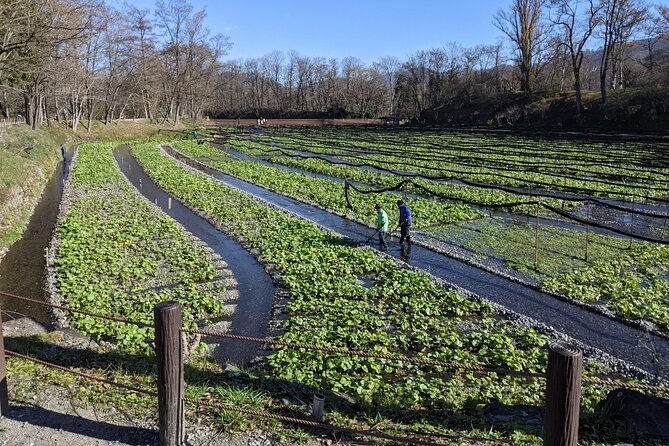
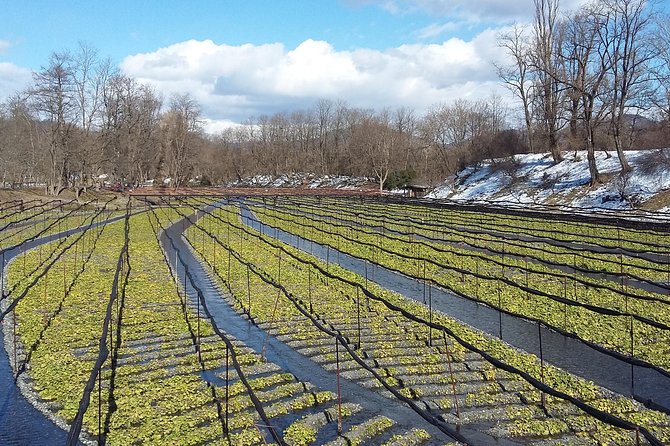
Daio Wasabi Farm sits at the base of the Japanese Alps, and the tour is framed as a way to see wasabi fields up close. You’ll spend about an hour walking through the grounds while your guide connects the farm to wasabi’s wider role in Japanese cuisine.
Daio Wasabi Farm is established in 1915, which gives your visit a sense of roots. That date isn’t just trivia. It’s the kind of detail that helps you understand why people treat wasabi growing as more than a novelty crop.
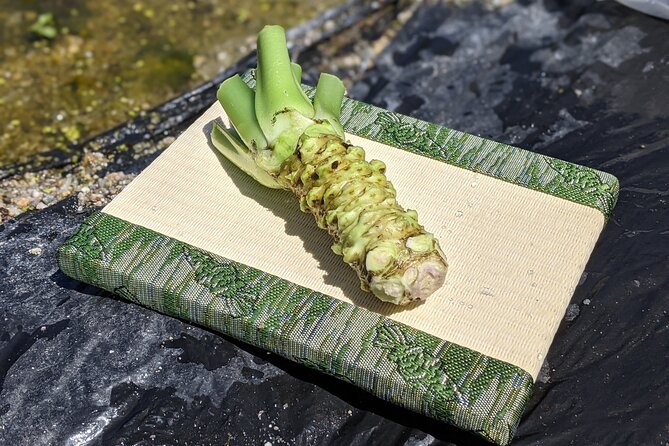
You’ll also learn about the history and versatility of wasabi—especially how it’s used as an accompaniment to Japanese cuisine like sushi. What I like here is that the tour doesn’t stop at the plant. It aims to connect what you see to what you’ll taste later, so the walk feels purposeful.
One practical note: a farm can be photo-friendly but also information-heavy. If you want the most from the time, listen for the specifics your guide emphasizes—what makes this farm’s setup special, what you’re looking at when you see different plant areas, and what role the farm plays in how wasabi reaches the plate.
English guide experience: why the commentary matters
This tour is explicitly guided by an English-speaking guide, and that’s not just a comfort perk. It changes how you experience the farm.
You can probably read a few signs on your own, but wasabi farming details and Japanese food traditions are where translation and explanation shine. Several guide names show up in positive feedback—Akiko, Naomi, Tom, Tim, and Carole—suggesting that the operator takes guiding quality seriously.
From the way the experience is described and from recurring themes in feedback, guides tend to do two things well:
- Explain what you’re seeing on the farm in a way that makes sense in English
- Help you connect farm production to the flavors you’ll get at lunch
One useful extra: your guide may also translate or summarize parts of the farm museum, which is mostly in Japanese. That can turn an otherwise quiet room into a useful stop, instead of just a place to take a photo.
For me, this is the difference between visiting a farm and really learning something during your limited vacation hours.
Lunch with Shinshu soba and miso: the wasabi taste test
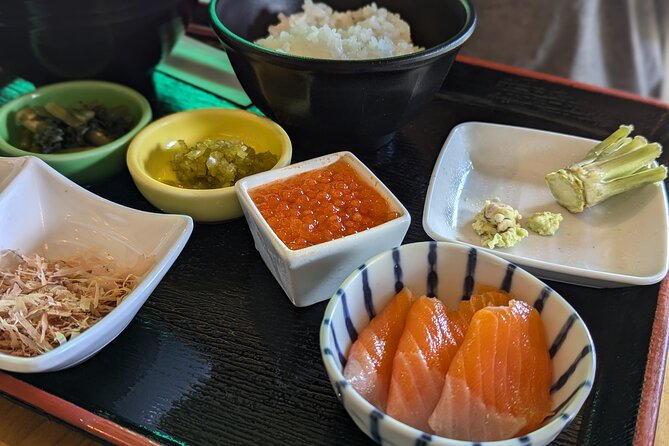
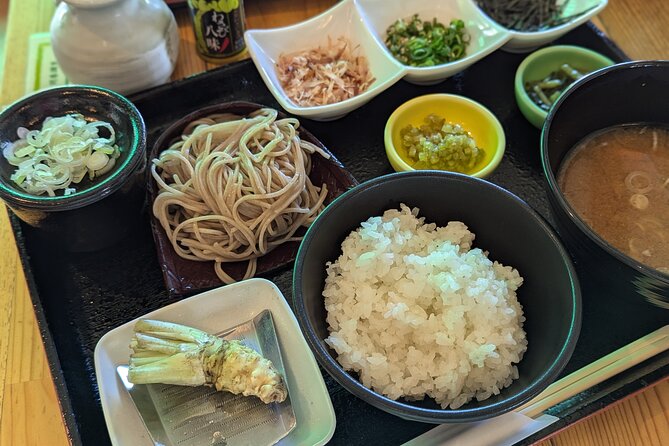
Lunch is one of the best reasons to book this instead of arriving solo. It’s a traditional lunch designed to highlight the flavor of real wasabi, served with other local foods.
The menu is built around Shinshu, the old name for Nagano Prefecture. Expect Shinshu soba and Shinshu miso as key pieces, and the lunch is designed to show you wasabi’s role as part of a meal rather than a random garnish.
What you can look forward to:
- A wasabi-centered tasting moment at the meal
- Fresh wasabi flavor paired with noodles (some feedback specifically mentions freshly grated wasabi with soba)
- Regional comfort foods that feel like Nagano, not just Japan-in-general
One of the best parts is the flexibility note. The tour states they can cater to vegetarian and vegan guests and families with young children. If you’re traveling with someone who needs adjustments, that’s a big plus. You won’t be forced into awkward “hope you like plain noodles” territory.
A heads-up on timing: during peak season, reservations in the restaurant may not be possible right away, and there may be a wait to enter. If you have a tight afternoon plan, I’d give yourself breathing room after the tour.
Wasabi ice cream: included in spirit, confirm on the fine print
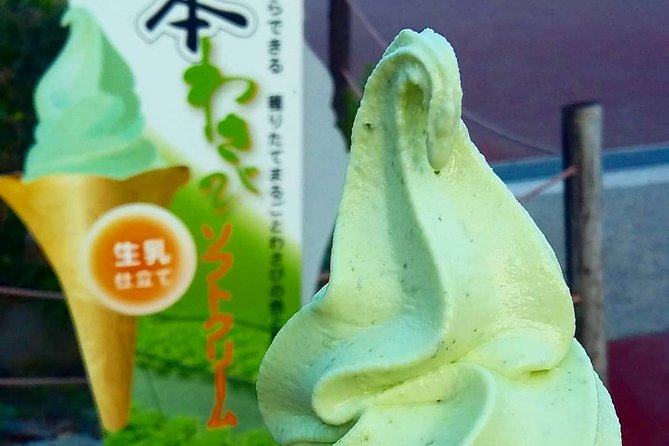
The tour description highlights a wasabi ice cream tasting as part of the experience, and there’s also feedback praising the wasabi ice cream at the end. That’s a fun cap to the day, because sweet desserts are a surprising way to taste wasabi’s character.
However, the provided inclusion notes include a small conflict: the listing language also says snacks or drinks including wasabi ice cream may be treated as not included. Since the tour summary and feedback both talk about it being part of the experience, the safest move is this: double-check your booking details for your exact date to confirm whether the ice cream is included in your price.
Either way, you’ll leave thinking about wasabi differently. Seeing it grown, then tasting it alongside soba, then maybe trying it in ice cream form—those three angles do a good job of making wasabi feel like a real food culture item, not just a condiment.
Timing and getting the most out of the 10:30 am start
The tour starts at 10:30 am and ends at the farm. That timing can work well if you’re already in Nagano and want a structured activity before your afternoon plans.
Here’s how I’d optimize it:
- Go in with comfortable shoes and the mindset that you’ll be outside for about an hour at a time.
- Plan your transport so you arrive a few minutes early. A farm setting is not always the easiest place to sprint through arrival logistics.
- If you’re hungry, remember lunch is included, but peak-season waits for restaurant entry can happen.
If you’re combining this with other Nagano sights, treat it like your anchor morning activity. The tour’s small-group cap and private guide style mean you’ll likely get more from the day if you don’t rush your schedule right after.
Also, you receive confirmation at booking and the experience uses a mobile ticket. That makes last-minute travel days easier, especially if you’re moving hotels and changing plans.
Who this tour suits best (and who might not love it)
This tour fits best if you like food culture with an educational backbone. It’s ideal for people who enjoy cooking, eating, and understanding ingredients. The wasabi angle is specific enough to feel memorable, but it also connects to mainstream Japanese food like soba and sushi pairing.
I’d also recommend it if you want a break from city routines. The farm setting offers a quieter kind of sightseeing, and the pacing is relaxed rather than rushed.
Families can fit in too, since it states they can cater to young children. Just remember it’s a farm walk, so strollers and little legs may require common-sense planning.
Who might hesitate:
- If you hate waiting for meals, you’ll want to travel outside peak season or keep a looser schedule.
- If you’re only looking for a quick photo stop, you may feel this is more explanation than you expected. This tour is built around commentary and a structured lunch.
Quick practical checklist before you book
Here’s what I’d get sorted so you have a smooth day:
- Comfortable walking shoes for farm paths
- A light layer for changing outdoor conditions
- A buffer in your afternoon in case of restaurant entry delays during busy periods
- Your mobile ticket ready on your phone
And if wasabi ice cream is a must for you, confirm your date’s inclusion wording so there’s no surprise.
Should you book the Wasabi Farm Walking Tour & Lunch?
I think you should book it if you want a small-group, guide-led farm visit that ends with a wasabi-focused lunch in Nagano’s Shinshu style. The private guide setup (with a max of 12) is a big quality signal, and the lunch isn’t an afterthought—it’s part of how the tour teaches you wasabi.
Skip it or rethink your expectations if you’re strongly schedule-driven, because peak-season restaurant timing can mean waiting. Also keep weather in mind, since the experience requires good conditions.
If your trip includes Nagano and you’re even a little curious about wasabi beyond sushi, this is one of those outings that tends to feel both different and useful when the day is over.
FAQ
Where does the tour start and end?
Both the start and end are at Daio Wasabi Farm in Hotaka, Azumino, Nagano (399-8303, Japan). You will end at the Wasabi Farm.
What time does the tour run?
The start time is 10:30 am, and the total duration is listed as about 2 hours.
Is there an English-speaking guide?
Yes. The experience includes an English-speaking guide.
What’s included in the lunch?
The lunch is described as a traditional Japanese set designed to highlight wasabi flavor. It includes Shinshu soba and Shinshu miso, along with other local dishes.
Can the tour accommodate vegetarian or vegan guests?
Yes. The tour notes that they can cater to vegetarian and vegan guests, and also to families with young children.
How big is the group?
The experience has a maximum of 12 travelers.
Is wasabi ice cream included?
The tour overview mentions a wasabi ice cream tasting, and feedback also references wasabi ice cream. At the same time, the notes list some snacks or drinks including wasabi ice cream as not included, so it’s smart to confirm what’s included for your specific date.