REVIEW · NAIROBI
From Nairobi: Kiambethu Tea Farm Tour & Lunch
Book on GetYourGuide →Operated by GRACEPATT SAFARIS · Bookable on GetYourGuide
Kiambethu is one of those days where Kenya’s scenery and everyday life meet. You’ll get a guided walk through the tea plantation and indigenous forest, learn how tea grew into a major export crop, and add in a small wildlife moment with colobus monkeys. I also like how the day is structured around real farm work and local stories, not just photo stops, which makes the experience feel grounded.
Two things I really like: the professional English-speaking guide who focuses on both wildlife and culture, and the 3-course meal made with locally sourced ingredients, served in a relaxed setting. One drawback to consider is that if you’re expecting big-safari intensity like Maasai Mara or Amboseli, this is a gentler, more agricultural-and-forest day, so it may feel less dramatic.
In This Review
- Key points worth knowing
- Why Kiambethu Tea Estate Works So Well for a Half-Day Adventure
- The Nairobi Drive: Timing, Comfort, and What to Plan For
- Arriving at Kiambethu: Homemade Biscuits, Welcome Tea, and the First Story Stops
- The Tea Plantation Walk: How Export-Driven Farming Changes the Story
- Indigenous Forest Time: Your Best Shot at Colobus Monkeys
- Lunch at Kiambethu: A 3-Course Meal That Actually Feels Local
- Price and Value: Is $160 Worth It for Six Hours?
- Who This Tour Suits Best (And Who Might Feel It’s Too Small)
- Service Levels: The Role of the Guide and Driver
- Should You Book Kiambethu Tea Farm and Lunch?
- FAQ
- What time is pickup in Nairobi?
- How long is the tour?
- How do I get to Kiambethu from Nairobi?
- Where does the tour start after pickup?
- What happens when you arrive at the estate?
- Is lunch included?
- Will I see wildlife during the tour?
- What languages are offered?
- What’s the group size?
- What is the cancellation and payment flexibility?
Key points worth knowing
- Full Nairobi transfers: hotel pickup and return are included, so you don’t have to coordinate a long trip on your own
- Small group size (up to 15): better questions and a quieter feel during the walk
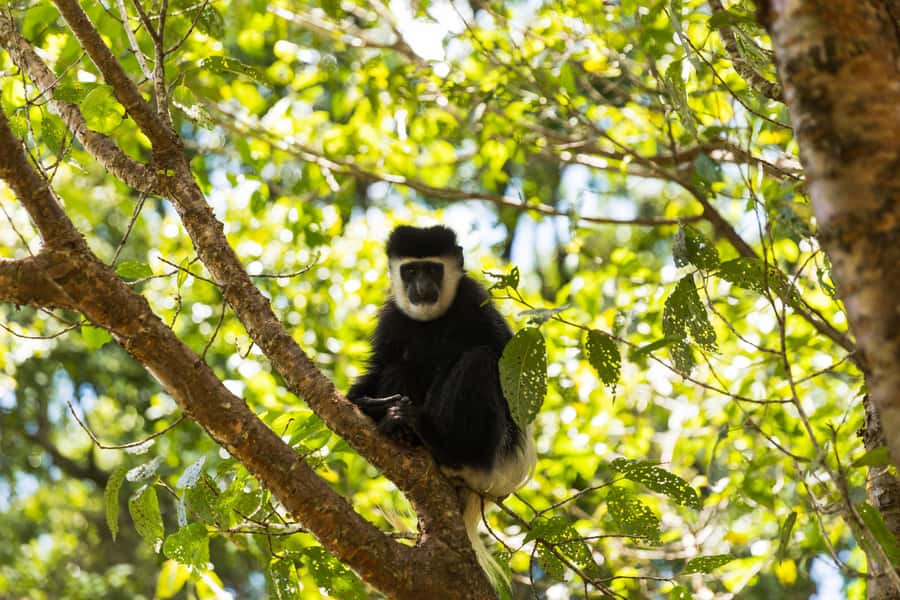
- Indigenous forest + colobus monkeys: you’re specifically set up for wildlife spotting, not just tea photos
- Tea estate learning: you’ll hear how tea became one of Kenya’s largest export crops
- Homemade biscuits and welcome tea: you start the day with a farm-style snack, not just a lobby stop
- Lunch plus tea/coffee: included food is a real part of the value, not an afterthought
Why Kiambethu Tea Estate Works So Well for a Half-Day Adventure
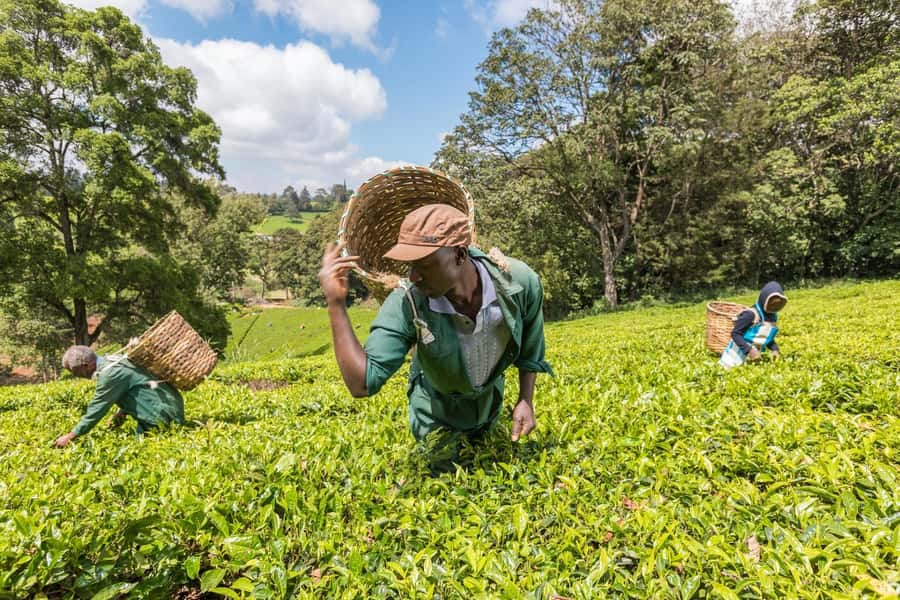
This is not a hurry-through “see a plantation, buy a souvenir” type of tour. Kiambethu is built for learning as you move through the tea grounds and then into a well-preserved indigenous forest. The forest part matters because it changes the tempo of the day. One moment you’re watching tea cultivation and hearing how processing works; the next you’re in a greener, shadier space where wildlife is more likely to show up.
I also like that the tour adds Kenyan context in a practical way. Tea here isn’t treated like a random crop; it’s explained as something that shaped livelihoods and made a national impact through export trade. That turns the whole day from scenery into understanding.
The wildlife element is another reason this feels different. You’re not going to spend hours searching for a single animal. Instead, you’re on a guided route where seeing resident colobus monkeys is a specific goal. Even if spotting is never guaranteed, the guide-led approach gives you a better shot than wandering alone.
You can also read our reviews of more tours and experiences in Nairobi.
The Nairobi Drive: Timing, Comfort, and What to Plan For
The day starts with pickup from Haile Selassie Avenue at 9:30 am. You’re scheduled to arrive at Kiambethu’s main house around 11:00 am. That means you should treat the morning as a travel-and-arrival block, not as time to squeeze in breakfast or extra stops.
Expect a long road day overall. The tour duration is 6 hours, and the transfer segment is listed as 4 hours by van. So yes, you’ll spend a lot of your time on the road. If you hate sitting in traffic or prefer a tightly packed itinerary with less driving, this is worth weighing before you book.
What makes the drive more tolerable is the planning: hotel pickup and drop-off are included, and the group is kept small (up to 15). Still, I recommend you bring a light layer. Central Kenya can feel cooler in the shade near forested areas, even when Nairobi is warm.
Arriving at Kiambethu: Homemade Biscuits, Welcome Tea, and the First Story Stops
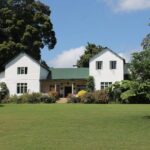
When you reach the Kiambethu Tea Estate main house, you don’t start with a lecture in a room. You’re welcomed with homemade biscuits and tea, and then your guide explains the farm and the tea-making process while you snack.
That first setup is genuinely useful. It gives you a simple mental map before you start walking. Once you’ve heard the basics, you’ll notice details later, like where processing steps fit and what’s being managed in the plantation areas you pass.
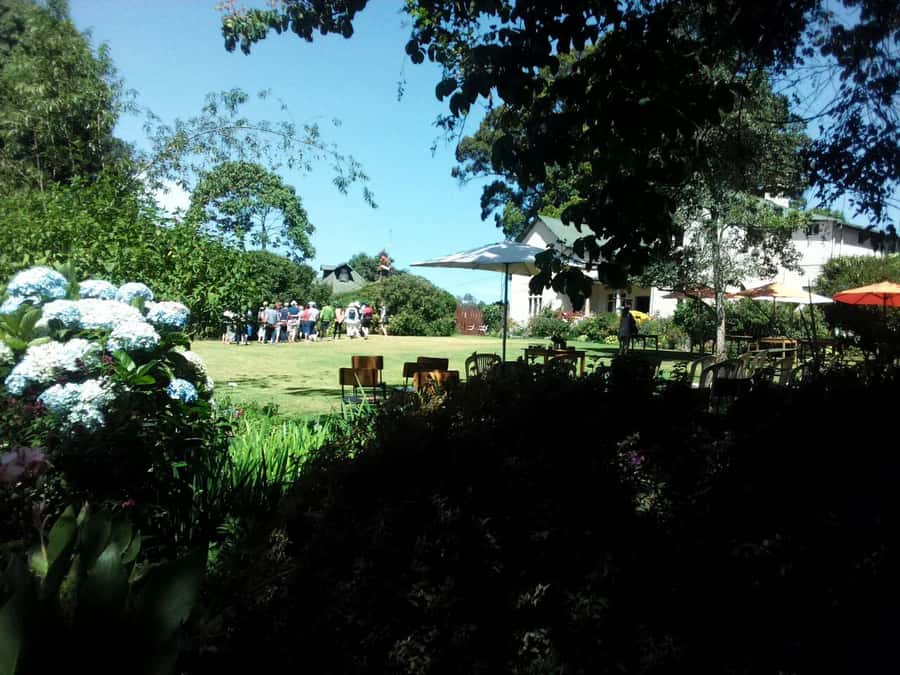
From there, you’ll stroll through the gardens surrounding the main house. That’s not just pretty scenery. It’s a transition space where you can ease into the day’s pace and listen for the guide’s cues about what to watch for next.
Also, keep your eyes up during this part. The tour includes chances to catch a glimpse of the resident colobus monkeys, and that can happen in and around the broader estate area, not only deep in the forest.
The Tea Plantation Walk: How Export-Driven Farming Changes the Story
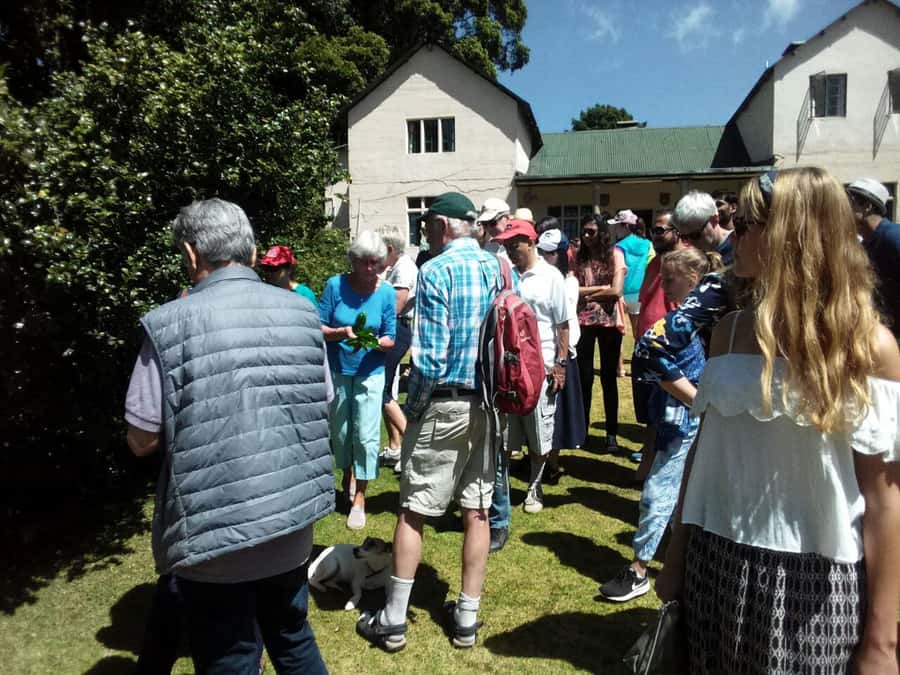
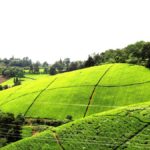
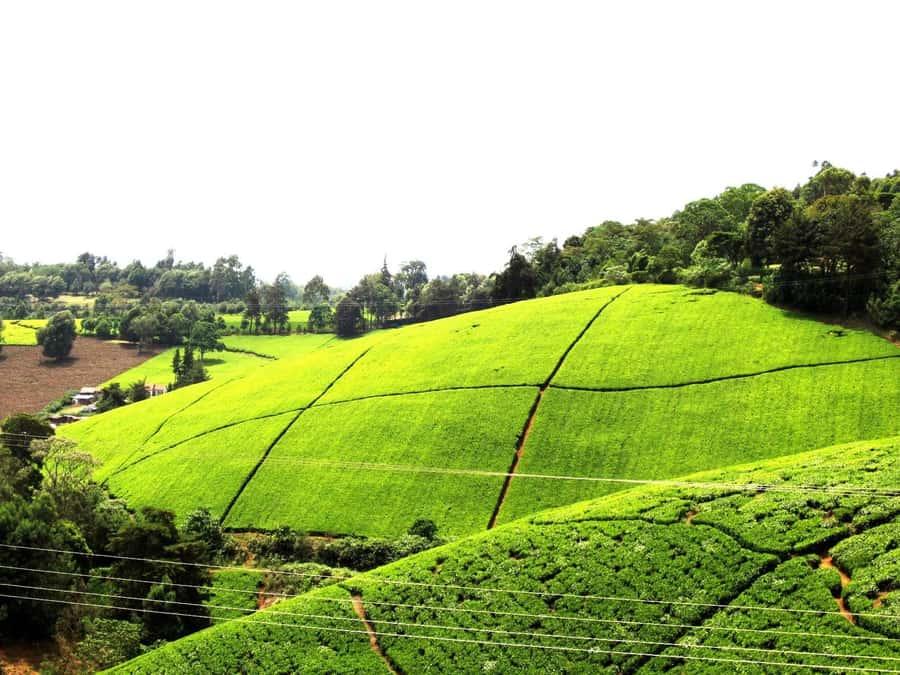
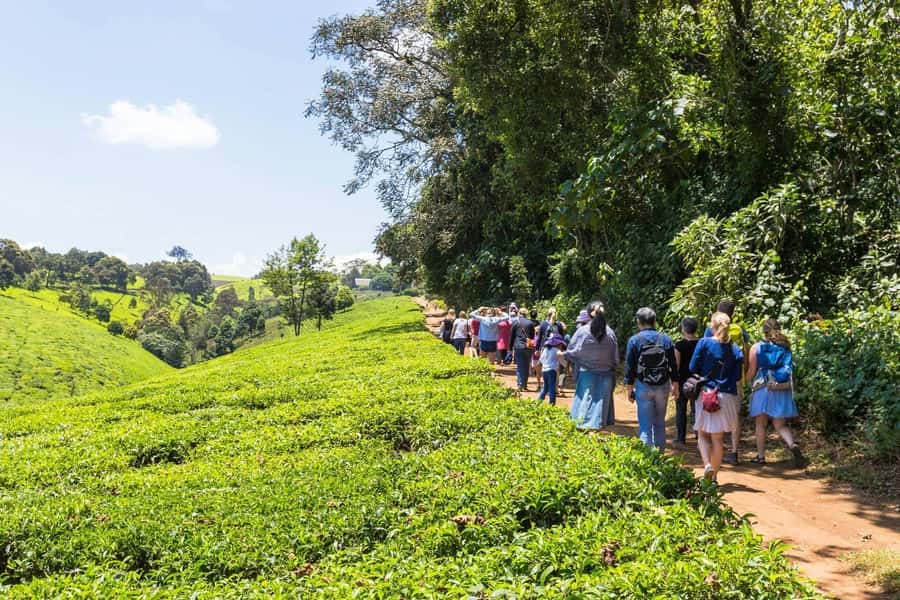
The core “learning” portion is the guided walk through the tea plantation and the surrounding forest. Your guide will talk about Kenyan history in a way that connects directly to what you see. You’ll learn how tea became one of Kenya’s largest export crops, and that theme helps explain why the plantation landscape looks the way it does.
This is the part you’ll likely remember later, because it gives tea more meaning than taste. Tea isn’t just a beverage here. It’s a major part of economic development, farming systems, and regional identity. When your guide connects the plant to the larger trade story, you get a clearer picture of why tea estates became such a big feature of the country.
Practical tip: bring patience for this section. Even though it’s a short day, the guide’s job is to keep the group moving and make the explanation fit real locations you’re seeing. If you’re the type who gets bored when you hear background talk, focus on the visuals: rows, processing references, and how the guide directs your attention.
Indigenous Forest Time: Your Best Shot at Colobus Monkeys
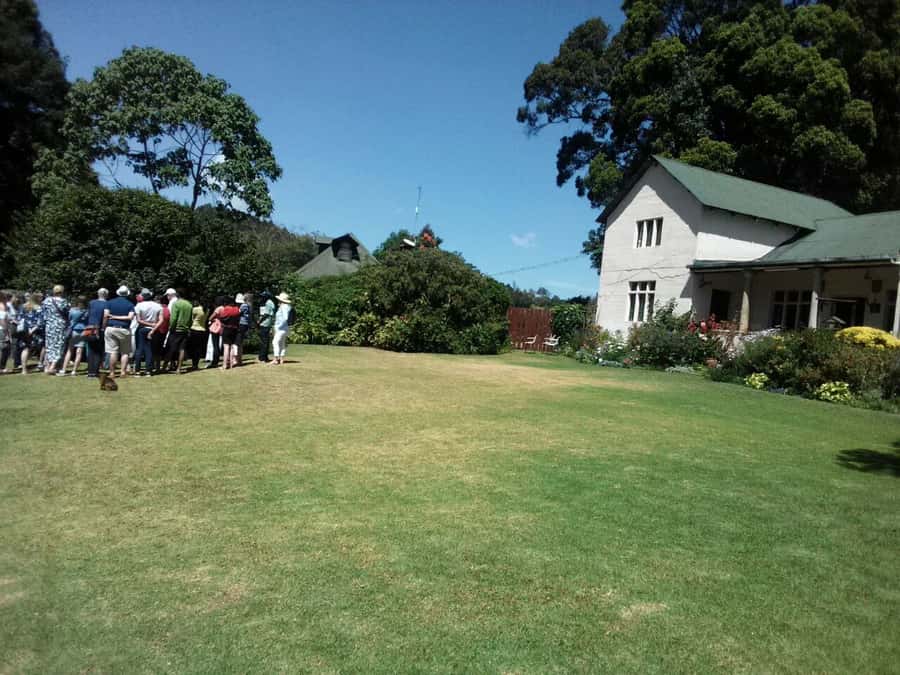
After the plantation area, you’ll explore a well-preserved indigenous forest with a knowledgeable guide. The forest walk is one of the main highlights because it’s where the day shifts from “farm tour” to “nature walk.”
Wildlife spotting here is a genuine draw. The tour is designed to help you spot colobus monkeys. You’ll also learn how to read the forest environment—where animals might feed, move, or stay quiet. That matters because colobus sightings tend to be moment-based. You’re not likely to get a long, slow show. You’ll need quick scanning and good timing.
If the monkeys are active, you’ll feel it. If they’re not, the forest still gives you value: it’s a rare chance to experience an indigenous ecosystem without making it a full safari day. Either way, your guide will help you keep the walk purposeful.


Lunch at Kiambethu: A 3-Course Meal That Actually Feels Local
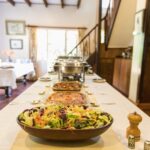
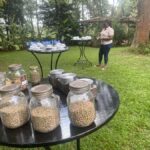
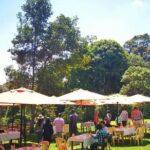
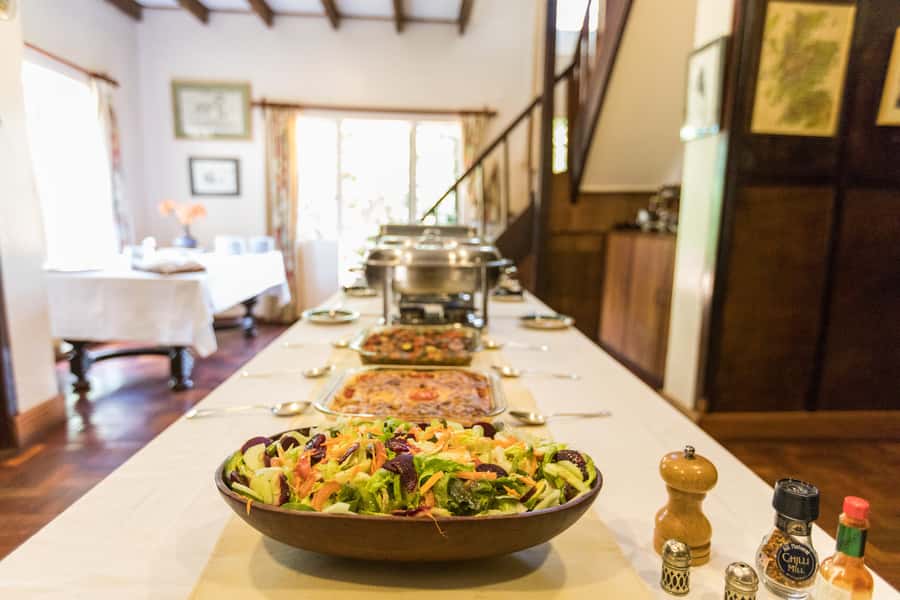
Ending with lunch is a smart choice here, and the included meal is a big part of the tour’s value. You’ll enjoy a 3-course lunch made from locally sourced produce. Along with lunch, the package includes a soft drink plus tea and coffee.
I like meals that follow the same theme as the tour. This one does. Instead of treating food as a generic restaurant stop, it’s presented as part of the estate experience and tied back to what the place grows and supports.
Because it’s a 3-course structure, you’re not just handed a plate and sent on your way. You get a proper pause after the walk. That matters on a day with a lot of travel time. It’s the difference between finishing hungry and actually feeling like you had a complete outing.
If you have dietary needs, you’ll want to confirm specifics in advance, since the tour data only states locally sourced produce and a set course structure—not ingredient lists. Still, the meal is clearly planned, and that usually makes it easier than spontaneous lunch stops.
Price and Value: Is $160 Worth It for Six Hours?
At $160 per person for 6 hours, the real question is what you’re buying beyond the basic sightseeing. In this case, you’re paying for four things that reduce friction:
- Full transfers from your Nairobi accommodation (pickup and drop-off)
- Entrance fee to the estate
- A guided experience with English interpretation and a focus on wildlife and culture
- Lunch plus afternoon tea at the estate (including tea/coffee and a soft drink)
That bundle is the value engine. If you tried to do it independently, you’d likely spend similar money on transport, entry fees, and a guide—plus you’d be negotiating timing on your own.
How you decide depends on your travel style. If you want a nature-and-culture day that’s easier than a full national-park safari, you’ll likely feel the price makes sense. If you’re chasing the biggest wildlife drama Kenya offers, this may feel lighter, and that’s the main “expectation mismatch” risk.
One more note: tips aren’t included. So factor a little extra budget for gratuity if you want to reward good guiding.
Who This Tour Suits Best (And Who Might Feel It’s Too Small)
This tour fits you best if you want:
- A structured day trip from Nairobi with minimal coordination
- A mix of tea farming + forest nature walk
- A small group format (up to 15 people)
- A wildlife element that’s realistic for the time available, especially colobus monkeys
It may not suit you as well if:
- You’re comparing it directly to major wildlife parks and want that same level of animal density
- You prefer long time on one activity and fewer transitions
- You dislike long van travel days (remember: the transfer segment is listed as 4 hours)
There’s also a practical fit question: if you’re a solo traveler, the group size helps because you’re not swallowed by a crowd. It’s easy to ask questions, and the guide can keep everyone together without losing the plot.
Service Levels: The Role of the Guide and Driver
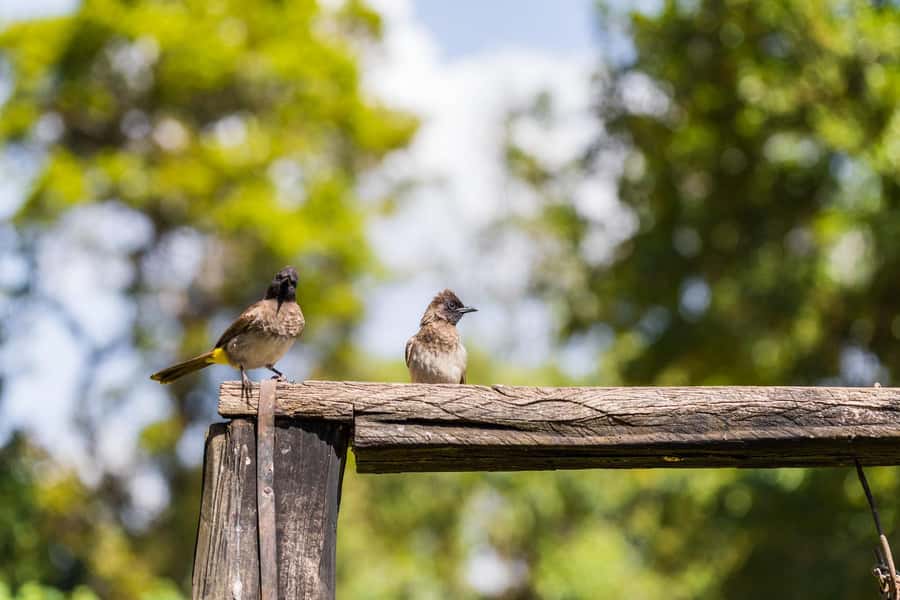
This experience leans on human quality. The tour includes professional English-speaking guides, and the info specifically says guides are experts in African wildlife and culture. That matters most during the forest walk and the tea learning segments, where you’ll get explanations tied to what you’re seeing.
There’s also a clear signal from at least one past booking about the drive experience: one group praised their driver, Francis, as wonderful. A good driver doesn’t just mean comfort; it can make the whole day feel smoother when you’re sitting on long roads.
If you care about storytelling and clear explanations, this is the kind of day where guide quality can easily be the difference between forgettable and genuinely enjoyable.
Should You Book Kiambethu Tea Farm and Lunch?
I’d book this tour if you’re after a calm, guided Kenyan day that blends tea, forest, and a real meal—without the logistics headaches of planning the drive and finding a knowledgeable guide. The combination of transfers + entrance + lunch + wildlife-aimed forest time is what makes it feel like a complete outing.
I’d hesitate if you’re expecting a big wildlife safari day or you’re trying to pack in multiple destinations in a short window. The experience is meaningful, but it’s intentionally modest in scale.
If you’re on the fence, ask yourself this: do you want to understand how everyday Kenya works through tea farming, and do you want a chance at colobus monkeys in an indigenous forest setting? If yes, this is a very solid pick.
FAQ
What time is pickup in Nairobi?
Pickup is from Haile Selassie Avenue at 9:30 am.
How long is the tour?
The total duration is listed as 6 hours.
How do I get to Kiambethu from Nairobi?
You’ll travel by van with pickup and drop-off from your Nairobi accommodation included.
Where does the tour start after pickup?
The tour arrives at the main house of Kiambethu Tea Estate at around 11:00 am.
What happens when you arrive at the estate?
You’re welcomed with homemade biscuits and tea, then you’ll learn about the farm and the tea-making process with your guide.
Is lunch included?
Yes. You’ll enjoy a 3-course lunch made with locally sourced produce, plus a soft drink and tea and coffee.
Will I see wildlife during the tour?
The tour includes chances to spot colobus monkeys, and you’ll explore a well-preserved indigenous forest where wildlife viewing is part of the experience.
What languages are offered?
The live tour guide is English.
What’s the group size?
The group is limited to 15 participants.
What is the cancellation and payment flexibility?
Free cancellation is available up to 24 hours in advance for a full refund, and the tour offers a reserve now & pay later option.