REVIEW · SYRACUSE
Slowlife Family Farm: From Garden to Table
Book on GetYourGuide →Operated by Slowlife Family Farm · Bookable on GetYourGuide
A working farm, a river, and dinner in your hands.
This Sicilian experience takes you from organic vegetable beds to a full lunch you help prepare, with tastings and a guided look at ancient layers of the land. You’ll also get up close with rare local varieties, plus a cooking class built around how food really starts.
I especially love the hands-on pace: walking the gardens, recognizing edible wild plants, and then going to the kitchen to make pasta from milling wheat. I also like the way the day links food to place, from the farm’s archaeology to tastings of local olive oil and wine.
One thing to plan for: transport isn’t included, and the farm notes the calendar may not be updated—so you should contact the local partner before locking in your timing.
In This Review
- Key highlights you’ll feel right away
- Slowlife Family Farm in Siracusa: what kind of experience this really is
- Where your day starts: Via Malta meeting point and what to expect
- The garden walk: rare vegetables, old varieties, and why it matters
- Wild edible plants: a nature guide turns a walk into a skill
- Ancient farm grounds: Greeks, Romans, and the water mill under restoration
- Milling wheat to pasta: the cooking class you’ll actually remember
- Olive oil and wine tasting: how to look for quality without getting fancy
- The river-side setting: swimming, shade, and a break from normal tour timing
- Lunch you assemble together: Sicilian flavors with a farm backstory
- Price and value for $164.26: what you’re really paying for
- Who should book Slowlife Family Farm (and who should skip)
- Should you book this farm day in Sicily?
- FAQ
- Where do I meet for the Slowlife Family Farm experience?
- How long is the experience and is it in a small group?
- What cooking experience is included?
- Is transport included?
- Is there food and drink during the tour?
- What should I bring?
- Is the experience accessible for people with mobility impairments?
- Can I cancel for a refund?
Key highlights you’ll feel right away
- Garden-to-table flow: pick, learn, cook, and eat what the land provides
- Wheat to pasta class: milling steps plus making pasta with modern tools
- Tastings with context: local olive oil and wine during the food journey
- Rare local varieties: including the giant onion of Giarratana (if in season)
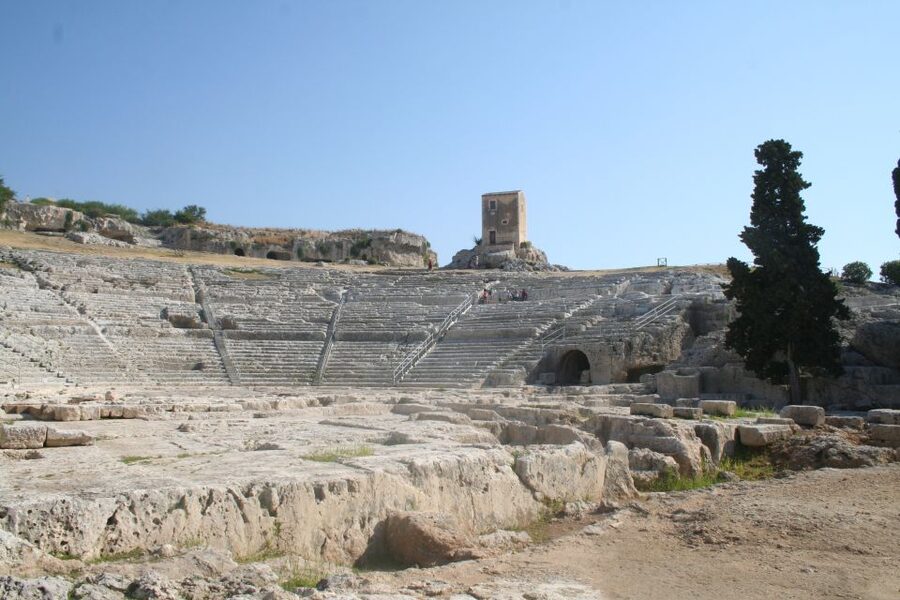
- Archaeology on-site: Greek and Roman altars, plus an ancient water mill under restoration
- Small group size: limited to 10 participants, so questions actually get answered
Slowlife Family Farm in Siracusa: what kind of experience this really is
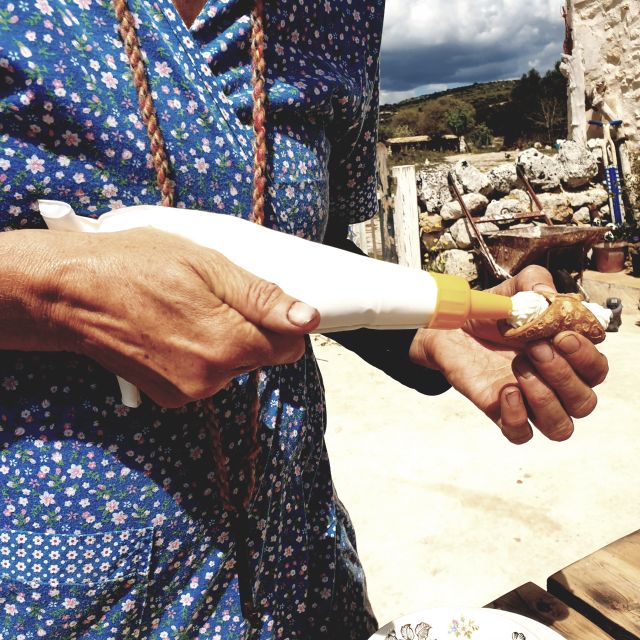
This isn’t a quick cooking demo where you watch and leave. Slowlife Family Farm is a 16-year off-grid slow food family farm, and the whole experience follows that rhythm: slow walking, real food steps, and a lot of learning tied to everyday life.
In Sicily, it’s easy to think of cooking classes as just cuisine. Here, the point is wider. You’re not only learning how pasta gets made; you’re learning how farming choices, old varieties, and local producers shape flavor. The farm is also set in an area described as part of a famous canyon in Sicily, with a river and an ancient lagoon area where you have the chance to swim and explore the water zone.
There’s also a deep time element. Archaeology teams found altars used by Greeks and Romans, and the farm itself has been described as sacred for over 2500 years. That means your dinner has a backdrop: people have used this land for a very long time, for different reasons, but with the same basic idea—food matters.
Where your day starts: Via Malta meeting point and what to expect
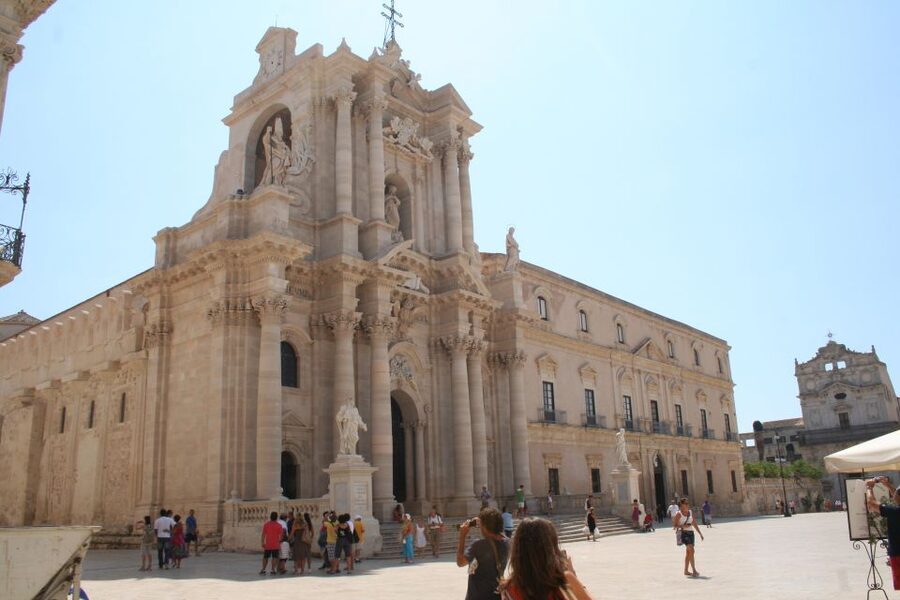
You meet the local guide at Via Malta, 7, 96100 Siracusa. The tour ends back at the meeting point, and an alternate meeting point may be set depending on where you’re staying.
Because this is a working farm with outdoor walking, your best move is to dress like you’re spending time outside, not like you’re just attending a class. Wear comfortable shoes and bring water and a sun hat. You’ll also want to be ready for uneven ground around gardens and historical sites.
Important practical note: the provider asks you to contact them before booking since the calendar may not be updated. If you’re traveling in a tight schedule, do that little extra step and you’ll start the day calmer.
The garden walk: rare vegetables, old varieties, and why it matters
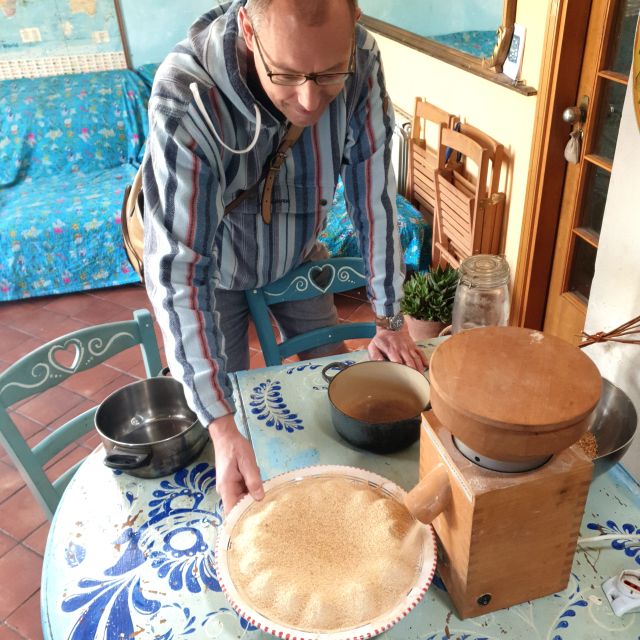
The heart of the experience starts in the organic vegetable garden. You’ll learn the farm’s gardening strategies and see rare plants being protected and grown. That’s not a vague concept here—some varieties are described as local and endemic, meaning they belong to this place in a way that isn’t easy to find elsewhere.
One variety highlighted is the giant onion of Giarratana, an endemic onion that can reach over 2 kg. The farm notes that if it’s in season, you’ll have a chance to taste it. Even if it isn’t in season on your day, the explanation of what makes that onion special gives you a clear sense of how variety influences taste and kitchen use.
You’ll also gather from the organic vegetable garden as part of the Sicilian lunch. This is one of those moments where you can connect the dots: the food isn’t just bought and plated. You see it growing, you learn what to use, and then you cook with it.
Wild edible plants: a nature guide turns a walk into a skill
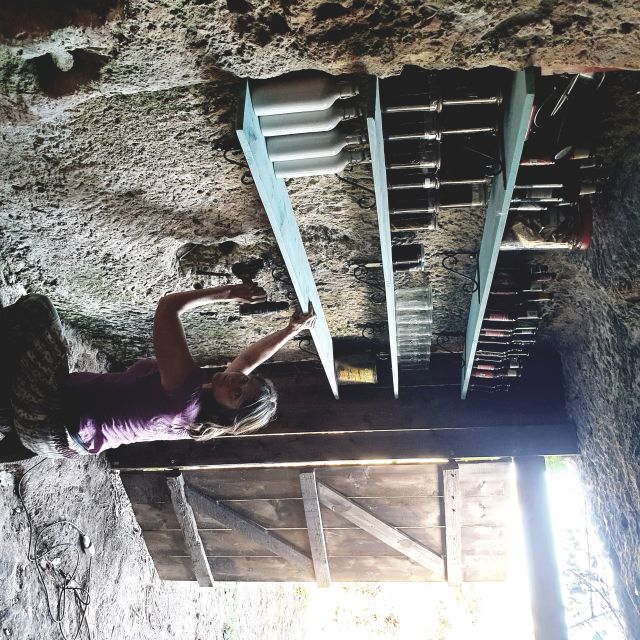
Alongside the historical guide work, you’ll have a qualified nature guide focused on edible wild plants recognition. This matters because wild food isn’t guesswork. You learn what you’re looking at and how it fits into a meal.
The practical value here is huge. By the end of the day, you understand that Sicilian flavors aren’t only from cultivated vegetables. Local lunches often pull from both the garden and what grows in the area, as long as you have the right guidance.
This part of the day also keeps things moving. Instead of standing in one place, you’re walking and observing. It’s not just theory. It supports the lunch you prepare together afterward.
Ancient farm grounds: Greeks, Romans, and the water mill under restoration
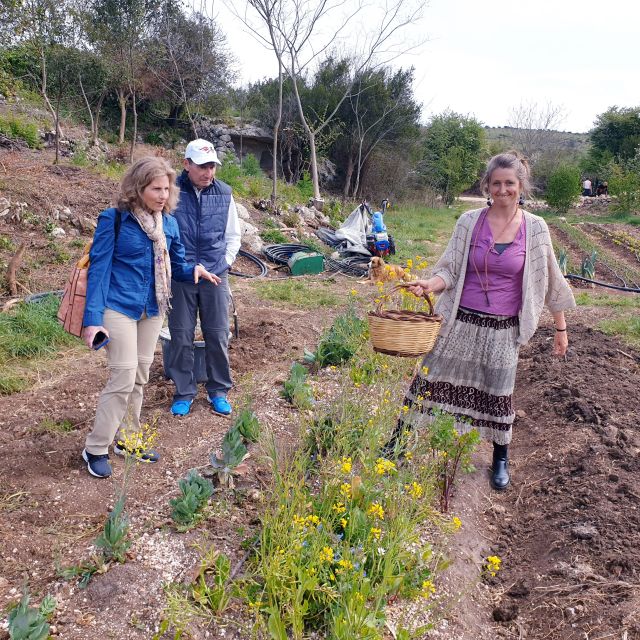
A licensed historical guide leads the archaeology tour of the farm. You’ll visit archaeological sites on the property, including altars linked to Greeks and Romans. That’s your clue that you’re standing in a place with repeated human use over centuries—people weren’t just passing through; they were setting up food and ritual systems here.
You’ll also visit an ancient water mill under restoration. Since it’s described as under restoration, you shouldn’t expect a fully finished museum feel. Instead, the value comes from seeing the farm’s relationship with history in real time: maintaining, restoring, and interpreting rather than simply displaying.
And if you’re the type who likes a story that connects to food, this is where your lunch gains meaning. Water access, processing grain, milling—these are the nuts and bolts of ancient food systems. When you later make pasta, the mill site makes the process feel less abstract.
Milling wheat to pasta: the cooking class you’ll actually remember
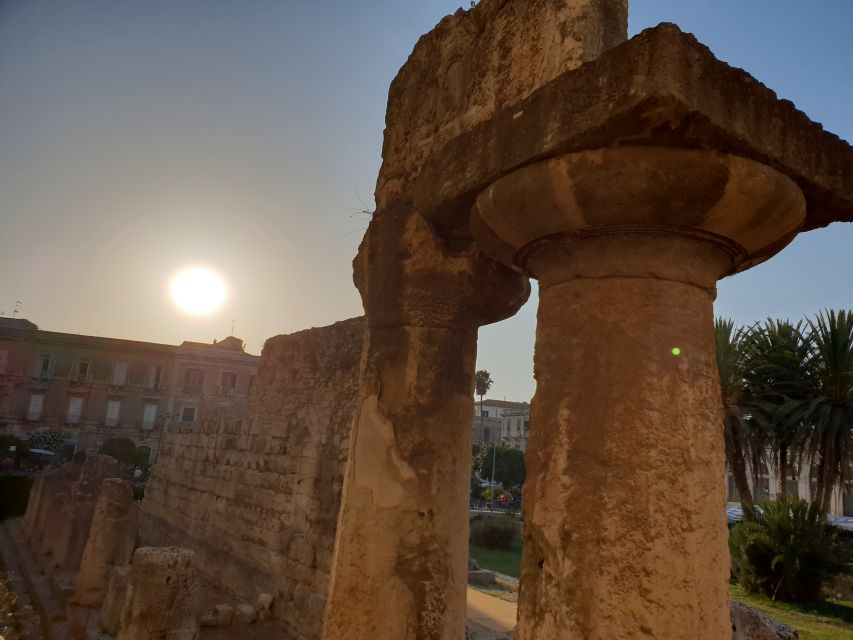
The cooking class is built around a clear theme: from wheat to pasta. You’ll learn in a farm setting, and you’ll move through the steps using modern tools—so it’s practical, not overly ceremonial.
Here’s why this class tends to stick in your mind: you don’t just shape dough. The experience is structured to show you where the grain part fits. You start from wheat and connect it to milling, then to pasta making.
The experience also ties back to the farm’s slow ethos. There’s a strong sense that the process matters: you learn the work, not only the result. And because you’ve gathered ingredients from the garden (and possibly added wild plants), you’re cooking with inputs that feel personal.
If you like food activities that leave you with both a skill and a story, this is the sweet spot. You’ll likely walk away knowing more than one way to describe why the meal tastes the way it does.
Olive oil and wine tasting: how to look for quality without getting fancy
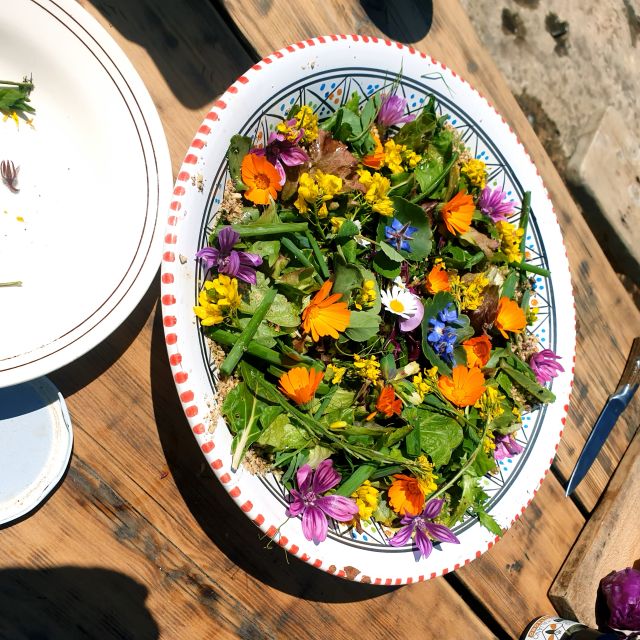
You’ll have a local olive oil tasting and a local wine tasting during the experience. The farm also includes a visit to the historical food & wine pantry, which helps keep the tastings grounded in how people stored and used these products over time.
The best way to enjoy tastings like this is to focus on comparison and simple observations. Think texture, aroma, and the way each one supports the food you’re preparing. This isn’t just sipping for fun; it’s part of how the lunch becomes coherent: olive oil, wine, and your garden ingredients all connect to each other.
Also, since the olive oil and wine are described as local, you’ll probably find the choices match the region’s style rather than generic selections.
The river-side setting: swimming, shade, and a break from normal tour timing
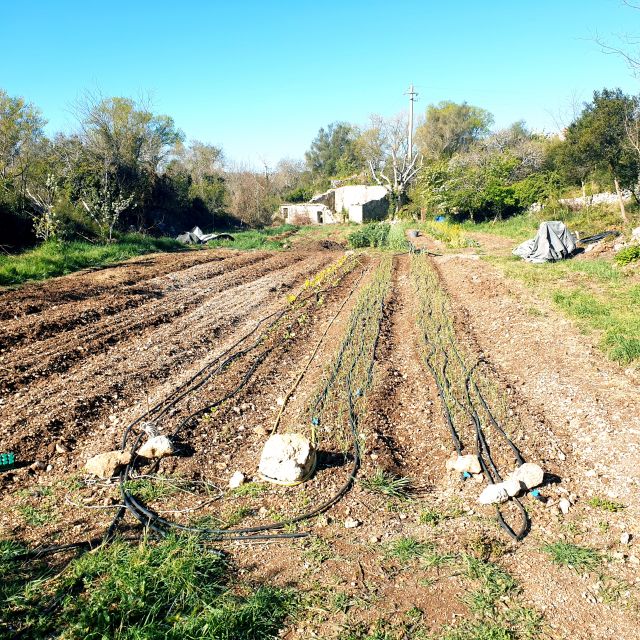
The farm is described as sitting inside one of the most famous canyons in Sicily, with a stunning river. You get time under majestic trees, and you also have the opportunity to swim in the river area and explore the ancient lagoon zone mentioned as a diving lagoon in the description.
Even if you don’t swim, the setting changes the feel of the day. Instead of hot, urban pacing, you get a more natural rhythm: walk, learn, cook, taste, then cool off.
Just plan practically: water, shoes that handle uneven ground, and a towel or quick change if you’re the type who wants to actually use the water time.
Lunch you assemble together: Sicilian flavors with a farm backstory
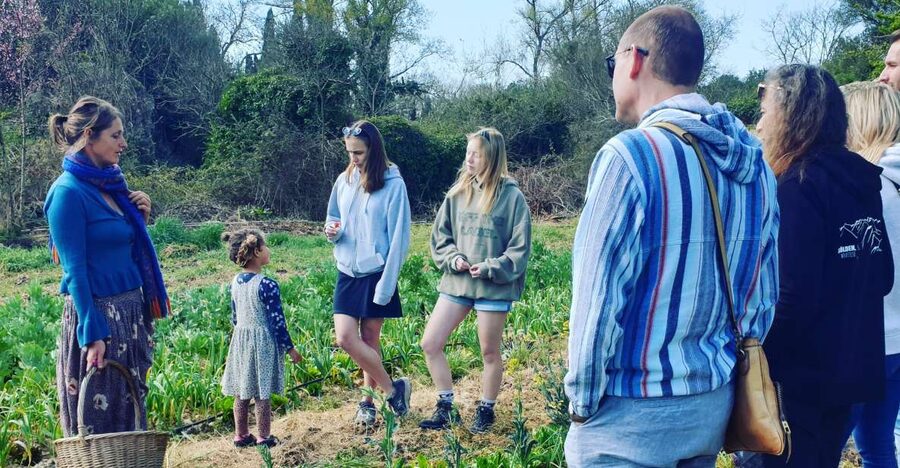
The Sicilian lunch is prepared together, using ingredients gathered from the organic vegetable garden and wild edible plants. That collaborative element is a big part of the satisfaction. You don’t arrive hungry and leave full of someone else’s work—you help build the meal in stages.
Because you’re gathering and preparing, you’ll taste what you worked with. And since you learned about the plants and the wheat process earlier, the final table feels earned rather than just consumed.
In plain terms: this is the kind of lunch where you’ll want to slow down and actually notice flavors, since your brain already has a map of where each ingredient came from.
Price and value for $164.26: what you’re really paying for
At $164.26 per person for a 4-hour experience, the value comes from stacking multiple specialties into one day:
- A licensed historical guide for the archaeology portion
- A qualified nature guide for edible wild plant recognition
- A cooking class centered on milling wheat to pasta
- Olive oil and wine tasting, plus a pantry visit
- Time in the organic vegetable garden with harvesting and gardening strategies
- A small group limit of 10 participants, which matters for hands-on work
A standard cooking class might cover food only. Here, you’re paying for interpretation—history plus nature plus food craft—so the meal becomes the final step of an actual food system, not a standalone workshop.
The only financial caveat mentioned is that no entrance tickets are included (so if anything requires tickets beyond the tour scope, that isn’t baked into the listed price). Also, transport is not included, so you’ll want to budget that gap.
Who should book Slowlife Family Farm (and who should skip)
This is a great fit if you want:
- Hands-on cooking that starts from wheat, not just sauce-making
- Food tied to place: gardens, wild plants, olive oil, wine, and archaeology
- A smaller group atmosphere where you can ask questions
- A farm setting that includes the river and shaded outdoor time
It may be a less ideal fit if:
- You need barrier-free access. The activity is noted as not suitable for people with mobility impairments.
- You dislike outdoor walking or heat-based comfort planning (bring sun protection and water).
- You haven’t planned transportation, since pickup/drop-off isn’t included.
If your travel style is craft-first, slow-first, and outdoors-included, you’ll likely love this.
Should you book this farm day in Sicily?
I think you should book if you want a cooking experience with real roots: rare Sicilian varieties, wild plant knowledge, and a wheat-to-pasta class in a setting that also teaches history. The small group size and the presence of both history and nature guidance are major reasons this day feels more like a living project than a scripted tourist stop.
I’d hesitate if your schedule is tight and you can’t pause to contact the local partner before booking (the calendar may not be updated), or if you depend on included transport. Also, if you’re expecting a quick, indoor cooking class with minimal walking, this is probably more active than that.
FAQ
Where do I meet for the Slowlife Family Farm experience?
Meet at Via Malta, 7, 96100 Siracusa. The end of the tour returns to the same meeting point, and an alternate meeting point may be arranged based on your accommodation.
How long is the experience and is it in a small group?
It lasts about 4 hours. The group is limited to 10 participants.
What cooking experience is included?
You’ll take part in a cooking class focused on milling wheat to pasta, using the farm’s modern tools.
Is transport included?
No. Transport, including taxi or pickup and drop-off, isn’t included.
Is there food and drink during the tour?
Yes. You’ll enjoy local wine tasting and local olive oil tasting. You’ll also gather ingredients for the Sicilian lunch and prepare it together.
What should I bring?
Bring comfortable shoes, a sun hat, and water.
Is the experience accessible for people with mobility impairments?
No, it’s noted as not suitable for people with mobility impairments.
Can I cancel for a refund?
Yes. You can cancel up to 24 hours in advance for a full refund.