REVIEW · HILO
Big Island Hawaii: Craft Chocolate Tasting and Farm Tour
Book on GetYourGuide →Operated by Honolii Orchards · Bookable on GetYourGuide
Chocolate lessons with real flavor. That’s what makes this Honolii experience so fun—you taste 10+ single-origin bars while learning how fermentation and terroir shape the final chocolate. I also really like the elevated tasting room setting, with ocean and valley views that make the whole thing feel special instead of rushed. One thing to plan for: you’ll do some standing and walking, and it’s not set up for kids under 9 or for people who struggle with extended time on their feet.
If you want chocolate education that stays practical, this tour hits the sweet spot. You’ll cover everything from the cacao tree and harvest flow to the science of post-harvest fermentation, then wrap it up with guided tastings and an explanation of why craft chocolate can taste so different from mass-produced bars.
In This Review
- Key Things That Make This Tour Worth Your Time
- Why Honolii’s Cacao Orchards Taste Different Than Any Bar
- Getting There From Hilo: A Simple Google Maps Fix
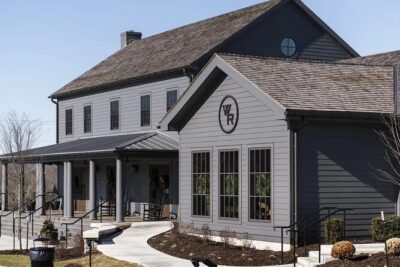
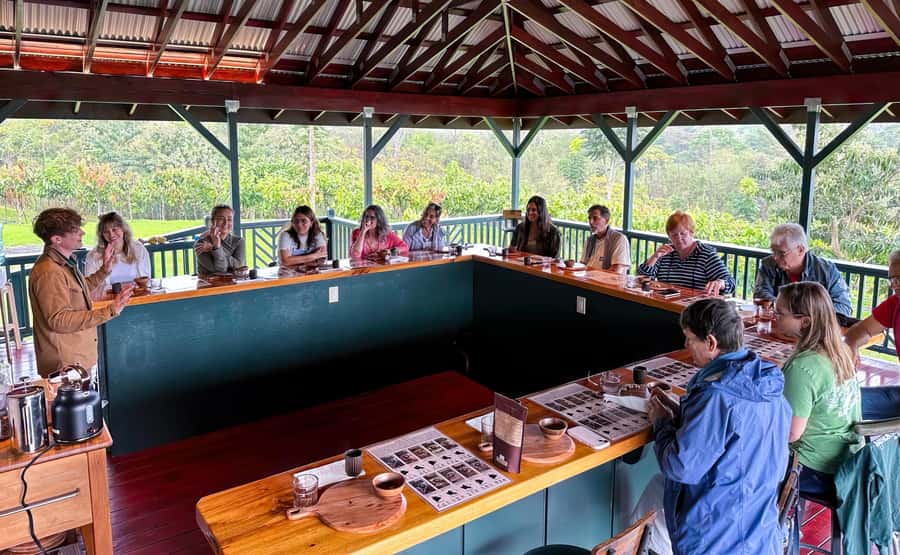
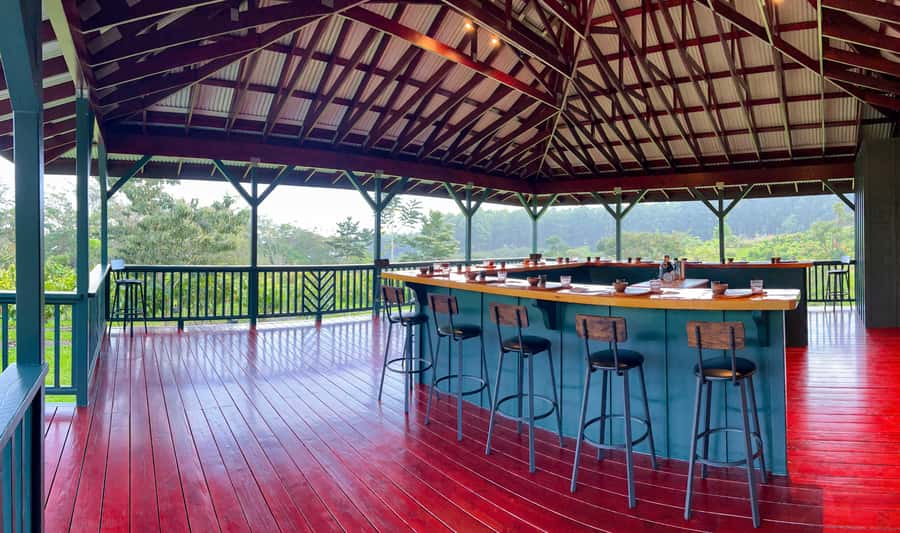
- The Elevated Tasting Room: Where the Lesson Starts
- Orchard Walk: From Cacao Tree to Pod
- Fermentation Room: The Step Most People Never See
- Chocolate History: From Ancient Mesoamerica to Craft Bars
- What You’ll Taste: 10+ Single-Origin Bars and Farm-Stage Snacks
- Price and What You Really Get for $130
- Who This Tour Fits Best (and Who Should Skip It)
- Should You Book Honolii Orchards Craft Chocolate?
- FAQ
- How long is the Honolii craft chocolate tasting and farm tour?
- What’s included in the tour price?
- Where is the meeting point?
- Is this tour suitable for children?
- What happens after the tasting portion?
- What language is the guide?
Key Things That Make This Tour Worth Your Time
- 10+ single-origin bars: You’re not sampling one or two “starter” chocolates—you’re training your palate across different flavors.
- Fermentation room tour: You see why the step after harvest matters as much as bean quality.
- Orchard walk with industry pros: You get the story from tree to pod, in plain language, with room for questions.
- Ocean-and-valley tasting room: The views turn a lesson into a relaxed hangout.
- Farm snacks beyond chocolate: Cacao juice, roasted cacao beans, cacao tea, and seasonal treats keep things varied.
Why Honolii’s Cacao Orchards Taste Different Than Any Bar
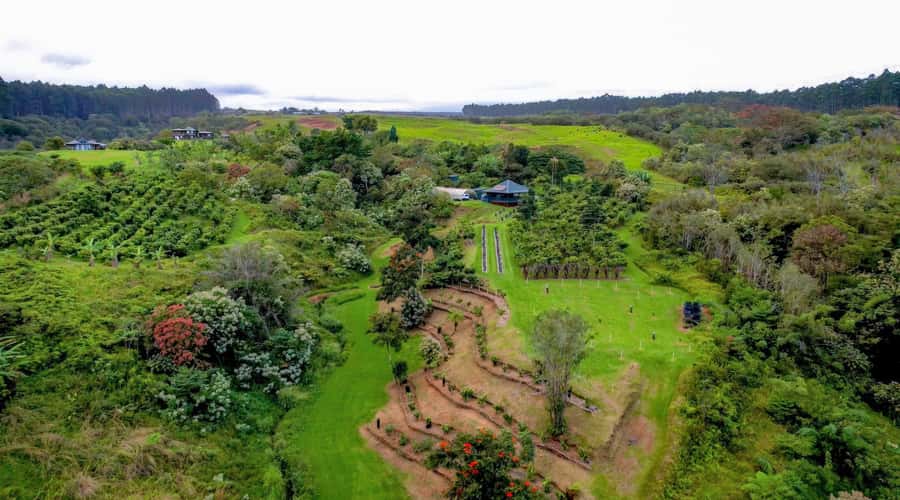
This is not a basic chocolate stop where you leave with a box and a shrug. Honolii Orchards is built around one idea: great chocolate is mostly about what happens after the cacao fruit is harvested. That focus shows up in the order of the experience—orchard first, fermentation second, then tasting.
You also get a big advantage from the format. By the time you sit down to taste single-origin craft bars, you already understand what you’re looking for. The result is that the tasting becomes an actual comparison, not just a sweetness contest.
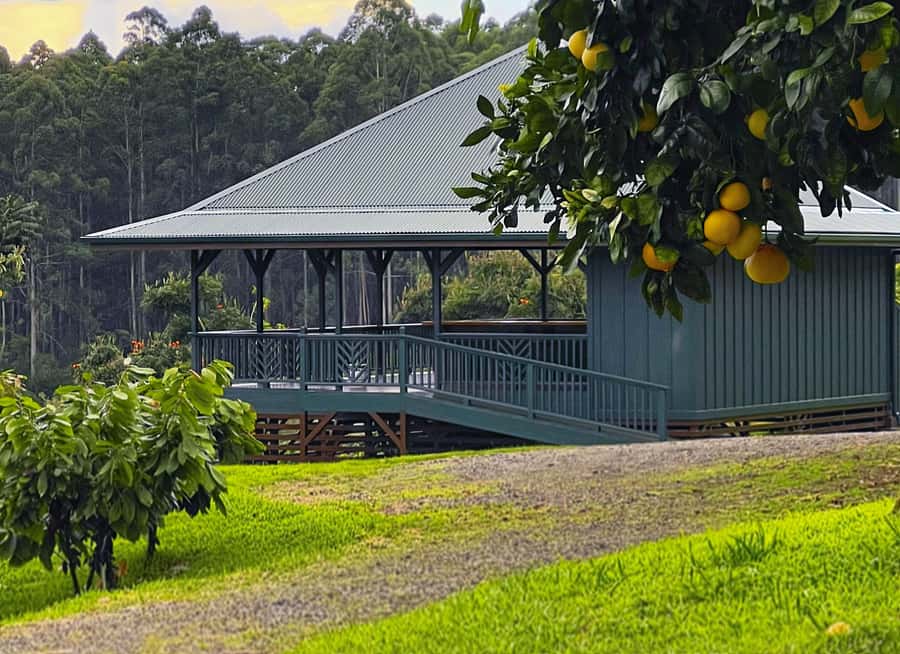
And yes, the setting helps. The tasting room sits above the orchard canopy, with ocean and valley views that make the whole session feel calm and spacious—like you’ve escaped the usual rush of Big Island sightseeing.
You can also read our reviews of more tours and experiences in Hilo.
Getting There From Hilo: A Simple Google Maps Fix
Honolii Orchards is about 5 minutes from Hilo, but the last part is “backroads” style driving. Most visitors don’t go this route unless they have a reason, and you do. The key detail is the approach: you’ll drive about 1.7 miles up Puia Road.
Here’s the practical tip that matters: Puia Road is mislabeled as Woa Road in some places, so follow Google Maps street names and the provided pin. The easiest path starts in Paukaa, Hawaii 96720, with a turn off Mamalahoa Highway onto Kulana Street and then Puia Road near the Paukaa Kingdom Hall of Jehovah’s Witness Church. Your green gate should be open on the left with a large vinyl sign.
Also plan for one small reality check. If you’re thinking of using Uber right after, give yourself extra time. One review-style lesson from the experience is simple: it can take a while for drivers to find the farm unless you’re very clear with the directions.
The Elevated Tasting Room: Where the Lesson Starts
When you arrive, you’re not thrown into a lecture right away. You start with casual conversation, which helps you settle in and ask any quick questions before the tour starts. Then you move into the tasting room, perched above the orchard canopy.
This matters because you’ll likely be on your feet for parts of the orchard visit, and the tasting room is where you recalibrate. The ocean and valley views don’t just look good on a postcard—they set the tone. Instead of rushing through bites, you get a relaxed pace.
In the tasting room, you also get the groundwork for what you’ll sample later:
- how craft chocolate differs from mass-produced chocolate
- why origin and processing create flavor differences
- what to notice as the bars move from one single origin to another
Orchard Walk: From Cacao Tree to Pod
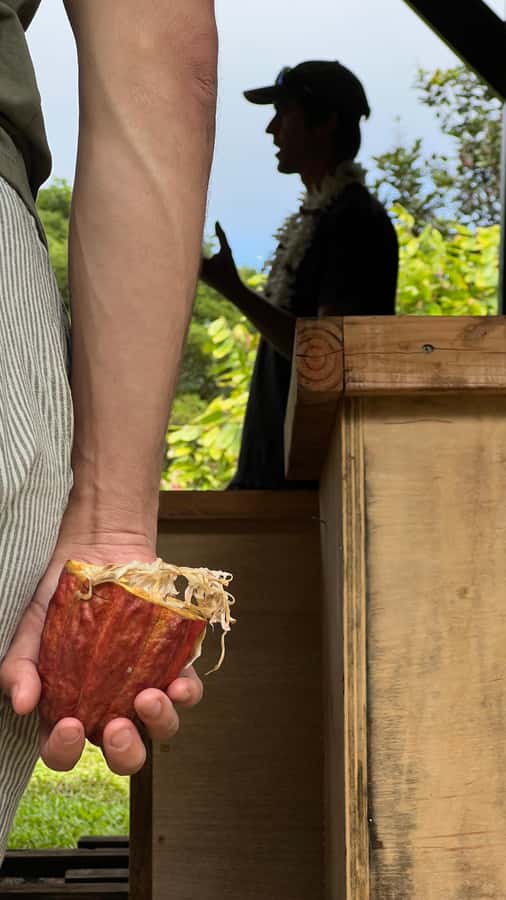
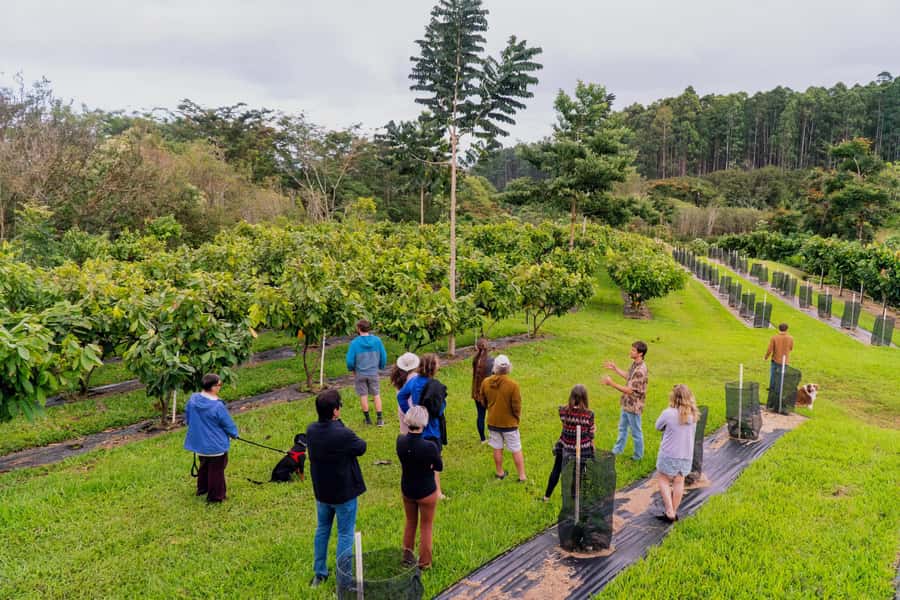
The orchard portion is where the tour earns its credibility. You’ll explore how the cacao tree is grown and how cacao fruit becomes the cacao that ultimately turns into chocolate.
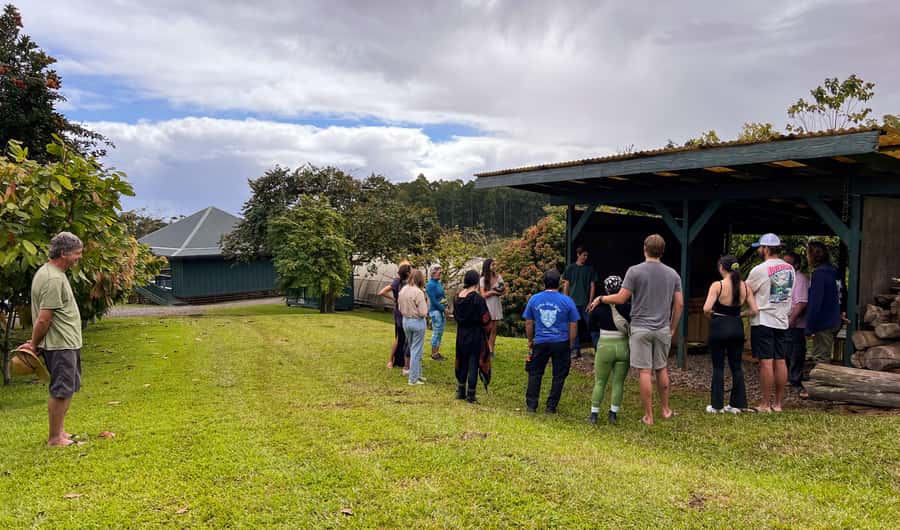
Your guide is a professional in the industry, and the best part is that you’re encouraged to ask questions as you go. That interactive style is one of the biggest reasons people leave feeling like they can talk about cacao with confidence instead of just repeating tasting notes.
You’ll also get a bit of regional agricultural context while you’re out there. The farm sits amid historic land use, with breadfruit, sugarcane, macadamia, and cattle land surrounding the area. It’s a good reminder that cacao here is part of a wider agricultural story, not an isolated novelty.
What to watch for on the orchard walk:
- There’s walking, plus time standing while explanations happen.
- It’s not ideal if you have mobility issues, so tell the team ahead of time if you need to adapt the pacing.
- You’ll likely be more engaged if you go in curious rather than “just give me the chocolate.”
Fermentation Room: The Step Most People Never See
If orchard walking is the why of cacao, the fermentation room is the how of craft chocolate quality.
After the orchard tour, you’ll go to the Honolii fermentation room. This is where you learn about the post-harvest process—how cacao beans transform during fermentation, and how that affects flavor. It’s not just a quick stop to “see some beans.” This part is framed like real science you can understand, with a focus on why fermentation is a critical step.
For you, this is the value moment. Once you understand fermentation, you stop thinking of chocolate as a single product and start seeing it as a process you can taste. You’ll also have a better vocabulary for what you’re noticing during the bar tasting.
If you care about food quality, sensory nuance, or just want your chocolate education to make sense, this fermentation component is the heart of the whole experience.
Chocolate History: From Ancient Mesoamerica to Craft Bars
Once you’ve tasted the “before” and “during” pieces—cacao fruit stages and fermentation—you finish with the “story” and the “comparison.”
You’ll be guided through chocolate’s history, tracing its origins from ancient Mesoamerica to today’s craft chocolate revolution. That timeline does more than satisfy curiosity. It helps you place modern craft chocolate in context, especially when the guide contrasts craft chocolate with mass-produced chocolate.
The practical takeaway for your palate is this:
- craft chocolate is shaped by origin and processing choices
- mass-produced chocolate usually aims for consistency and cost
- those goals change flavor
This is also where the group discussion style pays off. Since you’re not locked into a museum-rigid format, you can ask what you’re tasting and why you might be sensing certain notes.
What You’ll Taste: 10+ Single-Origin Bars and Farm-Stage Snacks
Now for the part you came for. The tour ends with an exceptional tasting of at least 10 different single-origin craft chocolate bars sourced from various farms across the Hawaiian Archipelago.
You’re tasting bars in a guided way that encourages comparison. It’s like wine education, but with chocolate: terroir—genetics, soil, and climate—shows up as flavor differences. That’s why the earlier fermentation and orchard stops matter. By the time the bars hit the table, you’re better equipped to identify what changed from one origin to the next.
How many bars? The standard promise is at least 10, and some tours report tasting more types such as 11 or even 15. Either way, you should expect enough variety to notice differences, not just sample a couple of crowd-pleasers.
Beyond chocolate, you’ll also try:
- fresh cacao juice
- roasted cacao beans
- cacao tea
- chocolate-covered macadamias
- seasonal fruits and other farm-fresh treats
That mix is smart. If you only tasted bars, you’d miss how cacao tastes in different forms. These extra samples help you connect the bean, the fermented flavor, and the final chocolate flavor.
Price and What You Really Get for $130
At $130 per person for about 210 minutes, this isn’t a “cheap snack experience.” But it also isn’t just paying for chocolate. You’re paying for:
- a guided orchard walkthrough
- a fermentation room explanation focused on quality
- guided history and craft-vs-mass context
- structured tasting of 10+ single-origin craft bars
- multiple cacao and farm snack samples, not only chocolate
Where this tends to feel like real value is for people who want more than a tasting flight. If you’ve ever wondered why one chocolate bar tastes fruity or floral while another tastes more earthy or bitter, the fermentation and single-origin comparison help you figure it out.
If you’re the kind of traveler who only wants the simplest version—one or two bites, a quick photo, then back on the road—this may feel like a lot. But if you love food details, the price makes more sense because the experience is education + tasting + setting, all in one.
Who This Tour Fits Best (and Who Should Skip It)
This tour is best for adults and older kids (since it’s not suitable for children under 9). It’s also a strong fit for anyone who:
- already likes chocolate and wants to understand what’s behind the flavors
- enjoys farm tours, food science explanations, and questions
- wants a calmer, scenic break near Hilo rather than another on-the-go stop
On the other hand, consider skipping or planning carefully if:
- you have mobility issues or you don’t want extended standing
- you prefer very short activities
- you want a strictly casual, no-education tasting
Also note the experience has a clear rules list: no smoking (including indoors), no large bags or oversize luggage, and no climbing. It’s set up to be orderly and safe, so you’ll want to keep your day pack minimal.
Should You Book Honolii Orchards Craft Chocolate?
Here’s my straightforward take. Book it if you want a chocolate experience that actually teaches you how craft cacao becomes craft chocolate, and if you like tastings where the guide helps you notice differences.
I’d also book it if you’ll be in the Hilo area and you want something more meaningful than a standard tasting. The elevated tasting room with ocean and valley views, the orchard tour, and the fermentation room together turn the activity into an experience you can remember—not just a box you buy.
Skip it if you want a quick, low-cost chocolate stop. This is a longer, guided session built for people who care about process and flavor. If that’s you, it’s one of the better ways to spend a few hours on the Big Island.
If you do book, do one thing that will make your day smoother: plug the Google Maps pin in before you leave, and follow Google Maps’ street names carefully for Puia Road.
FAQ
How long is the Honolii craft chocolate tasting and farm tour?
The experience runs about 210 minutes, so plan for roughly 3.5 hours.
What’s included in the tour price?
You get a guided tour of the Honolii cacao orchards, a guided tour of the fermentation room, tasting of at least 10 single-origin craft chocolate bars, and samples of fresh cacao juice, roasted cacao beans, cacao tea, and seasonal fruits.
Where is the meeting point?
The starting location is 1533 Puia Rd. The easiest directions are via the Google Maps pin provided in the tour info.
Is this tour suitable for children?
It is not suitable for children under 9.
What happens after the tasting portion?
After the tour, you can purchase any of the chocolates you tasted, and you’re welcome to stay in the tasting room or take a leisurely walk through the orchards.
What language is the guide?
The live tour guide provides the experience in English.