REVIEW · NAIROBI
Tea Farm Experience at Riara Tea Farm And Factory Tour
Book on Viator →Operated by Safari Port · Bookable on Viator
Tea smells different when you see the bushes.
On this Riara Tea Farm and factory tour, you get a guided look at how Kenya’s tea moves from leaf to finished cup, with hotel pickup and drop-off to keep the day low-stress. The drive also gives you a glimpse of everyday Limuru life before you reach the cooler tea-country air.
What I like most is the hands-on pace: you’re shown the plantation first, then you’re served tea right after, which makes the process actually click. I also appreciated the little human touches—at least one group got to meet the plantation owner and staff, and the cooler climate there is often described as a reason you do not need to worry about snakes.
One thing to think about: the tea-farm part is listed as having its admission included, while the factory admission is listed as not included. So it’s worth checking what you’ll pay for on the factory side to avoid surprises.
In This Review
- Key highlights at a glance
- Riara Tea Farm: why this Nairobi tea tour feels different
- Getting there the practical way: pickup, the Limuru drive, and timing
- The plantation visit: where the fresh cup actually makes sense
- Lunch plus a tea break: what’s included and how to plan around it
- The factory tour after harvest: how processing connects to quality
- Price and value: is $160 per person worth it?
- Who this Riara tea farm tour suits best
- Should you book the Riara Tea Farm and Factory Tour?
- FAQ
- What time does the tour start?
- How long is the tea farm and factory tour?
- Is hotel pickup and drop-off included?
- Where is the tour located?
- What stops are included during the day?
- Is lunch included?
- Is admission included for both the farm and the factory?
- What drinks are included?
- Are tea products for sale included?
- Can I get a full refund if I cancel?
Key highlights at a glance
- Hotel pickup and drop-off from Nairobi to cut down on driving time and decision-making
- A morning plantation visit with a fresh tea break and lunch included
- Factory tour after harvesting to see how the tea is processed to meet quality standards
- Distant views on clear days, including the Ngong Hills and Yatta Plateau
- Cooler tea-farm climate that helps reduce snake worry, per one standout review
- Private tour for your group, so the experience feels focused instead of rushed
Riara Tea Farm: why this Nairobi tea tour feels different
A Nairobi tea tour can sound like a quick photo stop. This one is structured more like a day with a purpose. You leave the city and spend hours where the tea actually grows, then you go to the factory to see what happens to the leaves after they’re collected.
What makes Riara Tea Farm especially rewarding is the two-step flow: plantation first, processing second. That order matters. When you hear how workers pick leaves and how harvesting connects to what goes into the factory, the later explanation of quality requirements makes more sense. If you love learning through visuals, you’ll enjoy that cause-and-effect feel.
You also get a moment of scenery with purpose, not just scenery for scenery’s sake. The tour notes that you can see Ngong Hills and Yatta Plateau in the distance. Even if the day is a bit hazy, you’ll still get that sense of scale—tea rolling out over hills rather than being a single, neat attraction.
You can also read our reviews of more tours and experiences in Nairobi.

Getting there the practical way: pickup, the Limuru drive, and timing

This tour starts at 9:30 am, with round-trip pickup and drop-off from your Nairobi hotel. That’s a big deal in this part of Kenya, because you’re not trying to coordinate transport, tickets, and timing on your own. You can just show up, meet your driver/guide, and let the schedule do the work.
On the way, you pass by Limuru Town. The goal here is more than getting from A to B. You get a quick look at how locals live and carry on their business before the day shifts into farming mode. It’s the kind of contrast that helps your brain reset. City traffic and city noise stay behind you, and you start moving into the rhythm of tea country.
Time-wise, expect a 5 to 6 hour overall day. The plantation portion is the longer one, with a later factory visit afterward. In practice, that means you should plan for a full morning and early afternoon, not a casual half-day.
Tip for your comfort: wear closed-toe shoes and something breathable. Even on a guided farm day, you’ll likely be walking on uneven ground and spending time outside.
The plantation visit: where the fresh cup actually makes sense
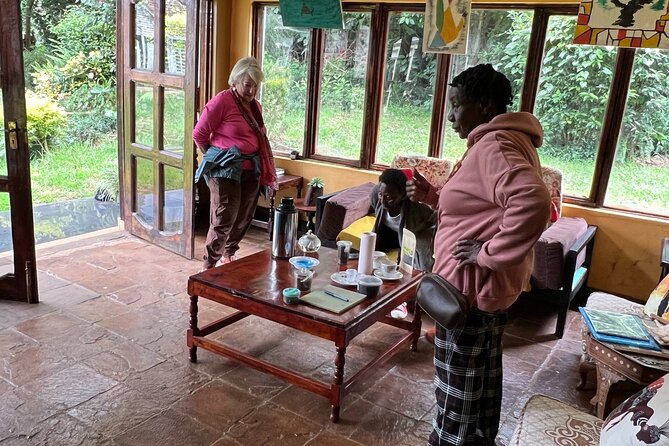
Your first big block of the day is the plantation tour at Riara Tea Farm (listed at about 5 hours for the farm segment). This is where the tour becomes more than just pretty greens on a screen.
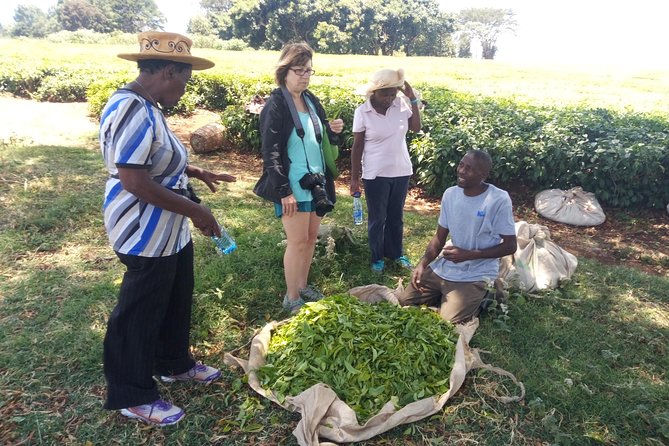
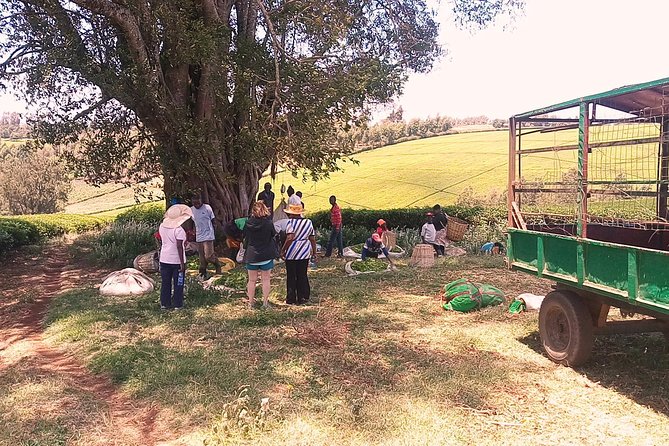
Here’s what you can expect: your professional guide walks you through the plantation as you learn about how the tea plantation works and how tea production starts. The tour also includes a morning tea break and lunch, so you’re not just learning—you’re tasting what you’re learning.
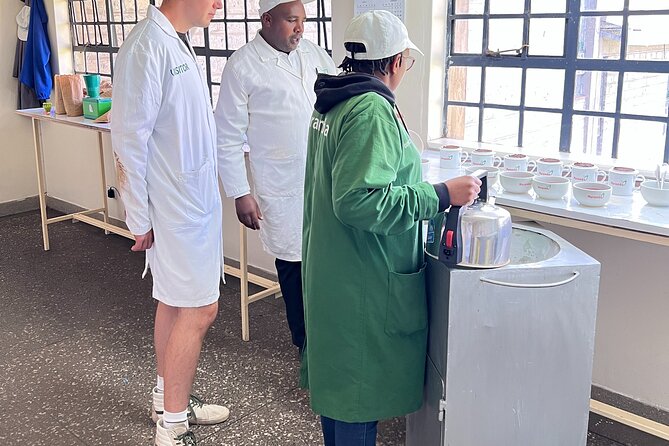
And yes, the tea part matters. I like tours where the drink shows up while the explanation is still fresh in your mind. After you’ve seen the bushes and understood the basic flow of the product, a cup of tea feels like a payoff instead of a random add-on.
One extra detail worth noting: one review highlighted that the climate is cool enough that there are no snake worries. That matches the general feel of higher-altitude tea regions—cooler air, calmer walking conditions, and a more relaxed atmosphere. You still should use normal safety sense anywhere you walk, but this is the kind of place where people tend to feel comfortable.
Also, if the plantation owner and staff are around, you might get a human moment. At least one group reported meeting the owner and staff, which added a personal layer to the visit. Even when that doesn’t happen, your guide’s explanations should help you understand what you’re seeing.
Lunch plus a tea break: what’s included and how to plan around it
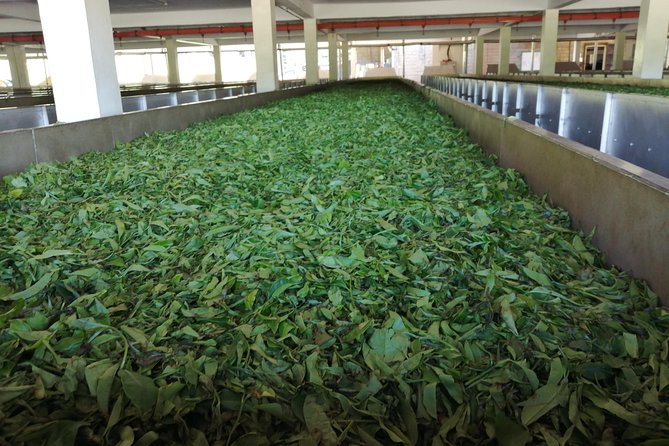
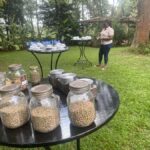
Food on a farm tour is usually either the best part or the part you regret. This one is clearly designed to keep you comfortable: lunch is included, along with bottled water, and coffee and/or tea are part of the package.
That matters for value. If you’re doing this from Nairobi, the cost of transport plus meals adds up fast. Here, you’re getting the main meal and drinks baked into the day, which makes the $160 per person feel more reasonable than it would for a tour that only covers admission and guiding.
One practical note: the tour includes lunch but does not promise specific dietary options in the details provided. If you have allergies or strong dietary restrictions, message the provider ahead of time so you’re not relying on guessing.
And remember: tea products for sale are not included. That’s normal—farm tours often have shop stops—but if you want tea as a souvenir, bring cash or plan your payment method. If you’re traveling light, buy only what you can realistically carry.
The factory tour after harvest: how processing connects to quality
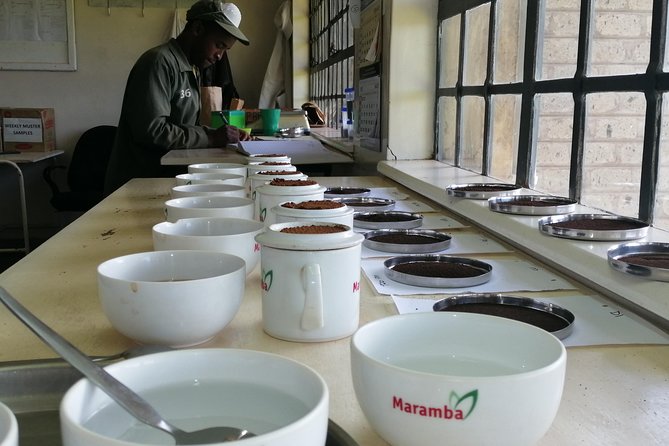
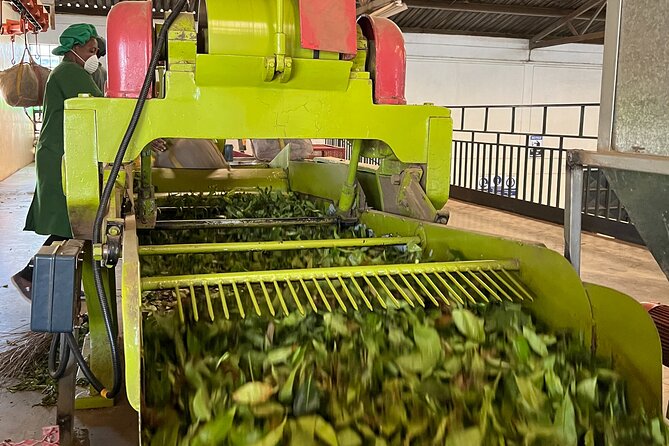
After the plantation time, you shift to the factory. This portion is listed at about 2 hours, and it’s where the tour explains what happens once tea is collected.
The big advantage of doing this factory visit is that tea quality isn’t just about where it’s grown. Processing steps affect flavor and consistency, and seeing the chain of procedures helps you understand why the final cup tastes the way it does.
What you’ll get at the factory: the tour focuses on the procedures the tea passes through and the quality standards required. That means your guide should be able to connect the earlier plantation learning (leaf collection and raw material) to the later steps (turning leaves into the finished product).
Budget caution here: the details say the factory admission ticket is not included for the factory stop. At the same time, the package lists all fees and taxes as included. Since those two points conflict, don’t guess. Ask the operator what the factory portion will cost you on the day (if anything). That one question can save you from last-minute confusion.
Also, wear clothes you’re happy to spend time in at a working facility. Factories can be cooler, warmer, or just more “industrial” in feel than the plantation. Even if you don’t get dirty, you’ll be moving from open air to a more enclosed setting.




Price and value: is $160 per person worth it?
Let’s talk money like a grown-up. The tour costs $160.00 per person and runs about 5 to 6 hours. On average, people book it about 97 days in advance, which usually suggests it’s a popular, well-run option rather than something you can always grab last minute.
Where the value comes from:
- Pickup and drop-off from your Nairobi hotel removes the biggest friction of day trips
- Professional guiding across multiple parts of the day (plantation plus factory)
- Lunch included plus bottled water and coffee and/or tea
- All fees and taxes listed in the included items
Where you should double-check:
- The factory admission is listed as not included. Ask what’s covered and what you might pay separately.
Compared with doing this independently, $160 can be a good deal because you’re paying for transport, structured guidance, and meals—three things that are hard to stitch together smoothly on your own without time and local planning.
This tour is also a good fit if you’re the kind of traveler who likes learning with your hands and your eyes. If you’d rather just drive up, take photos, and leave, you might feel this is more guided and educational than you expect.
Who this Riara tea farm tour suits best
This is a strong match for you if:
- You want a guided Nairobi day trip with minimal logistics
- You like understanding how products work, not just looking at the place
- You’re interested in Kenya’s tea world and want the plantation + processing view in one go
- You value included meals and drinks so you’re not managing food mid-day
It may not be ideal if:
- You hate structured itineraries and prefer total freedom
- You’re extremely sensitive to timing. You’re out for the better part of the day starting at 9:30 am.
Should you book the Riara Tea Farm and Factory Tour?
If you want a tea experience that feels real—where a cup of tea ties back to what you saw on the bushes and what you watched in the factory—then this is an easy yes. The combination of guided plantation time, included lunch, and the factory procedures gives you more than a simple outing.
Before you book, do two quick checks: confirm what the factory admission means for your ticket, and plan for a full morning/early afternoon with comfortable walking shoes. If those are squared away, this is a solid way to see a side of Kenya that most people only hear about from a mug.
FAQ
What time does the tour start?
The tour start time is 9:30 am.
How long is the tea farm and factory tour?
The duration is listed as 5 to 6 hours (approx.).
Is hotel pickup and drop-off included?
Yes. The tour includes hotel pickup and drop-off.
Where is the tour located?
It’s in Nairobi, Kenya, with the route passing by Limuru Town on the way.
What stops are included during the day?
You’ll visit Riara Tea Farm for the plantation experience with morning tea and lunch, then you’ll go to the factory to see the processing procedures.
Is lunch included?
Yes. Lunch is included in the price.
Is admission included for both the farm and the factory?
The farm portion lists admission as included, while the factory stop lists the admission ticket as not included. Because the details also mention fees and taxes as included, it’s smart to confirm what you personally need to pay for at the factory.
What drinks are included?
The tour includes coffee and/or tea, plus bottled water.
Are tea products for sale included?
No. Tea products for sale are not included.
Can I get a full refund if I cancel?
Yes. You can cancel up to 24 hours in advance for a full refund. If you cancel less than 24 hours before the start time, the amount paid is not refunded.