REVIEW · NAIROBI
Kiambethu Tea Farm Tour & Lunch From Nairobi
Book on Viator →Operated by Gracepatt Ecotours Kenya · Bookable on Viator
A tea farm day beats city noise. I really liked Kiambethu’s family-run tea estate since 1910 and the walk in the preserved forest where Colobus monkeys make their presence known. It’s a fun mix of culture, animals, and lunch, not just a cookie-cutter factory tour.
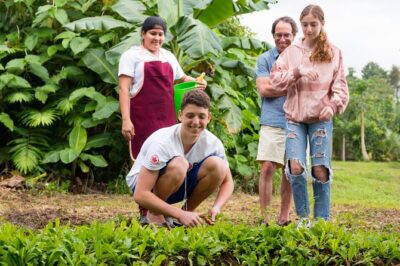
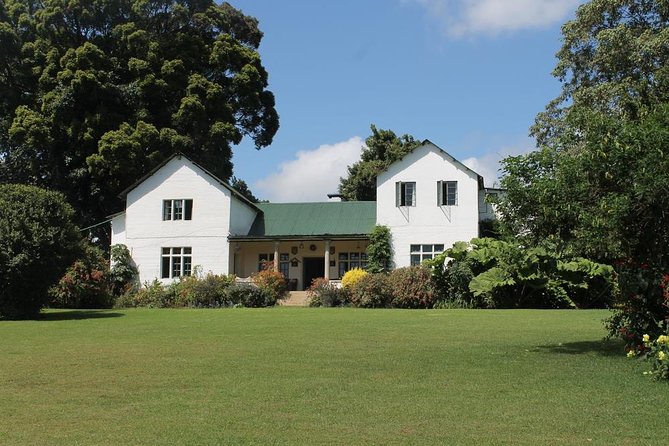
You’ll get a proper welcome at the main house with tea and homemade biscuits from Marcus and Fiona, then a guided stroll through tea gardens and parts of the indigenous forest that were kept while most surrounding land shifted to plantations. I also appreciated that the focus stays practical: how tea grew into one of Kenya’s biggest export crops, and what daily farm life looks like.
One thing to plan around: the estate is closed every Monday, plus Christmas Day and Happy New Year’s Day. If your dates land on those days, you’ll need a different activity.
In This Review
- Quick Hits: What Makes This Tour Worth Your Time
- Price and What $125 Covers in Real Life
- Getting There from Nairobi: Pickup, Start Time, and Timing
- First Stop at Kiambethu Main House: Tea and Homemade Biscuits
- The Indigenous Forest Walk: Colobus Monkeys and Real Preservation
- Tea Gardens and Settler Culture Context: More Than a Plantation Photo
- Lunch and Afternoon Tea: Three Courses in an Estate Setting
- Guides, Group Size, and the Pace You’ll Feel
- When This Tour Is the Best Fit for You
- Should You Book Kiambethu Tea Farm Tour & Lunch From Nairobi?
- FAQ
- What is the duration of the Kiambethu Tea Farm tour?
- What time does the tour start?
- Is hotel pickup and drop-off included?
- What meals are included?
- What is included with the ticket?
- How much does the tour cost?
- Is there a group size limit?
- What days is the estate closed?
- What is not included in the price?
Quick Hits: What Makes This Tour Worth Your Time
- Hotel pickup and drop-off in Nairobi so you’re not stuck arranging transport
- Marcus and Fiona’s welcome with tea and homemade biscuits at the main house
- Old indigenous forest walk with a strong chance to spot colobus monkeys
- A guided tea-making and settler-culture history lesson tied directly to how the farm operates
- A three-course lunch using freshly sourced, locally supported ingredients
- Professional English-speaking guides who also focus on wildlife and culture
Price and What $125 Covers in Real Life
At $125 per person, this tour sits in the “do one good thing” category rather than the bargain-bin category. You’re paying for more than entry to a farm: you’re getting a guided half day that includes transport from Nairobi, a full farm visit, a wildlife-oriented forest walk, and a three-course lunch plus afternoon tea.
Value check: if you’d otherwise pay separately for a guide, transport out of Nairobi, and a meal, the price starts to make sense. And the $125 is for a single, well-structured experience lasting about 6 hours. That matters because tea farm days can turn into long, aimless half-days if you’re doing it on your own.
Also note what’s not included. Drinks, personal expenses, and tips aren’t covered, and souvenir photos cost extra if you want them. If you like to snack and hydrate all day, budget a little more than the base price.
You can also read our reviews of more tours and experiences in Nairobi.
Getting There from Nairobi: Pickup, Start Time, and Timing
The tour starts at 9:30 am, with pickup from your Nairobi hotel or accommodation and drop-off back afterward. You’ll arrive at the estate around 11:00 am at the main house, which gives you a smooth pace: you’re not spending the first hour “waiting to begin,” and you still get daylight for the forest walk and gardens.
Expect the day to feel like a guided schedule more than a free-roam outing. That’s a plus for first-timers—especially if you’re trying to see monkeys and understand tea history without getting stuck guessing where to go.
Duration is listed as about 6 hours, so plan your next day the way you would after a solid activity. You’ll be out of the city long enough that you’ll feel like you left Nairobi, but not so long that you lose the whole day.
First Stop at Kiambethu Main House: Tea and Homemade Biscuits
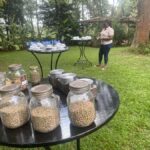
The experience opens at the Kiambethu Tea Estate main house, where Marcus and Fiona welcome you with homemade biscuits and tea before the stories start. This is a small detail, but it’s the kind of thing that turns a “tour” into a real welcome.
From there, your guide sets the tone with tales about the farm and how tea is made. The key is that you’re hearing it while you’re standing where it matters—around the gardens and the estate grounds—not in a lecture hall.
You also get time for a stroll around the home gardens. This is where you may catch glimpses of the resident colobus monkeys. Even if you don’t see them right away, you’re still walking through an estate environment that feels cared for and alive, not like a parking-lot stop.
The Indigenous Forest Walk: Colobus Monkeys and Real Preservation
This is one of the most meaningful parts of the day. You’ll take a walk through an indigenous forest that’s been preserved. The context given is important: much of the area around it was cleared to make way for tea farms, which means this forest is more than scenery—it’s a surviving piece of the original environment.
Your guide is also described as highly entertaining and comical, and that helps here. Wildlife walks are never perfectly predictable. The forest is where you slow down a bit, listen, look up, and let the place do its thing.
What you’re aiming for is spotting colobus monkeys. Kiambethu is known for its colobus population, so the odds are better than in places where monkeys are just a maybe. Still, think of it like this: you’re going for the walk and the chance to see them, not for a guaranteed photo-op.
Practical tip: keep your eyes moving between canopy and treetops. Colobus can be easier to spot by noticing motion than by searching the ground.
Tea Gardens and Settler Culture Context: More Than a Plantation Photo
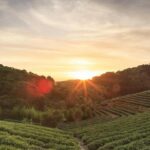
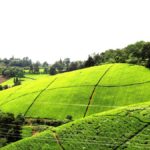
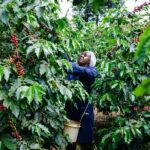
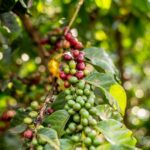
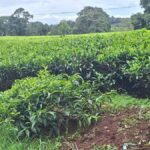
After the forest, you’ll spend time with the tea gardens and get the story of tea’s evolution into one of Kenya’s major export crops. That part matters because it connects the landscape you’re walking through to how the economy and farming shaped the region.
You’ll also learn about settler culture and history in Kenya as part of this farm tour. The important thing for you as a visitor is that the information isn’t floating in the abstract. It’s tied to the working reality of the estate and the role of tea in its growth and operations.
This is where a good guide really earns their fee. The tour description emphasizes that the guides are experts in wildlife, culture, and tour guiding. That combination helps you understand what you’re seeing without turning the day into a trivia contest.
And because this isn’t just a one-size-fits-all plantation loop, it tends to feel more thoughtful. You’ll leave knowing that tea farms aren’t only about tea—they’re about people, land use, and how local ecosystems survived in pockets.


Lunch and Afternoon Tea: Three Courses in an Estate Setting
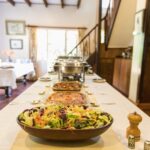
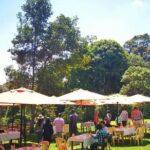
Lunch is included, and it’s served as a three-course meal with fresh ingredients. The day is structured so you don’t just get fed—you get to relax and slow down after the walking.
The meal is described as locally sourced in large part, which is the kind of detail that affects your experience more than people expect. When ingredients are coming from nearby systems, the food tends to feel more connected to where you are and less like you’re eating a generic package meal.
After lunch, you’ll also get afternoon tea as part of the included program. Tea is obviously a theme here, but the best part is that it becomes part of the rhythm of the estate. You’ll have a chance to settle, digest, and reflect on what you learned before you head back.
If you have dietary restrictions, you might want to ask ahead when booking, since only “lunch and afternoon tea” is explicitly listed as included. The tour data doesn’t spell out specific options, so it’s worth confirming directly with the provider if that’s relevant for you.
Guides, Group Size, and the Pace You’ll Feel
The tour runs with professional English-speaking guides, and the group size has a maximum cap of 100 travelers. In practice, you’ll still want to treat this as a group activity with a set itinerary—because the farm walk, forest portion, and lunch schedule all run on timing.
The guide style is described as entertaining and comical. That helps a lot in wildlife settings, where you can’t force a monkey to appear on cue. A lively guide keeps energy up and helps you pay attention.
Also, this is pickup from Nairobi plus drop-off at the end. That makes the pace easier. You’re not planning your transport around traffic or trying to negotiate rides at the farm gates.
One more factor: the tour uses a mobile ticket. If you like having everything on your phone, this is convenient. If you prefer printed tickets, you’ll still likely be fine, but it’s worth having access to your booking details.
When This Tour Is the Best Fit for You
This is ideal if you want a day trip that mixes three things in a real way: tea culture, Kenyan historical context, and wildlife. If you’re the kind of traveler who likes seeing animals but also wants meaning behind what you’re standing in front of, this tour fits.
You’ll also like it if you value a guided structure. The day includes a history lesson, multiple walking segments, and an included meal, so you don’t have to figure out timing or route.
It may be less ideal if you want total freedom to linger wherever you want. The itinerary runs on a schedule, and you’ll likely move through the forest and gardens with the group.
Finally, keep in mind the closing days. If your trip includes a Monday (or Christmas Day or Happy New Year’s Day), your plans need backup.
Should You Book Kiambethu Tea Farm Tour & Lunch From Nairobi?
Yes, with one clear condition: check your calendar first. If the estate is open on your day, this is a strong choice for a Nairobi visit because it pairs a well-run tea farm experience with a preserved forest walk where colobus monkeys are a real draw.
I’d book it if you want:
- a guided, story-driven tea farm visit from Nairobi
- a meaningful walk through indigenous forest (not just plantation rows)
- a included three-course lunch and afternoon tea so you don’t lose time hunting food
I’d skip it or swap it if:
- your dates fall on a closure day
- you don’t like group-paced schedules or structured itineraries
- you’re mainly looking for something that feels fully hands-on with zero walking (this includes walking segments)
If you want an easy, high-reward half-day that still feels distinctly Kenyan, Kiambethu is a very solid bet.
FAQ
What is the duration of the Kiambethu Tea Farm tour?
The tour lasts about 6 hours (approx.).
What time does the tour start?
The start time is 9:30 am.
Is hotel pickup and drop-off included?
Yes. Pickup from your hotel/accommodation in Nairobi and drop-off back to your hotel or residence are included.
What meals are included?
Lunch and afternoon tea are included at Kiambethu Estate.
What is included with the ticket?
You’ll get admission to Kiambethu Estate for the local history lecture, the forest and tea plantation walk, plus lunch and afternoon tea.
How much does the tour cost?
The price is $125.00 per person.
Is there a group size limit?
Yes. The maximum group size is listed as 100 travelers.
What days is the estate closed?
It is closed every Monday, Christmas Day, and Happy New Year’s Day.
What is not included in the price?
Personal expenses, tips/gratuity, travelers insurance, laundry, and communication charges are not included. Souvenir photos are available to purchase but are not included. Drinks are also not included unless specified.
If you want, tell me your travel dates and any dietary needs, and I’ll help you sanity-check whether this tour fits your schedule.