REVIEW · OCALA
Ocala: Gypsy Gold Horse Farm Horses & History Tour
Book on GetYourGuide →Operated by Gypsy Gold LLC · Bookable on GetYourGuide
A horse story with real roots in culture. Gypsy Gold Horse Farm turns a visit into a calm, factual lesson about the Gypsy Vanner and the people who helped shape the breed. I love that you get both the origin story and the real animals in front of you, not just generic farm photos.
My favorite part is the way the hosts connect the dots from the first U.S.-registered horses to what the breed became in North America, with Dennis Thompson leading the history talk. The main drawback is simple: this tour is not suitable for wheelchair users or people with animal allergies, so check that before you plan.
In This Review
- Key takeaways before you go
- Why Gypsy Vanner Horses feel different the moment you arrive
- Dennis and Cindy Thompson: the people behind the first 16
- The tour flow that keeps you oriented (1 hour lecture, then meet the animals)
- Photo-op with a Gypsy Vanner: worth it, because you’ll know what you’re seeing
- The 40-acre farm visit: where the story turns into real-world reality
- Animals beyond horses: mules, donkeys, and parrots
- Learning Gypsy culture without turning it into a costume
- What you’ll get for $50: paying for structure, access, and meaning
- Timing and what to plan for in Ocala
- Practical tips: closed-toe shoes, hats, and carrots
- When this tour fits best (and when it won’t)
- Should you book Gypsy Gold Horse Farm in Ocala?
- FAQ
- How long is the Ocala Gypsy Gold Horses and History Tour?
- What happens during the 2-hour educational tour?
- What animals will we see during the farm tour?
- Where and when do the tours run?
- What should I bring with me?
- Are pets allowed?
- Is the tour wheelchair friendly, and is it okay with animal allergies?
Key takeaways before you go
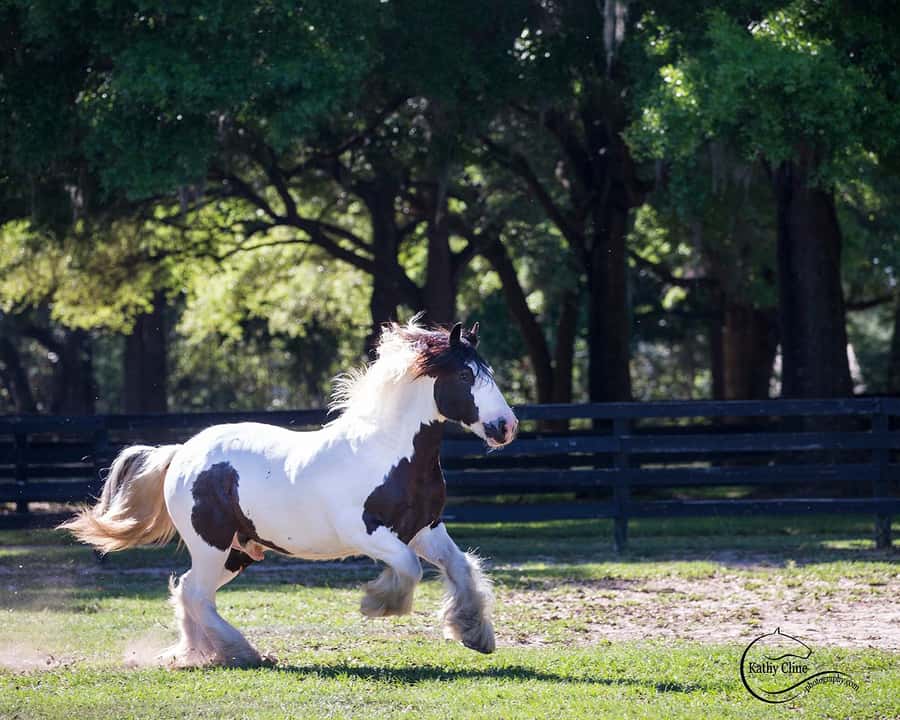
- First 16 registered Gypsy Vanner horses live here, with the breed’s growth in North America as part of the story
- Dennis Thompson’s 1-hour lecture sets the context before you meet the animals
- Photo-op time gives you a chance to capture the Gypsy Vanner look up close
- A guided walk across 40 acres with horses plus mules, donkeys, and parrots
- Two tour lengths: a 2-hour educational option or a 1-hour walking tour
Why Gypsy Vanner Horses feel different the moment you arrive
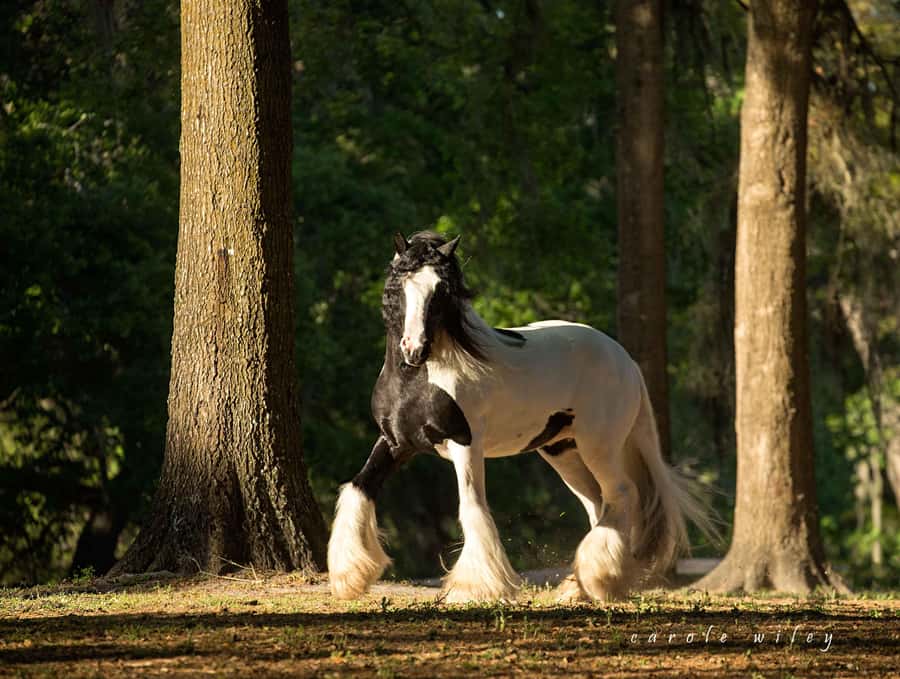
Ocala calls itself a horse town for a reason, but this isn’t a factory-tour vibe. At Gypsy Gold Horse Farm, the focus stays on one breed and one cultural origin, so everything feels connected instead of random.
The Gypsy Vanner horses are the headline, and the whole experience helps you see why. You’re not just looking at “pretty horses.” You learn what makes them special and how the Gypsy communities worked toward the kind of horse they wanted.
You can also read our reviews of more tours and experiences in Ocala.
Dennis and Cindy Thompson: the people behind the first 16
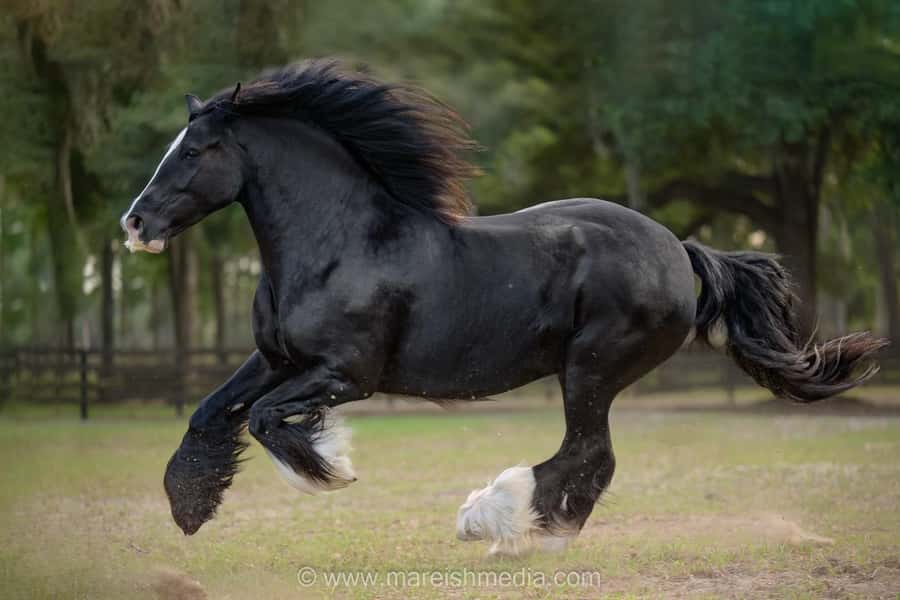
A big part of the value here is that the story is told by the people tied to it. Dennis Thompson shares the breed’s history with you at the start, then the farm tour follows his narrative in a very practical way: you hear the origin, and then you see the animals.
You also learn about how Dennis and Cindy Thompson discovered the horse while traveling through the English countryside. They traced it back to a Gypsy camp and spent time learning everything they could about the breed. From there came a multi-year effort to bring early examples to the United States and build an official registry.
One detail I really appreciate: the farm connects breed identity to documentation. The Gypsy Vanner Horse Society was established for the breed, and the farm’s role in housing the first 16 registered horses gives you a sense of history you can actually stand on.
The tour flow that keeps you oriented (1 hour lecture, then meet the animals)
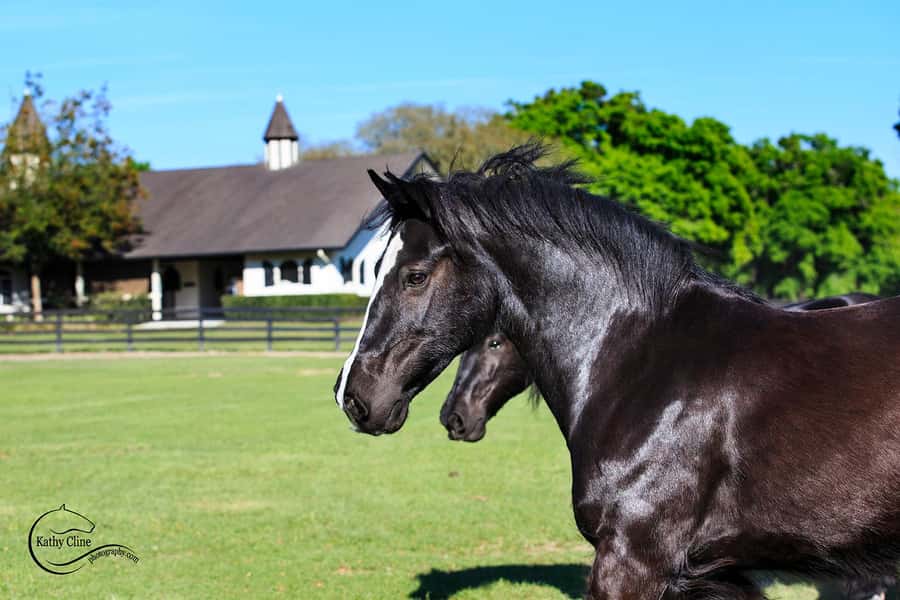
The schedule is straightforward, and that’s a plus. You’ll start with a 1-hour lecture about the history of the Gypsy Vanner horse and the British Gypsy culture that helped create the breed. This is where you get your bearings, so the farm visit makes more sense afterward.
After the lecture, there’s a photo-op with a Gypsy Vanner horse. It’s short, but it’s intentional, and it’s a good chance to get a clear look before the farm walk.
Then you shift into a 1-hour guided tour of the 40-acre farm. This is the part that turns facts into a real sensory experience. You’ll meet the animals the farm calls home, including horses, mules, donkeys, and parrots.
If you choose the shorter option, you still get the farm visit, just in a more time-limited format. The 2-hour educational tour is the better pick if you want the cultural story explained end to end.
Photo-op with a Gypsy Vanner: worth it, because you’ll know what you’re seeing
That photo-op time might sound like a standard add-on, but the way it’s placed in the schedule matters. Because the lecture comes first, you’re not photographing blindly. You’re looking with context, so the horse’s look and traits feel more meaningful.
Practical tip: bring your camera ready and wear comfortable shoes so you’re not rushing. Also, if you want good photos, plan to arrive with your camera settings already figured out. You’ll have limited time once the group is moving.
The 40-acre farm visit: where the story turns into real-world reality
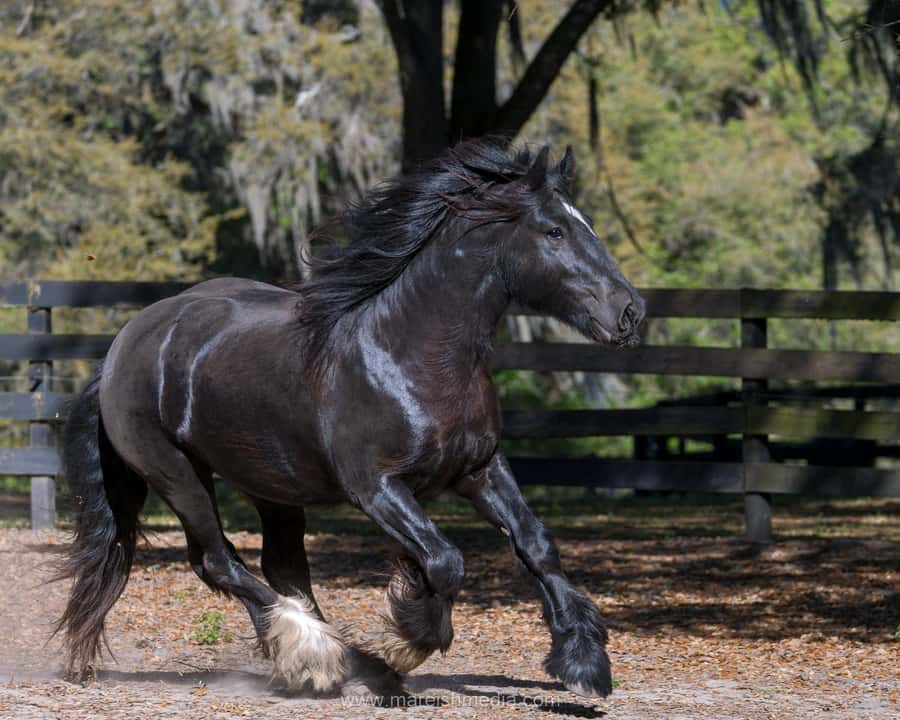
Gypsy Gold Horse Farm isn’t just a backyard with animals. The farm spans 40 acres, and the guided portion is designed to help you move through the space while meeting different animals.
What I like about this format is that it’s not “look and leave.” You get a hosted walk where the guide can answer questions and point out what matters. For a lot of horse experiences, you end up doing the same short loop. Here, the setting supports a longer, more relaxed visit.
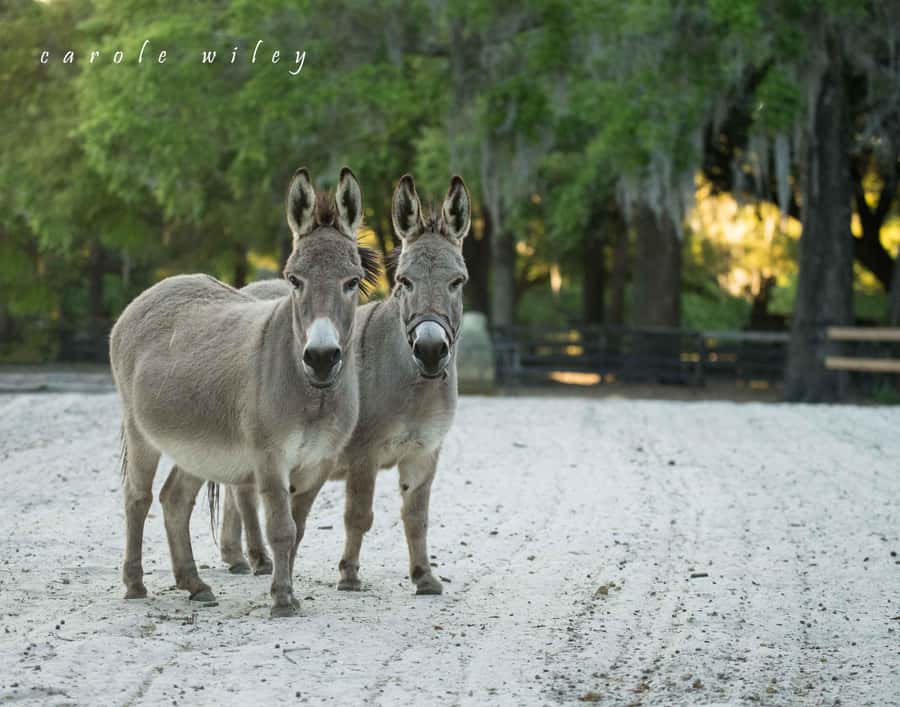
During the guided tour, you’ll meet not only horses but also mules, donkeys, and parrots. That variety makes the farm feel like a living place, not a single-species exhibit.
Animals beyond horses: mules, donkeys, and parrots
This is one of those details that can surprise you in a good way. If you’re coming for the Gypsy Vanner, you’ll absolutely get that. But the experience doesn’t stop there.
You’ll encounter mules and donkeys, which helps you broaden your understanding of how different animals fit into farm life. And the parrots add a lighter, more unpredictable element. It keeps the visit from feeling like a single-note parade.
If you’re the type who enjoys noticing habits—where animals go when you approach, how they respond to voice and movement—this part of the tour tends to be memorable.
Learning Gypsy culture without turning it into a costume
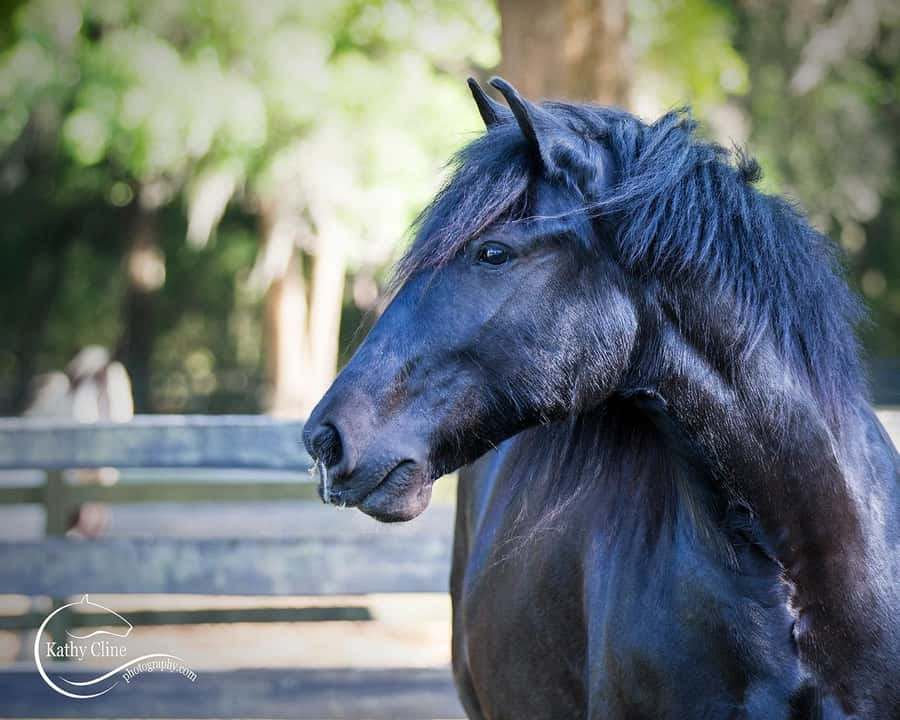
The description of this experience uses the word cultural, and that matters. The goal isn’t to put Gypsy culture on display like a novelty. It’s about understanding how the Gypsy Vanner horse came out of a community’s needs and dreams.
What’s valuable for you as a visitor is that the tour treats the subject like real history and real people. You learn how Dennis and Cindy Thompson spent time in Gypsy camps in the process of studying the breed, including how they helped name the breed and build the registry.
It’s also a reminder that some societies are widely misunderstood, and that learning more can change how you look at an animal. After the lecture, the farm doesn’t feel like entertainment only. It feels like education you can walk through.
What you’ll get for $50: paying for structure, access, and meaning
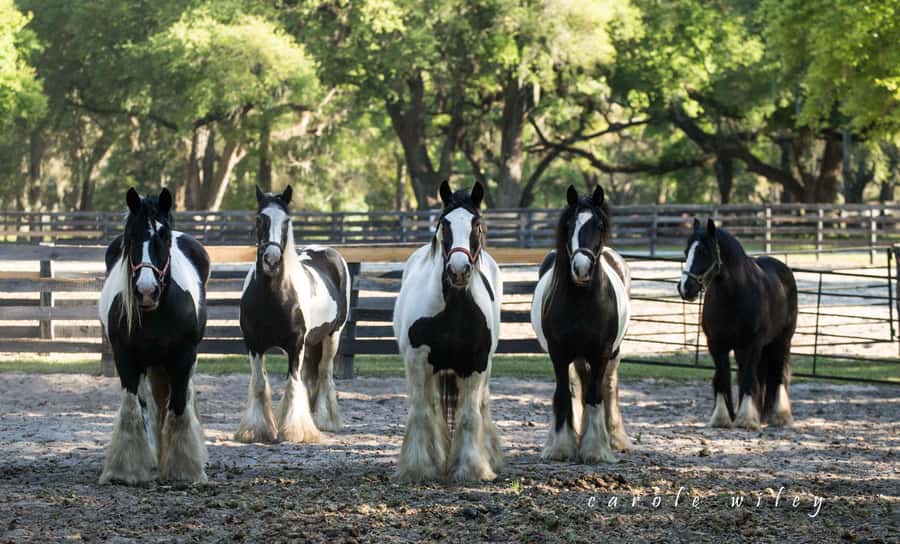
At $50 per person for the 2-hour educational tour, you’re not just buying time near horses. You’re paying for a guided, explained experience that includes:
- a 1-hour lecture led by Dennis Thompson
- a photo-op with a Gypsy Vanner horse
- a 1-hour guided farm tour across 40 acres
That structure is where the value comes from. A self-guided farm stop can be cheaper, but it doesn’t normally include the “why” behind what you’re seeing. Here, you leave with context: what the breed is, where it came from, and how it was documented in North America.
If you’re short on time or prefer less talking, the 1-hour walking tour can make the math work better. Think of it as a faster version of the same farm access, with less of the cultural and breed background.
Timing and what to plan for in Ocala
Tours run every Monday, Wednesday, Friday, and Saturday, with start times at 10:00 AM or 1:30 PM. That’s helpful because it means you can plan your day around a predictable slot.
Because the farm visit includes walking and standing, you’ll want to treat this like a real activity, not a quick stop. Wear weather-appropriate clothing and don’t forget water, especially in Florida heat.
Also note the experience is guided in English, and it’s set up as a private group format. If you like questions and conversation, private group setups often make that easier.
Practical tips: closed-toe shoes, hats, and carrots
This is the kind of tour where small preparation makes a big difference. The farm asks for closed-toed shoes, so skip sandals even if the weather looks friendly. You’ll also be better off in comfortable walking shoes because you’ll be on your feet during the guided portion.
Bring a hat, sunscreen, and water. The tour length is only about 2 hours, but Florida sun doesn’t care about schedules.
And yes, bring carrots. The tour guidance specifically suggests it, which usually means you’ll have a safe opportunity to interact in a planned way during the visit.
If you’re into photography, bring your camera too. A lot of people come for the horse look, and you’ll want to capture it before you forget how the day felt.
When this tour fits best (and when it won’t)
This is a strong choice if you want a mix of horses plus culture plus a clear narrative. You’ll likely enjoy it most if you’re the type who likes understanding origins and not just seeing animals.
It’s also a good pick for photography lovers who want a photo-op with a specific breed right after getting context from the lecture.
On the flip side, the tour is not suitable for wheelchair users and it isn’t suitable for people with animal allergies. If either of those applies, skip it and look for a different Ocala option that matches your needs.
And if you’re coming expecting a long, hands-on petting experience, adjust your expectations. The structure is built around an educational lecture and a guided farm walk.
Should you book Gypsy Gold Horse Farm in Ocala?
I’d book it if you want more than a typical horse stop. The combination of Dennis Thompson’s 1-hour lecture, a photo-op, and a guided 40-acre visit with multiple animals gives you a complete package for $50.
I’d also book it if you’re curious about how the Gypsy Vanner breed ties into a British Gypsy cultural background and why the Thompsons’ work mattered in establishing the registry and bringing early horses to the United States.
But I wouldn’t book it if accessibility or allergies are a concern, since it’s explicitly not suitable for wheelchair users or people with animal allergies. And if your group prefers short, low-structure entertainment, choose the 1-hour walking tour instead of the longer educational version.
If you want one calm, well-organized way to learn something real in Ocala, this is one of the best bets on the board.
FAQ
How long is the Ocala Gypsy Gold Horses and History Tour?
The standard tour is about 2 hours. There’s also a 1-hour walking tour option.
What happens during the 2-hour educational tour?
It includes a 1-hour lecture about the breed’s history, followed by a photo-op with a Gypsy Vanner horse. Then you take a 1-hour guided tour of the farm to meet the animals.
What animals will we see during the farm tour?
You’ll meet Gypsy Vanner horses, plus mules, donkeys, and parrots that live on the farm.
Where and when do the tours run?
Tours run every Monday, Wednesday, Friday, and Saturday. The starting times are 10:00 AM and 1:30 PM.
What should I bring with me?
Wear comfortable closed-toe shoes and bring a hat, sunscreen, camera, and water. The guidance also suggests bringing carrots.
Are pets allowed?
No, pets are not allowed.
Is the tour wheelchair friendly, and is it okay with animal allergies?
No. The tour is not suitable for wheelchair users or people with animal allergies.