REVIEW · CUSCO
Cusco: Alpaca and Llama Farm Tour w/ Transfer & Weaving Demo
Book on GetYourGuide →Operated by Andina Expeditions · Bookable on GetYourGuide
A short walk from Cusco’s noise. This farm tour mixes alpacas and llamas with Inca-era context and a hands-on look at how textiles get made. I love how close you get to the animals without it feeling like a rushed zoo stop.
Two things I especially like: the weaving demonstration (you’ll see skills, tools, and the logic behind them) and the way the guide links camelids to Andean life and history. One consideration: the end is shop-heavy, and if you’re price-sensitive you’ll want to browse with a plan.
In This Review
- Key Points to Know Before You Go
- Cusco Alpaca Farm Time: A Fresh Air Break That Still Feels Connected
- Getting Picked Up and Skipping the Fuss at Manos de la Comunidad
- Meet the Camelids: Alpaca vs Llama (and the Extras)
- Up Close Time: Feeding, Petting, and Getting Better Photos
- The Weaving Demonstration: How Andean Textiles Actually Work
- Culture + Inca Context: Why the Story Matters Here
- Extras You Might See: Museum Pieces and Other Animals
- The Gift Shop Factor: Plan Your Spending Before You Browse
- Price and Logistics: Is $34 Good Value?
- Who This Tour Fits Best (and Who Should Skip It)
- Should You Book This Cusco Alpaca and Llama Farm Tour?
- FAQ
- What animals will I see on this tour?
- How long is the Cusco alpaca and llama farm tour?
- Does the tour include hotel pickup and drop-off?
- Is a weaving demonstration included?
- What’s included in the price?
- Are souvenirs included?
- What languages is the tour offered in?
- Is the tour wheelchair accessible?
- Will I need to wait in line?
- FAQ
- What’s the cancellation policy?
- Can I reserve without paying right away?
- What’s the price per person?
Key Points to Know Before You Go
- A quick escape from Cusco: the farm is about 20 minutes from the historic center.
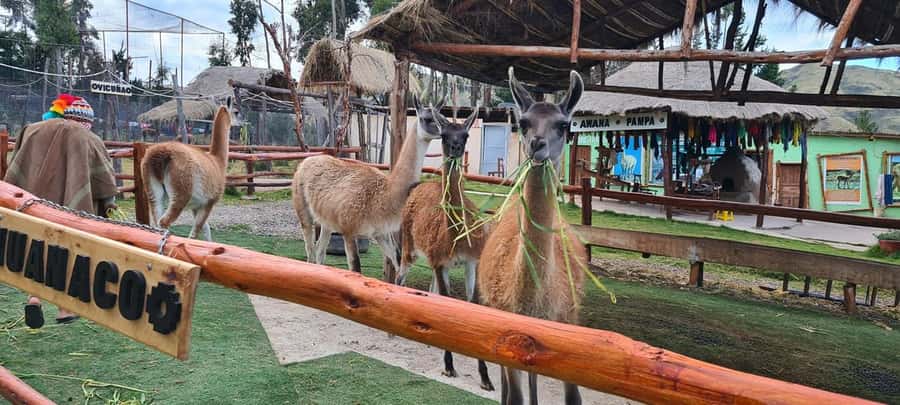
- Camelids up close: alpacas, llamas, and other species like vicuñas and huanacos.
- Inca link built into the tour: domestication and how the Incas used these animals.
- Textiles are the star: watch weaving techniques and learn about wool and fabric quality.
- English or Spanish guides: the tour runs with a live guide and includes water.
- Good value for the time: hotel pickup/drop-off plus a guided farm visit for around 150 minutes.
Cusco Alpaca Farm Time: A Fresh Air Break That Still Feels Connected
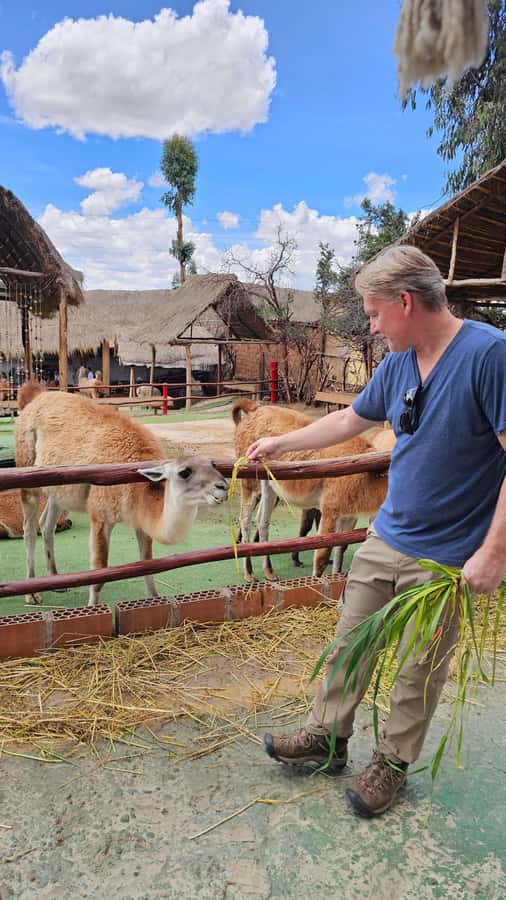
Cusco can hit you with altitude, cobblestones, and constant motion. This tour gives you a calmer change of pace fast, since you’re leaving the city behind and heading to the countryside in about 20 minutes. It’s the kind of outing that works when you want something meaningful but not exhausting.
What makes it more than a simple animal visit is the story layer. You’ll hear about domestication and the camelids the Incas developed—so your photos come with context, not just cuteness. And if you’re into crafts, you also get textiles right in the middle of the experience.
The setting matters for comfort too. You’ll start with hotel pickup, then settle in for a structured guided visit. It’s also short enough to pair with other Cusco plans the same day without turning your itinerary into a sprint.
You can also read our reviews of more tours and experiences in Cusco.
Getting Picked Up and Skipping the Fuss at Manos de la Comunidad
Your day starts with hotel pickup in Cusco and a transfer to the farm. You’ll be at the site quickly, which is a real win when you’re still adjusting to the altitude. The tour runs about 150 minutes total, including the ride time, so you don’t have to guess your whole day away.
A nice touch: you’re guided through a separate entrance, which helps you avoid the main line. That sounds minor until you’re standing around in thin air with tired legs. You’ll also have a guide present from start to finish, so you’re not stuck trying to interpret the animals and equipment on your own.
One practical reality: while the total duration is listed as 150 minutes, you may find the on-site portion feels like it varies depending on the day and the group flow. Build a little buffer into your schedule if you have a tight dinner reservation.
Meet the Camelids: Alpaca vs Llama (and the Extras)
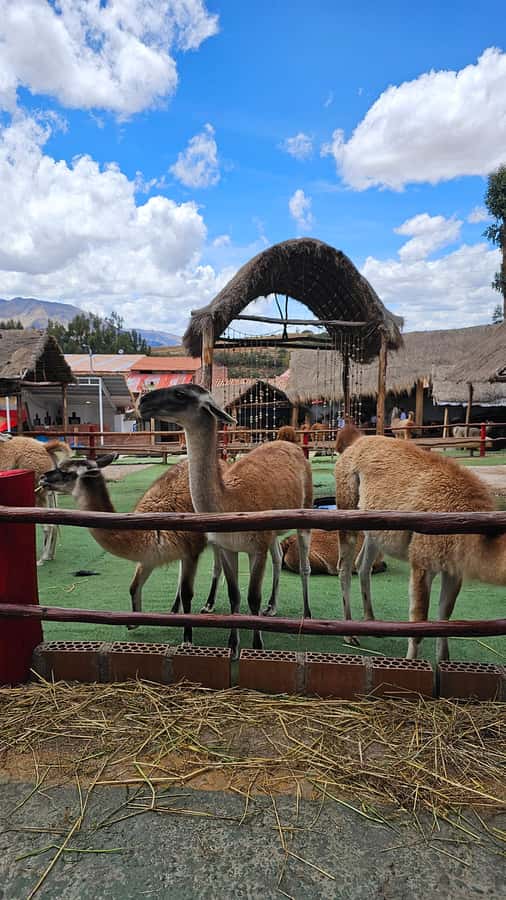
The farm tour is built around the camelids themselves. You’ll see different types of alpacas and llamas, plus their ancestors or related species. That “family tree” approach is the best way to understand what you’re looking at, because these animals can look similar until someone points out the differences.
You’ll get the domestication story and how the Incas developed these camelids. That context makes the animal viewing feel purposeful. You’re not just spotting fur and faces; you’re learning why these animals mattered in Andean life—food, fiber, transport, and more.
Then comes the lineup of species that adds variety:
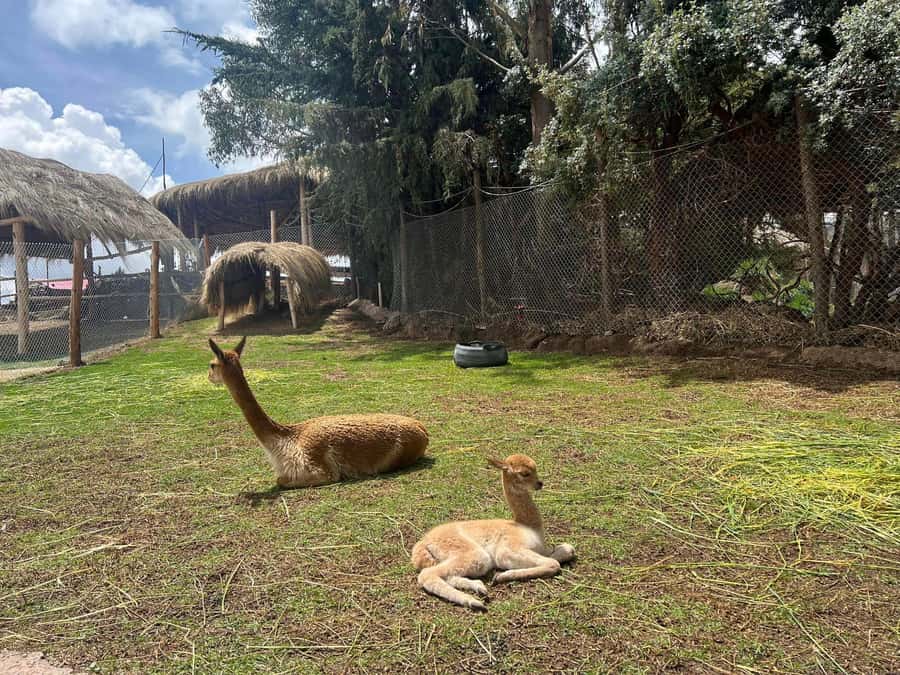
- Vicuñas, often described as the gold of the Andes.
- Huanacos, which are part of the wild lineage that connects to domesticated camelids.
Seeing vicuña and huanaco in the same outing helps you compare traits in real life, instead of relying on memory from photos. It’s a quick education you can take home, even if you’re not a “farm animal person.”
Up Close Time: Feeding, Petting, and Getting Better Photos
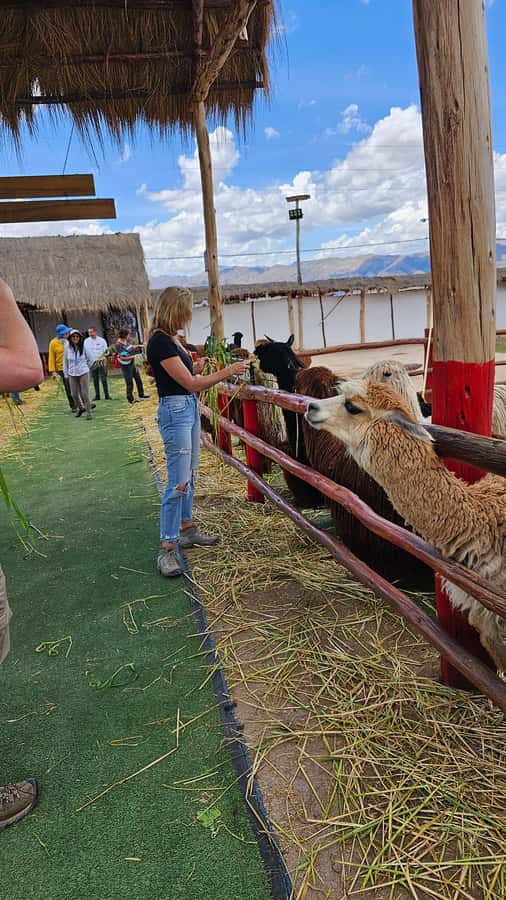
This tour is set up for real interaction, not just viewing behind a fence. You get up close with alpacas and llamas, and you’ll likely be able to feed and pet them by hand. That kind of contact does two things: it makes the animals feel calmer and more familiar, and it gives you better photo opportunities.
Bring your patience for the simple reasons. Camelids have personalities, and they don’t always pose on command. If you’re aiming for photos, watch what your guide does first—where they stand, how they move slowly, and when they encourage people to step in. Small changes like that can turn a blurry shot into a solid portrait.
You’ll also want to keep an eye on what the guide is explaining while you’re photographing. The tour is most satisfying when you connect the look of each species to the fiber or history behind it.
The Weaving Demonstration: How Andean Textiles Actually Work
If you only came for the animals, the weaving demo is the surprise that keeps the tour from feeling one-note. The experience is designed around traditional weaving techniques, with a guided explanation of what you’re seeing and why it matters.
In practical terms, you’ll see how native people practice weaving and the skills used to produce textiles. That means you’re not just watching a finished product—you’re observing the process as a craft with steps and logic. It’s the difference between buying a sweater and understanding where the work went.
There can also be textile quality talk, including guidance on spotting real fiber versus imitations. One visitor specifically noted advice on how to tell real baby alpaca fabric from fakes. Even if the exact examples vary by guide, the goal is consistent: help you appreciate what you’re purchasing (or choosing not to).
And yes, the weaving segment can include dyeing and broader textile knowledge. If your trip already includes markets, this demo helps you shop smarter because you’ll know what questions to ask.
Culture + Inca Context: Why the Story Matters Here
This is the part that makes the tour feel more like a Cusco activity and less like a generic farm trip. You’ll hear about the days of the ancient Incas and how these animals fit into that world—especially through domestication and use of camelid fiber.
That connection also helps your brain file the day under “learning,” not just “entertainment.” The guide ties animal facts to Andean culture, so it feels like you’re building a small mental map of the region. You end up with a better appreciation for why alpaca and llama textiles are such a big part of the local economy.
It also makes you more likely to ask questions. The guide experience can be excellent when the language matches your comfort. The tour runs in English or Spanish, and you’ll have a live guide who can answer what you’re noticing in the moment—like why a fiber looks a certain way or how the weaving step-by-step leads to a finished cloth.
Extras You Might See: Museum Pieces and Other Animals
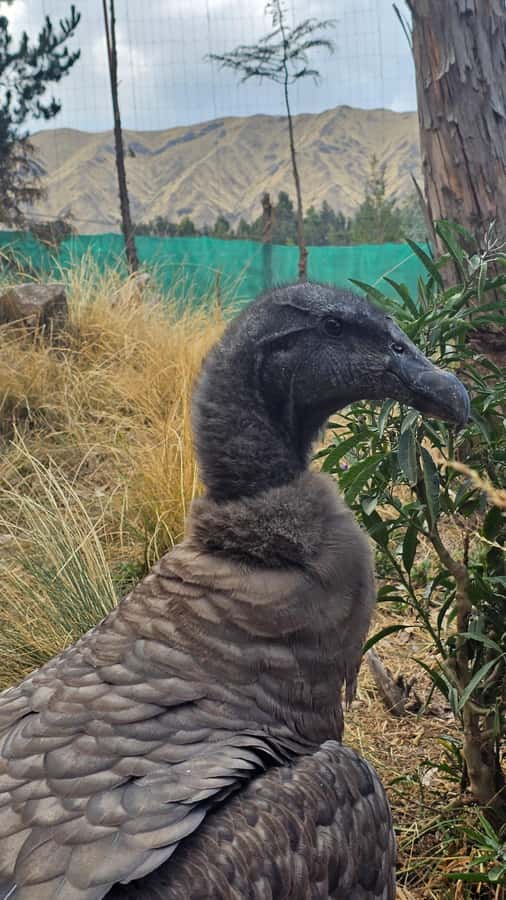
Some tours here add a small museum or extra animal stops. You might also catch conservation-themed content and a bonus look at condors. One visitor even mentioned seeing rescued condors as an extra highlight, plus other animals like deer and guinea pigs.
I’d treat these as “possible add-ons,” not guaranteed every single day. But the bigger idea is consistent: the farm isn’t only about fiber production. It’s also trying to educate and show why caring for these animals matters.
If you love variety, these extras can make the visit feel longer and more layered. If you prefer a focused alpaca-and-llama session only, you’ll still get plenty of that—the tour is anchored in the camelids and weaving.
The Gift Shop Factor: Plan Your Spending Before You Browse
At the end, there’s time to shop, and it can feel a bit retail-heavy. Souvenirs aren’t included, so if you want something for your home, this is where you’ll decide. A practical heads-up: the shop pricing may feel high compared to other Cusco shopping options, and you might see a big markup on certain items.
The good news is that at least some people didn’t feel pushed aggressively. Still, treat the shop like a last step, not the main event. If you buy, buy with confidence:
- ask what the fiber is,
- compare quality you learned from the weaving demo,
- and avoid impulse purchases right on the spot.
If you want a simple strategy, set a spending ceiling before you arrive. Then you can browse without turning it into a price negotiation in your head.
Price and Logistics: Is $34 Good Value?
At $34 per person for about 150 minutes, this is strong value on paper—especially because it includes hotel pickup and drop-off, a guide, the farm visit, the weaving demonstration, and water. You’re also getting help with logistics via the separate entrance for the tour.
What you’re paying for isn’t just access to animals. It’s access plus explanation: domestication context, species comparison (alpacas, llamas, vicuñas, huanacos), and then the textile skills portion. That blend—animals + craft + culture—adds weight to the price.
The only value warning is time expectations. A small number of people felt the tour ran shorter or moved quickly on-site. That doesn’t mean it’s bad, but it’s a reason to expect a well-run tour rather than a slow, linger-all-day experience.
Who This Tour Fits Best (and Who Should Skip It)
This tour is ideal if you:
- want a short, meaningful outing close to Cusco,
- like animals but also want the “why” behind what you’re seeing,
- enjoy hands-on crafts or textile markets,
- need a gentle day while you acclimate.
It may be less ideal if you’re only interested in long stays with maximum animal time. The weaving demo and guided pacing are part of the design, so you won’t get an unstructured “hours and hours” farm hang.
Also, if you’re the type who hates shopping stops, go in with boundaries. You don’t have to buy anything, but the shop is part of the final rhythm.
Should You Book This Cusco Alpaca and Llama Farm Tour?
Yes, if you want a low-stress Cusco day that teaches you something real. The combination of up-close camelid time, Inca-linked context, and a weaving demonstration makes this feel like more than a cuteness factory.
Book it especially if you’re early in your trip and want an easier activity that still adds depth. The hotel pickup helps, the separate entrance cuts down delays, and the included guide means you won’t miss the details that make the experience worthwhile.
Consider a different option if you’re allergic to retail time or you want a long, slow, self-paced farm visit. For most people, though, this one hits a sweet spot: animals you can meet, crafts you can understand, and a day that fits neatly into a Cusco schedule.
FAQ
What animals will I see on this tour?
You’ll see different types of alpacas and llamas on the farm. The tour also highlights vicuñas (often called the gold of the Andes) and huanacos.
How long is the Cusco alpaca and llama farm tour?
The total duration is listed as 150 minutes.
Does the tour include hotel pickup and drop-off?
Yes. Hotel pickup and drop-off are included.
Is a weaving demonstration included?
Yes. You’ll attend a weaving demonstration as part of the farm visit.
What’s included in the price?
The tour includes hotel pickup and drop-off, a guide, the farm visit, a weaving demonstration, and water.
Are souvenirs included?
No. Souvenirs are not included.
What languages is the tour offered in?
The tour is offered in English and Spanish.
Is the tour wheelchair accessible?
Yes, the tour is listed as wheelchair accessible.
Will I need to wait in line?
You’ll use a separate entrance, which helps you skip the main line.
FAQ
What’s the cancellation policy?
Free cancellation is available up to 24 hours in advance for a full refund.
Can I reserve without paying right away?
Yes. The tour offers reserve now & pay later.
What’s the price per person?
The price is $34 per person.