REVIEW · CUSCO
Private Ollantaytambo, Pisac Ruins Tour with Farm Visit, Gourmet Picnic Lunch
Book on Viator →Operated by Valentins Pachamama Journeys · Bookable on Viator
Two ruins, one farm lunch. This private day in the Sacred Valley mixes Ollantaytambo and Pisac with a real look at how Andean families grow food and make traditional drinks. I especially like the combo format, because you get both Inca sites in one smooth schedule, plus time to ask questions. I also love the farm stop, with a gourmet picnic on local organic produce and hands-on chicha context. The main catch: entrance fees are not included, so you’ll want to plan for the Boleto Turístico cost, and there’s some walking and stairs.
I’m also drawn to the on-the-ground feel. You’ll visit a non-tourist market in Urubamba to taste Andean fruits like lucuma and chirimoya, and you’ll get the story behind chicha as part of farm and market time. If you end up with a guide like Valentin (one past guide highlighted for Sacred Valley roots), expect strong context on daily village life, agriculture, and what you’re seeing at the ruins.
In This Review
- Key highlights worth your attention
- A Private Day Combining Ollantaytambo and Pisac
- Price and What You Actually Get for $197
- Ollantaytambo: Terraces, Pachacutec, and the Old Streets
- Farm Visit in Yanahuara: Guinea Pigs, Alfalfa, and Chicha
- The Gourmet Organic Picnic Lunch with Chef-Prepared Produce
- Urubamba Local Market: Fruit Tastings and Medicinal Plants
- Pisac Ruins Above 11,000 Feet and the Old Inca Route Moments
- Pisac Handicraft Market Time (So You Don’t Feel Rushed)
- Timing, Getting There, and How Much Walking to Expect
- Who This Private Tour Is Best For
- Should You Book This Private Ollantaytambo and Pisac + Farm Tour?
- FAQ
- How long is the tour?
- What is the price per person?
- Is this tour private?
- What’s included in the price?
- Are entrance fees included?
- What does the farm visit include?
- What happens at the Urubamba market?
- Is there walking and stairs?
- What is the cancellation policy?
Key highlights worth your attention
- Private timing on both ruins so you’re not stuck sprinting through stops
- Gourmet picnic lunch on an organic farm with local produce and chef preparation
- Chicha making and ingredients explained during both farm and market portions
- Ollantaytambo terraces and waterworks plus room to wander the old town streets
- Pisac ruins above 11,000 feet with views of the Sacred Valley and optional original Inca trail moments
- Urubamba non-tourist market browsing and tasting including lucuma, chirimoya, and passion fruit
A Private Day Combining Ollantaytambo and Pisac
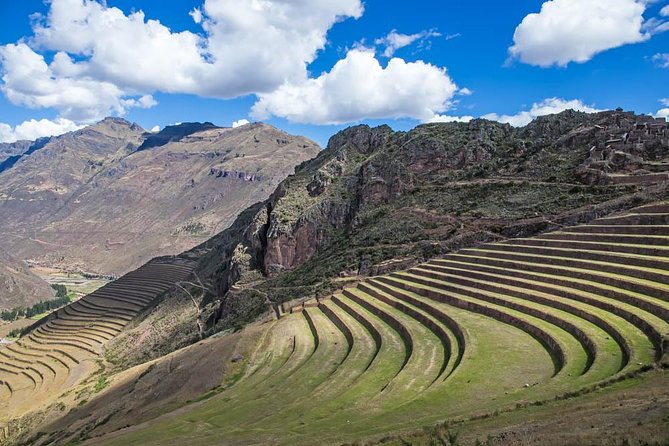
This is the kind of Sacred Valley day trip that feels efficient without feeling rushed. You’re not just ticking off ruins. You’re also connecting the dots between how the Incas engineered agriculture and water, and how people in the region still eat, trade, and farm today.
The big win is the private format. With your own local guide and private transportation, the day moves at a sensible pace. You can pause for questions, adjust timing if your group wants a slower walk, and spend more time where your curiosity goes.
You also get a full arc to the day: start with Ollantaytambo’s fortified terraces and lived-in town feel, then pivot into farm and food culture, and finish at Pisac with its high mountain ruins and dramatic views.
You can also read our reviews of more tours and experiences in Cusco.
Price and What You Actually Get for $197
At $197 per person for about 8 hours, the value depends on two things: what’s included, and what you still need to pay.
What’s included:
- A local professional guide
- Private transport
- Hotel pickup and drop-off
- A gourmet picnic lunch
- Food tastings during the day
What’s not included:
- Entrance fees for the archaeological sites (you’ll need to buy the Boleto Turístico)
- Any items you choose to buy at markets/handicraft stops
Here’s how I think about the price. A private guide plus private transport for a full day isn’t the cheapest option, but you’re also getting food built into the schedule: farm lunch, tastings, and market time. If you’ve been doing tours where lunch is a forgettable sandwich, this day makes lunch part of the experience, not a checkbox.
One more practical detail: this tour is booked far in advance (around 100 days on average). If your dates are fixed, it’s smart to reserve early.
Ollantaytambo: Terraces, Pachacutec, and the Old Streets
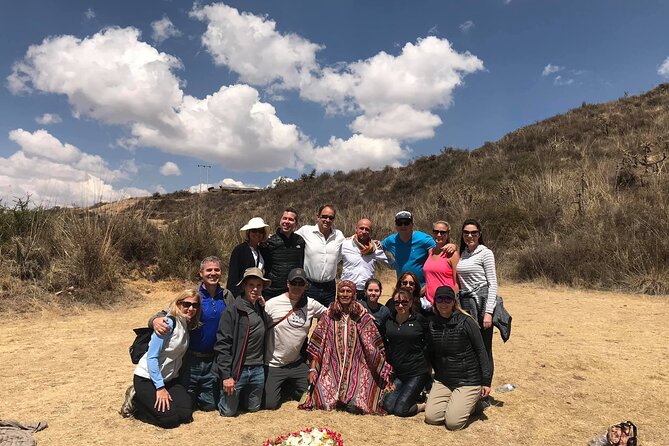
Ollantaytambo is a strong opening stop because it’s more than ruins. It’s a living town built around Inca-era stonework. The tour starts with pickup and then a guided walk through the archaeological park.
You’ll see terraces, fountains, and aqueducts, plus storage houses designed to maximize winds to help preserve crops. That preservation angle matters. It’s not just a scenic set of rocks; it’s an engineered food system.
The guide also frames the place historically: Ollantaytambo was tied to Pachacutec as imperial lodging, and later served as a military checkpoint protecting key roads toward Machu Picchu during Spanish pressure. If you like understanding why the Incas built things where they did, this is the kind of site that rewards attention.
Time to wander matters too. After the guided section, you get room to walk the streets of one of the oldest towns in Peru where many 15th-century Inca buildings still stand. That “stone-and-street” feel is hard to replicate in a busier, rushed group tour.
Possible drawback to plan for: Ollantaytambo involves some stairs and moderate walking. If your legs are sensitive after altitude, you can pace yourself, but you’ll still be moving.
Farm Visit in Yanahuara: Guinea Pigs, Alfalfa, and Chicha
Then the day takes a turn from stone to soil. You drive about 20 minutes to the town of Yanahuara to visit a farm in the Sacred Valley. This isn’t presented as a photo stop. It’s structured around how the farm works.
Expect hands-on moments and close-up agriculture:
- A tour of the farm lands
- The chance to cut alfalfa to feed guinea pigs
- First-hand insight into how chicha is made
Chicha can feel like a vague concept when you read about it later. Here, you’ll hear about what goes into it and why it mattered across generations. It’s also a good bridge between your ruin visit and your food culture visit later—same theme, different setting.
The Gourmet Organic Picnic Lunch with Chef-Prepared Produce
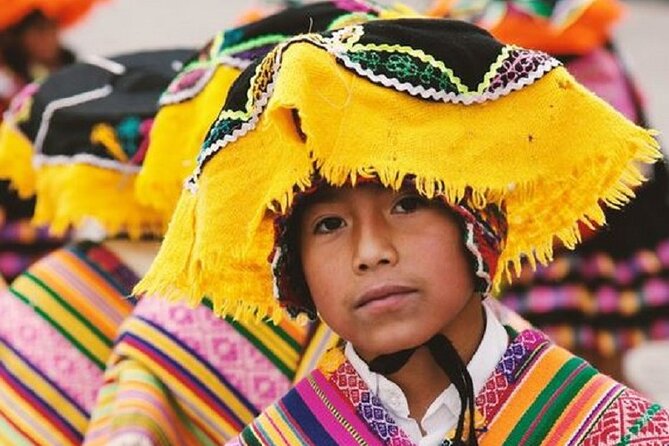
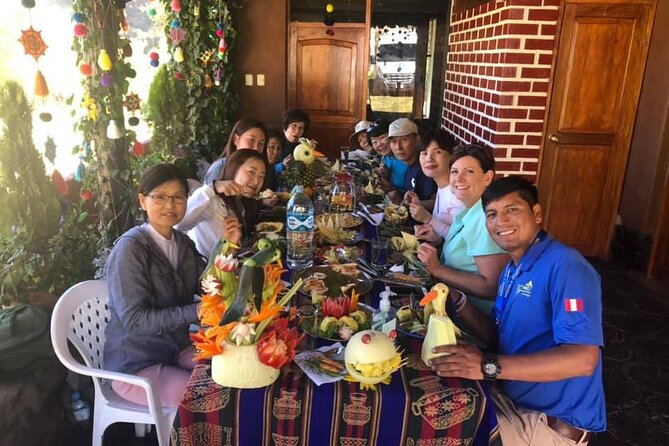
The lunch is one of the strongest reasons to book this day. It’s a private gourmet picnic lunch prepared by a chef, using local organic produce. Some of the crops come from the farm itself, so you get a clearer sense of where the food is coming from.
The setup is leisurely: you eat outdoors with views over the Sacred Valley. That matters at altitude. A sit-down meal helps you recover while you still feel like you’re in the middle of the experience rather than stuck inside a restaurant.
Practical tip: if you’re sensitive to schedule changes, this is still the kind of stop that usually stays stable because lunch anchors the timeline.
Urubamba Local Market: Fruit Tastings and Medicinal Plants
After the farm, you head to Urubamba for an authentic, non-tourist market. That phrase matters. A local market is where you see what people buy for daily life—food, herbs, flowers, and home needs—rather than souvenirs lined up for visitors.
Your guide leads you through the market, and you’ll have time to taste Peruvian fruits and foods such as:
- Passion fruit
- Lucuma
- Chirimoya
You’ll also connect chicha to real ingredients. The tour explains the ingredients needed to make chicha, which helps make the chicha discussion feel grounded instead of just cultural trivia.
You might also spot natural medicinal plants sold by local families. Even if you don’t buy anything, it’s a window into how traditional knowledge and everyday life overlap in the Andes.
Pisac Ruins Above 11,000 Feet and the Old Inca Route Moments
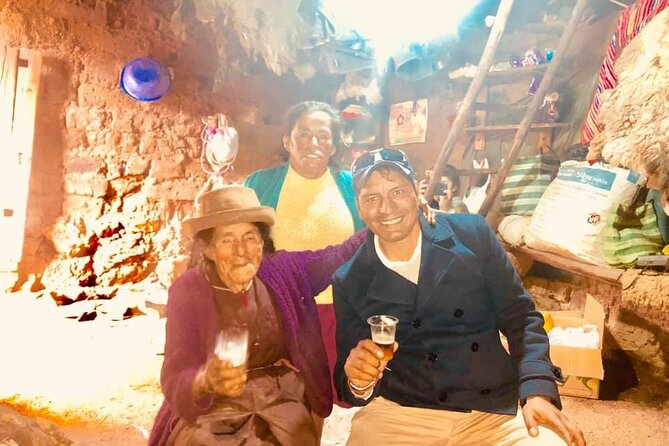
Pisac is the dramatic payoff stop. The drive takes about an hour, and then you’re in a high-mountain archaeological setting with terraces carved into steep terrain.
You’ll visit terraced ruins high on the mountain, and you’ll have a chance to climb up to take in sweeping Sacred Valley views. The guide explains multiple functions of the site:
- Religious roles
- Astronomical functions
- Military significance
One of the most memorable angles is agriculture at extreme altitude. The terraces helped the Incas grow food above 11,000 feet, which gives you a reality check about how serious they were about turning harsh terrain into productivity.
Then there’s an optional-style moment built into the experience: a chance to hike on a little-known, seldom used original Inca trail and pass through a tunnel built by the Incas. That detail is great if you like feeling the difference between common routes and the older, less crowded ones.
Pisac also includes one of the larger Inca cemeteries in the region. If you’re interested in how people handled ritual and death at scale, this section adds depth beyond the views.
Pisac Handicraft Market Time (So You Don’t Feel Rushed)
After the ruins, the day finishes with a trip to the Pisac handicraft market in town. This is your browse time for:
- Ceramics
- Jewelry
- Weaving
The timing is practical. You’re not doing it at 9 a.m. when you haven’t had lunch yet. You’re coming down from the ruins, and the market acts like a gentle on-ramp to your return.
If you’re picky about quality, go slowly and compare weaving patterns and materials. With private time, you can do that without feeling like you’re holding up a group.
Timing, Getting There, and How Much Walking to Expect
This is an approximately 8-hour tour with hotel pickup and drop-off. Start times depend on where you’re staying:
- Pickup at 8:30 am if you’re in Ollantaytambo
- Pickup at 7:00 am if you’re in Cusco
On the walking side, plan for moderate movement and stairs at Ollantaytambo. Pisac is also on uneven ground with climbs to get viewpoints. The good news is that the private format gives you flexibility to pace.
Also keep in mind altitude. You don’t need to be a mountain athlete, but you do want comfortable shoes and a slow start. Your schedule is built around multiple stops, so it’s not a single long climb without breaks.
Who This Private Tour Is Best For
This one is ideal if you want more than ruins. You’ll like it if you care about the connection between:
- Inca engineering (terraces, water systems, storage)
- Modern Sacred Valley food culture (farm agriculture, market life)
- The tradition of chicha (explained through farm and market)
It’s also a good choice for groups who value pace and Q&A. With private guiding, it’s easier to ask follow-up questions if something doesn’t click right away.
If you’re traveling with limited mobility or you strongly avoid stairs, this might still work, but you’ll need to be honest about what you can handle at Ollantaytambo and during Pisac climbs.
Should You Book This Private Ollantaytambo and Pisac + Farm Tour?
Book it if:
- You want two major Inca sites in one day without a crowded-group vibe
- Farm food and market culture are as important to you as the ruins
- You’re willing to plan for Boleto Turístico entrance fees
Skip or look for an easier alternative if:
- You need a low-walking day with minimal stairs
- You strongly prefer entrance fees included in the base price
If you’re on the fence, ask yourself one question: do you want Sacred Valley as a scenic day, or as a story of food, water, and place? This tour leans hard into the story.
FAQ
How long is the tour?
The tour runs for about 8 hours.
What is the price per person?
The price is $197.00 per person.
Is this tour private?
Yes. It’s a private tour/activity, and only your group participates.
What’s included in the price?
Included are lunch, food tastings, private transport, a local professional guide, and hotel pickup and drop-off.
Are entrance fees included?
No. Entrance fees are not included. You’ll need to purchase the Boleto Turístico for entrance into Ollantaytambo and Pisac ruins.
What does the farm visit include?
You’ll tour the farm lands, cut alfalfa to feed the guinea pigs, and see first-hand how chicha is made.
What happens at the Urubamba market?
You’ll visit an authentic, non-tourist market with your guide, taste Peruvian fruits and foods, and learn about the ingredients needed to make chicha.
Is there walking and stairs?
Yes. There’s a moderate amount of walking, with some stairs to climb at Ollantaytambo.
What is the cancellation policy?
You can cancel for a full refund up to 24 hours in advance of the experience start time.
If you cancel less than 24 hours before the start time, the amount paid is not refunded.