REVIEW · LEFKADA
Phyllo Pies Baking Class @ Lefkada Micro Farm
Book on Viator →Operated by Lefkada Micro Farm · Bookable on Viator
Phyllo pies meet the Greek countryside. This hands-on class at Lefkada Micro Farm turns a peaceful morning off the beach into real cooking skills—dough, fillings, baking, and lunch—done step by step. I like that you get the calm farm setting and the full meal payoff, not just a quick demo.
What I really liked: you start with a warm welcome (coffee or tea) and then get your hands into phyllo dough using a wood-burning oven. And you don’t stop at one dish: you work through four different recipes, so you leave understanding both savory pies and a baklava-style sweet. The group stays small (max 10), which makes it easier to ask questions and actually learn the method.
One thing to consider: this experience is weather-dependent, so on a poor-weather day you’ll need to shift plans. If you’re the type who hates standing around in cool wind while dough proofing waits on the oven, plan to dress for outdoors.
In This Review
- Key highlights at Lefkada Micro Farm
- A green break from Lefkada’s beaches
- Meeting point and timing: your 10:00 start
- Coffee to fire: kneading and learning phyllo basics
- The Lefkada Micro Farm walk: ingredients with context
- Four classic phyllo pies: filling, rolling, baking
- Lunch together: the payoff beyond the bake
- Price and value: what $144.05 includes in practice
- Who should book this Lefkada phyllo class
- Should you book the Phyllo Pies Baking Class?
- FAQ
- What time does the Phyllo Pies Baking Class start, and how long is it?
- Where do I meet for the class?
- What recipes will I learn to make?
- Do we eat lunch during the experience?
- Is the class held in good weather only?
- What’s the group size?
Key highlights at Lefkada Micro Farm
- Small group size (up to 10) means more hands-on attention while you stretch dough and roll fillings.
- Wood-burning oven cooking gives you that proper, old-school bake feel for phyllo pies and baklava flavors.
- Four recipes in one session: wild greens with feta, goat cheese with sun-dried tomatoes and olives, squash with walnuts and cinnamon, plus honey cinnamon walnut baklava.
- Farm walk before baking so you see where the ingredients mindset starts—trees, vegetables, herbs, and animals.
- Lunch together at the end, so you’re not leaving hungry or relying on a nearby restaurant plan.
- Friendly hosts including Andreas and his mom, with a relaxed, welcoming vibe.
A green break from Lefkada’s beaches
If you’re spending time in Lefkada, you’ll likely see plenty of blue-water views and beach-time schedules. This class gives you a different kind of Lefkada: quieter Greek countryside energy and a working micro farm that feels closer to how locals eat and cook. It’s a nice change of pace when you want something that isn’t just looking at places.
The location matters because it shapes the experience. You’re not trapped in a studio kitchen. Instead, you walk the farm and connect the cooking to real grown-from-the-ground ingredients—trees, vegetables, herbs, and animals—before you heat the oven. That sequence makes the food feel less like a recipe PDF and more like a living process.
And because the group is capped at 10, the pace stays human. You get time to learn the stretching, filling, and rolling steps without constantly waiting your turn. If you’ve ever taken a cooking class where you mostly watch, this one is more hands-on by design.
You can also read our reviews of more tours and experiences in Lefkada.
Meeting point and timing: your 10:00 start
The class meets at Lefkada Micro Farm at Ε.Ο. Νυδριου Βαυκερής Ράχη, Nidri 311 00, Greece. It starts at 10:00 am and runs about 4 hours, ending back at the meeting point.
For planning, treat this like a morning activity. You’ll likely want a light breakfast beforehand, because your timeline is structured: welcome drink, dough work, farm walk, baking, then lunch. If you’re coming from a nearby area, aim to arrive a few minutes early so you’re settled before coffee/tea and oven time kicks in.
Also note the weather factor. The experience requires good weather, and if it can’t run outdoors as planned, you’ll be offered a different date or a full refund. So if you’re visiting in a season with shifting skies, keep your other plans flexible for that morning.
Coffee to fire: kneading and learning phyllo basics
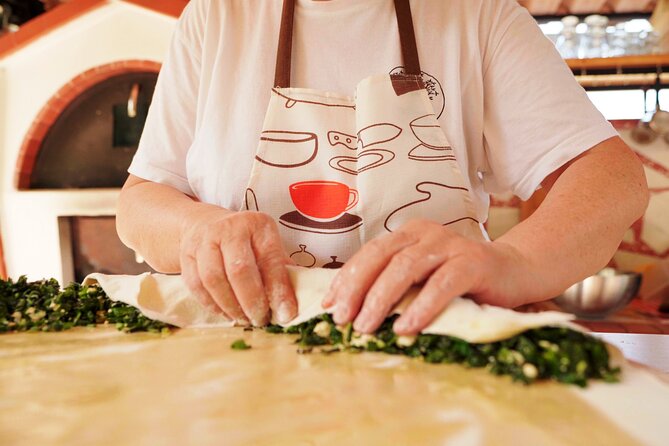
The class starts with a welcoming coffee or tea. That sounds simple, but it sets the tone. You’re not dropped into a tool-and-technique sprint; you ease into the session and get ready to work at kitchen pace.
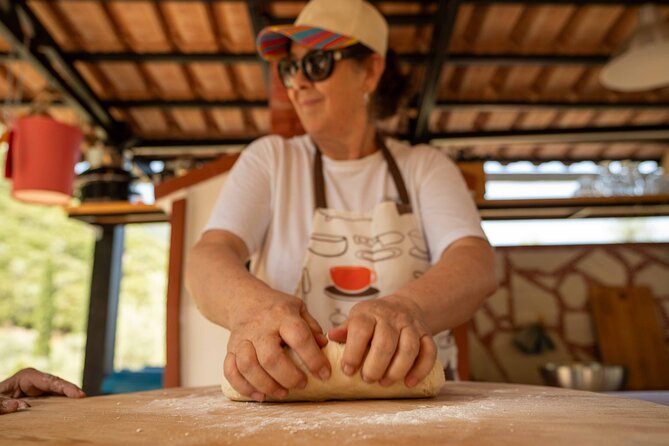
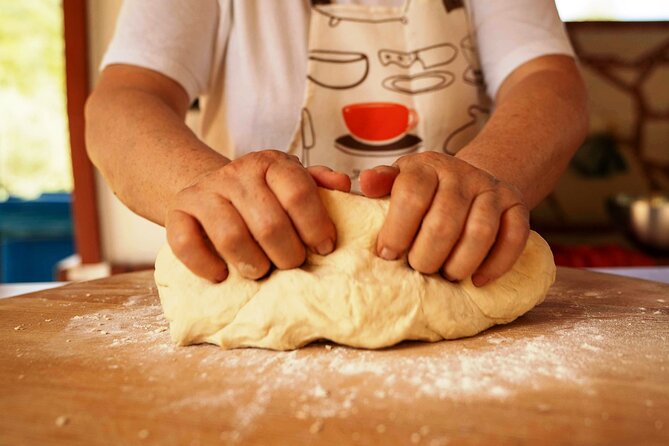
Then you light the fire in the wood-burning oven and begin kneading phyllo dough. From there, you follow a step-by-step flow that builds real confidence. Phyllo can look intimidating—thin layers, delicate handling, a reputation for being finicky. What makes this class valuable is that you’re taught how to approach it methodically rather than hoping for luck.
Kneading is also a good reality check. It’s where you learn how dough should feel before it ever meets the rolling pin. Even if you don’t keep a perfect phyllo technique at home right away, you’ll understand what changes mean—how dough reacts, when it’s ready to be stretched, and how to treat it gently.
The Lefkada Micro Farm walk: ingredients with context
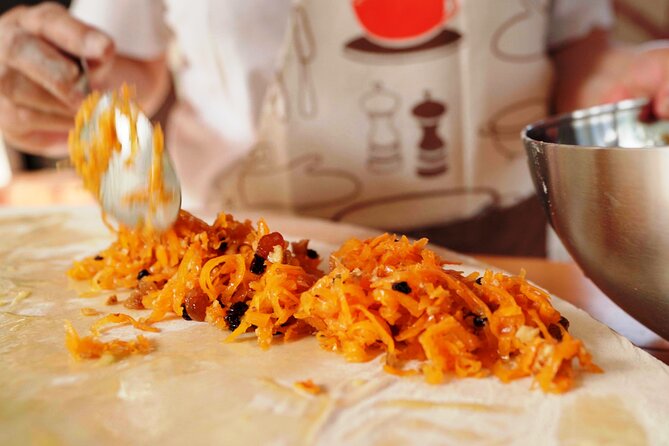
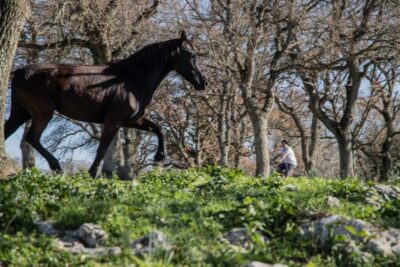
After the initial dough work, you walk around Lefkada Micro Farm. This is a key part of the experience, not just a break between steps. You get to see how food is grown in a traditional organic way, with trees, vegetables, herbs, and animals all part of the setting.
Why this matters: when you cook later, you’re not just assembling fillings blindly. You’re cooking with a sense of origin. It makes the herbs and greens feel more purposeful, and it can even help you adjust at home—like thinking about texture, freshness, and what flavors tend to work together.
The farm walk also changes the feel of the day. You go from dough hands-on work to open air observation, then back to the kitchen. It’s a practical rhythm for a 4-hour class: learn, move, reset, then bake.
Four classic phyllo pies: filling, rolling, baking
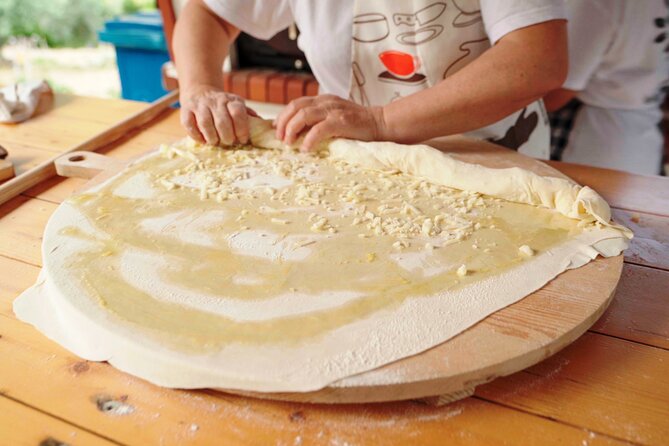
When you return to the open-air kitchen, the oven is hot and the dough is ready to be stretched, filled, and rolled. This is where the class turns into something you can take home—because you practice the exact workflow that makes phyllo pies work.
You prepare four different recipes, which is a smart choice for both variety and learning. Each one teaches you something slightly different: handling for savory fillings, balancing seasoning, and working with both crumbly and saucy components. Plus, having multiple pies means you’ll taste what your technique produces across flavors.
Here are the four recipes you’ll make:
- Wild greens with Feta cheese: earthy greens paired with salty feta for a classic Greek comfort bite.
- Goat cheese, sun dried tomatoes, olives, and oregano: tangy, herb-forward, and salty-sweet from the tomatoes and olives.
- Squash pumpkin, walnuts, cinnamon, and raisins: a warmer, lightly sweet-spiced filling that feels autumnal even when you’re eating it in spring or summer.
- Baklava with honey, cinnamon, and walnuts: the sweet finale that connects phyllo technique to a well-loved dessert profile.
You bake the pies and then sit down together to enjoy the lunch you prepared. That means the end result isn’t theoretical. You see how your dough stretching worked in the oven, how fillings caramelized or set, and how the layers held up.
Lunch together: the payoff beyond the bake
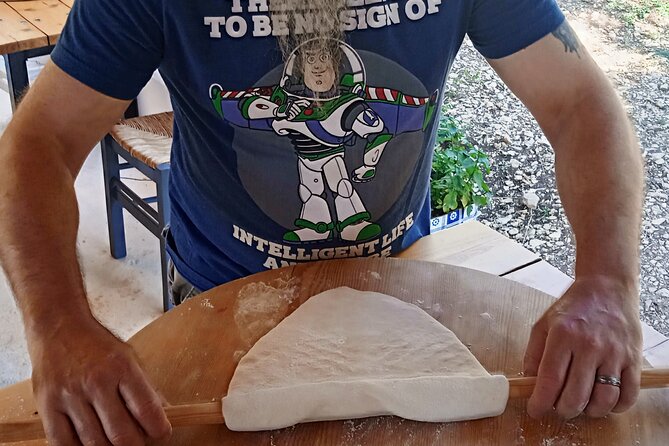
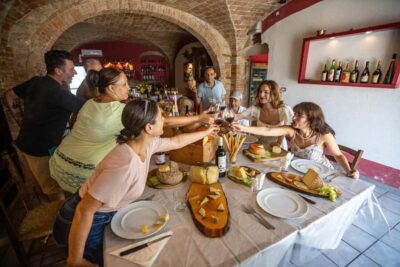
After baking, you gather around the dining table and enjoy lunch that you prepared together. This is where many cooking classes fall short—people learn a bunch, then scramble to eat something else. Here, the meal is part of the experience, so you can actually celebrate the work you did.
I also like the social angle. With a small group, conversations stay easy and the hosts can guide you without rushing. In the best moments, you’re not just waiting for someone else to explain; you can ask questions while you’re eating, especially about what worked and what you’d do differently next time.
And because you’re learning the “know-how” behind these Greek delicacies—not just memorizing steps—you’ll leave with more than recipes on paper. You’ll have a clearer idea of how to think about dough handling and filling strategy at home.
Price and value: what $144.05 includes in practice
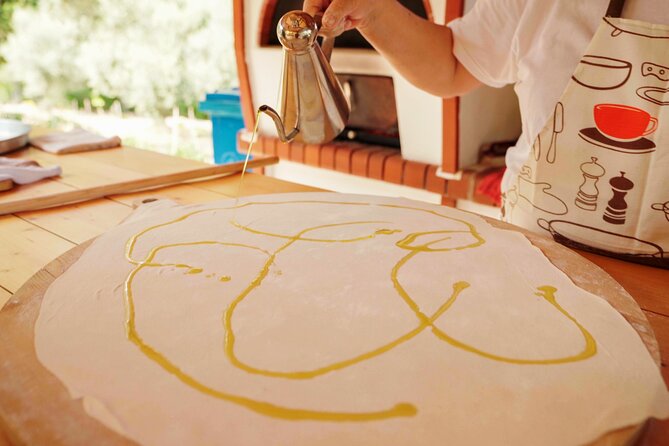
At $144.05 per person, this class isn’t the cheapest way to spend a morning in Lefkada—but it’s also not just a paid “watch and taste” activity. You’re paying for several built-in value pieces: coffee or tea to start, a guided walk on a micro farm, hands-on work with dough and an oven, four recipes made in one session, and lunch you share at the end.
The small group size (max 10) also supports the value. When the class is crowded, technique teaching usually suffers. Here, the format is designed so you can learn without feeling invisible.
If you compare it to typical cooking experiences where you only make one item, four recipes plus a meal is what makes the price feel reasonable. And if phyllo is something you’ve always wanted to master, you’re paying to avoid the usual home-cooking trial-and-error chaos.
Who should book this Lefkada phyllo class
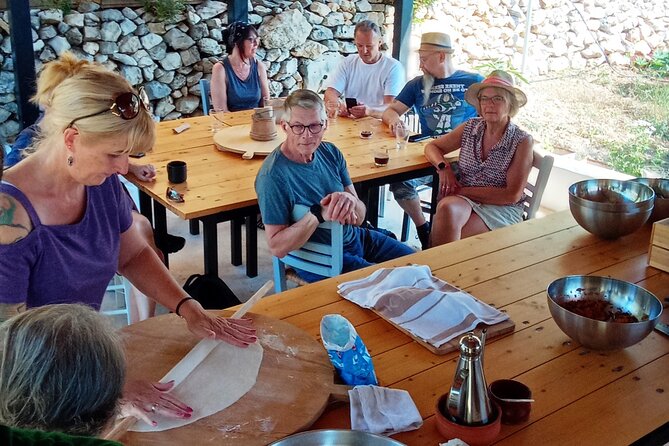
This class is a great fit if you:
- want hands-on cooking, not a passive demonstration
- like learning food skills you can repeat at home
- enjoy a mix of farm experience and kitchen time
- want a small-group, friendly atmosphere
It’s also ideal for anyone who’s food-curious and wants to see how organic farming connects to what lands on a table. If you have dietary restrictions, let the team know—this is the kind of activity where you’ll want clarity upfront.
One practical note: because it’s outdoors at parts and depends on good weather, bring clothing you’re comfortable in for an open-air kitchen portion. You’ll be standing, working, and moving between areas.
Should you book the Phyllo Pies Baking Class?
Book it if you want a real skill, a real farm connection, and a full payoff meal—all in about four hours. I’d especially recommend it if phyllo pastry has felt mysterious to you. The best part is not just making four dishes; it’s learning the method: kneading, dough readiness, stretching, filling, rolling, and then baking to see results.
Skip it only if you’re not into hands-on food work or if your schedule can’t flex for weather. This is weather-dependent, and it’s also outdoors in sections, so the experience works best when you can adapt.
If you’re in Nidri or staying nearby and want a break from the usual beach rhythm, this is one of the more satisfying ways to spend a morning—because you’ll eat what you made, and you’ll understand the process well enough to try again later.
FAQ
What time does the Phyllo Pies Baking Class start, and how long is it?
It starts at 10:00 am and runs about 4 hours.
Where do I meet for the class?
The meeting point is Lefkada Micro Farm, Ε.Ο. Νυδριου Βαυκερής Ράχη, Nidri 311 00, Greece. The activity ends back at the meeting point.
What recipes will I learn to make?
You’ll prepare four recipes: wild greens with Feta cheese; goat cheese with sun dried tomatoes, olives, and oregano; squash/pumpkin with walnuts, cinnamon, and raisins; and baklava with honey, cinnamon, and walnuts.
Do we eat lunch during the experience?
Yes. After baking, you sit around the dining table and enjoy a delicious lunch that you prepared together.
Is the class held in good weather only?
Yes. The experience requires good weather. If it’s canceled due to poor weather, you’ll be offered a different date or a full refund.
What’s the group size?
There is a maximum of 10 travelers, and you’ll receive a mobile ticket for the activity. Service animals are allowed, and you should let them know about any allergies or dietary restrictions.