REVIEW · GREECE
Discover Aloe: A Farm Walk & Workshop
Book on GetYourGuide →Operated by Kos Activities · Bookable on GetYourGuide
Aloe vera smells like sunshine. You’ll join a guided farm walk near Puli Village in the South Aegean, then roll up your sleeves for an essential oil workshop where the plant goes from leaf to blend. I especially like the way the hosts pair hands-on making with clear explanations, and how the setting is genuinely farm-based instead of a studio performance with aloe props.
One heads-up: the experience can feel a bit tightly timed. One group felt the walk and workshop ran closer to an hour than 90 minutes, and if you want extra details on cultivation, you may need to ask more directly during the stroll.
In This Review
- Key things to know before you go
- Getting to Puli Village: where this aloe experience starts
- The Aloe farm walk: how you’ll learn without a textbook
- From freshly harvested leaves to essential oil
- Distillation and making your own blend: the fun part you control
- What you take home: elixir, plus farm products to browse
- Price and logistics: is it worth $29 for 90 minutes?
- Who this aloe vera workshop is best for
- Should you book Discover Aloe: A Farm Walk & Workshop?
- FAQ
- Where is Discover Aloe located?
- How long is the experience?
- How much does it cost?
- Is transportation included?
- What languages are offered?
- What’s included in the ticket price?
- What do I do during the workshop?
- Where do I meet the team?
- Is there a cancellation policy?
Key things to know before you go
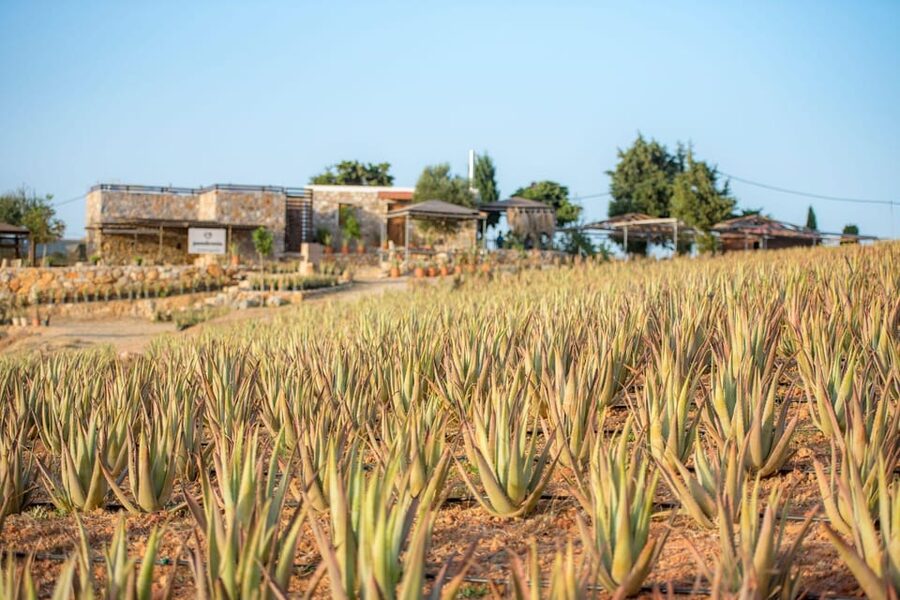
- Puli Village meet-up: the team contacts you for live help finding the farm.
- Farm walk first: you learn about aloe growth and harvesting before any workshop work.
- Hands-on essential oil steps: you take part in extracting oil from freshly harvested leaves.
- Distillation to finish: you see and practice the process that leads to your final blend.
- English instruction: the workshop is led in English.
- Take-home souvenir: you leave with an elixir from the workshop.
Getting to Puli Village: where this aloe experience starts
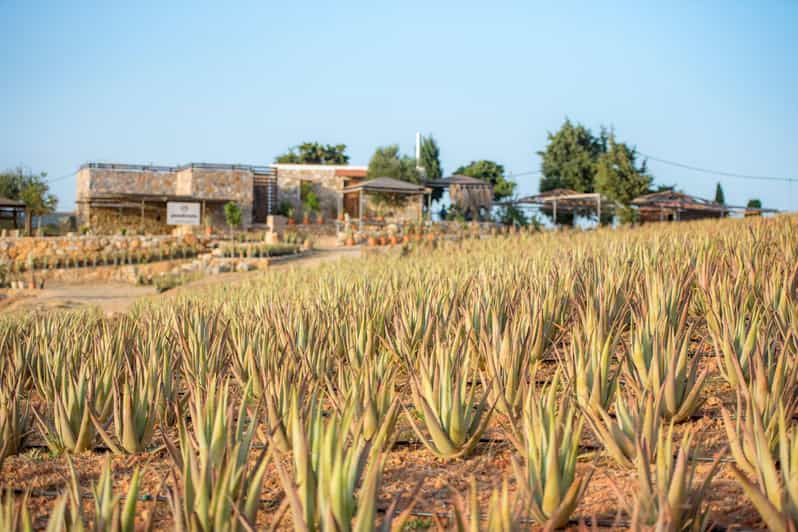
This activity is based in the South Aegean, Greece, with the meeting point in Puli Village. When you arrive, the team contacts you for live support so you can find the farm easily, which matters because rural locations can be tricky if you’re using only offline maps.
Once you’re there, the vibe is simple and unhurried: you’re not rushing from one photo stop to another. You’re walking among the plants, then getting instruction that stays connected to what you just saw growing in the field.
Practical note: the price assumes you arrive on your own. Hotel transfers are not included, though they can be arranged on request for an extra charge. If you don’t want to think about transport, plan to build time for getting yourself to Puli Village in the first place.
You can also read our reviews of more tours and experiences in Greece.

The Aloe farm walk: how you’ll learn without a textbook
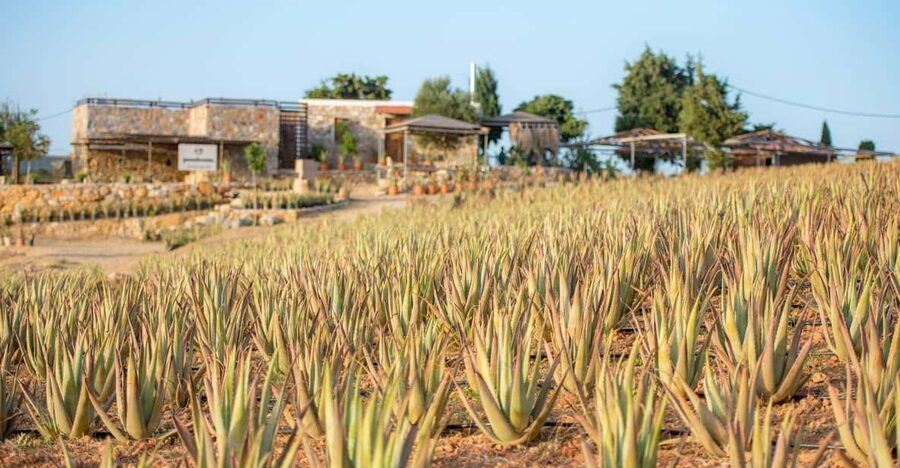
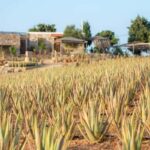
The first stage is a leisurely walk through a local Aloe vera farm, led by guides who explain cultivation and harvesting. This part works best when you’re curious in the moment. You’ll see the plants close up, then hear how they’re grown and how harvesting is done—knowledge that suddenly makes the workshop feel logical instead of random.
I like that they frame aloe as a real farm crop rather than a “wellness trend.” You learn about the plant’s natural benefits and therapeutic uses as part of the tour story, which helps you connect the essential oil workshop to why people value it.
A small consideration: the farm walk time can vary by group pacing. If you want deeper plant talk—specific growing practices, or more about how aloe is used in different remedies—don’t wait for it to arrive. Ask. That’s the difference between a good stroll and a truly educational one.
From freshly harvested leaves to essential oil
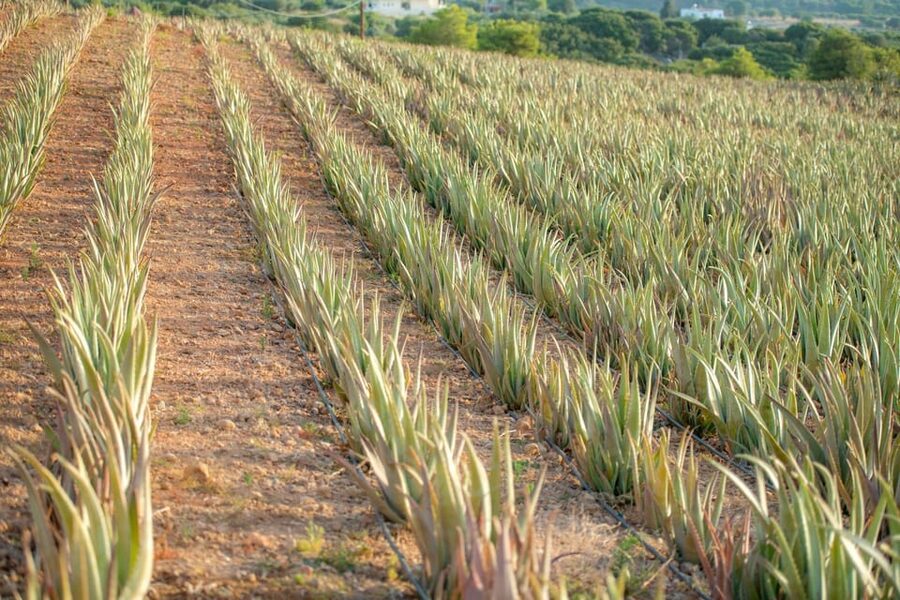
Next comes the hands-on workshop, focused on extracting essential oil from freshly harvested aloe leaves. This is where the experience turns from observing to doing.
You’ll be guided through the steps of gentle extraction, then learn how distillation fits into the process of turning plant material into something usable. Even if you’ve never made oil before, the structure is straightforward: plant first, then extraction, then distillation. That order matters because it reduces the mystery around essential oils. You’re not just smelling a product; you’re understanding the chain of steps that produces it.
Also, you’ll get the perspective that aloe isn’t only about one use. The workshop covers diverse applications of aloe in skincare, health, and natural remedies. The key value here is practical context: you learn what the oil is associated with and how it’s thought to be used, so your take-home elixir feels connected to real-world intentions—not just souvenir culture.
Before you start the workshop portion, you’ll have a welcome drink made with water and herbs. It’s a small touch, but it sets the theme: this is about herbal tradition, not just modern “essential oil” branding.
Distillation and making your own blend: the fun part you control
Distillation is the turning point. This is where you get to participate in the process that helps create your own blend. In a session like this, the goal isn’t chemistry perfection—it’s learning the workflow and leaving with a blend that’s yours.
Here’s why I think this step is the most valuable part for visitors: you can’t easily fake this kind of experience. Distillation requires attention, and the hosts guide you through it, step by step. When you leave, you’re not only holding an aloe product—you’re holding proof you performed the process.
The workshop also includes teaching about uses and benefits of aloe vera essential oil. That matters because essential oils are often marketed vaguely. Having a guide connect the process to practical uses helps you think more clearly about what you’re using and why.
If you’re the type who likes to ask questions, bring them. People like the session more when they engage with the instructions instead of watching quietly. The guides have a lot of knowledge, and names like Contessa come up in the way the experience is remembered—welcoming hosts who take their time to explain.
What you take home: elixir, plus farm products to browse
The workshop includes an elixir from the session, which you take home as your personalized souvenir. This is the point where the “value” question becomes real: at $29 per person for 90 minutes, you want more than a photo and a tiny bottle.
Here, you get something created during the activity, plus the understanding behind it. That’s the difference between a generic demonstration and a class you can actually repeat mentally later—because you learned the steps and purpose.
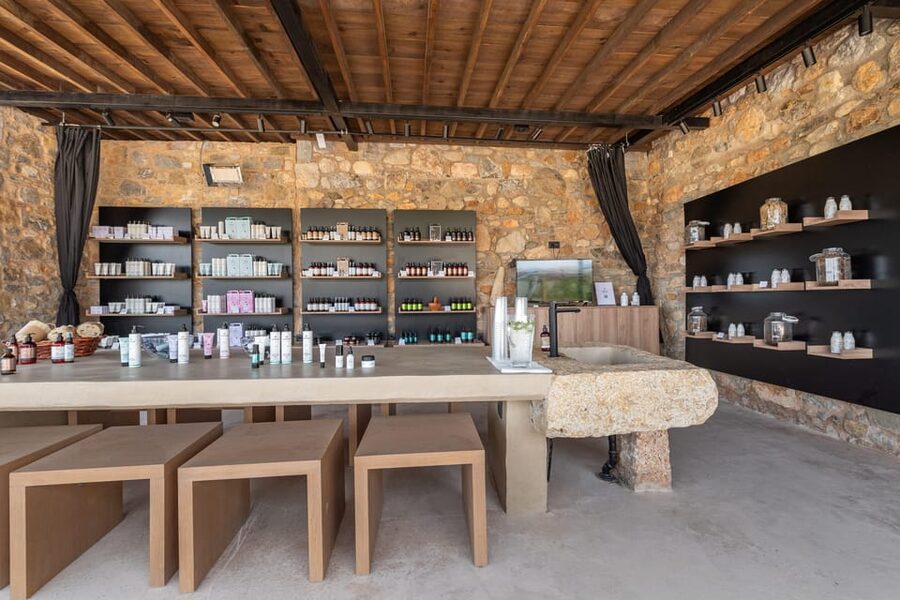
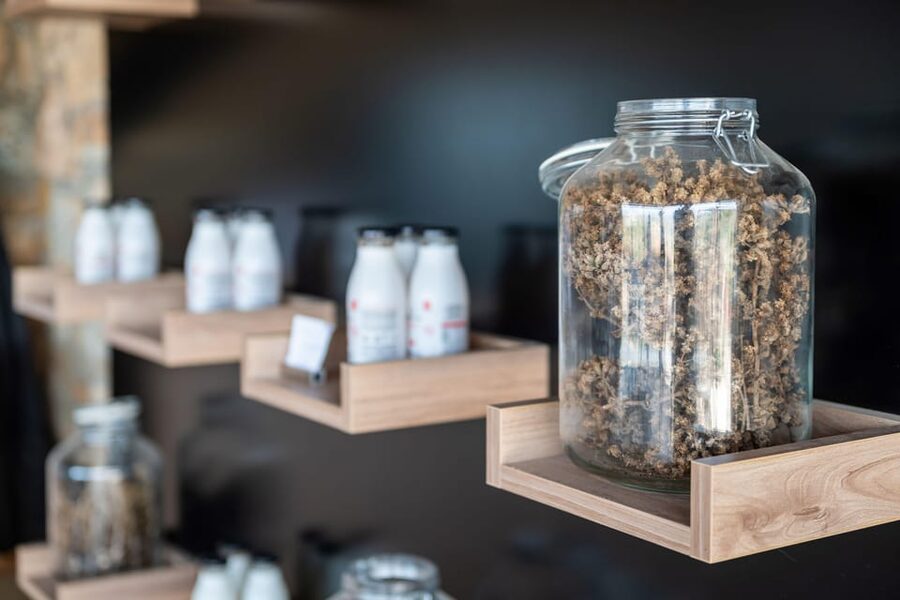
You may also want to budget a few minutes for browsing the homemade products sold at the farm. One of the best ways to learn is to see what the makers actually sell, and you can usually connect product names to the plant you walked through earlier.
If you’re staying in the area after the workshop, one nearby option mentioned is a small restaurant further up the mountain with an excellent view. That’s not part of the scheduled activity, but it’s a pleasant add-on if you have extra time and you like simple scenery with food.
Price and logistics: is it worth $29 for 90 minutes?
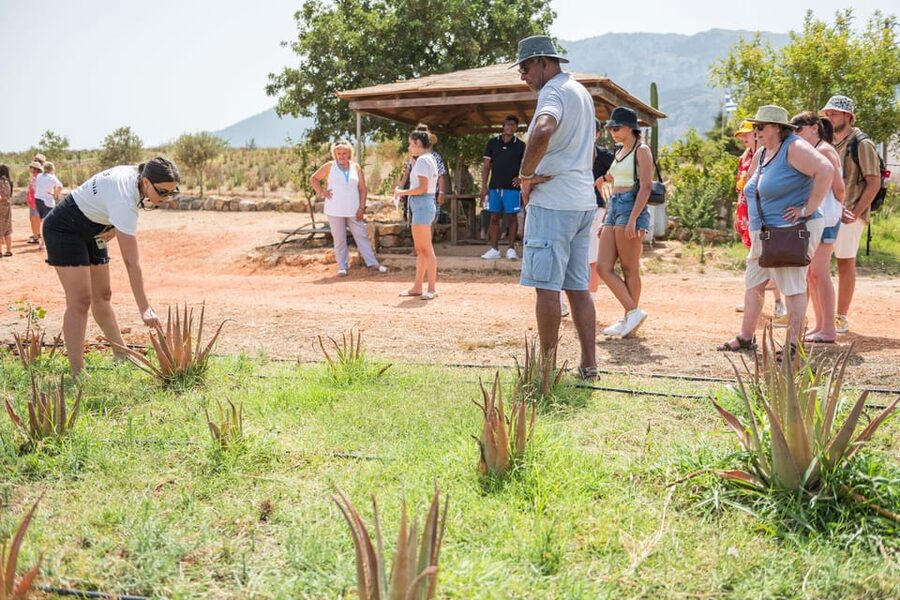
At $29 per person for about 90 minutes, this is priced as an experience, not as a long tour. That’s good news if you’re short on time. The workshop style also fits the price: you’re paying for guided instruction, equipment/setup for distillation and extraction, and the included elixir and entrance fee.
Where value shows up most is in the balance of activities. You get:
- a guided farm walk (you’re not just sitting),
- a hands-on workshop (you’re participating, not watching),
- and a take-home product (not just information).
The main “cost” you might feel is travel. Transfers are extra, so factor in how you’ll get yourself to Puli Village. If you’re already driving or can arrange transport easily, it becomes a very reasonable morning or afternoon plan.
Timing is another practical point. The duration is listed as 90 minutes, but at least one group felt it landed closer to an hour. Don’t treat that as a dealbreaker; just don’t schedule a tight appointment right after. Build in a buffer, especially if you’ll need time to find the farm before the start.
Who this aloe vera workshop is best for
This is a good fit if you:
- like hands-on travel over lectures,
- want a nature-centered activity in Greece beyond ruins and museums,
- and are curious about plant-based wellness without getting lost in marketing hype.
You’ll also enjoy it if you’re traveling with family or a friend who likes practical activities. The format—walk, explain, make, distill, take home—works well for people who learn best by doing.
If you’re coming only for a deep academic history of aloe cultivation, you might want to manage expectations. The experience is practical and guided, but the farm walk is still a walk. Ask questions and you’ll get more out of it.
Should you book Discover Aloe: A Farm Walk & Workshop?
I’d book it if you want a short, meaningful nature-and-making experience in the South Aegean. The best reason is the combination: you see aloe growing, then you help process it into oil and take home an elixir you made (with guidance). That’s the kind of travel memory that sticks because your hands were part of it.
Skip it only if you’re specifically hoping for a long, slow farm excursion or you need a tightly timed schedule. Otherwise, this feels like a smart value: one price, one setting, and a real workshop outcome.
FAQ
Where is Discover Aloe located?
It takes place in the South Aegean, Greece, with the meeting point in Puli Village.
How long is the experience?
The duration is listed as 90 minutes.
How much does it cost?
The price is $29 per person.
Is transportation included?
No. Transfer from/to your hotel is not included, though it’s available upon request for an extra charge.
What languages are offered?
The workshop is conducted in English.
What’s included in the ticket price?
Included items are the entrance fee, guides/instructors for the workshop, a welcome drink (water with herbs), and an elixir from the workshop.
What do I do during the workshop?
You’ll participate in the process of extracting essential oil from freshly harvested aloe leaves and learn about the distillation process while making your own blend.
Where do I meet the team?
You meet in Puli Village, and the team will contact you for live support to help you find the farm.
Is there a cancellation policy?
Yes. You can cancel up to 24 hours in advance for a full refund.