REVIEW · GREECE
Santorini: Farm and Winery Guided Tour
Book on GetYourGuide →Operated by ZORZOS TRAVEL · Bookable on GetYourGuide
A day like this keeps Santorini from turning into just views. I like that you get a real farm visit with chickens and seasonal produce, then you move straight into a winery cave museum with tastings. I also like how the tour ties the food to the island’s volcanic farming, instead of treating it like a souvenir stop. The main catch: it’s not a “sit back and stroll” experience, so you’ll need closed-toe shoes and you should skip it if you have serious mobility limits or allergies to insects/animals.
You’ll spend about 3 hours doing a full loop: farm, vineyards, cave winery tour, and wine tasting, with a cooking session that uses ingredients from the farm. The transfers are built in from several towns, including Oia, Imerovigli/Fira area, and the Perissa–Kamari side if your pickup matches. One more consideration: it’s not listed for children under 18, so plan it as an adult outing.
If you want Santorini to feel local—hands-on, hands-dirty, and actually connected to agriculture—this is a strong option for your schedule. Just remember it’s outdoors for part of the day and involves walking, plus a winery visit that’s in caves and underground spaces.
In This Review
- Key things that make this tour work
- How the Santorini farm + cave winery day is paced in 3 hours
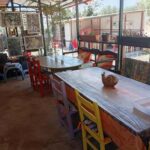
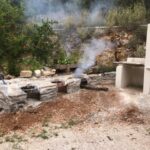
- The mini farm visit: chickens, produce, and how volcanic farming shows up
- Vineyard walk and the Assyrtiko lesson (kouloura included)
- Cave winery museum and the underground labyrinth tour
- Wine tasting: Assyrtiko whites to sweet Vinsanto
- Cooking with farm ingredients: tomato fritters, fava, and Greek salad
- Pickup options and what to wear so the day feels smooth
- Value check: is $94 worth a farm, cave museum, tasting, and cooking?
- Should you book the Santorini farm and winery guided tour?
- FAQ
- How long is the Santorini farm and winery guided tour?
- What’s the price per person?
- Where are you picked up and dropped off?
- What do I do during the farm part of the tour?
- What’s included in the winery experience?
- Do I get to cook, or is it only tasting?
- What kind of wines are sampled?
- What should I bring, and what’s not allowed?
Key things that make this tour work
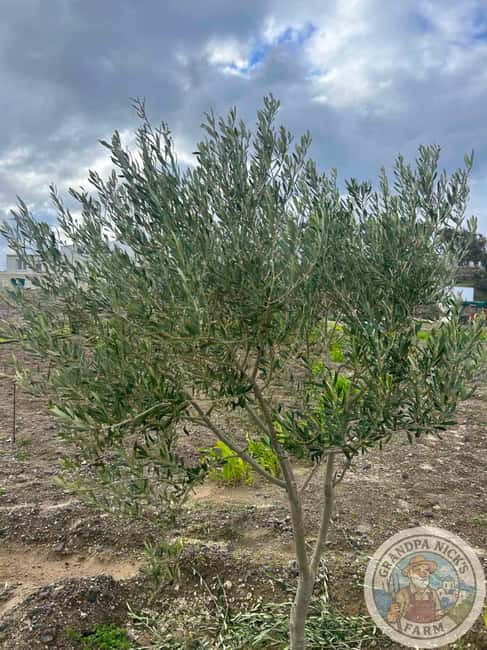
- A family-run mini farm stop with chickens, olive trees, and seasonal vegetables and fruit you can taste
- Vineyard lessons on Assyrtiko plus how grapes are trained using the kouloura method
- A cave winery museum experience including a guided walk through an underground labyrinth
- Wine tasting tied to the process, from crisp whites to sweet Vinsanto
- Hands-on cooking with farm ingredients, with classic Santorini dishes you prepare and then eat as part of the session
- Multiple pickup/drop-off points across the island with private-group attention
How the Santorini farm + cave winery day is paced in 3 hours
This is a fast, focused tour. In about two hours of walking and guided time before the winery part, you get the feeling of stepping into the island’s working rhythms. Then the day shifts into wine education and tasting, inside a cave setting that naturally cools the experience and makes it feel more memorable than a standard tasting room.
The time pressure can be a good thing. You’re not stuck on a bus half the day, and you’re not trying to see everything. You’re doing something specific: learning how Santorini grows grapes and food on volcanic ground, then tasting the results.
One practical note: the tour uses a transfer service between selected areas (Oia, Imerovigli villa area, Firostefani village, and Fira town), and it also offers a long list of pickup/drop-off towns. That matters because Santorini’s main towns are scattered and the caldera roads can slow you down. If you’re staying near one of the listed pickup points, you’ll likely feel the “easy day” advantage right away.
You can also read our reviews of more tours and experiences in Greece.

The mini farm visit: chickens, produce, and how volcanic farming shows up
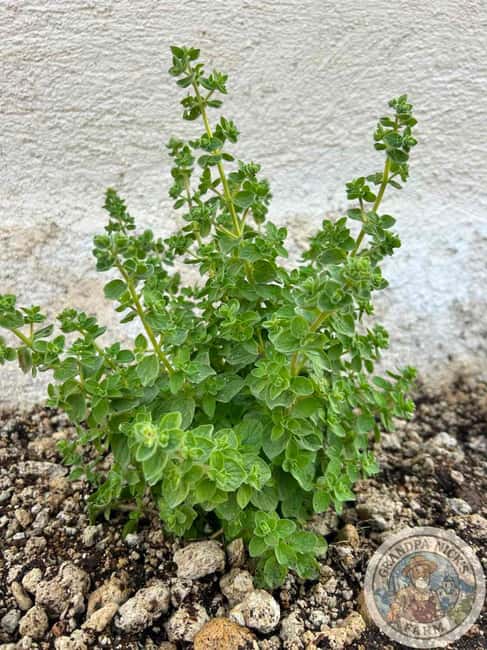
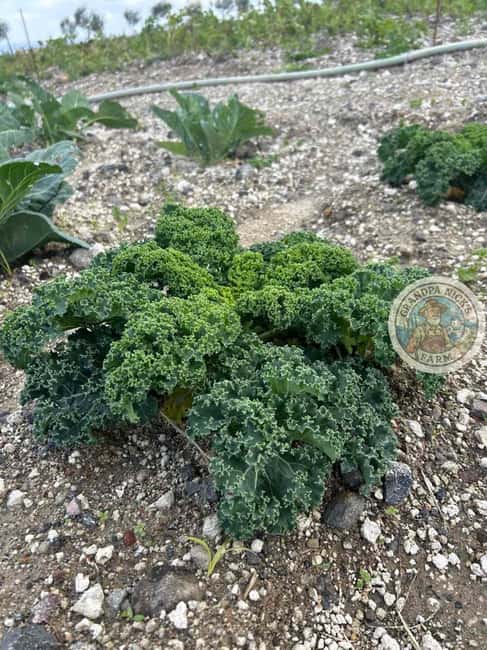
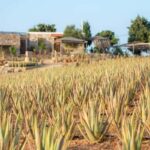
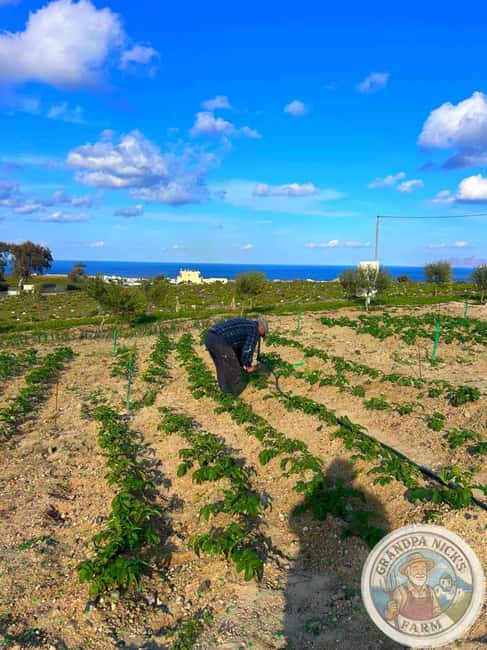
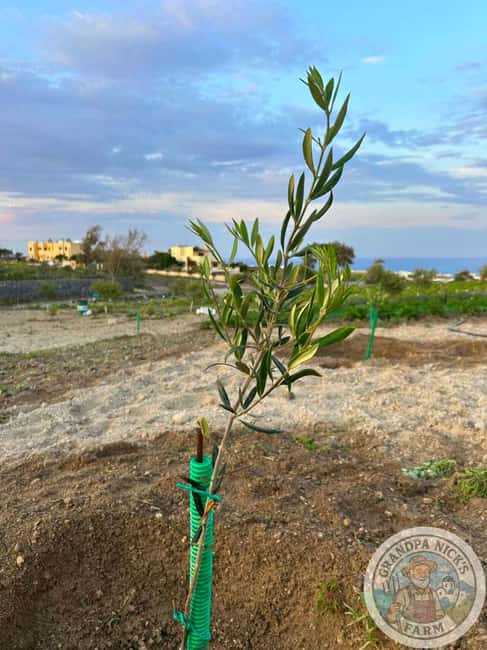
The heart of this tour is the small-farm experience. You start where local agriculture is real: you’ll walk through garden areas with vegetables and fruit, and you’ll see farm life up close with chickens and olive trees. It’s the kind of stop that helps you understand why Santorini tastes the way it does, because you’re not just looking at a product—you’re seeing the source.
This is also where you’ll likely get the warmest human moments. One past group described being welcomed by the farm owner (often referenced as Nick/Nikos) and getting fresh samples straight from the farm. They even mentioned melons served as some of the sweetest they’d ever had, plus small touches like coffee and sweets made by the host’s wife (named Toula in one account). Those details matter because they signal this isn’t a rushed line of pre-portioned “tour snacks.”
What you should consider: this part is outdoors, and the tour requires closed-toe shoes. If you’re wearing sandals, you’re going to feel underdressed for the walking and farm surfaces. Also, people with animal allergies or insect allergies are listed as not suitable, so take that seriously before booking.
Vineyard walk and the Assyrtiko lesson (kouloura included)
After the farm, the tour moves to vineyards. This is where the guide’s job gets more interesting. Santorini is famous for Assyrtiko, and you’ll get a guided explanation of what makes the grape work here and how it’s grown.
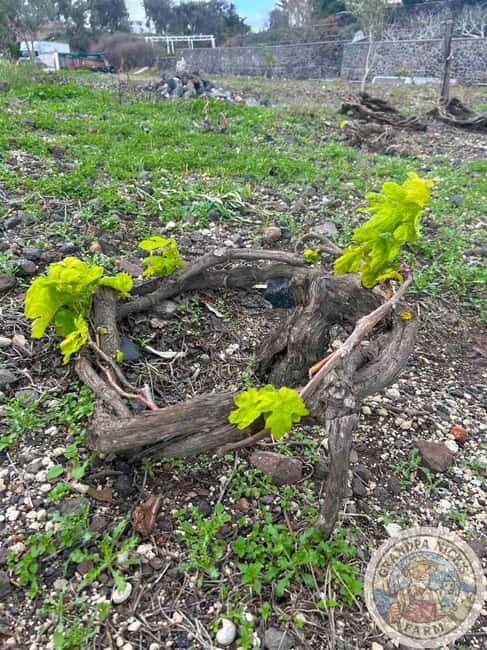
You’ll hear about the island’s distinctive training approach called the kouloura method. Even if you’ve never seen it before, it’s easy to spot once you’re in the vineyard. The vines aren’t just planted—they’re shaped to suit windy conditions and the island’s harsh sun and soil. That connection between technique and survival is the key takeaway: this is agriculture built for a tough place.
Then the tour adds the “why should I care?” factor. When you later taste Assyrtiko, it’s not just about whether you like it. You’ll be able to connect what you’re smelling and tasting with how the grapes are managed here. That makes the wine tasting feel more meaningful and less random.
A small drawback: vineyard time means more walking. If your legs aren’t happy with uneven ground, plan for slow pacing and good shoes.
Cave winery museum and the underground labyrinth tour
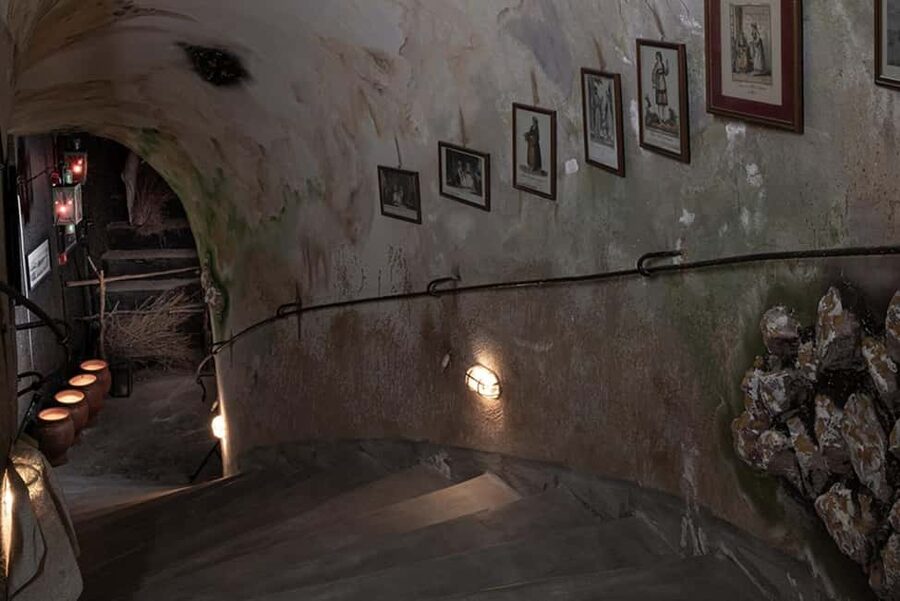
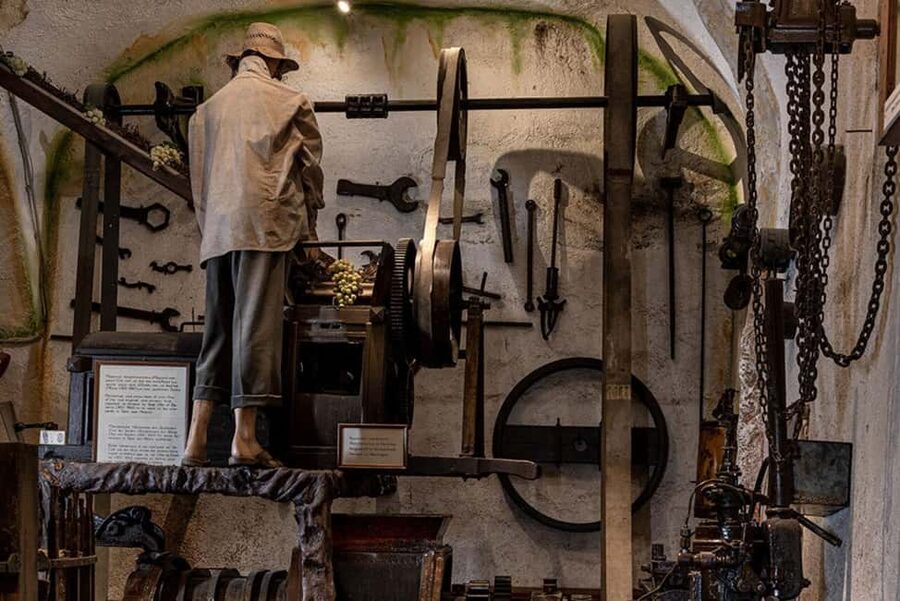
Santorini caves aren’t just a dramatic setting. They’re functional. This winery experience includes a winery museum in a cave, plus a guided tour of the winery and an underground labyrinth. You’ll also have an automatic audio guide available as part of the winery museum experience.
The cave setting changes the feel of wine time. Instead of a bright, typical tasting room mood, you get cool, stone textures and a sense of how the winery keeps working through different seasons. It also turns the tour into something you remember visually, not just something you “learn.”
In one example, the tasting server (Giannis) was described as very knowledgeable, which is a big deal here. Wine tastings can become generic if nobody can connect grape types, farming methods, and flavor. When the guide can explain what you’re tasting and why, it lifts the whole experience—especially if your group has different wine levels.
One more note: cave and underground spaces often involve steps or narrow paths. The tour is not listed as suitable for people with mobility impairments, and the overall rules prohibit electric wheelchairs. If accessibility is a concern, you’ll want to think twice before booking.
Wine tasting: Assyrtiko whites to sweet Vinsanto
This is a tasting-forward part of the tour. You’ll sample local wines, and the range is clearly planned: crisp whites (including Assyrtiko) through to Vinsanto, the island’s sweet wine.
The value isn’t only in the variety. It’s in the guidance around the winemaking process. The tour includes instruction about how wine is made in the region, then you taste within that context. That’s what makes the tasting feel like education instead of just sampling.
If you’re the type who worries you’ll end up with only one style you don’t like, you’ll appreciate that the tasting covers both dry and sweet. That keeps it more likely that everyone in your group finds something they enjoy.
You’ll also have panoramic views over the caldera as part of the winery experience. Views are nice, but in this case they work because you’re not just staring at scenery. You’re pairing what you see with what you’re tasting and learning.
Cooking with farm ingredients: tomato fritters, fava, and Greek salad
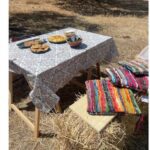
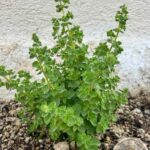
One of the most satisfying parts is the cooking session. You’ll do a hands-on experience using fresh ingredients from the farm, guided by a local cook. The classic dishes listed include tomato fritters, fava puree, and Greek salad.
This part is about more than eating. It’s about learning how ingredients become flavor. In Santorini, fresh produce matters, and fava is a cornerstone that connects the island to legumes grown in local conditions. When you cook it yourself (even at a simple, guided level), you’ll taste it with better context.
About meals: the experience describes sitting down to enjoy the meal you’ve prepared, paired with local wines. At the same time, the activity details list Meals as not included. If you’re booking with meal expectations, I’d treat this as a cooking-and-tasting activity where the focus is the dishes tied to the tour. If you want a guaranteed full meal package beyond that, confirm directly before you go.
Either way, you’ll likely leave with less of that “tour souvenir” feeling and more of a “we made this” memory.
Pickup options and what to wear so the day feels smooth
This tour runs on a pickup-and-drop system across Santorini. Pickup points can include towns such as Oia, Imerovigli, Firostefani, Thera, Megalochori, Pyrgos Kallistis, Akrotiri, Kamari, Perissa, Mesaria, and others depending on the exact option you choose. Drop-offs mirror that list, which makes planning your day easier.
That matters because Santorini’s towns are spread out, and the bus or taxi time can eat your day. When transportation is handled as part of the tour (as it is here for listed areas), you can spend your energy on the farm and wine, not on logistics.
For what to bring:
- Closed-toe shoes are required.
- Avoid open-toed shoes, and leave baby carriages and electric wheelchairs at home since they’re not allowed.
Who should think about skipping:
- People with mobility impairments (not suitable)
- Children under 18 (not suitable)
- Anyone with animal allergies or insect allergies (not suitable)
Value check: is $94 worth a farm, cave museum, tasting, and cooking?
At $94 per person for a roughly 3-hour outing, the value depends on what you want from Santorini.
If you’re the type who only cares about one thing—say caldera viewpoints—this might feel pricey for the time. But if you want a day that mixes agriculture, wine education, and practical food, it can make sense quickly. You’re getting:
- A mini farm experience with animals and seasonal produce
- Vineyard instruction about Assyrtiko and the kouloura method
- A cave winery museum tour and underground labyrinth visit
- Wine tasting (including styles from crisp to sweet)
- A hands-on cooking session with classic dishes from farm ingredients
- Transfer support between multiple towns in the island’s main areas
That bundle is what you’re paying for. It’s not just a tasting ticket; it’s education plus food plus a working farm context.
Also, the private-group format can improve the experience. In one example, a group of six enjoyed the tour with enthusiastic guidance, which is often what you want for vineyard and wine explanation—time to ask questions without being lost in a big crowd.
Should you book the Santorini farm and winery guided tour?
Book it if you want a quieter, more grounded Santorini day—one focused on how food and wine are made rather than just where you can take photos. This is a great choice for couples and small groups who like hands-on experiences, and it’s especially good if you’re curious about Assyrtiko, Vinsanto, and volcanic farming.
Skip it if your priority is only scenery with minimal walking, or if you can’t meet the clothing and accessibility requirements (closed-toe shoes, mobility limits, and the allergy restrictions). Also skip it if you want a long sit-down meal in a restaurant style format—this is built around the cooking session and tasting, not a full freeform dining block.
FAQ
How long is the Santorini farm and winery guided tour?
The duration is 3 hours.
What’s the price per person?
The price is $94 per person.
Where are you picked up and dropped off?
There are many pickup and drop-off options across Santorini, including towns like Oia, Imerovigli, Fira/Thera area, Firostefani, Akrotiri, Perissa, Kamari, Megalochori, Pyrgos Kallistis, and others listed on the options.
What do I do during the farm part of the tour?
You’ll visit a local mini farm, see farm chickens, and walk through gardens with vegetables, fruits, olive trees, and local vineyard areas, with guidance and tasting as part of the experience.
What’s included in the winery experience?
You’ll tour a winery museum in a cave, explore a guided route that includes an underground labyrinth, and enjoy a wine tasting with information about winemaking. An automatic audio guide is also included for the winery museum.
Do I get to cook, or is it only tasting?
You’ll do a hands-on cooking experience using fresh ingredients from the farm, including classic dishes like tomato fritters, fava puree, and Greek salad.
What kind of wines are sampled?
The tasting includes local wines, including crisp whites and the sweet wine Vinsanto.
What should I bring, and what’s not allowed?
Bring closed-toe shoes. Open-toed shoes are not allowed. Baby carriages, electric wheelchairs, and bare feet are also not allowed. The tour is not suitable for children under 18 and isn’t recommended for people with mobility impairments or animal/insect allergies.