REVIEW · POKHARA
Pokhara: Organic Farm Tour and Cooking Class at Durku
Book on Viator →Operated by Fewa Trail Treks and Expedition Pvt Ltd · Bookable on Viator
Organic farming and lunch in one Pokhara morning. This Durku experience pairs a real farm visit with a Nepali cooking class you’ll build around organic produce grown near Pokhara. You start with a warm welcome and end with the meal you cooked.
I especially like the hands-on farm-to-table rhythm. You get to see sustainable growing practices, harvest fresh ingredients, and then turn them into a proper Nepali lunch with the people showing you how. I also like that the lunch isn’t an afterthought, with classic dishes like Dhido and Gundruk plus organic vegetables and salads.
One possible drawback: the whole thing is short, about 4 to 5 hours, so it’s more of a focused taste-and-learn day than a long, lingering farm stay.
In This Review
- Key highlights you’ll care about
- Organic at Durku: what this tour really delivers in Pokhara
- Getting there from Lakeside: the 25–30 minute transfer that sets the pace
- The arrival at Mattikhan: herbal tea and an organic farming lesson
- Cooking class with a local chef: Nepali techniques built around what you harvested
- Harvest-to-meal: turning fresh farm ingredients into Dhido, Gundruk, and more
- What makes this tour worth $115: value beyond the label
- Durku and sustainability: what you’ll take home about organic farming
- Private tour style: when you’ll feel the difference
- Practical notes before you go (so the day stays fun)
- Who should book this organic farm cooking tour
- Should you book this Pokhara organic farm tour at Durku?
- FAQ
- What time does the tour start?
- How long is the organic farm tour and cooking class?
- Is hotel pickup and drop-off included?
- Where does the tour take place?
- Is the tour private?
- What’s included in lunch?
- Does the cooking class include instruction from a chef?
- Is bottled water provided?
- Are souvenirs available to buy?
- What’s the cancellation policy?
Key highlights you’ll care about
- Organic farm expert explanation that stays practical and hands-on
- Herbal organic tea welcome right after you arrive
- Cooking class with a local chef (about 1.5 hours)
- Harvest-to-meal flow: pick ingredients, prep them, then eat
- Lunch includes Dhido and Gundruk plus organic vegetables and salads
- Hotel pickup and drop-off makes the timing easy from Pokhara Lakeside
Organic at Durku: what this tour really delivers in Pokhara
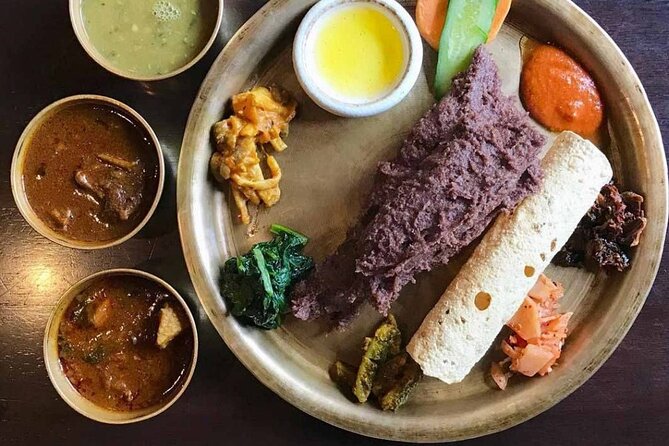
If you like your travel experiences to feel real, this one has the right shape. It’s not just watching from a distance. You’re taken to an organic farm near Pokhara, you’re taught sustainable farming basics, and then you use those ingredients right in a Nepali cooking session.
The best part is how the day connects the dots. You’ll start with growing and sustainability, then move into cooking, and finally sit down to eat what you prepared. That simple chain makes the flavors make more sense. You’re not only learning recipes. You’re learning where the ingredients come from and why the farm approach matters.
The tour is also clearly built for people who want value without spending an entire day on logistics. Hotel pickup, a scheduled start time at 10:00 am, and a compact 4 to 5 hour block means you can fit it around other Pokhara plans.
Getting there from Lakeside: the 25–30 minute transfer that sets the pace
Most departures run from Pokhara Lakeside area hotels. You’ll head toward the organic farm for about 25 to 30 minutes by private vehicle, depending on how close your hotel is.
That drive matters more than it sounds. It keeps the experience from turning into a long transit slog. You spend your energy where it counts: farm time, cooking time, and then a real lunch.
You can also plan your morning around a single clear start. With a 10:00 am departure, you’re not scrambling for early-morning buses or trying to coordinate meeting points on your own.
The arrival at Mattikhan: herbal tea and an organic farming lesson
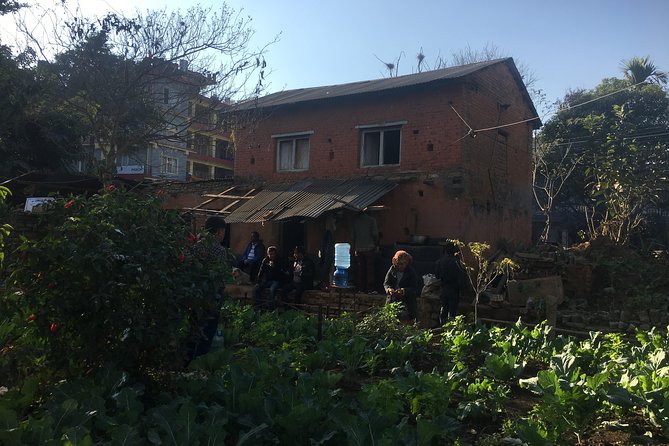
When you arrive at the farm area (Mattikhan), you’re welcomed by the farm expert. Before the cooking starts, you’ll be served herbal organic tea. It’s a small detail, but it sets the tone. This isn’t rushed. You get a breather and a quick introduction to the farm setting before you go hands-on.
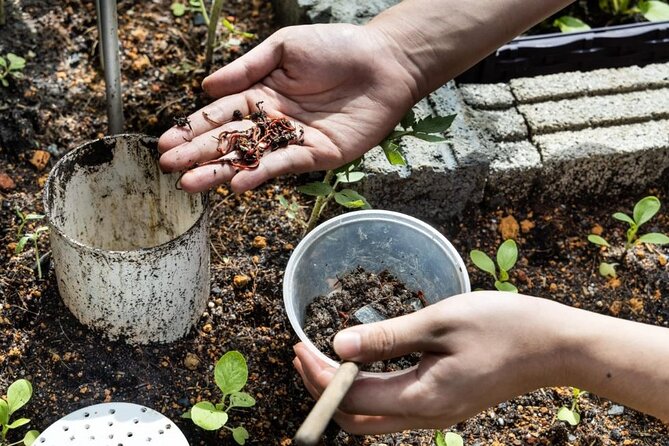
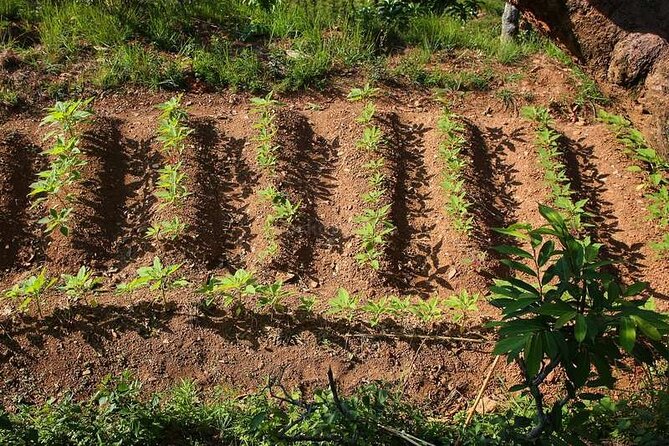
Then the teaching begins. The farm expert explains organic cultivation and how sustainable practices affect what grows and how it’s handled. The goal isn’t theory-heavy lectures. You’re there to understand the basics of organic farming and why locally sourced ingredients matter.
If you care about where your food comes from, this is the part that clicks. You’ll see the connection between soil and harvest, and you’ll get a sense of how the farm operates in an environmentally friendly way.
Cooking class with a local chef: Nepali techniques built around what you harvested
After the farm orientation, your day shifts into cooking mode with a local chef. The cooking class runs about 1 hour 30 minutes, and it’s interactive in the way that actually helps you learn.
You’ll prepare authentic Nepali dishes using organic produce from the farm. That matters because it forces you to notice ingredient differences. Organic vegetables can taste different in ways you’ll pick up when you cook them yourself.
What you’ll do in the kitchen is also part of the structure. You’re not just watching someone else cook. You’re involved in the process, guided through traditional recipes and cooking techniques.
This is a great format if your goal is to leave with something you can recreate. Even if you don’t make Nepali food at home often, you’ll pick up fundamentals like how flavors are balanced, how ingredients are handled, and how Nepali comfort staples come together.
Harvest-to-meal: turning fresh farm ingredients into Dhido, Gundruk, and more
This tour is built around the idea that you go from farm work to eating right away. The highlight is the farm-to-table experience.
You’ll harvest fresh ingredients from the organic farm. Then you’ll help with preparation as part of the cooking flow. Finally, you’ll enjoy lunch made from what you helped gather and cook.
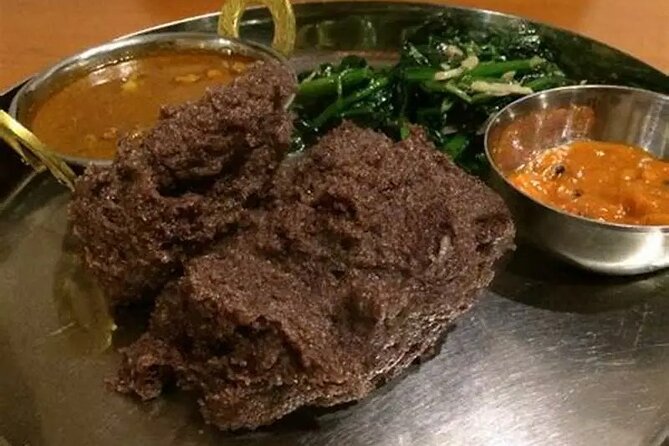
The lunch menu is not vague. It includes typical authentic Nepali dishes such as Dhido and Gundruk, along with organic vegetables and salads. That combination matters because it gives you a full sense of Nepali meal structure: hearty staple + fermented greens flavor + fresh veg balance.
And because you cooked parts of it, you’ll be able to connect your effort to the result on the plate. That connection is often missing on food tours that stop at tasting. Here, the day ends with the meal you made.
What makes this tour worth $115: value beyond the label
At $115 per person, you’re paying for more than a single activity. In practice, a big chunk of that cost covers the setup: hotel pickup and drop-off, farm access with an expert explanation, the chef-led cooking class, and the included lunch.
Here’s what you’re getting for your money:
- Lunch with typical Nepali dishes (Dhido and Gundruk) plus organic vegetables and salads
- Organic farm visit with an expert explanation
- Local guide
- Hotel pickup and drop-off
- Private tour (only your group participates)
- Private vehicle transfer
- Bottled water
That combination is what usually makes this type of tour feel like a good deal. You’re not paying separately for transportation, guide time, and a full meal.
What you’re not getting is also clear: souvenirs like organic vegetables, fruits, and natural herbs are available for purchase, but they’re not included. That means you can go home with extra goodies if you want, without feeling like you’re locked into extra spending during the meal.
One more value point: it’s scheduled and compact. You’re not buying a half-day and then losing the time to confusion. The mobile ticket and organized flow help it feel efficient.
Durku and sustainability: what you’ll take home about organic farming
It’s easy to treat an organic farm visit like a photo stop. This tour goes further because it explains sustainable farming practices and connects them to the food on your plate.
You’ll learn:
- Why organic cultivation choices support the farm’s approach to sustainability
- How locally sourced ingredients show up in real meals
- How farm-grown ingredients translate into cooking
Even if you’re not planning a backyard garden, you’ll come away with a clearer picture of how organic systems work day-to-day. And because you cook with the produce, the lesson sticks. Taste becomes the memory aid.
Private tour style: when you’ll feel the difference
This is a private tour/activity, meaning only your group participates. That’s a quality-of-life upgrade.
You’re more likely to get questions answered without a scramble of other group members. It also tends to make the pace feel smoother, especially during the cooking class where hands-on instruction benefits from more attention.
It’s a strong fit for couples who want an easy food-and-culture morning, families who want a structured activity, or solo travelers who prefer a guided day without blending into a larger crowd.
Practical notes before you go (so the day stays fun)
A few things to plan for based on how the experience is structured:
- You’ll be in the kitchen, so wear clothes you’re comfortable getting a bit warm or messy in.
- You’ll harvest ingredients, so closed-toe shoes are the safer choice.
- You’ll eat lunch you helped prepare, so avoid scheduling a heavy meal right before.
- If you want souvenirs, decide in advance whether you’ll budget for farm produce or herbs, since those aren’t included.
Also double-check whether your plan includes children. Kids must be accompanied by an adult, and children up to 5 years are free with valid ID.
Who should book this organic farm cooking tour
This is ideal if you:
- Like food experiences that actually connect to the ingredient source
- Want a Nepali cooking lesson that uses fresh farm produce
- Prefer structured, guided learning over browsing
- Are looking for a short, satisfying activity in Pokhara that includes lunch
It might feel less ideal if you want a long hike, a slow-paced day with lots of downtime, or a super deep dive into farming science. This is more about a clear farm-to-kitchen-to-table arc than about spending the entire day on one topic.
Should you book this Pokhara organic farm tour at Durku?
Yes, if your idea of a great travel day is: learn a little, work a little, cook a little, then eat well without hunting down logistics. The included lunch, the chef-led class, the organic farm expert explanation, and the hotel pickup/drop-off make it feel like a complete half-day package.
I’d skip it only if you’re chasing a longer farm experience or you’re not interested in Nepali cooking at all. Otherwise, this is the kind of tour where you leave with more than photos—you leave with recipes, food knowledge, and a meal that makes sense because you helped create it.
FAQ
What time does the tour start?
The tour starts at 10:00 am.
How long is the organic farm tour and cooking class?
It runs about 4 to 5 hours.
Is hotel pickup and drop-off included?
Yes. Hotel pickup and drop-off are included.
Where does the tour take place?
It takes place near Pokhara, with the farm stop in the Mattikhan area.
Is the tour private?
Yes. It’s a private tour, and only your group participates.
What’s included in lunch?
Lunch includes typical authentic Nepali dishes such as Dhido and Gundruk, along with organic vegetables and salads.
Does the cooking class include instruction from a chef?
Yes. A local chef leads the cooking class, which lasts about 1 hour and 30 minutes.
Is bottled water provided?
Yes. Bottled water is included.
Are souvenirs available to buy?
Yes. Organic vegetable, fruits, natural herbs, and similar items are available for purchase.
What’s the cancellation policy?
Free cancellation is available. You can cancel up to 24 hours in advance for a full refund, based on the experience’s local time.