REVIEW · EVORA
Évora: Cork Factory and Cork Farm Lunch included
Book on GetYourGuide →Operated by Burriscas Adventure PT · Bookable on GetYourGuide
Cork in Alentejo is practical and fascinating. This Évora cork factory and farm day turns what seems like a simple souvenir into a full, working story, and I love the cork-to-products tour plus the home-style Alentejo lunch at Telma’s family restaurant. One heads-up: if you sit farther back in the van, it can be hard to hear the guide’s explanations.
The guides make a big difference. Telma brings energy and real pride in the region, and Pedro tends to explain patiently, from how cork is harvested to how the montado ecosystem works. When the weather forecast looks rough, Pedro also adjusts the afternoon so the day stays worth your time.
The back half is where it clicks into place: you walk an Alentejo estate with cork and holm oaks, learn how harvesting fits into the natural rhythm, and then see a prehistoric cromlech plus a reconstructed Neolithic village. Bring comfortable shoes, water, and a sun hat, because this is an outdoor day that rewards good walking footwear.
In This Review
- Key takeaways before you go
- Why cork in Évora is more than a souvenir
- Cork factory visit: how raw cork becomes real products
- Lunch at Telma’s family restaurant in the Alentejo way
- The montado farm experience: holm oaks, cork trees, and harvest rhythms
- Cromlech and a Neolithic village reconstruction: seeing time on the same property
- The practical stuff: timing, van comfort, and what to bring
- Price and value: what $117 buys you in a full day
- Who should book this cork-and-farm day (and who shouldn’t)
- Should you book Évora Cork Factory and Cork Farm?
- FAQ
- Is lunch included on this tour?
- How long is the tour?
- Does the tour include transportation from my accommodation?
- What does the cork factory visit include?
- What do you see and do on the farm?
- Are the cromlech and Neolithic village part of the tour?
- What languages are offered during the tour?
- What should I bring?
- Is this tour suitable for wheelchair users?
- Can I cancel and get a full refund?
Key takeaways before you go
- Cork production, from bark to finished goods in a real factory visit, not a slideshow
- Lunch with local family hospitality at a typical restaurant linked to your guide’s hometown
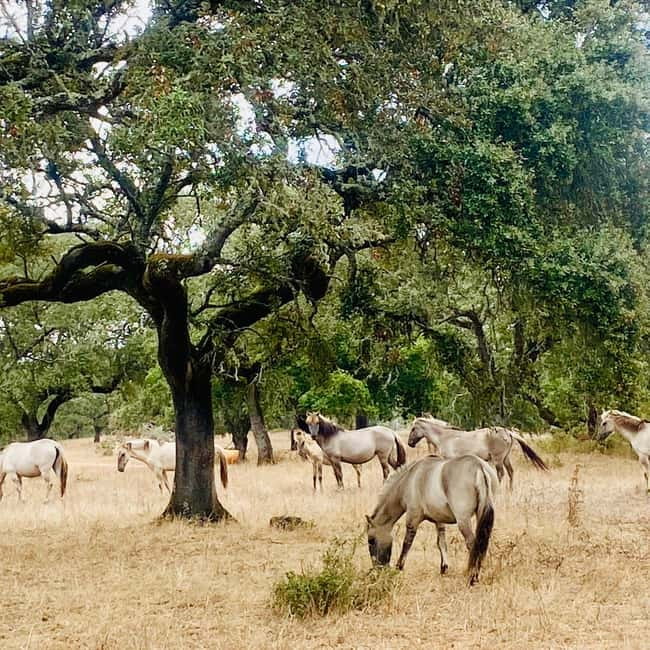
- Montado farm time to understand cork trees, holm oaks, and how people work with the ecosystem
- Prehistoric and Neolithic stops on the property, including a cromlech and a village reconstruction
- Plan for van audio: if you want every detail, sit closer to the front
- Weather adaptability: the itinerary can shift in case of rain without feeling like you lost the day
Why cork in Évora is more than a souvenir
If you’ve only seen cork as bottle stoppers, you’re in for a reality check—in a good way. Cork isn’t just a material. In Alentejo, it’s a sustainable farming system tied to the montado, the cork-and-holm-oak woodland you’ll hear about again and again once you’re in the region.
What I like most is that this day shows cork as a chain. You start with the tree and the harvest idea, then you see how the factory turns raw material into products, and only then do you step onto a working farm where the ecosystem is part of the story. That sequence matters because it makes the sustainability feel concrete instead of theoretical.
You’ll also get a sense of the region’s rural rhythm. On this kind of tour, the value isn’t just the sites. It’s the human scale: family-run hospitality at lunch, farm operations in the afternoon, and guide knowledge grounded in local life (Telma and Pedro both come across as genuinely invested).
The one caution: this is not a sit-and-watch day. You’ll be on your feet, and the outdoor sections can be sunny or damp. Comfortable shoes are not optional.
Cork factory visit: how raw cork becomes real products
The morning centers on a cork factory visit, and that’s where your “wait, cork can do all that?” moment usually happens. You’ll learn about the process of transforming cork into different products, and you’ll get to see plenty of items available for sale.
Factories can sometimes feel like shopping sprees. Here, the factory stop is positioned more like a lesson. The goal is understanding the step-by-step transformation—what happens after harvesting, what goes into processing, and why cork works so well for packaging, insulation, and other uses.
A practical perk: this is an indoor segment you can enjoy even if weather turns. One review-style theme I picked up is that the day stays flexible—so even when rain threatened, the schedule was adjusted to keep the experience strong. That kind of thinking matters when you’re traveling with limited time.
Also, don’t rush this part. Look closely at how the products are made from what starts as bark. It helps later when you’re standing in the farm environment trying to connect tree growth, harvesting practice, and end products.
Lunch at Telma’s family restaurant in the Alentejo way
Lunch is a highlight, and it’s not just because it’s included. It’s because it feels local and personal.
You’ll eat at a typical Alentejo restaurant connected to the guide’s family. The tone is warm and welcoming—more like being hosted than being processed. Telma’s family restaurant is specifically mentioned as a memorable stop, and the hospitality is a big part of why lunch lands so well.
What you should expect:
- Traditional Alentejo food served in a restaurant setting
- Drinks are not included, so plan for that if you want wine or beer
- A relaxed pacing that gives you time to reset before the afternoon outdoors
This lunch stop also helps you understand the “why” behind cork and farm life. When you eat well in the region, it makes the agricultural side feel less abstract. Cork and the montado aren’t just industry; they’re part of how people live.
Tip: since drinks aren’t included, decide in advance what you want to spend so lunch stays easy on your budget. Also, eat at a comfortable pace and save energy—your afternoon includes walking.
The montado farm experience: holm oaks, cork trees, and harvest rhythms
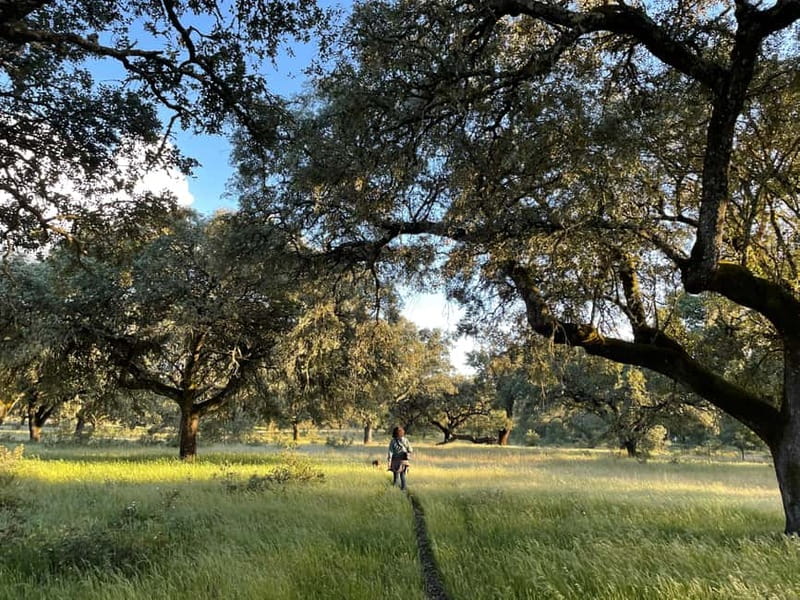
After lunch, you shift from factory learning to estate reality. The afternoon focuses on an Alentejo farm and the montado—an iconic system where cork oaks and holm oaks shape the land.
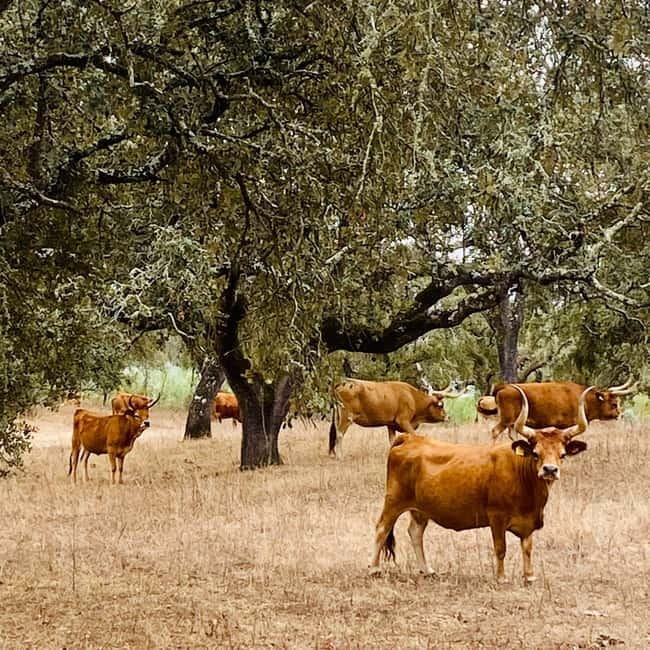
Here’s what makes this more than a scenic stroll. You’ll discover cork and holm oaks in their natural working context and learn about the cork harvesting process. That means you’re not just seeing trees—you’re learning the logic behind when and how harvesting happens and how it fits into farm operations.
The estate part also adds layers you won’t get in a city museum:
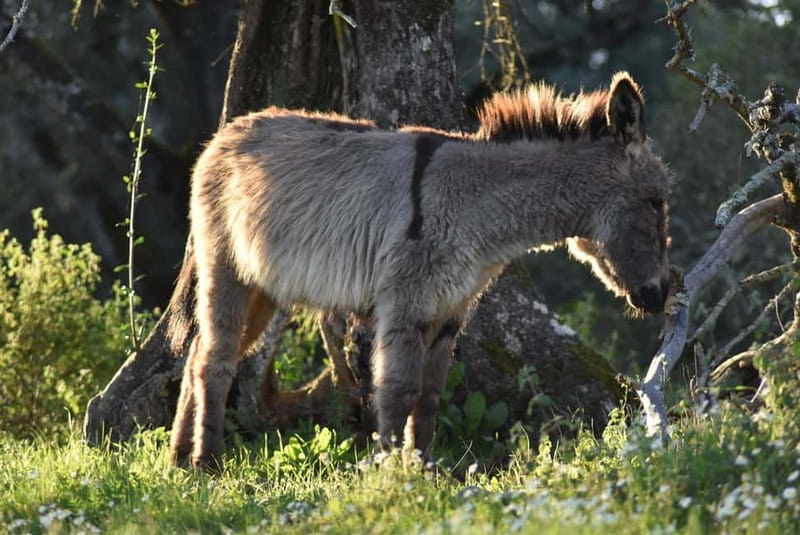
- You can observe animals on the property
- You’ll see how people balance agriculture and nature
- You may visit an education center on-site, which helps connect the dots
Some of the best moments are small: watching how the environment is used and understanding why the montado is valuable beyond production. Cork trees don’t exist in isolation here. They’re part of a system.
One practical consideration: this is an outdoor segment. Even if you love farms, you’ll want good shoes and water. A sun hat helps more than you’d think, especially on open areas.
Cromlech and a Neolithic village reconstruction: seeing time on the same property
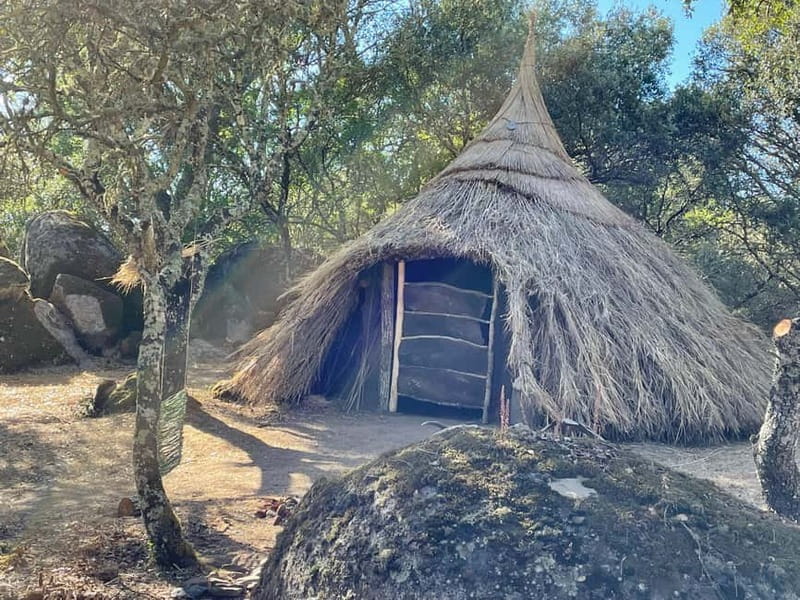
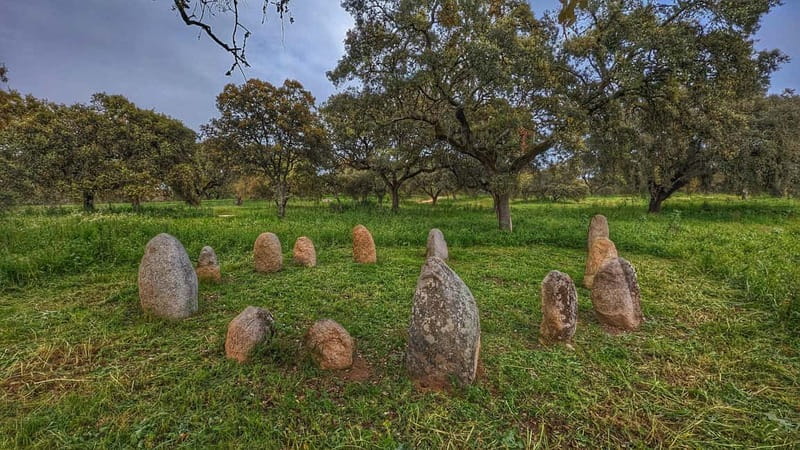
Then comes the prehistoric and Neolithic connection. You’ll visit a prehistoric cromlech located on the property and also see a reconstruction of a Neolithic village.
The cromlech gives you that immediate sense of age—stone circles and megalithic design are the kind of thing that reads differently when you’re standing near it rather than looking at a photo. It’s one of those stops that turns the day from “agriculture and craft” into “place and human story.”
The Neolithic village reconstruction is a bonus for context. It’s designed to help you visualize how people might have lived in the area. One consideration: a couple of details here may feel more geared toward younger groups rather than adults who prefer raw historical facts. If you’re the type who gets restless when interpretation feels too school-group friendly, you might wish the village portion were shorter or more strictly focused.
Still, the overall mix works well. You’re connecting land use—cork and montado—with how people have used and imagined this region for a very long time.
If you like history but also like your history to connect to daily life, this pairing makes sense. You end the day with both the human past and the living present in your head.
The practical stuff: timing, van comfort, and what to bring
This tour runs about 8 hours. That’s long enough to feel complete, but not so long that you lose the day. Transportation from your accommodation is included, which is a big part of the value—especially if you’re staying in or near central Évora and don’t want to manage a car.
One very real practical note: van audio. In at least one case, a guest sat in the third row and found the van noise made it tough to hear explanations. If clear commentary matters to you, aim for the front or second row when possible. That way you don’t miss the details about cork processing, the montado ecosystem, and the harvest logic.
What to bring:
- Comfortable shoes (you’ll walk)
- Sun hat
- Camera
- Water
Weather can influence how the afternoon feels. One review pattern was that the guide communicated ahead when rain was forecast and adapted. Still, you should dress for the outdoors and expect some uneven conditions on an estate property.
Also consider the languages. The host or greeter works in English and Portuguese, so you should be covered either way.
Price and value: what $117 buys you in a full day
At $117 per person for an 8-hour outing, the key question is what you’re getting for your time. Here, you’re not just paying for a factory and a meal.
Included elements add up:
- Transportation from your accommodation
- Visit to a cork factory
- Traditional Alentejo lunch at a typical restaurant (drinks not included)
- Exploration of an Alentejo estate
- Visit to a prehistoric cromlech and a reconstruction of a Neolithic village
When you think of it that way, the price makes sense. A factory visit alone in Europe can cost near that range once you factor in guided time. Then you add lunch, estate walking, and two distinct archaeology-style stops.
The only cost you’ll likely add is lunch drinks, plus any souvenirs you pick up at the factory shop. That’s normal, and it’s easy to budget for since you already know drinks aren’t included.
If you want cork without it feeling like a quick stop, this package is built to be a full day. For many people, that’s the real value: you don’t have to stitch together multiple half-tours.
Who should book this cork-and-farm day (and who shouldn’t)
This experience suits you if you like:
- Craft and production explanations that connect to real landscapes and local work
- Farming and ecosystems, especially the montado world of cork and holm oaks
- A day that mixes rural life with prehistoric sites
It’s also a strong fit if you want a guided day out of Évora without worrying about logistics. Pickup and drop-off make it easier, and the guides are a central part of why the day feels smooth.
Skip it or be cautious if:
- You need wheelchair-friendly access. The tour is noted as not suitable for wheelchair users.
- You have animal allergies. This tour is also noted as not suitable for people with animal allergies, which makes sense given the estate portion.
One more subtle fit question: the reconstructed Neolithic village portion is included, but it may feel more school-oriented than adult-focused. If that kind of format isn’t your thing, you might still enjoy the cromlech and the farm side as the main payoff.
Should you book Évora Cork Factory and Cork Farm?
Book it if you want more than cork as a product. This day gives you the full arc: cork factory process, lunch with local family hospitality, montado farm learning, and prehistoric/Neolithic stops on the same outing.
Don’t book it if you’re seeking a highly polished museum-style history experience only, or if you’re sensitive to outdoor walking and animals. Also, if you’re picky about hearing commentary, plan to sit closer to the front of the van.
FAQ
Is lunch included on this tour?
Yes. You get a traditional Alentejo lunch at a typical restaurant. Drinks at lunch are not included.
How long is the tour?
The tour lasts 8 hours.
Does the tour include transportation from my accommodation?
Yes. Transportation from your accommodation is included, with pickup and drop-off around Évora.
What does the cork factory visit include?
You’ll visit a cork factory and learn about the entire process of transforming cork into various products.
What do you see and do on the farm?
You explore an Alentejo estate, visit the montado area, discover cork and holm oaks, learn about cork harvesting, and see animals on the property.
Are the cromlech and Neolithic village part of the tour?
Yes. You’ll visit a prehistoric cromlech located on the property and also see a reconstruction of a Neolithic village.
What languages are offered during the tour?
The host or greeter provides English and Portuguese.
What should I bring?
Bring comfortable shoes, a sun hat, a camera, and water.
Is this tour suitable for wheelchair users?
No. It is not suitable for wheelchair users.
Can I cancel and get a full refund?
You can cancel up to 24 hours in advance for a full refund.