REVIEW · ZANZIBAR CITY
Zanzibar: Spice Farm Tour and Cooking Class with Lunch
Book on GetYourGuide →Operated by Zanturtle Explore Tours and Safaris · Bookable on GetYourGuide
Smell the spice trees in Zanzibar. This 5-hour day focuses on touching spices where they grow and turning that into a Swahili cooking class with lunch. You’ll also get a guided village-and-plantation walk that feels sensory, not showroom-y. One thing to consider: some days include pickup mix-ups and tip requests, which can make the day feel a bit less smooth or less authentic.
I like that the experience leans practical—harvesting ingredients, learning traditional uses, and tasting fruit right on the farm. You should expect tropical samples like pineapple, bananas, oranges, and watermelon, plus a look at how people climb spice trees and coconut trees. If you’re hoping for a super formal, step-by-step cooking lesson, the cooking portion may feel more like cooking with locals than a classroom masterclass.
In This Review
- Quick hits on the Jambo Spice Farm cooking day
- Why a Zanzibar spice farm feels more real than browsing markets
- Getting to the farm: how the 5-hour rhythm usually plays out
- The spice-farm walking tour: smelling and touching spices where they grow
- Harvesting ingredients: the moment it becomes a cooking class
- Cooking with a local chef: what the 3 courses and dessert actually mean
- Fruit tasting and palm-leaf details that make the farm feel alive
- Price and value: is $63 fair for what you get?
- Who this tour suits best (and who should choose something else)
- Practical tips to make your day smoother
- Should you book this Zanzibar spice farm and cooking class?
- FAQ
- How long is the Zanzibar spice farm and cooking class?
- Where does this tour take place?
- What is the price per person?
- Is hotel pickup and drop-off included?
- What areas are pickup and drop-off offered from?
- What does the cooking class include?
- What’s included during the spice farm visit?
- What should I bring?
- Are there any restrictions on what I can bring?
- What languages is the live guide available in?
Quick hits on the Jambo Spice Farm cooking day
- Hands-on spice identification: smell, touch, and taste spices straight from the plants (cloves, cinnamon, ginger, lemongrass, and more).
- A village-and-plantation walking tour: you get to move through villages and spice-growing areas, not just stand still.
- Harvest-and-cook flow: you gather ingredients and then cook a meal with a local chef.
- A real 3-course lunch experience: you’re not just nibbling; you’re eating what you help prepare, plus dessert.
- Tropical fruit tasting plus extras: you can taste Zanzibar fruit and may even get palm-leaf accessories; some guides also add playful cultural moments.
- Value is solid at $63, but timing matters: most of what you’re paying for is the farm time and meal, so late pickup can sting.
Why a Zanzibar spice farm feels more real than browsing markets
Zanzibar spices have a reputation. But it’s one thing to see labels in a shop and another to stand next to the plant and understand what part matters—bark, leaves, fruit, or seed—and how people use it in cooking.
That’s the heart of this tour: you’re guided through the spice plantations and village areas, then you harvest ingredients and cook with them. I love experiences like this because they train your senses. Smell helps, touch helps, and then taste ties it all together. When you finally sit down to eat, you’re not just enjoying flavor—you understand where it came from.
The tour also highlights how spices connect to Zanzibar cuisine in day-to-day life. The focus isn’t just on the “wow” factor of cloves or cinnamon; it’s on the practical role spices play alongside staples like rice and curries.
You can also read our reviews of more tours and experiences in Zanzibar City.


Getting to the farm: how the 5-hour rhythm usually plays out
This is a short, efficient day. You’ll get hotel pickup and drop-off, then ride in a van for about an hour to reach the farm area. Once you arrive, the day is divided between guided farm time, lunch, and the cooking session.
In many cases, it works like this:
- You spend time at the farm with a break and an initial guided tour (including walking around the spice areas).
- After that, you head into the lunch/cooking block, where you prepare and eat what you make.
- Then you return by van and finish with drop-off at several possible zones.
Why the timing matters: a lot of the value is in the farm walking and ingredient harvesting. When pickup runs late (and a couple accounts mention driver communication issues), you end up losing minutes where you could be smelling spices and learning in place. If you’re tight on your schedule, build in a little buffer.
Also, your group is private, which is a big plus in a hands-on setting. It makes it easier to ask questions while you’re standing next to plants, and it usually reduces the feeling of being rushed.
The spice-farm walking tour: smelling and touching spices where they grow
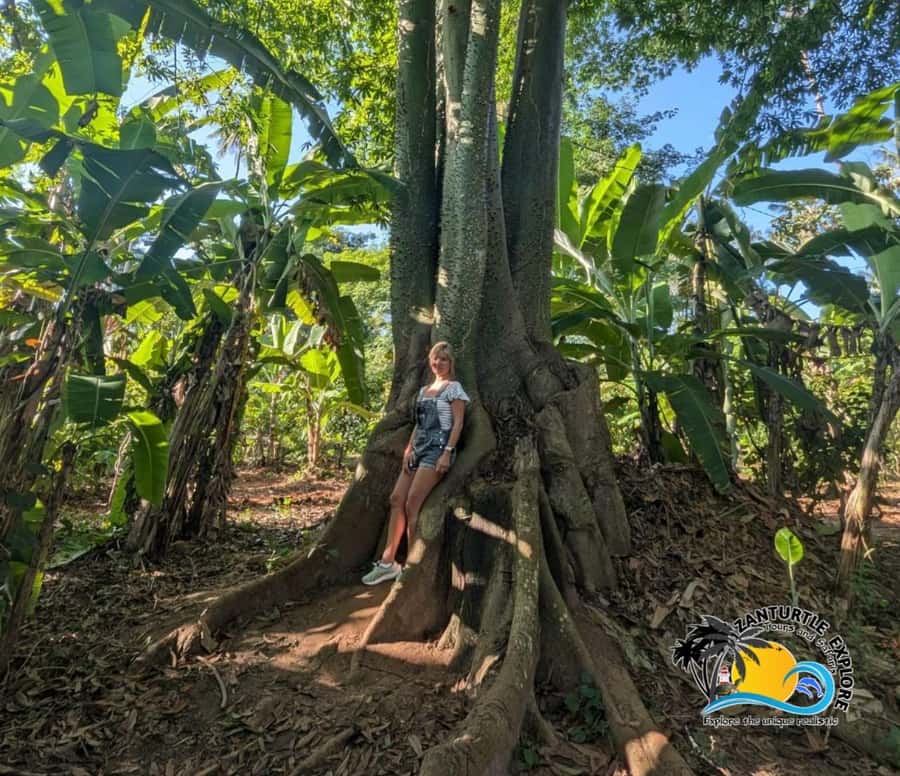
The walking portion is where this tour earns its keep. You move through spice plantations and village areas, and your guide points out plants you’d normally only see as dried goods.
Expect a sensory approach:
- You’ll smell spices directly from plants.
- You’ll touch different spice parts (like bark or leaves), which helps you understand how the spice turns into flavor later.
- You’ll get practical explanations of traditional uses—how they show up in cooking, not just what they are botanically.
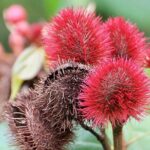
The spice list you’re likely to encounter includes cloves, cinnamon, ginger, and lemongrass, plus other plants used locally. Some guides also run a playful “spot it” style moment where you guess which spice you’re dealing with from the leaves or tree. If you get a guide who does this well (one guide named Mateo is specifically mentioned for a long, playful spice-guessing walk), it makes the farm portion feel like a game—while still teaching.
One possible downside: if you prefer a highly structured lecture style, you might find the walking tour more interactive than formal. That’s not bad—it just changes what kind of learning you get.
Harvesting ingredients: the moment it becomes a cooking class
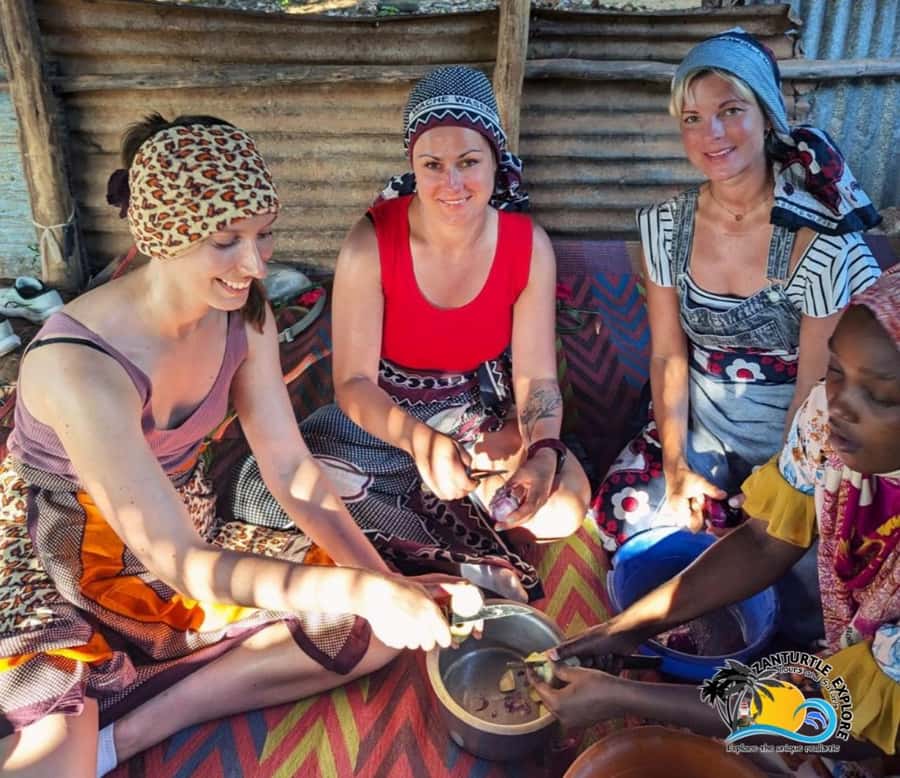
This tour doesn’t treat harvesting as a photo op. The experience is built around the idea that you harvest ingredients and then cook with them right after.
That flow matters because it forces you to pay attention to details:
- Which plant part gets used?
- How it smells compared to how it tastes?
- How fresh ingredients behave compared to what you buy dry in a spice shop?
Even if you’re not a confident cook, you’re guided through the process with a chef. And if you’ve ever wondered why Zanzibar dishes taste so layered, this is a good day to connect those flavors to specific plants.
Some people care less about harvesting and more about the meal. If that’s you, you’ll still benefit—because harvesting usually makes the later cooking step easier to follow. You’ll also understand what you’re eating beyond “it’s spicy and good.”
Cooking with a local chef: what the 3 courses and dessert actually mean
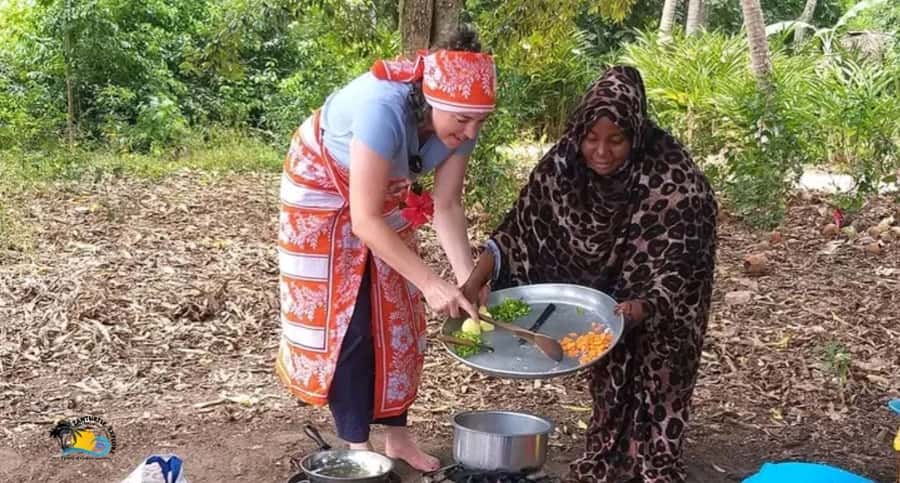
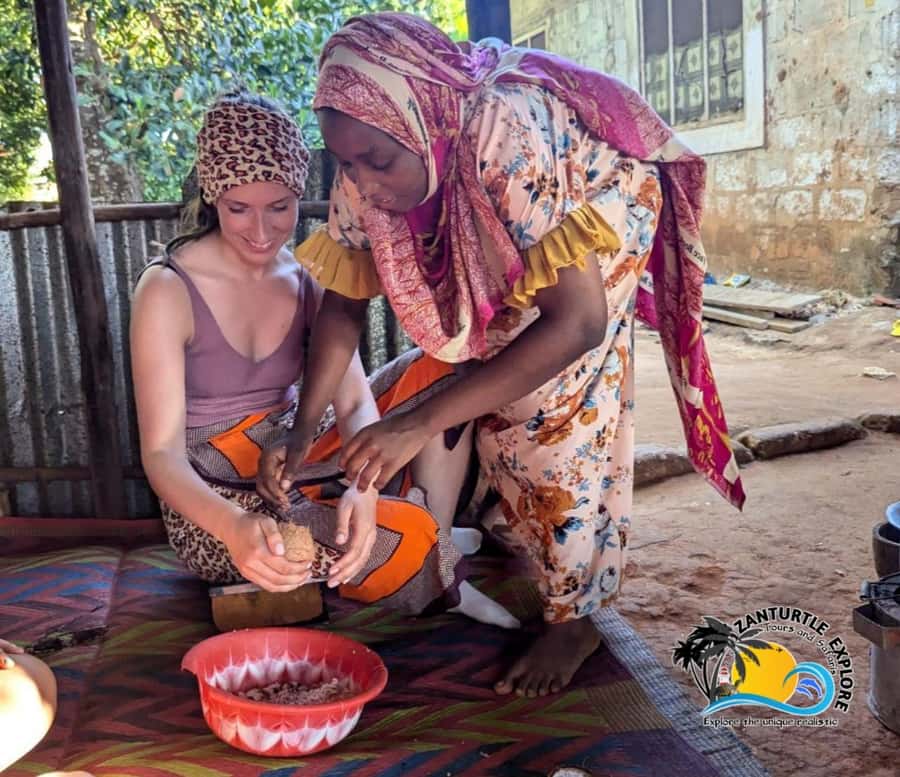
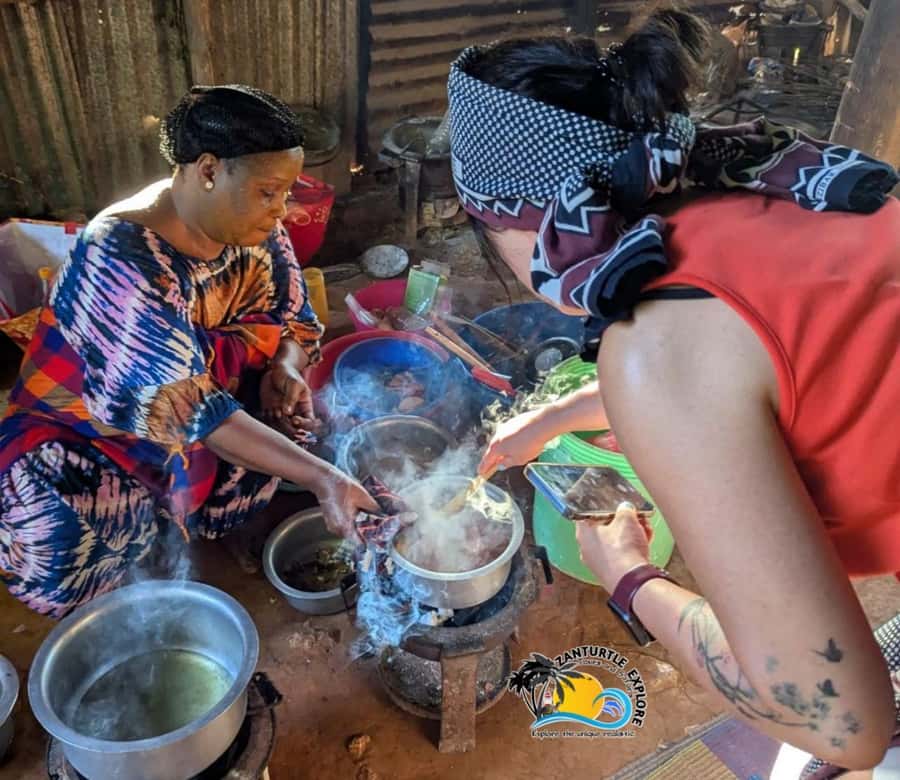
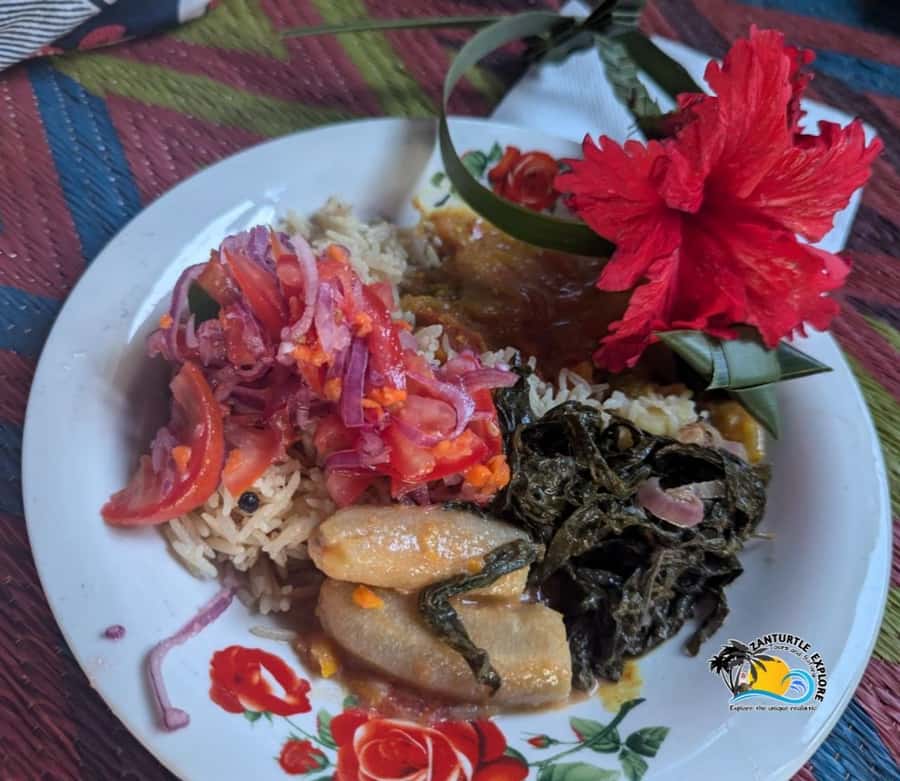
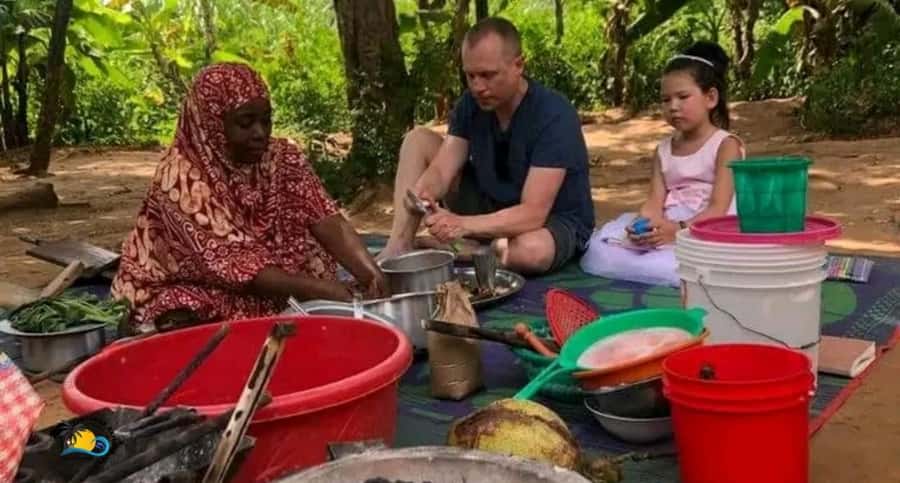
The cooking portion is where the day turns from “farm tour” into “Zanzibar food experience.” You’ll cook a traditional Swahili meal, prepared together with a local chef and designed around multiple courses.
You should expect:
- A group cooking session (the chef leads, you help with prep and cooking).
- A 3-course menu plus dessert based on the dishes prepared during class.
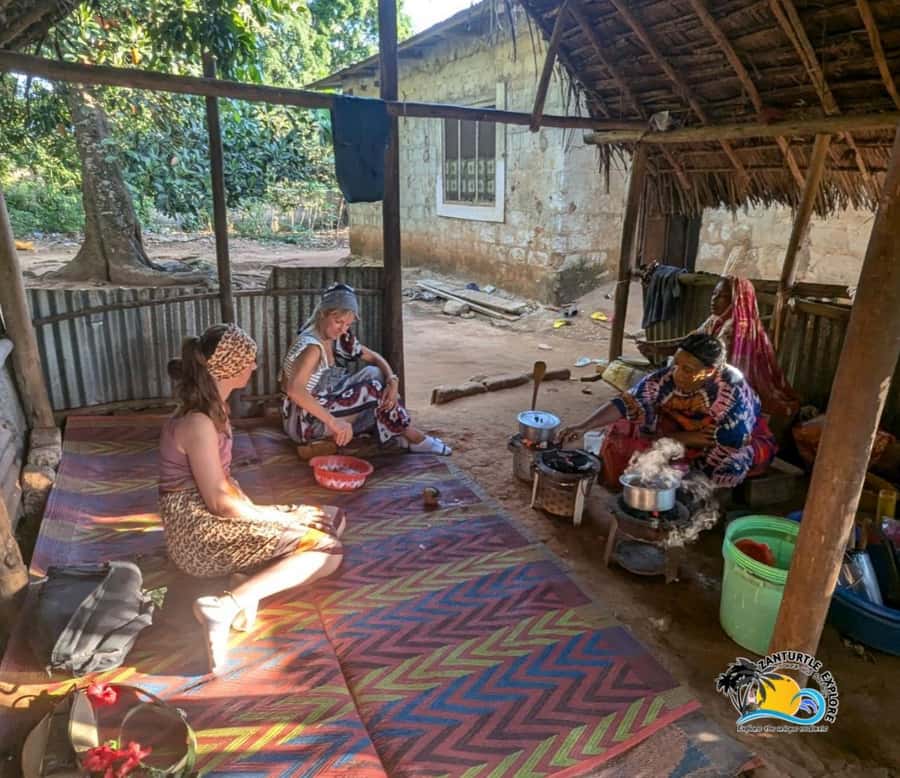
- Traditional tools and techniques, including cooking outside in a more authentic way.
One review notes that the cooking happened on an open fire outdoors, which is exactly the kind of setting that makes the techniques feel real rather than staged. Of course, cooking setups can vary by weather and the farm’s operations, but the key point is that you’re not just chopping in a kitchen studio.
How “classroom” is it? One account describes it more like cooking with locals than a strict teaching-style class—think chopping, stirring, and learning by doing. Another account highlights learning specific dishes like pilau rice and a curry, plus side dishes. So if your ideal cooking class is very detailed and highly technical, your experience may depend on the chef and guide leading your day.
No matter what, the meal itself gets strong praise. Even when people felt the class was less educational than expected, they still reported that the food was delicious and the atmosphere was friendly.




Fruit tasting and palm-leaf details that make the farm feel alive
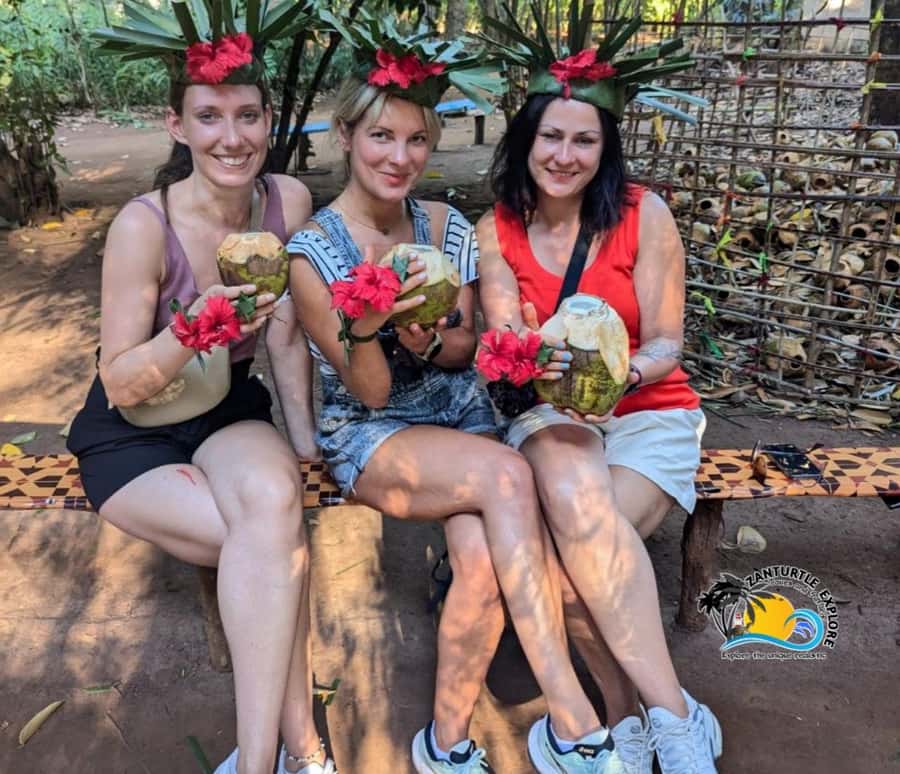
Spice farms are about more than spices. A big part of this day is tropical fruit tasting and learning how those flavors show up in Zanzibar life.
You’ll have the chance to taste fruits like:
- pineapple
- bananas
- oranges
- watermelon
Some experiences mention smaller or more unusual varieties like red bananas and small mangoes. That’s worth paying attention to. If you’re a fruit lover, this part adds real variety—especially if your trip so far has been mostly seafood and spice blends.
You may also see (and enjoy) palm-leaf accessories, like ties, rings, armbands, and glasses. Those details aren’t essential to the cooking, but they do make the experience feel more ceremonial and memorable.
One extra note: a couple accounts mention playful cultural moments, including a stop featuring performers sometimes described as butterfly men and the chance to receive fun crowns. You can’t count on every add-on every day, but the overall vibe is that the farm experience sometimes includes light entertainment along with the food learning.
Price and value: is $63 fair for what you get?
At $63 per person for a 5-hour outing, this sits in the “reasonable for Zanzibar experiences” range—especially if you care about the farm walk plus the meal.
Here’s what you’re paying for:
- Hotel pickup and drop-off
- A guided walking tour through spice plantations and village areas
- Harvesting ingredients
- A cooking session with a local chef
- Soft drinks and fruit
- Lunch (the dishes you help prepare)
- Tasting spices (smell, touch, and taste, plus fruit tasting)
That’s a lot for half a day. It becomes better value if your guide takes time with you and makes the spice learning feel personal. It can feel worse if your pickup is late or if the day becomes cluttered by repeated requests for tips.
Speaking of tips: some accounts describe lots of “tip taps” through the day, which can leave an awkward taste in your mouth. The tour data doesn’t say tips are included, so plan for the possibility of tip requests in practice. If you want to manage that stress, carry enough cash and decide your budget before you go.
Also worth noting: spice purchases can come with pressure. One account criticizes prices for spices sold during the day and describes a tourist “upsell at every corner” feeling. I’d treat any buying as optional. If you want spices, compare prices with places you trust in Stone Town before you buy.
Who this tour suits best (and who should choose something else)
This is a great pick if you:
- Want a hands-on spice experience, not just shopping or a short scenic stop
- Love food and want to connect flavors to the actual plants
- Enjoy walking tours and don’t mind heat and sun
- Want a guided day from hotel to hotel, without sorting transport
It may be a weaker fit if you:
- Want a strictly structured cooking class where you only cook and never walk around planting areas
- Are sensitive to schedule changes, since a late pickup can cut into farm time
- Hate tipping pressure or shopping pressure during tours
Because the group is private, it’s also a solid option for couples and small groups who prefer direct attention from the chef and guide.
Practical tips to make your day smoother
Bring the basics and you’ll enjoy the day more:
- Comfortable shoes for uneven farm paths
- A hat and sunscreen (you’ll be outside)
- A camera if you want to capture spices, trees, and fruit
- Cash (especially if you want flexibility for any additional moments that may come up)
You’re also told not to bring pets, and alcohol and drugs aren’t allowed. If you’re planning to meet friends later, keep alcohol plans for afterward.
One smart move: confirm your exact pickup point at the hotel lobby/reception. Your representative meets you there, and you’re picked up from a range of regions. If your accommodations sit a bit off the main route, this detail can help prevent confusion.
Should you book this Zanzibar spice farm and cooking class?
I’d book it if your dream Zanzibar day includes spices as living plants and then a meal that turns that knowledge into something you actually eat. The best version of this tour is when you get time to walk, smell, touch, and learn without rushing—followed by cooking and sitting down for lunch you helped make.
Pass if you mainly want a lecture-style cooking class or if you’re likely to feel stressed about timing and tip/shopping pressure. In that case, you might prefer a more straightforward food experience without the extra layers.
If you do book, go in with the right mindset: this is part farm tour, part kitchen time, and part sensory performance. When it clicks, it’s one of the most memorable ways to understand Zanzibar flavor.
FAQ
How long is the Zanzibar spice farm and cooking class?
The experience lasts about 5 hours.
Where does this tour take place?
It runs in Zanzibar, specifically the Unguja South Region (spice farm in the central region of Zanzibar).
What is the price per person?
The price is $63 per person.
Is hotel pickup and drop-off included?
Yes. Pickup and drop-off are included, and you’ll meet in your hotel lobby or reception area.
What areas are pickup and drop-off offered from?
Pickup and drop-off are offered across multiple Zanzibar areas, including Stone Town, Unguja North Region, Unguja South Region, and Mjini Magharibi Region.
What does the cooking class include?
You’ll cook traditional Swahili dishes with a local chef, preparing a 3-course meal and dessert.
What’s included during the spice farm visit?
You get a guided walking tour through spice plantations, tasting (smell, touch, and taste of spices including fruits), and fruit tasting plus soft drinks.
What should I bring?
Bring comfortable shoes, a hat, a camera, sunscreen, and cash.
Are there any restrictions on what I can bring?
Pets are not allowed, and alcohol and drugs are not allowed.
What languages is the live guide available in?
The live tour guide can speak English, Italian, French, German, Portuguese, Spanish, Polish, Arabic, Swahili, Czech, Russian, and Romanian.