REVIEW · MOIRES
Farm Tour with Cheese-Making, Olive Oil Tasting & Picnic
Book on GetYourGuide →Operated by Marianna Papagrigoriou ( Cretan Vibes ) · Bookable on GetYourGuide
Olive trees and cheese in one small tour. This Crete farm experience blends olive oil tasting with rural life, right with a local family. You’ll walk through olive groves and greenhouses, then sit down for real home-style food under a wooden roof.
What I like most is the hands-on way you learn olive oil quality, not just sip and move on. You’ll get a guided tasting that teaches what to notice in aroma and how harvest and processing can change the final extra virgin olive oil.
My main caution is simple: it’s a walking tour on uneven paths through olive groves and fields. Bring proper shoes and expect some time outdoors; it’s also not suitable for wheelchair users or people with epilepsy.
In This Review
- Key highlights you should care about
- A family farm view of Crete, not a checklist
- Getting oriented at Cretan Vibes (and why it matters)
- Walking the olive groves and greenhouses like a local
- Olive groves: cultivation and harvesting you can actually picture
- Greenhouses: food grown for local and wider markets
- Olive oil tasting: how to notice quality beyond the flavor
- The behind-the-scenes harvest video
- Practical tip for the tasting portion
- Cheese-making in real time: mizithra, taught by Mama Stela
- The picnic under a wooden roof, plus raki with the meal
- Why the food setup is a good value
- Duration, pacing, and what to wear
- Transportation: easy if you’re driving, extra if you’re not
- Price and value: what $60 really buys you
- Who this tour is best for (and who should skip it)
- Should you book the Cretan Vibes farm tour?
- FAQ
- How long is the farm tour?
- How much does it cost?
- What’s included in the ticket?
- Is transportation included?
- Where is the meeting point, and how do I find it?
- What languages are available for the live guide?
- What should I bring?
- Are high-heeled shoes allowed?
- Who is the tour not suitable for?
Key highlights you should care about
- Guided olive grove + greenhouse walking with a focus on how the farm works day to day
- Premium olive oil tasting with tips for recognizing aroma and quality
- Harvest video explanation that connects olives on the tree to what ends up in the bottle
- Live mizithra cheese-making demo led by Mama Stela, followed by a tasting
- Picnic under a wooden roof with homemade delicacies, handmade refreshments, water, and raki
A family farm view of Crete, not a checklist
This is one of those tours that feels like it was built for conversation, not crowd control. The day is designed around a sustainable family lifestyle: you start with the land, learn how products are grown and made, and end with a meal that’s basically the family’s kitchen at full strength.
If you enjoy food where the process matters—olive oil that depends on timing, or cheese that comes from live production—this fits well. And if you like tours where you might actually meet more family members, you’ll get that feeling here too.
The pacing is also friendly. The whole experience runs about 2.5 to 3 hours, so you’re not stuck on a long bus day, and you still get enough time to taste, watch, and eat.
Getting oriented at Cretan Vibes (and why it matters)
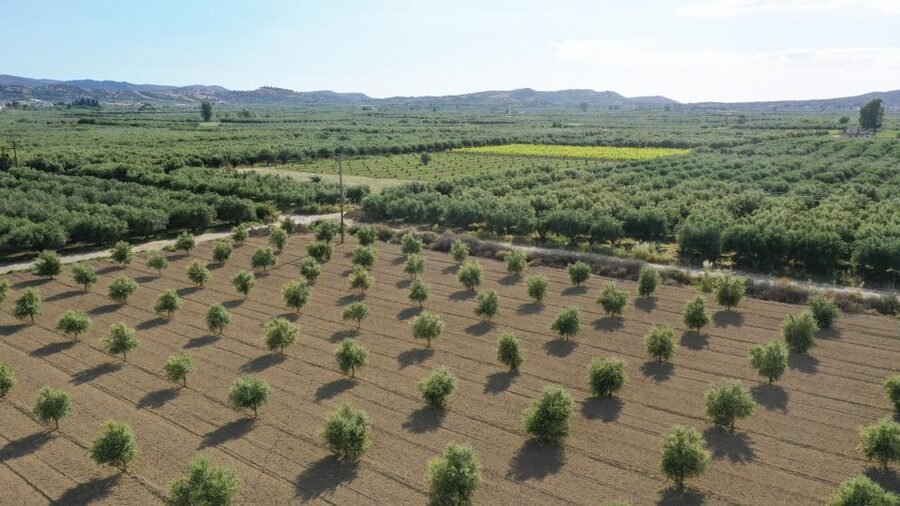
You’ll meet at Cretan Vibes on National Road 97. Parking is inside the farm, which is a big practical win in rural areas. Your GPS might suggest turning toward Panagia Kaliviany Monastery—skip that turn and keep going straight until you see the farm signs.
Why this matters: when you arrive already stress-free, you actually enjoy the early part of the tour. And the early part is the whole point here—walking the olive groves and greenhouses, not just showing up for food.
Also note the tour runs with a live guide in English and Greek, so you can expect explanations rather than a self-guided walk.
Walking the olive groves and greenhouses like a local
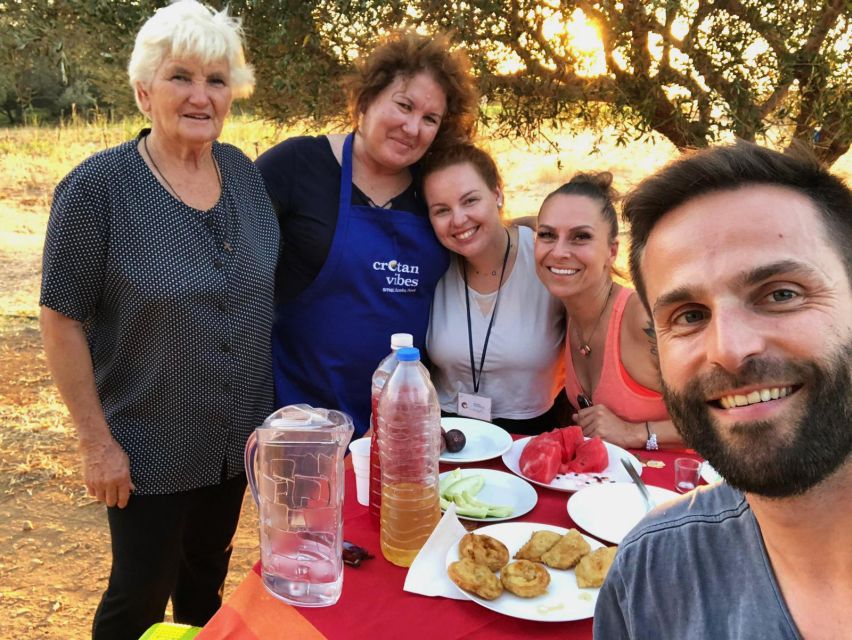
The tour starts with a guided walking route through the family’s olive groves and greenhouses. This isn’t just “look at the trees.” You’ll learn the practical side of cultivation—how olives are managed and why harvesting methods and processing steps influence the final quality of extra virgin olive oil.
Olive groves: cultivation and harvesting you can actually picture
You’ll hear how harvesting and processing can change what you taste. That’s the difference between sipping oil as a food, versus understanding it as an agricultural product with a timeline.
Expect to come away with a stronger sense of what “real” extra virgin olive oil means in the cup. The guide teaches you how to recognize aroma and quality, so your tasting becomes more focused instead of random.
Greenhouses: food grown for local and wider markets
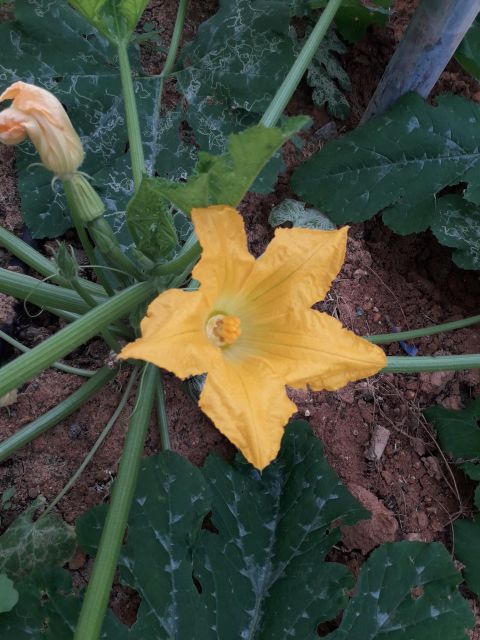
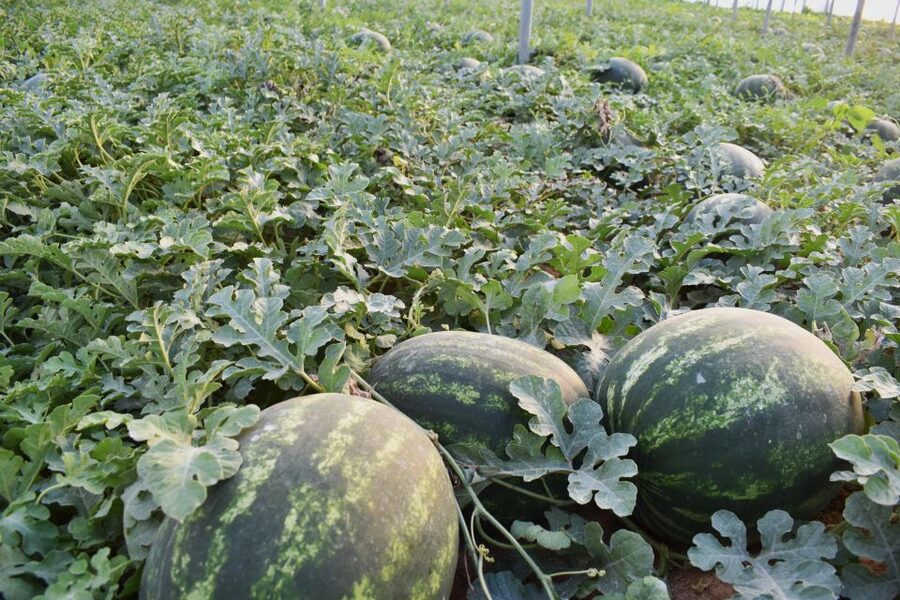
After the olive section, the tour moves into the greenhouse part of the farm story. You’ll explore vegetables, herbs, and fruits grown there, plus why these local products matter not only for local markets but also for larger metropolitan markets of Greece.
The value here is that you’re seeing Crete beyond summer postcards. Greenhouses signal planning and consistency—how a family keeps producing even when conditions change.
Olive oil tasting: how to notice quality beyond the flavor
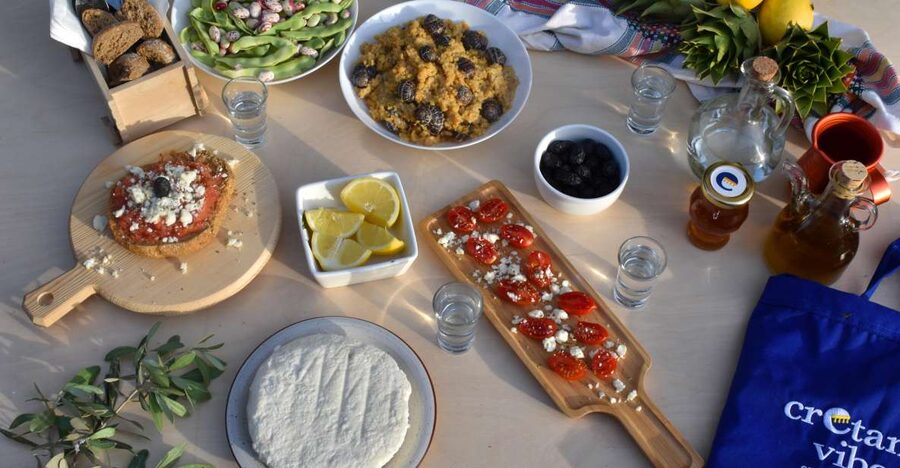
This is one of the most educational parts of the tour, and it’s also one of the most fun if you like food that rewards attention.
You’ll do a premium olive oil tasting during the olive grove walking section. The guide explains how to recognize aromas and quality, so you know what you’re smelling and why it matters. In plain terms: you’re learning to taste on purpose.
The behind-the-scenes harvest video
To tie it together, you’ll also watch a short behind-the-scenes video about the family’s olive harvest. You’ll see how olives are collected and pressed—tree to bottle—so the tasting doesn’t feel disconnected from agriculture.
When the tour connects process to flavor like this, you end up with a memory you can reuse later. The next time you see extra virgin olive oil for sale, you’ll have a better sense of what differences might be coming from harvest and processing choices.
Practical tip for the tasting portion
Take your time with the tasting. Olive oil aromas can be subtle, and the guide’s whole point is that you learn to notice them. If you rush, you’ll miss the lesson.
Cheese-making in real time: mizithra, taught by Mama Stela
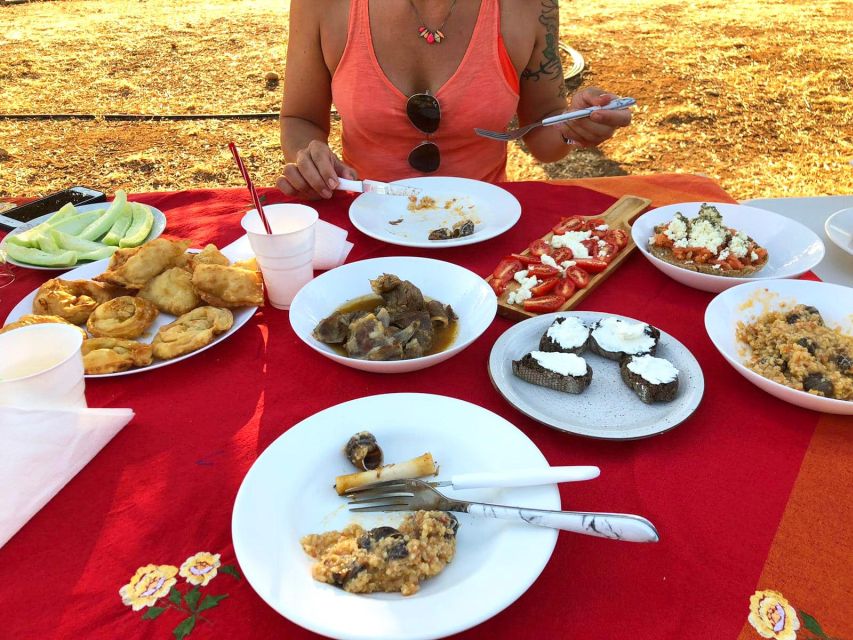
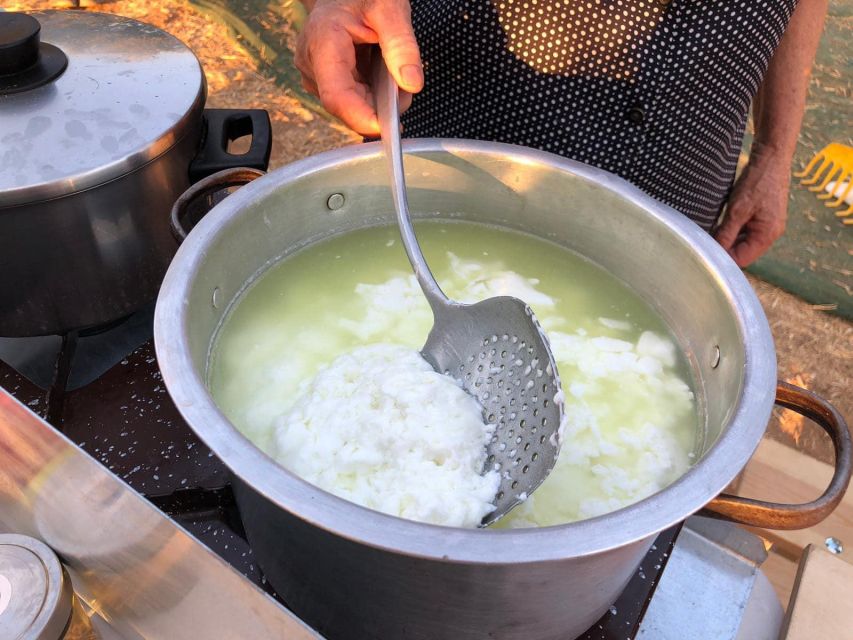
Then comes the moment many people look forward to: live cheese-making. You’ll get a demonstration led by Mama Stela, and you’ll taste the result afterward.
The cheese is specifically mizithra—a Cretan cheese made through a process that’s very much tied to local traditions. Watching the steps live matters because you’re not just eating a finished product. You’re seeing how handwork and timing shape texture and flavor.
What I like about this part of the tour is that it’s simple to understand even if you’re not a “food nerd.” You can clearly connect the demo to the bite you get right after.
The picnic under a wooden roof, plus raki with the meal
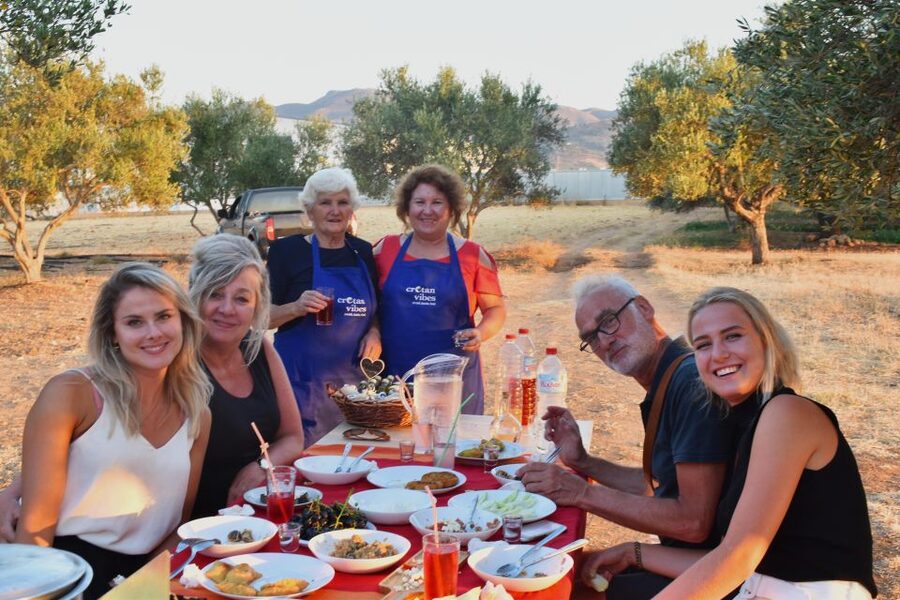
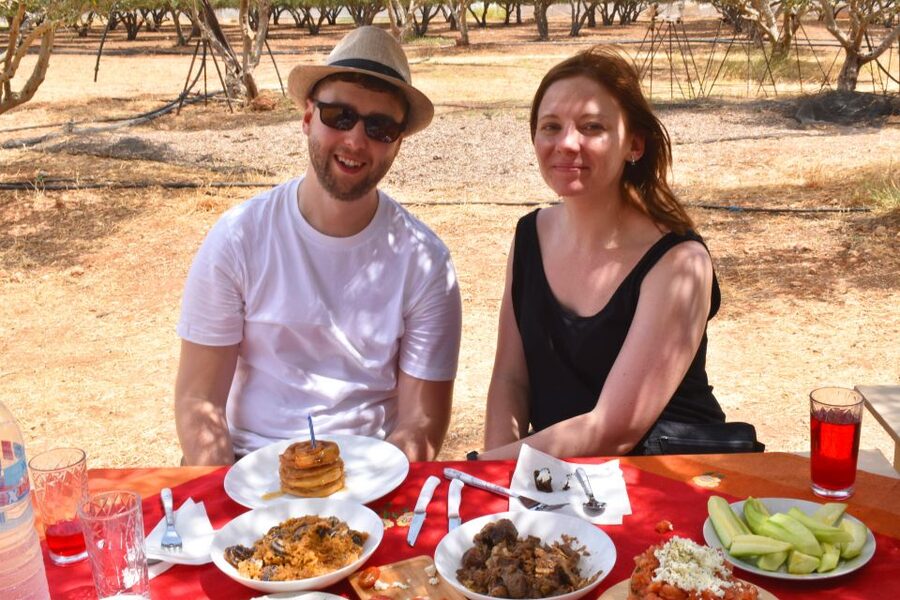
After the walks, you reach the outdoor picnic area—under a beautiful wooden roof. One side is surrounded by olive trees, and the other side connects to the lush garden, so you’re eating in a calm farm setting rather than a restaurant room.
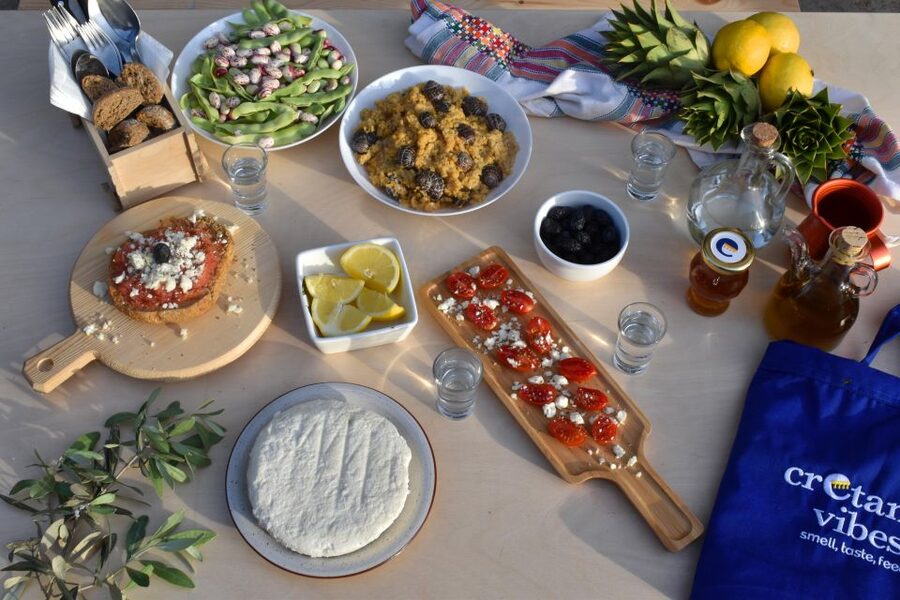
This is where the tour turns from learning into full-on comfort food. You’ll meet Mama Stela and enjoy traditional Cretan food prepared by her, plus handmade refreshments, water, and raki—which is part of the Cretan spirit of the meal.
Why the food setup is a good value
This isn’t a tiny snack. The tour includes a picnic style meal with her delicacies, and raki is included as part of the experience. For the price, you’re effectively paying for:
- guided farm time (olive groves + greenhouses),
- oil tasting and a harvest explanation,
- live cheese-making and tasting,
- and then a full food-and-drink finish.
That combination is what makes the $60 feel reasonable instead of “tasting tour prices.”
Duration, pacing, and what to wear
The experience lasts about 2.5 to 3 hours, so it’s long enough to do everything without feeling rushed, but short enough that you can still plan other things the same day.
You’ll be walking through olive groves and fields, so the tour notes are spot on: wear comfortable shoes and not sandals or flip-flops. The farm also advises against high-heeled shoes.
I’d pack like this:
- comfortable shoes or sports shoes
- sunglasses and sunscreen
- a sun hat
- comfortable clothes that can handle outdoor walking
If you hate the idea of getting warm outdoors, this tour is still doable—you just need sun protection and footwear that won’t make the walk miserable.
Transportation: easy if you’re driving, extra if you’re not
Transportation services are not included. So you’ll need your own plan to get to Cretan Vibes.
Good news: parking is available inside the farm, and the meeting point is clearly marked with signs. Still, if you’re relying on public transit or a taxi, confirm timing ahead of time so you don’t lose part of the experience.
Price and value: what $60 really buys you
At $60 per person, you’re paying for a package, not just one tasting. Based on what’s included, your money covers multiple “value” moments: guided walking tours, olive oil tasting with instruction, a harvest video explanation, live mizithra cheese-making, and a traditional picnic with raki.
In other words, it’s not only food. It’s also education tied to the farm’s sustainable practices—olive cultivation, harvesting, greenhouse growing, and the role of local products for both local and larger markets.
If you’re the kind of person who likes to taste first, then ask questions about how it was made, this price-to-experience ratio makes sense.
Who this tour is best for (and who should skip it)
This tour is a good fit if you:
- enjoy olive oil tasting with real explanations
- like seeing food production live, especially mizithra cheese-making
- want a family-style meal in a quiet outdoor farm setting
- prefer a short experience that still feels like Crete’s everyday life
It’s not suitable for wheelchair users, people with epilepsy, or hearing-impaired people. If you’re in one of those categories, it’s worth choosing a different Crete activity.
Also, if you hate walking outdoors, take the footwear advice seriously. The farm portion is part of the deal.
Should you book the Cretan Vibes farm tour?
Yes—if your idea of a great Crete day includes food you understand, not just food you eat. The combination of olive grove learning, guided extra virgin olive oil tasting, a mama-led mizithra cheese demo, and a picnic with raki feels like a complete farm experience in only a few hours.
Book it if you want to see Crete through a local family’s eyes, and you don’t mind some walking over farm ground. Skip it if mobility or accessibility is an issue, or if you prefer purely indoor activities.
If you’re trying to pick between “a scenic stop” and “a food + process stop,” this leans strongly toward the second. That’s why it’s worth your time.
FAQ
How long is the farm tour?
The experience runs about 2.5 hours, and the full event may last 2.5–3 hours.
How much does it cost?
The price is $60 per person.
What’s included in the ticket?
You get guided tours of the family’s olive groves and greenhouses, a premium olive oil tasting (plus a harvest video), a mizithra cheese-making demo and tasting, and a traditional picnic with homemade refreshments, water, and raki.
Is transportation included?
No. Transportation services are not included.
Where is the meeting point, and how do I find it?
Meet at Cretan Vibes on National Road 97. Look for the Cretan Vibes Farm signs. If your GPS suggests turning toward Panagia Kaliviany Monastery, don’t turn there—continue straight on the main road. There is parking inside the farm.
What languages are available for the live guide?
The tour guide is available in English and Greek.
What should I bring?
Bring comfortable shoes, sunglasses, a sun hat, sunscreen, and comfortable clothes. Sports shoes are recommended.
Are high-heeled shoes allowed?
No. High-heeled shoes are not allowed.
Who is the tour not suitable for?
It’s not suitable for wheelchair users, people with epilepsy, or hearing-impaired people.